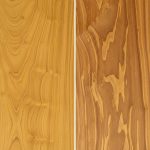

In the complex world of international timber trade, anticipating market shifts is critical for financial planning. Specifically, 2025 Okoume price trends are currently a primary focus for procurement directors and CFOs in the marine and plywood manufacturing sectors. Okoume (Aucoumea klaineana), often referred to as the “King of Plywood,” remains a staple export from West Africa, particularly Gabon and the Republic of the Congo. However, the supply chain is undergoing significant structural changes. Consequently, importers must adapt their strategies to mitigate rising costs. This analysis provides a deep dive into the factors driving wholesale costs, the regulatory landscape, and actionable sourcing strategies for the upcoming fiscal year.
Market Drivers Influencing 2025 Okoume Price Trends
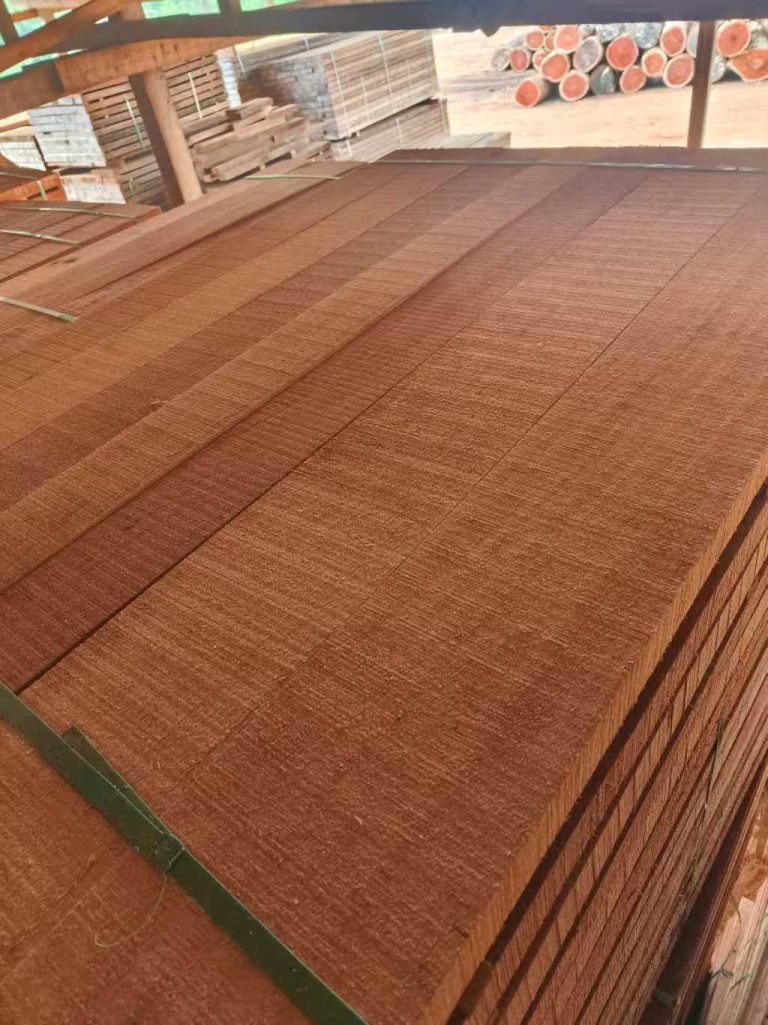
Several macroeconomic and regional factors are converging to influence the cost of Okoume sawn timber and logs. Understanding these drivers is essential for accurate forecasting. Firstly, the strict enforcement of log export bans in Gabon has fundamentally shifted the market. The government now mandates that timber must be processed domestically before export. Therefore, the availability of raw logs has plummeted, pushing buyers toward value-added products like sawn timber and veneers. This shift adds processing costs but ensures higher legality and sustainability compliance.
Secondly, fuel costs and global freight rates continue to be volatile. Shipping heavy hardwood from ports like Owendo or Douala to destinations in Asia and Europe involves significant logistical expenses. As bunker fuel prices fluctuate, CIF (Cost, Insurance, and Freight) prices react almost immediately. Furthermore, labor costs in West Africa are rising as the industry professionalizes to meet international standards. Consequently, these operational increases are passed down the supply chain to the wholesale importer.
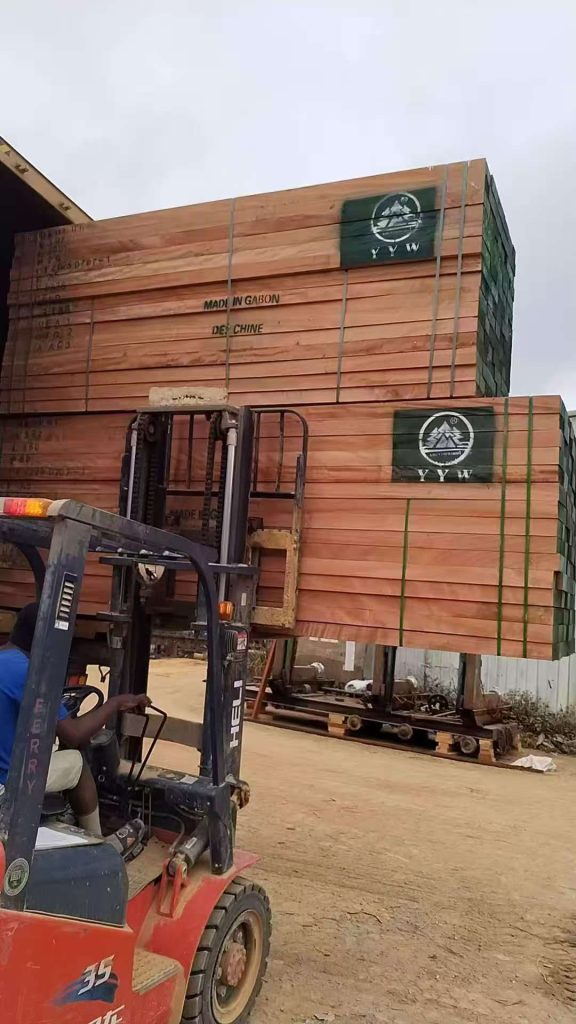
Wholesale Cost Analysis: A Year-over-Year Comparison
To understand the trajectory of 2025 Okoume price trends, we must analyze historical data. The demand for Okoume in Europe for marine plywood and in Asia for furniture manufacturing remains robust. However, supply constraints are tightening. In 2023, prices saw a moderate increase due to post-pandemic recovery. In contrast, 2024 witnessed sharper spikes driven by stricter forestry management audits. Analysts predict that 2025 will see a continuation of this upward trend, albeit with more stability for buyers who secure long-term contracts.
The cost per cubic meter is rising. The increase is particularly notable in veneer products. This is primarily because high-quality peeler logs are becoming scarcer. Moreover, the demand for certified sustainable wood allows producers to command a premium. Importers should budget for a 10-15% cost increase in 2025 compared to 2023 baselines.
Export Rules and Compliance in 2025
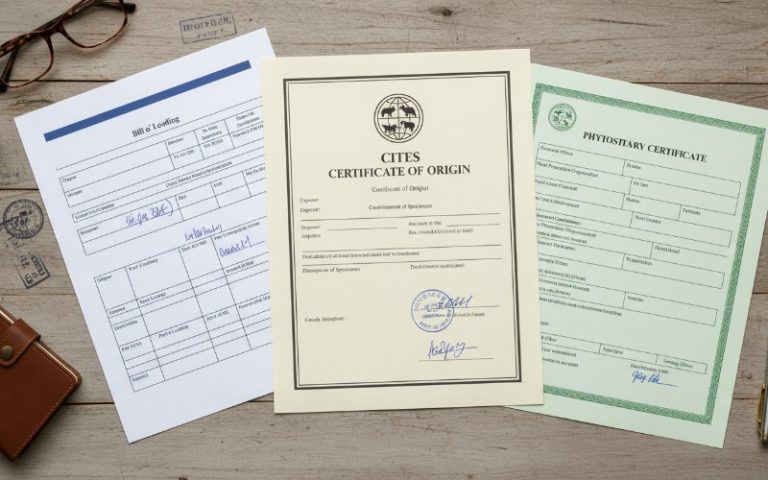
Navigating the regulatory environment is as important as negotiating price. The export rules for African hardwoods are becoming increasingly stringent. For Okoume, while it is not currently listed in the CITES Appendices, it is subject to rigorous local forestry codes. In Gabon, for example, the traceability of timber is mandatory. Every piece of exported wood must be tracked from the stump to the port. This system ensures that no illegal logging enters the supply chain.
Furthermore, European buyers must adhere to the EU Deforestation Regulation (EUDR), which is replacing the EUTR. This regulation requires strict due diligence. Importers must prove that their timber did not contribute to forest degradation. Similarly, US buyers must comply with the Lacey Act. Failure to provide proper documentation can result in seizure of goods and heavy fines. For authoritative information on timber regulations, resources like the ATIBT (International Technical Association of Tropical Timber) provide crucial updates.

Strategic Sourcing for Manufacturing Firms
Given the rising 2025 Okoume price trends, procurement directors must adopt proactive strategies. Relying on spot market purchases is risky due to price volatility. Instead, we recommend establishing quarterly or bi-annual supply agreements. This approach locks in pricing and guarantees volume allocation. Additionally, verifying the credibility of your supplier is paramount. You should always request certificates of origin and FSC documentation before finalizing any transaction.
Another strategy is to explore different specifications. For instance, if your manufacturing process allows, purchasing “Shorts” or slightly lower grades for core layers can yield significant savings. While FAS grade is essential for visible surfaces, internal components can often utilize standard grades without compromising structural integrity. Consult with our team about our Okoume product range to find the right balance between cost and quality.
Why Okoume Remains the Top Choice
Despite the rising costs, Okoume remains unrivaled for specific applications. Its strength-to-weight ratio is exceptional. This makes it the preferred species for racing boats, lightweight aircraft, and high-end exterior plywood. The wood paints and glues extremely well, reducing finishing costs for manufacturers. Furthermore, its natural resistance to elements, when properly treated, ensures longevity. Therefore, even with a higher price tag, the return on investment for the end product remains positive.
- Uniformity: Consistent grain and color make it ideal for aesthetic applications.
- Peeling Quality: It produces continuous veneer sheets with minimal defects.
- Sustainability: Managed concessions in Gabon are setting a global standard for tropical forestry.
Conclusion: Preparing for 2025
In conclusion, the 2025 Okoume price trends indicate a market characterized by rising value and stricter compliance. Wholesale costs are projected to increase due to logistical challenges and enhanced sustainability mandates. However, for manufacturers requiring premium lightweight hardwood, Okoume remains indispensable. By understanding these market dynamics and partnering with reputable exporters like YYW Timber, companies can secure their supply chains effectively. We prioritize transparency, legality, and consistent quality in every shipment.
For more detailed insights on other African species, you can review our analysis on African Padauk or visit our contact page to discuss your specific requirements. Secure your 2025 inventory today to avoid future bottlenecks.