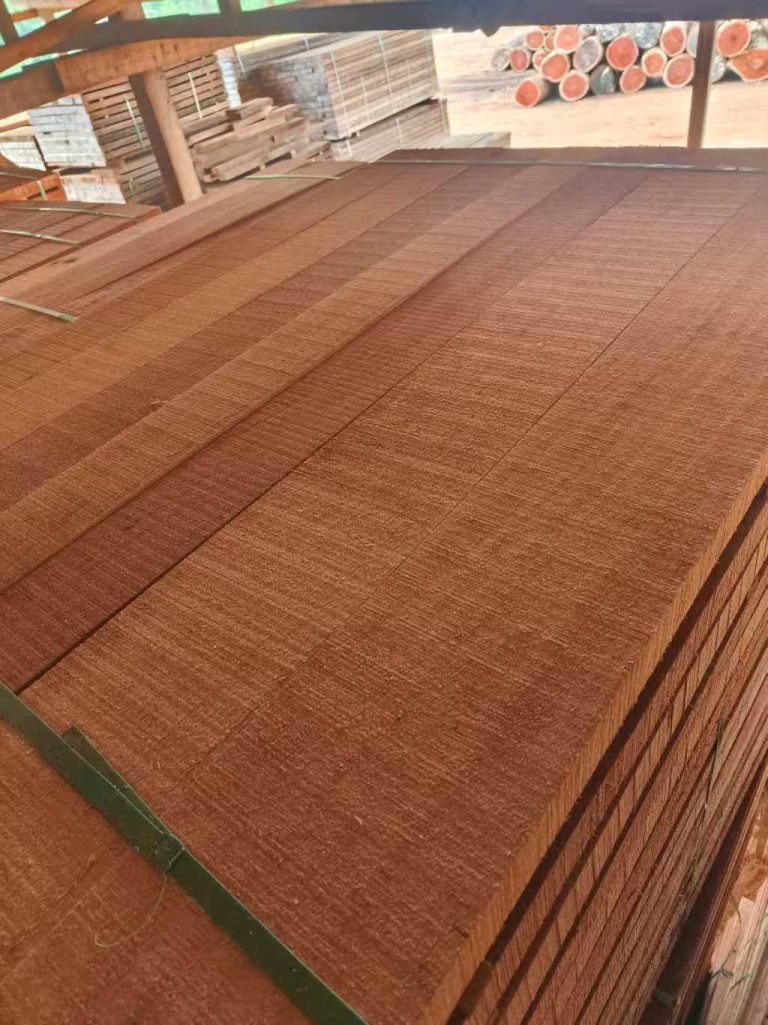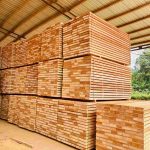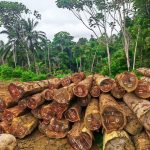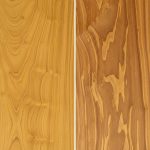
Iroko (Milicia excelsa) is frequently marketed as ‘African Teak’ due to its impressive durability and stability. However, for manufacturers and joinery experts, it presents a significant technical challenge. Specifically, gluing oily Iroko wood requires strict adherence to specialized protocols to prevent delamination. The natural extractives that give Iroko its rot resistance also act as a barrier to standard wood adhesives.
Many production managers face costly failures when treated Iroko behaves hydrophobically during the curing process. Consequently, understanding the chemical interaction between tropical hardwood resins and industrial glues is paramount. This guide provides a technical roadmap for achieving structural-grade bonds with Iroko lumber.
The Challenge: Why Iroko Resists Adhesion
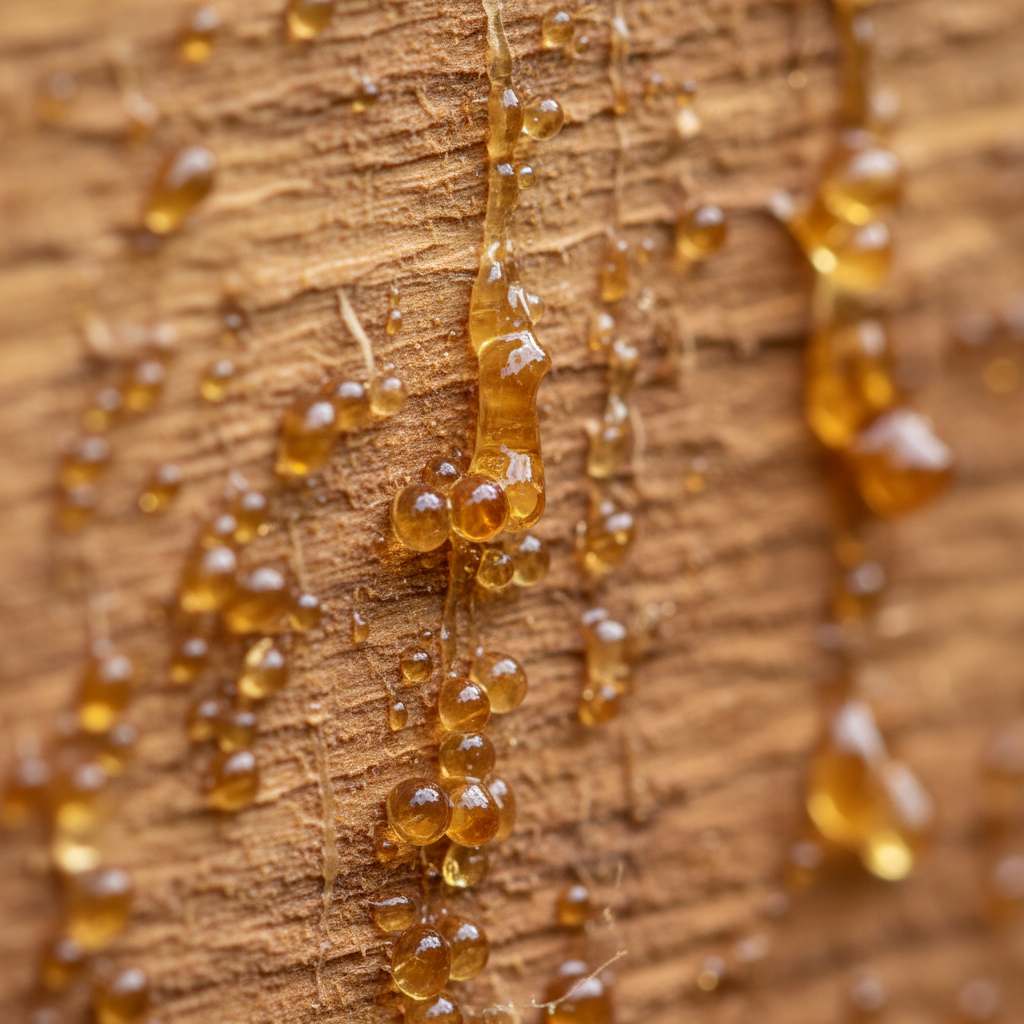
Iroko is dense, with a specific gravity ranging from 0.55 to 0.75. Furthermore, its heartwood is saturated with antioxidizing phenols and oily terpenes. These substances migrate to the surface, especially after machining or when exposed to heat.
When you apply a water-based adhesive like standard PVA to fresh Iroko, the oils repel the water. As a result, the glue cannot wet the cellulose fibers effectively. Without proper wetting, the adhesive cures on top of the oil layer rather than penetrating the wood pores. Eventually, this leads to a ‘starved joint’ or surface failure under stress.
Therefore, successful bonding relies on two pillars: aggressive surface preparation and the selection of chemically compatible adhesives. Skipping either step will compromise the integrity of the final export product.
Step 1: Surface Preparation Protocols
Surface preparation is the single most critical factor when working with oily tropical species. Mechanical surfacing alone is often insufficient. To ensure a durable bond, your production line must integrate chemical cleaning steps.
The Importance of Fresh Machining
Oxidation hardens the surface of Iroko over time. Thus, you should glue the wood as soon as possible after planing or sanding. Ideally, applying adhesive within 30 minutes of machining yields the best results. If the wood has sat overnight, the surface oils will have migrated back to the face.
Solvent Wiping Strategy
Before applying any glue, you must remove the surface extractives. This is done through solvent wiping. Acetone is the industry standard for this process due to its rapid evaporation rate. Alternatively, denatured alcohol or methylated spirits can be used, though they dry slower.
- Technique: Soak a clean rag in acetone and wipe the joint surfaces vigorously.
- Rotation: Change rags frequently. Otherwise, you merely spread the oil around rather than removing it.
- Timing: Allow the solvent to flash off completely before applying glue. This usually takes only a few minutes with acetone.
For more detailed insights on wood chemistry and solvents, reputable resources like The Wood Database offer extensive data on tropical species.
Step 2: Selecting the Best Adhesives for Iroko
Not all industrial adhesives are created equal. While standard carpenter’s glue is cheap, it is ill-suited for the demands of gluing oily Iroko wood. For B2B exports and structural joinery, you need adhesives that offer chemical resistance and deeper penetration.
| Adhesive Type | Bond Strength on Iroko | Moisture Resistance | Production Suitability |
|---|---|---|---|
| PVA Type I (Titebond III) | Moderate to High | Waterproof | Good for interior joinery if solvent wiped. |
| Polyurethane (PU) | High | Waterproof | Excellent. Reacts with moisture; good for oily woods. |
| Epoxy Resin | Very High | Waterproof | Best for gaps/filling. Requires strict mixing ratios. |
| Resorcinol | Highest (Structural) | Submersible | Industrial marine grade. Leaves dark glue lines. |
Polyurethane (PU) glues are often the preferred choice for production managers. They cure in the presence of moisture and are less sensitive to surface oils than PVA. Moreover, they do not introduce water into the joint, which helps maintain stability.
Epoxy is the superior choice for countertops or heavy structural beams where gap filling is required. However, it is more expensive and time-consuming to apply.
For specific inquiries about our Iroko stock for manufacturing, please visit our African Iroko product page.
Step 3: Application and Clamping Techniques
Even with the right glue, poor application can lead to failure. Iroko’s density requires higher clamping pressure than softwoods. This ensures the glue line is thin and the surfaces are mated intimately.
Double Spreading
We recommend ‘double spreading’ for critical joints. This involves applying a thin layer of adhesive to both mating surfaces. Consequently, you ensure 100% coverage and prevent dry spots caused by uneven absorption.
Clamping Pressure and Duration
For hardwoods like Iroko, aim for a clamping pressure of 150-200 psi. In addition, you must maintain this pressure until the adhesive has reached its handling strength. Do not rush this process.
Furthermore, temperature plays a vital role. Gluing oily Iroko wood in cold environments (below 10°C) can inhibit the chemical reaction of PU and Epoxy glues. Always operate within the manufacturer’s specified temperature range.
Troubleshooting: Preventing Delamination
Despite best efforts, issues can arise. Here are common pitfalls to avoid in your factory.
- Burnished Surfaces: Dull planer blades can compress and burnish the wood fibers. This seals the surface, preventing glue penetration. Always use sharp carbide tooling.
- Thick Glue Lines: With Epoxy, a visible glue line is acceptable. However, with PVA or PU, a thick line usually indicates insufficient clamping pressure.
- Chalky Bond Line: This often happens with PVA if the temperature is too low during curing.
Regular testing is essential. We suggest conducting destructive shear tests on offcuts periodically. This validates your current batch of adhesive and your surfacing protocol. For international standards on adhesive testing, refer to organizations like ASTM International.
Conclusion: Ensuring Export Quality
Gluing oily Iroko wood demands a shift from standard woodworking habits to industrial precision. By integrating solvent wiping, selecting moisture-curing adhesives like PU or Epoxy, and maintaining high clamping pressure, you can guarantee bond durability.
At YYW Timber, we understand the complexities of manufacturing with African hardwoods. We supply premium, kiln-dried Iroko that is ready for your production line. Whether you are producing flooring, outdoor furniture, or structural beams, starting with high-quality raw material is the first step to success.
If you require specific technical data sheets or a quote for bulk Iroko lumber, contact our trade desk today.