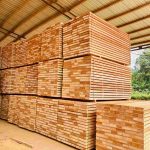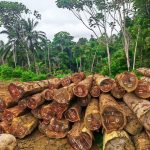
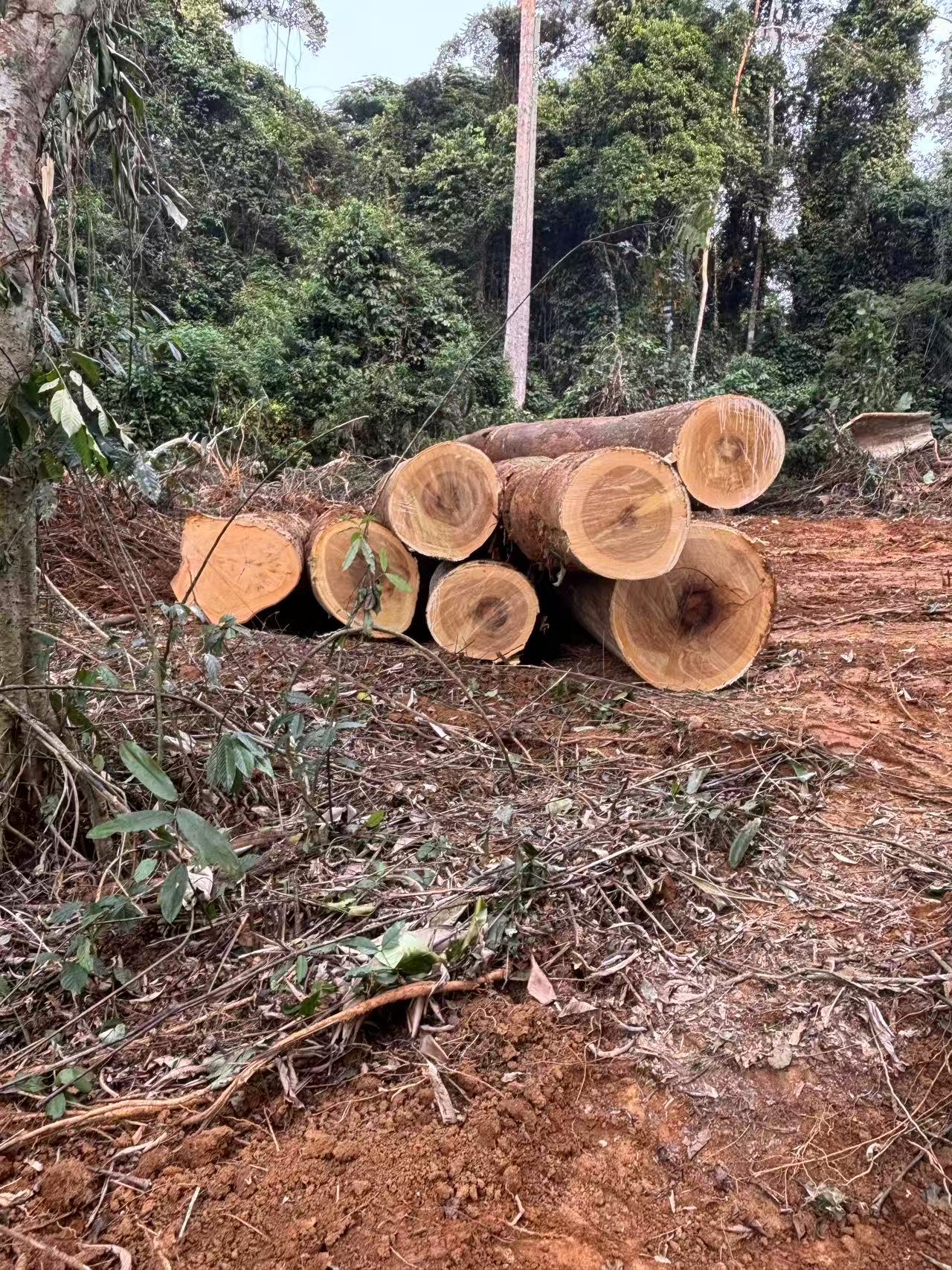
Commercial developers constantly seek materials that balance aesthetic appeal with long-term structural integrity. Consequently, the selection of exterior timber becomes a critical decision in the architectural planning phase. Among the elite hardwoods available, African Iroko (Milicia excelsa) stands out as a premier choice. This article analyzes the Iroko wood cladding lifespan, supported by technical data and commercial scenarios.
The Strategic Value of Iroko for Exteriors
Often referred to as “African Teak,” Iroko offers a similar performance profile to genuine Teak but at a more viable price point for large-scale projects. Furthermore, its natural durability makes it exceptionally suited for cladding applications. Importers and developers value this timber for its resistance to environmental stressors. Specifically, its high oil content repels moisture effectively.
However, the true value lies in its longevity without intensive maintenance. For commercial projects, reducing Operational Expenditure (OpEx) is as vital as managing Capital Expenditure (CapEx). Therefore, choosing a wood species that does not require annual sealing is a strategic financial move.
Technical Durability: Class 1 Classification
According to European Standard EN 350-2, Iroko is classified as “Very Durable” (Class 1) to “Durable” (Class 2). This classification indicates a core heartwood resistance to fungal decay and insect attack. Consequently, the expected service life for untreated Iroko in exterior cladding applications often exceeds 50 years. This assumes proper installation and ventilation.
In addition to biological resistance, Iroko exhibits excellent dimensional stability. While all wood is hygroscopic, Iroko has low shrinkage rates. Thus, it maintains its profile shape even under fluctuating humidity levels. This stability minimizes the risk of warping or cupping on large façade surface areas.
Comparative Data: Iroko vs. Common Alternatives
To understand the competitive advantage, we must compare the Iroko wood cladding lifespan against other commercial options. The table below outlines key technical metrics relevant to developers.
| Wood Species | Durability Class (EN 350) | Avg. Density (kg/m3) | Movement/Stability | Estimated Untreated Lifespan |
|---|---|---|---|---|
| African Iroko | Class 1-2 (Very Durable) | 660 – 750 | Small (Stable) | 40-60 Years |
| Siberian Larch | Class 3 (Moderately Durable) | 590 | Medium | 20-30 Years |
| Western Red Cedar | Class 2 (Durable) | 370 | Small | 30-40 Years |
| European Oak | Class 2-3 (Durable) | 720 | Medium (Prone to movement) | 25-40 Years |
As illustrated above, Iroko provides superior density and durability. For more detailed technical specifications on density and grain structure, you can reference the Wood Database. Their data corroborates the suitability of Iroko for heavy-duty exterior use.
Case Studies in Durability
Real-world performance offers the best evidence for the Iroko wood cladding lifespan. We have analyzed two distinct commercial scenarios to demonstrate long-term viability.
Scenario A: Coastal Commercial Complex (15 Years)
Environment: High salinity, high humidity, intense UV exposure.
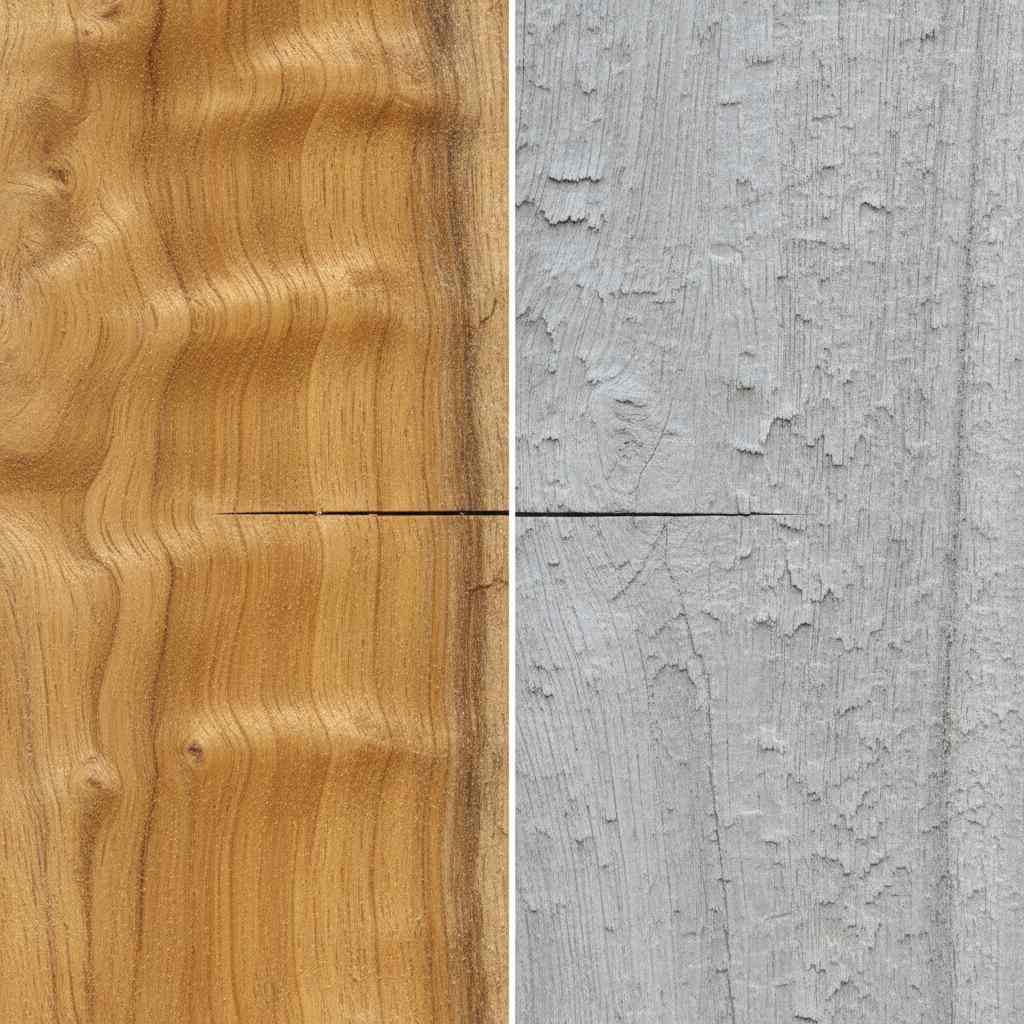
A luxury resort development utilized Iroko rainscreen cladding. Initially, the timber presented its signature golden-yellow hue. Over 18 months, the façade transitioned to a uniform silver-grey patina. Significantly, structural inspections at year 15 revealed zero rot in the heartwood. The salty air, which accelerates corrosion in metals and decay in softwoods, had negligible impact on the Iroko. Moreover, the boards remained straight with minimal checking (surface cracks).
Scenario B: Urban High-Rise Façade (10 Years)
Environment: Moderate pollution, variable temperature range, vertical installation.
An office block in a metropolitan center employed Iroko vertical fins for solar shading. Despite exposure to urban pollutants, the timber maintained its structural integrity. Maintenance crews reported that the wood required only occasional power washing to remove surface grime. Consequently, the developer saved significantly on refinishing costs typically associated with less durable species.
The Aging Process and Aesthetics
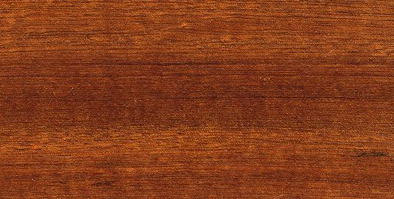
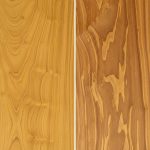
Developers must understand the visual evolution of the material. Freshly sawn Iroko timber exhibits a distinct color variation, ranging from light yellow to deep golden-brown. However, this is temporary. Upon exposure to UV light, the wood oxidizes.
This oxidation process is not a sign of degradation. Rather, it is a natural protective mechanism. The resulting silver-grey patina is highly sought after in modern architecture. It provides a neutral, organic texture that complements concrete and glass. If the original color is desired, UV-inhibiting oils must be applied regularly. Nevertheless, most commercial projects opt for the low-maintenance, weathered aesthetic.
Installation Factors Affecting Lifespan
Even the most durable timber will fail if installed incorrectly. To maximize the Iroko wood cladding lifespan, specific protocols must be followed during construction.
- Ventilation: A breathable cavity behind the cladding is mandatory. This prevents moisture buildup and allows the wood to dry out effectively.
- Fixings: Always use stainless steel fixings. Iroko can react with ferrous metals, causing unsightly blue-black staining on the façade.
- Profile Design: Beveled edges or specific rainscreen profiles facilitate water runoff. Standing water is the enemy of any timber structure.
- Gap Sizing: Allow for natural expansion and contraction gaps between boards to prevent buckling.
Sourcing and Sustainability
Modern commercial developments often require strict adherence to environmental standards. Fortunately, Iroko can be sourced responsibly. We emphasize the importance of verifying the chain of custody. We adhere to regulations set by organizations like the ATIBT (International Tropical Timber Technical Association).
Ensuring your timber comes with proper documentation not only ensures legal compliance but also supports sustainable forestry practices in West Africa. When requesting a quote, always ask for origin documents. This transparency is crucial for B2B transactions and project certification credits (such as LEED or BREEAM).
Conclusion
In conclusion, the Iroko wood cladding lifespan offers a compelling ROI for commercial developers. Its natural resistance to decay, combined with its high density and stability, positions it as a superior alternative to softwoods or more expensive hardwoods. By understanding its aging process and ensuring proper installation, developers can deliver buildings that remain aesthetically pleasing and structurally sound for decades.
Are you planning a commercial façade project? Our team specializes in the export of high-grade African hardwoods suitable for large-scale construction.