In the high-stakes world of international forestry trade, a single word can cost thousands of dollars. When a client requests a quote for “Timber,” does he want raw round logs, or does he want finished sawn boards? The answer depends entirely on where his office is located.
At YYW Timber, we manage exports to over 30 countries, from the United States to Vietnam and the United Kingdom. We see firsthand how the confusion between Lumber vs Timber creates chaos in contracts, shipping manifests, and expectations.
For global procurement managers and import brokers, clarity is not just semantic; it is financial. This guide decodes the regional nuances of these terms. We will ensure your next purchase order results in exactly the product you intended to buy.
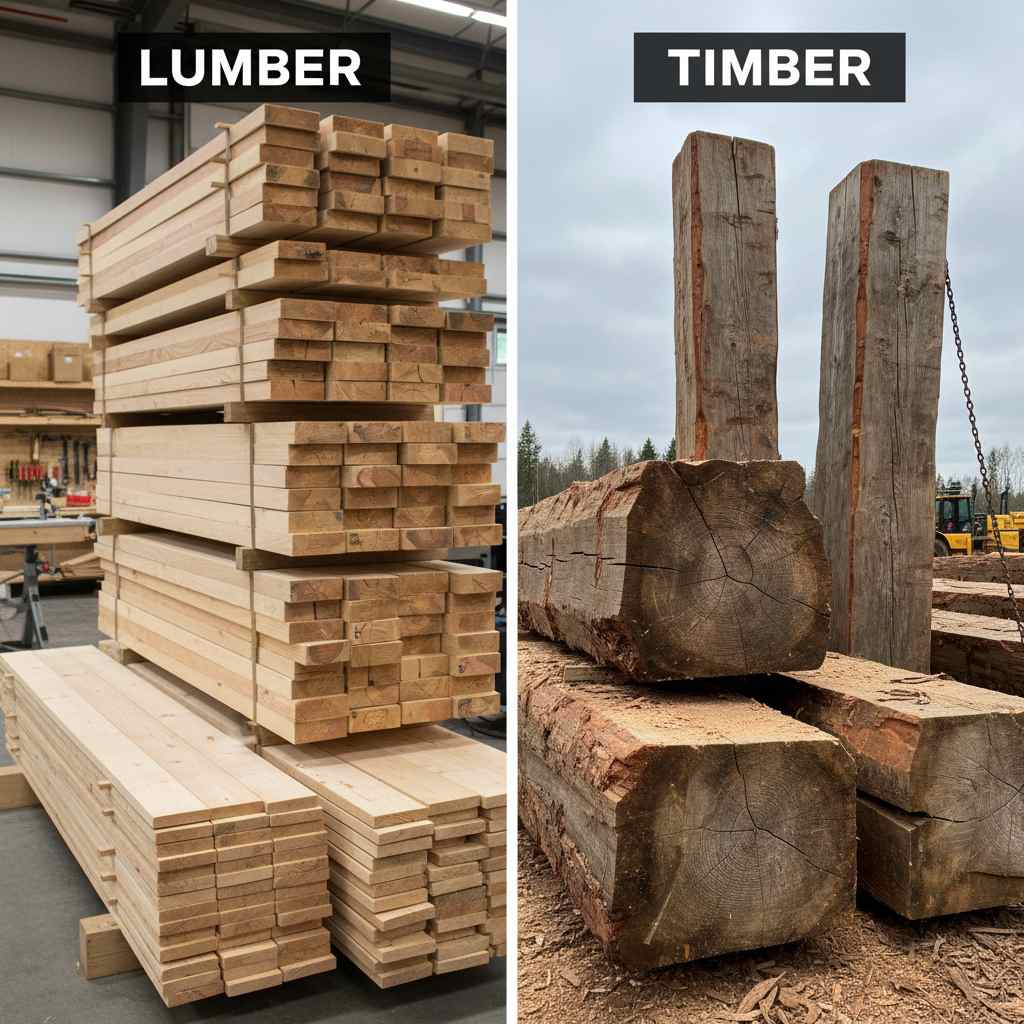
The Great Divide: Geography Dictates Meaning
The confusion stems primarily from the linguistic split between North American English and British/Commonwealth English. If you are brokering a deal between a supplier in Gabon and a buyer in New York, knowing this distinction is critical.
1. The United States & Canada (North America)
In the US and Canada, the distinction is usually based on the stage of processing and size.
- Lumber: This refers to wood that has been sawn, trimmed, and edged into boards or planks. If you are buying 4/4 Sapele boards for furniture, you are buying “Lumber.”
- Timber: This term has two meanings. First, it refers to standing trees in the forest (“standing timber”). Second, and more importantly for trade, it refers to large wooden beams used for heavy structural work (typically larger than 5×5 inches or 13×13 cm).
2. The UK, Australia, New Zealand & ROW
In the United Kingdom and most Commonwealth nations, the definitions shift significantly.
- Timber: This is the general term for sawn wood. If a British buyer wants “Sawn Timber,” they want planks and boards. It is synonymous with the American “Lumber.”
- Lumber: This word is rarely used in the UK trade. When it is used, it often implies miscellaneous wood, unused scraps, or sometimes standing trees. Using “Lumber” in a British contract can sometimes cause confusion or mark you as an outsider.
The Spectrum of Processing: Defining the Product
To avoid ambiguity in your contracts, we recommend defining the product by its processing stage rather than just using “Lumber” or “Timber.” At YYW Timber, we categorize our African hardwood exports into three clear distinct stages.
Stage 1: Round Logs
This is the raw material. Felled, de-branched, and cut to length. Whether you call it “Round Timber” (UK) or “Saw Logs” (US), the product is the same. These are typically purchased by sawmills or veneer manufacturers who want to control their own yield.
Stage 2: Square Logs (Cants)
These are logs that have been slabbed on four sides to remove the bark and sapwood. In the US, a large 12×12 piece of Bubinga would be called a “Timber” or a “Cant.” In the UK, it might be called a “Baulk” or “Square Timber.”
Stage 3: Sawn Timber / Lumber
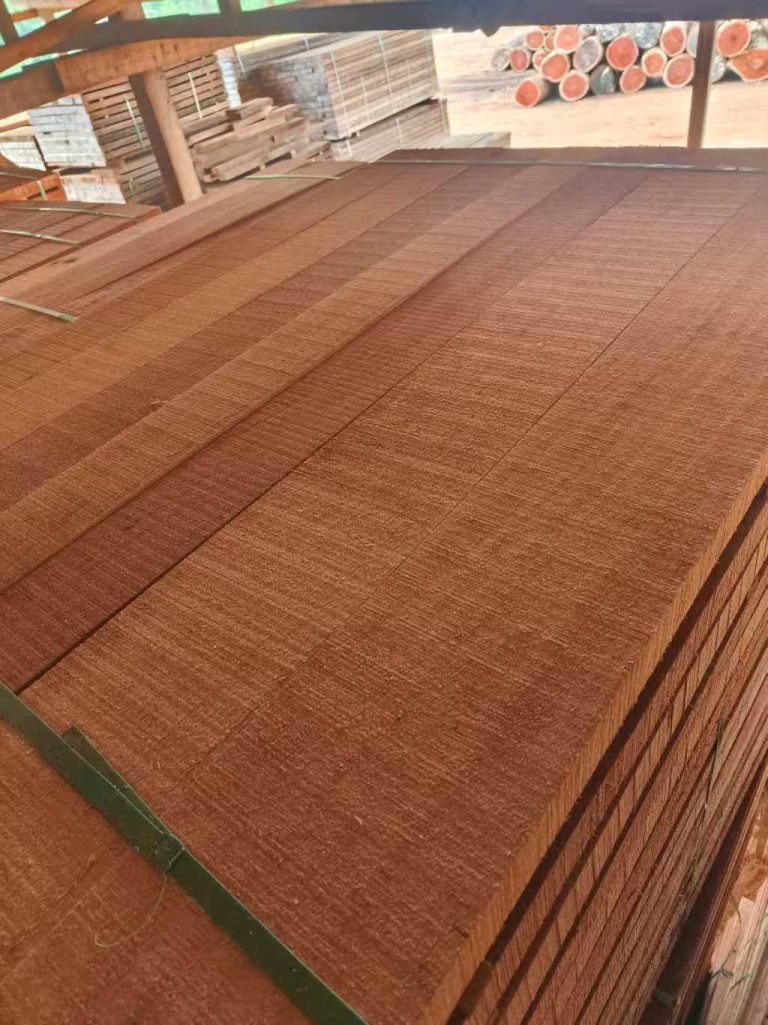
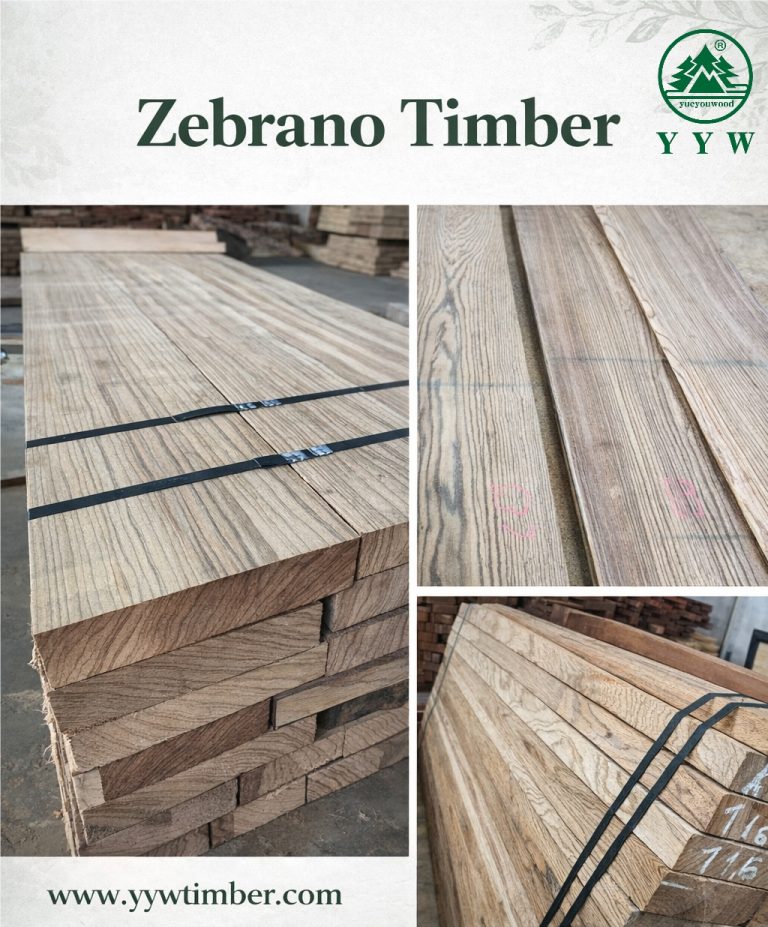
This is wood cut to specific thickness and width (e.g., 25mm x 150mm). This is where the Lumber vs Timber confusion hits hardest. Always specify if the product is “Rough Sawn” (unsurfaced) or “S4S” (Surfaced on 4 Sides).

The Cheat Sheet: Regional Terminology Comparison
Use this table to translate your client’s request based on their location.
| Product Form | US / Canada Terminology | UK / Australia Terminology | YYW Timber Catalog Term |
|---|---|---|---|
| Sawn Boards (e.g., 1″x6″) | Lumber / Boards | Sawn Timber | Sawn Timber |
| Heavy Beams (e.g., 8″x8″) | Timbers / Beams | Structural Timber | Square Logs |
| Raw Trees (Felled) | Logs / Round Timber | Logs / Round Timber | Round Logs |
| Standing Trees | Standing Timber | Standing Timber / Forest | Forestry Concession |
Why It Matters: Contracts, HS Codes, and Tariffs
Why do we stress these definitions? Because getting it wrong has real-world consequences for procurement managers.
1. HS Codes and Customs
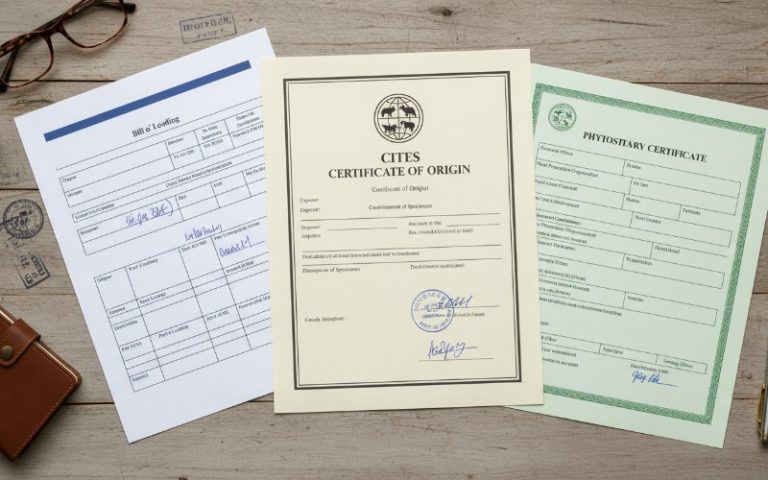
Customs officials do not care about colloquialisms; they care about Harmonized System (HS) codes. Generally, “Wood in the rough” (Logs) falls under HS Code 4403, while “Wood sawn or chipped lengthwise” (Lumber/Timber) falls under HS Code 4407. Confusing the terminology on a commercial invoice can trigger inspections, delays, and incorrect tariff applications.
2. Nominal vs. Actual Dimensions
In the US “Lumber” market, a 2×4 does not measure 2 inches by 4 inches. It is nominal. In the African export market, however, when we sell “Sawn Timber,” we typically cut to actual size (often with a small oversize allowance for drying). If a US buyer orders “2-inch lumber,” they might expect 1.5 inches actual. If they order from us, they get full 2 inches (50.8mm). Clarifying this saves massive waste.
3. Grading Rules
US Lumber is often graded by NHLA rules (FAS, No. 1 Common). European Timber is often graded by other standards or ATIBT rules. When requesting a quote, specifying “Lumber” implies you might want NHLA grading, while “Timber” might imply structural grading. Clarity prevents quality disputes.

YYW Timber: We Speak Your Language
At YYW Timber, we bridge the gap between African forests and global markets. Whether you are a broker in London asking for “Sawn Timber” or a manufacturer in Texas needing “Hardwood Lumber,” we understand the technical specifications behind the words.
Our team in Gabon and Cameroon is trained to verify specifications beyond the simple product name. We confirm:
- Exact Dimensions: (Metric vs Imperial, Nominal vs Actual).
- Moisture Content: (AD vs KD).
- Intended Use: (Furniture vs Structural).
Conclusion
While the debate of Lumber vs Timber may never be fully settled linguistically, your contracts must be precise. In the US, think “Lumber” for boards. In the UK, think “Timber” for boards. For everything else, rely on detailed specification sheets.
Do not let terminology errors eat into your margin. Partner with a supplier who understands the global lexicon of wood.
Ready to import African hardwoods without the confusion?