Key Takeaways for Import Brokers
- CITES Classification: Okoume (Aucoumea klaineana) is listed in CITES Appendix III at the request of Gabon. It is not in Appendix I or II.
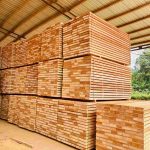
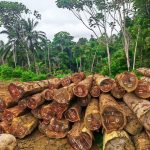
- Export Restrictions: Gabon maintains a strict ban on the export of raw Okoume logs. Only processed wood (Sawn Timber, Veneer, Plywood) may be legally exported.
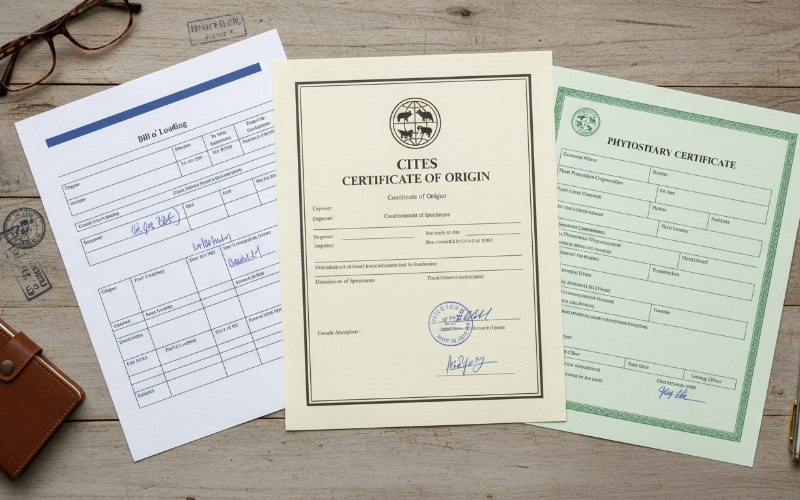
- Documentation Essentials: Shipments require a CITES Certificate of Origin (from Gabon) or a Certificate of Re-export, alongside standard Phytosanitary and Chain of Custody documents.
- EUDR Readiness: While legally traded, Okoume supply chains must now adapt to the new European Union Deforestation Regulation (EUDR) geolocation requirements.
For logistics managers and timber importers, navigating the regulatory landscape of African hardwoods is a complex task involving overlapping international treaties and national laws. Okoume (Aucoumea klaineana), often referred to as the “King of Gabonese Forests,” represents a unique case study in compliance. Unlike Bubinga or African Rosewood, which face stringent CITES Appendix II restrictions, Okoume occupies a regulatory middle ground that often leads to confusion at customs borders.
This technical guide clarifies the current Okoume CITES status, analyzes the implications of the Gabonese log export ban, and provides a robust framework for due diligence under the Lacey Act and EUTR standards. At YYW Timber, we prioritize transparency to ensure your supply chain remains uninterrupted and legally fortified.
Defining the CITES Appendix III Listing for Okoume
The Convention on International Trade in Endangered Species of Wild Fauna and Flora (CITES) categorizes species into three Appendices based on the level of protection required. A common misconception among brokers is that Okoume is completely unregulated or, conversely, endangered like Bubinga. Neither is entirely accurate.
Okoume is listed in CITES Appendix III. This listing was enacted by Gabon in 2010. The distinction between Appendix II and III is critical for logistics planning:
- Appendix II (e.g., Bubinga, Padauk): Requires a CITES Export Permit issued by the Management Authority of the exporting country, certifying that trade will not be detrimental to the survival of the species (Non-Detriment Finding).
- Appendix III (Okoume): Indicates that a specific country (Gabon) has asked other CITES Parties for assistance in controlling the trade. It does not necessarily imply the species is threatened with extinction globally, but that the originating country wants to prevent illegal exploitation.
For an importer, this means that any shipment of Okoume originating from Gabon must be accompanied by a CITES export permit or a certificate of origin. If the Okoume is re-exported from a third country (e.g., processed in China or Europe), a certificate of re-export is mandatory. Failure to present these specific CITES documents will result in seizure at the port of entry.
The Gabonese Log Export Ban: A Logistics Pivot
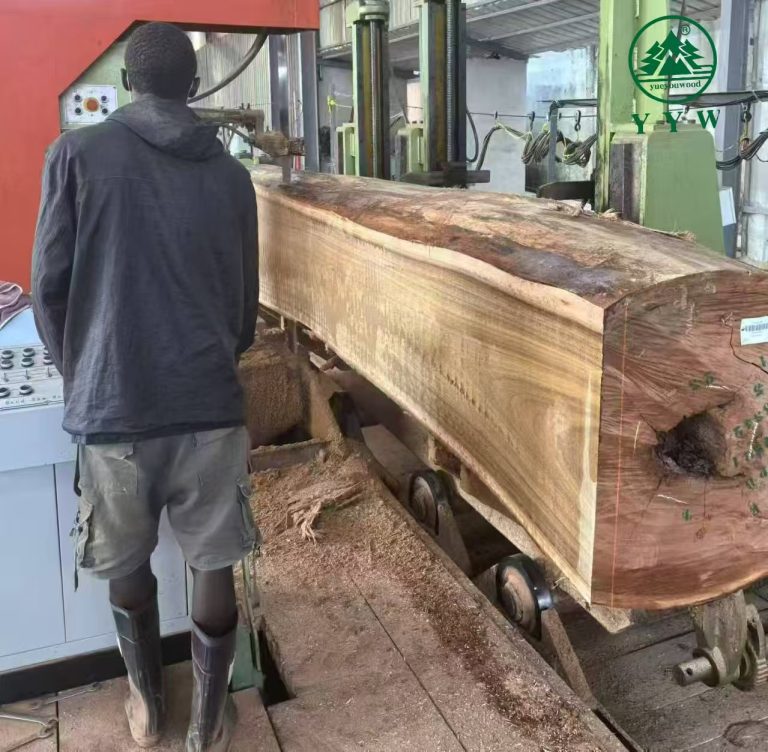
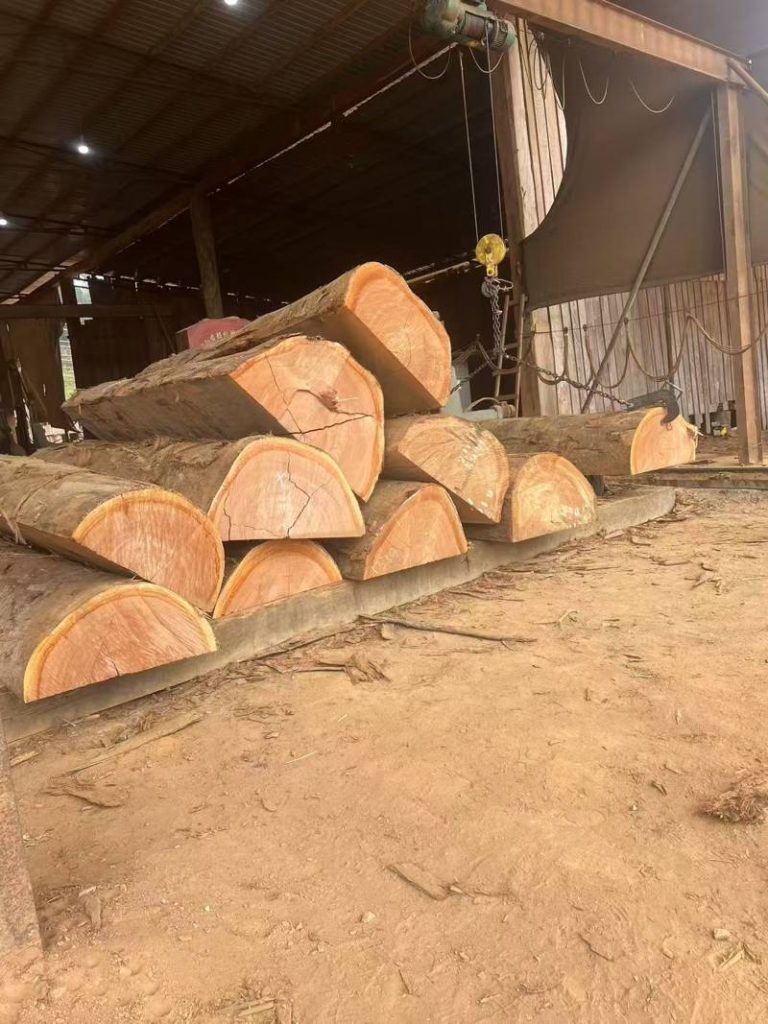
While CITES governs the international monitoring of the species, the primary regulatory hurdle for Okoume is the national legislation of Gabon. In 2010, the Gabonese government implemented a total ban on the export of whole logs. This was a strategic economic decision to force domestic industrialization, ensuring that value-added processing (sawing, peeling, plywood manufacturing) occurs within Gabon.
Allowed vs. Prohibited Forms
Logistics managers must strictly adhere to Harmonized System (HS) codes to avoid flagging by customs authorities who enforce this ban.
| Product Type | HS Code (Approx) | Export Status | Documentation Required |
|---|---|---|---|
| Round Logs | 4403 | BANNED | N/A (Illegal for Export) |
| Sawn Timber | 4407 | Allowed | CITES Cert of Origin, Phyto, Invoice |
| Veneer Sheets | 4408 | Allowed | CITES Cert of Origin, Packing List |
| Plywood | 4412 | Allowed | CITES Cert of Origin, COC |
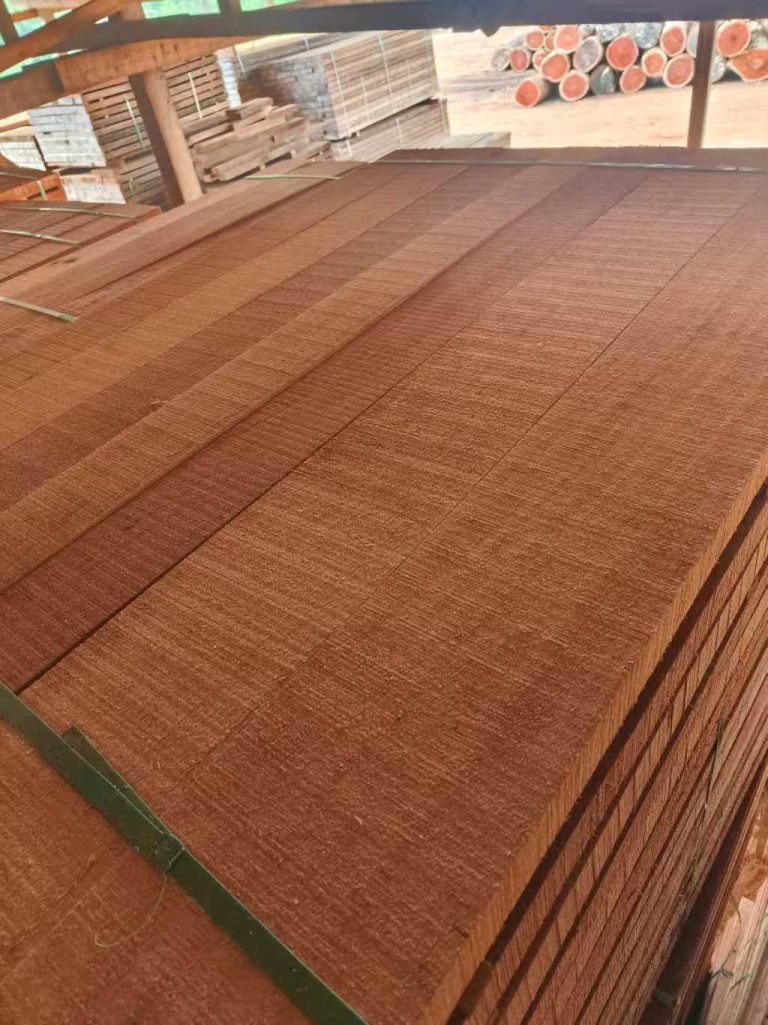
Importers attempting to source “rough squared logs” or minimal processing cants must be extremely cautious. Customs authorities in the EU and US are trained to identify minimal processing intended to circumvent log bans. The wood must meet the definition of Sawn Timber or further processed goods to legally leave the Port of Owendo.
Supply Chain Due Diligence: EUTR and Lacey Act
For buyers in the United States (Lacey Act) and Europe (EUTR/EUDR), CITES documentation is the baseline, not the finish line. Because Okoume is harvested in regions where illegal logging risks exist, “Due Care” requires more than just a permit.
To establish a defensible due diligence system for Okoume, YYW Timber recommends the following verification steps:
- Verify the Forest Management Unit (FMU): Ensure the timber originates from a concession with a valid management plan authorized by the Gabonese Ministry of Water and Forests.
- Traceability to the Stump: Under the new EU Deforestation Regulation (EUDR), operators must provide geolocation coordinates of the plot of land where the wood was harvested. Okoume sourced from nebulous aggregators without traceability will soon be unmarketable in the EU.
- Fiscal Compliance: Verify that all stumpage fees and area taxes have been paid in the country of harvest. Unpaid taxes render the timber “illegal” under the Lacey Act.

Comparative Analysis: Okoume vs. Restricted Hardwoods
To assist procurement teams in distinguishing regulatory friction, we compare Okoume against other popular African species.
| Commercial Name | Scientific Name | CITES Status | Risk Level | Typical Usage |
|---|---|---|---|---|
| Okoume | Aucoumea klaineana | Appendix III (Gabon) | Medium (Documentation Heavy) | Plywood, Marine Veneer, Light Joinery |
| Bubinga | Guibourtia spp. | Appendix II | High (Strict Quotas) | Luxury Furniture, Instruments |
| African Padauk | Pterocarpus soyauxii | Appendix II | High (Strict Quotas) | Flooring, Dye woods |
| Iroko | Milicia excelsa | Not Listed | Low (General Due Diligence) | Outdoor Decking, Construction |
Essential Documentation Checklist for Clearance
When preparing a Bill of Lading for Okoume Sawn Timber, ensure the document packet includes the following to prevent demurrage charges or seizure:
- CITES Certificate of Origin: Must be issued by the Gabonese CITES Management Authority.
- Phytosanitary Certificate: Verifying the wood is kiln-dried (KD) or heat-treated (HT) and free of pests.
- Certificate of Legality: Often provided by third-party auditors (e.g., Bureau Veritas) or through FSC certification claims on the invoice.
- Specification Sheet: Clearly stating the grade (e.g., FAS, No. 1 Common) and dimensions to prove the product is not raw logs.
Future Outlook: The Role of SEZ Nkok
The vast majority of legal Okoume export now flows through the Nkok Special Economic Zone (SEZ) in Gabon. Timber processed within this zone is subject to TRACER, a distinct traceability system. For importers, sourcing from factories within the Nkok SEZ provides an additional layer of assurance regarding legality, as the entry of logs into the zone is strictly monitored against forestry quotas. YYW Timber leverages these authorized supply lines to guarantee compliance.