For architects and real estate developers, selecting the correct timber is not merely an aesthetic choice; it is a structural imperative. When specifying materials for high-end residential or commercial projects, the distinction between Tropical vs Domestic Hardwood becomes the defining factor in longevity and performance. While domestic species like Oak and Maple have served Western construction for centuries, African tropical hardwoods offer a distinct set of advantages that are crucial for modern, demanding applications.
Understanding the biological and mechanical differences between these two categories is essential for minimizing maintenance costs and maximizing asset value. Furthermore, navigating the complex landscape of international timber trade requires a deep understanding of sustainability and compliance. This guide analyzes the technical disparities between temperate (domestic) and tropical hardwoods to assist you in making informed procurement decisions.
Defining the Core: What Actually is a Hardwood?
Before analyzing the regional differences, we must establish the botanical definition. A hardwood is timber harvested from an angiosperm tree. These are broad-leaved trees that produce enclosed seeds (usually within a fruit or nut). This stands in contrast to softwoods, or gymnosperms, which are needle-leaved conifers like Pine or Fir.
However, the term “hardwood” can be deceptively simple. It refers to the reproduction method of the tree, not necessarily its physical density. For instance, Balsa is botanically a hardwood yet is incredibly soft. Conversely, Yew is a softwood that is harder than many hardwoods. Nevertheless, for the purpose of construction and trade, the hardwoods we discuss here—specifically African species like Bubinga and Tali—are renowned for their extreme physical hardness.
Domestic Hardwoods: The Temperate Standard
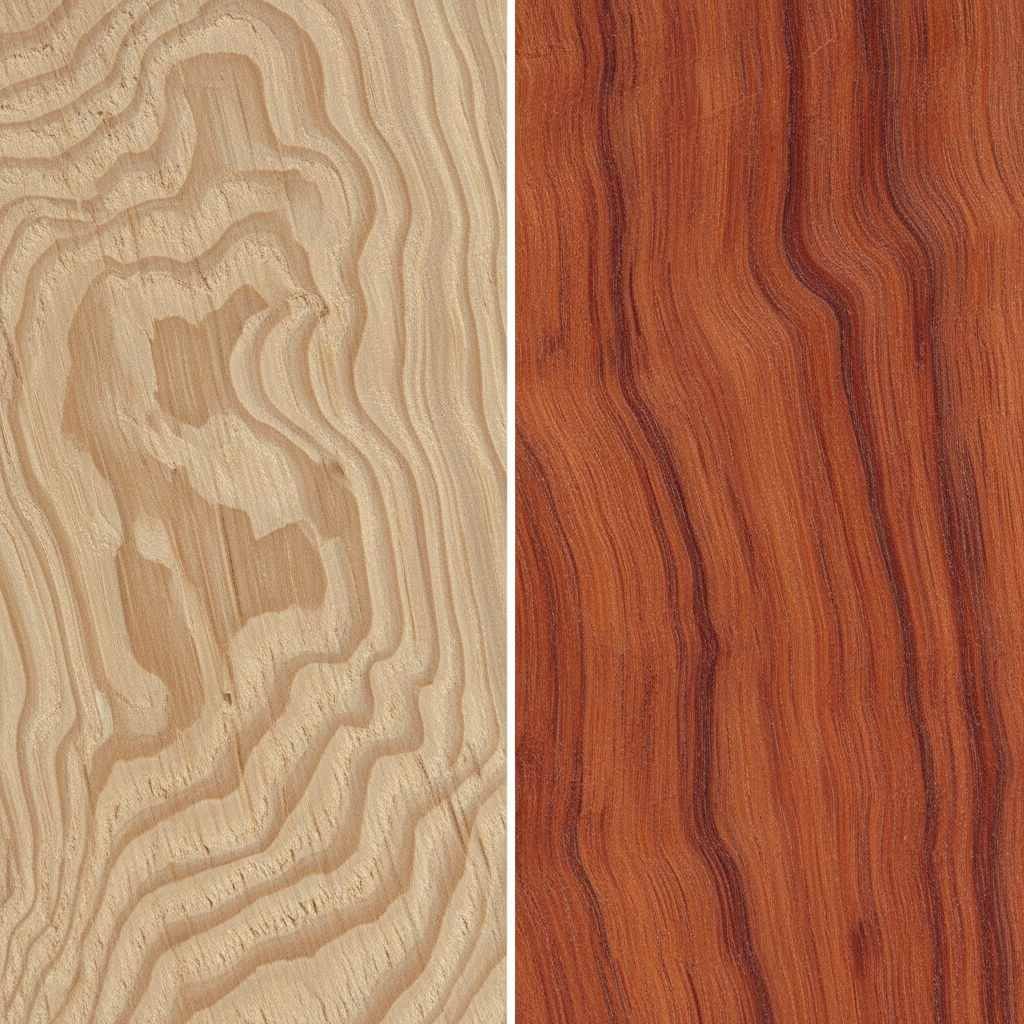
Domestic hardwoods typically refer to species grown in temperate regions, such as North America and Europe. Common examples include White Oak, Walnut, Ash, and Cherry. These trees grow in climates with distinct seasons. Consequently, they develop distinct annual growth rings, which create the familiar grain patterns seen in traditional cabinetry and flooring.
Characteristics of Temperate Species
- Ring-Porous Structure: Many domestic species, like Oak and Ash, are ring-porous. This means the pores in the earlywood are significantly larger than those in the latewood, resulting in a coarse texture.
- Moderate Density: While durable, species like Walnut (Janka hardness ~1,010 lbf) are significantly softer than their tropical counterparts.
- Treatment Requirements: For exterior applications, domestic hardwoods often require chemical treatment or sealing to resist rot and insect attack effectively.
Domestic woods are excellent for interior joinery where climate control is present. However, their limitations become apparent when exposed to harsh environmental elements without significant maintenance.
The Tropical Advantage: African Hardwood Superiority
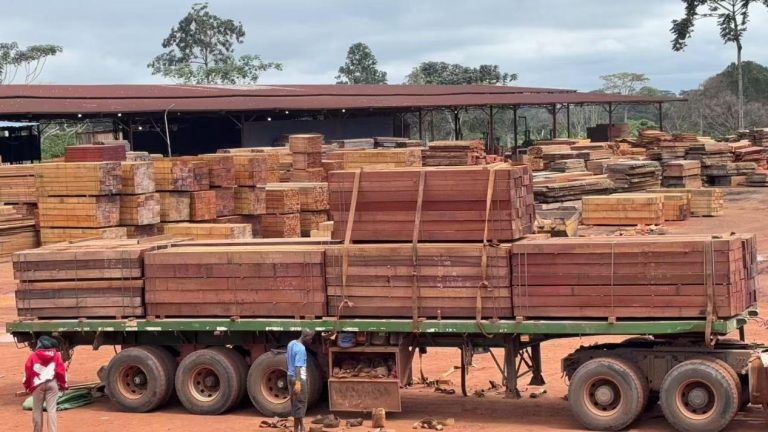
Tropical hardwoods originate from the equatorial belt, including the dense rainforests of Central and West Africa (Gabon, Cameroon, Congo). The climatic conditions here are vastly different from temperate zones. The lack of distinct seasons allows for continuous growth, resulting in wood structures that are biologically distinct and mechanically superior.
Why African Hardwood Species Excel in Construction
1. Extreme Density and Hardness:
Species such as Tali (Erythrophleum ivorense) and Azobe (Lophira alata) are incredibly dense. The slow, continuous growth in nutrient-competitive environments produces timber with tightly packed fibers. Tali, for example, boasts a Janka hardness of nearly 2,900 lbf, making it almost three times harder than Domestic Walnut. This makes it impervious to high-traffic wear in commercial flooring.
2. Natural Durability and Resistance:
Evolution has equipped African hardwoods with natural chemical compounds to survive in humid, insect-prone rainforests. Woods like Iroko and Padauk contain high levels of natural oils and silica. Therefore, they possess innate resistance to termites, marine borers, and fungal decay. Unlike domestic species, they often require no chemical treatment to survive outdoors for decades.
3. Aesthetic Uniformity:
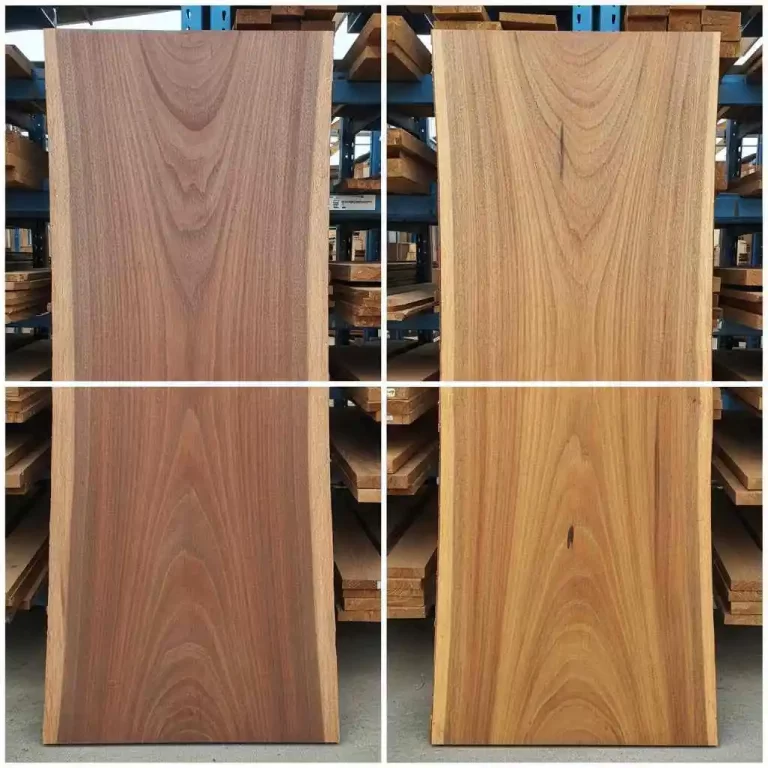
Because tropical trees do not experience dormant winter periods, the annual rings are less distinct or absent (diffuse-porous). This results in a more uniform grain texture and rich, consistent coloration throughout the timber. Architects prize Bubinga and Padauk for their striking red and purple hues which patina beautifully over time.
Technical Comparison: The Data
To illustrate the mechanical disparities in the Tropical vs Domestic Hardwood debate, examine the following comparison of key specifications. Note the significant jump in hardness and specific gravity for the African species.
| Species Category | Commercial Name | Origin | Janka Hardness (lbf) | Avg. Dried Weight (kg/m3) | Rot Resistance |
|---|---|---|---|---|---|
| Domestic | White Oak | North America / Europe | 1,360 | 755 | Moderately Durable |
| Domestic | Hard Maple | North America | 1,450 | 705 | Non-Durable (Perishable) |
| Tropical | Iroko | West Africa | 1,260 | 660 | Very Durable |
| Tropical | African Padauk | Central Africa | 1,970 | 745 | Very Durable |
| Tropical | Tali (Elun) | West Africa | 2,920 | 910 | Very Durable |
As the data suggests, selecting a wood like Tali or Padauk provides superior physical resilience. For structural integrity in exterior cladding or decking, African hardwoods are unmatched.
Sustainability and Compliance in Global Trade
A common misconception is that specifying tropical timber inevitably contributes to deforestation. On the contrary, responsible trade supports sustainable forest management. Professional importers adhere to strict regulations to ensure the longevity of these resources.
CITES and Legal Origin:
Certain species, such as Bubinga (Guibourtia spp.), are listed under CITES Appendix II. This does not mean they are banned; rather, it means their trade is strictly controlled to ensure sustainability. At YYW Timber, we ensure that every shipment of regulated hardwood is accompanied by the necessary CITES export permits and certificates of origin. This guarantees that your project remains compliant with international laws like the EUTR (European Union Timber Regulation) and the Lacey Act.
Furthermore, sourcing FSC-certified African timber ensures that the harvesting process respects local biodiversity and community rights. By choosing reputable suppliers, architects can utilize these premium materials ethically.
Application Scenarios for Architects
When should you switch from a domestic specification to a tropical one? Here are the prime scenarios:
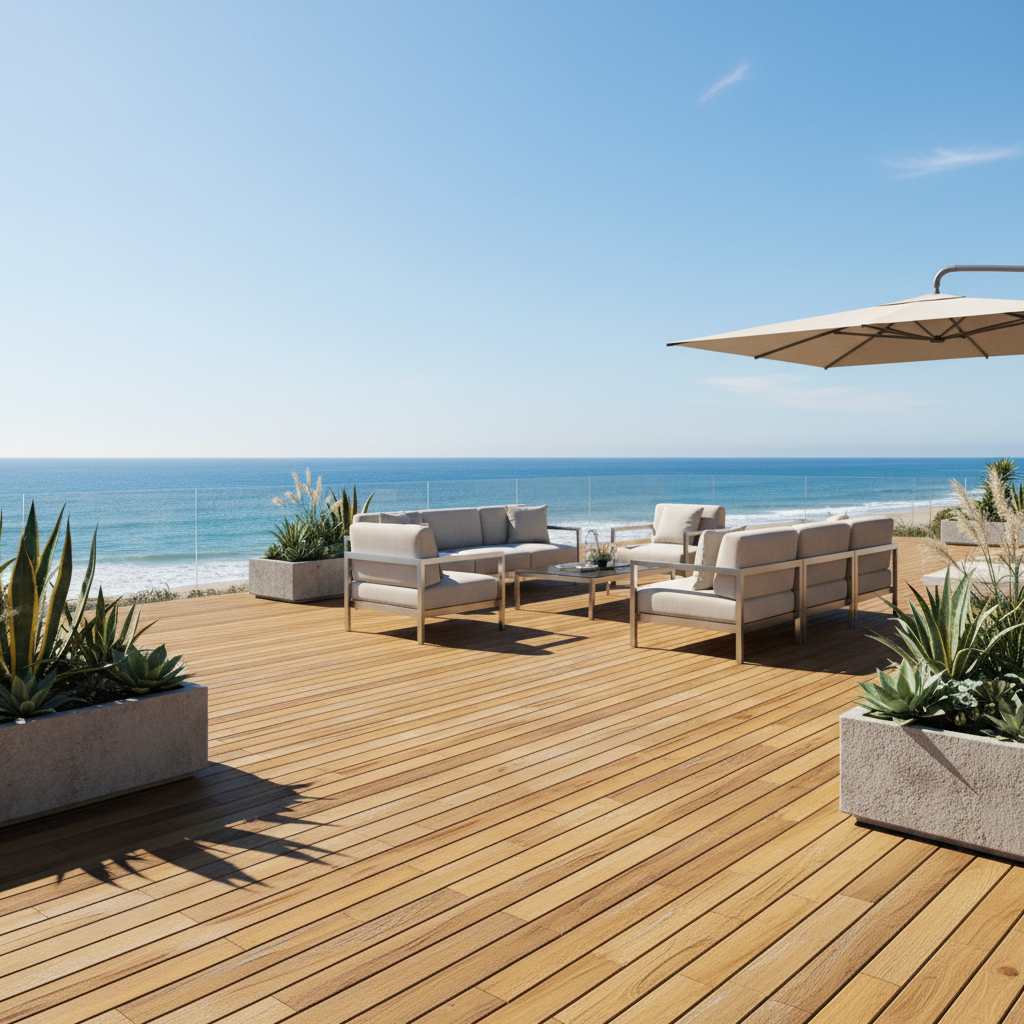
- Luxury Decking & Boardwalks: Domestic Pine or Oak will rot or warp without heavy treatment. Iroko and Tali remain stable and rot-free naturally, making them ideal for coastal resorts or luxury pool decks.
- Exterior Cladding (Rainscreens): The dimensional stability of tropical hardwoods like Padauk prevents the warping and cupping often seen in domestic species when exposed to fluctuating humidity.
- Heavy-Duty Flooring: For commercial spaces such as hotels or airports, the Janka hardness of Tali prevents indentations from high heels and heavy furniture, a failing point for softer domestic woods like Walnut.
Conclusion: Making the Right Specification
In the debate of Tropical vs Domestic Hardwood, the winner depends on the application. For intricate indoor cabinetry, domestic species offer tradition and workability. However, for structural performance, exterior resilience, and sheer luxury aesthetic, African tropical hardwoods are the superior choice for high-value projects.
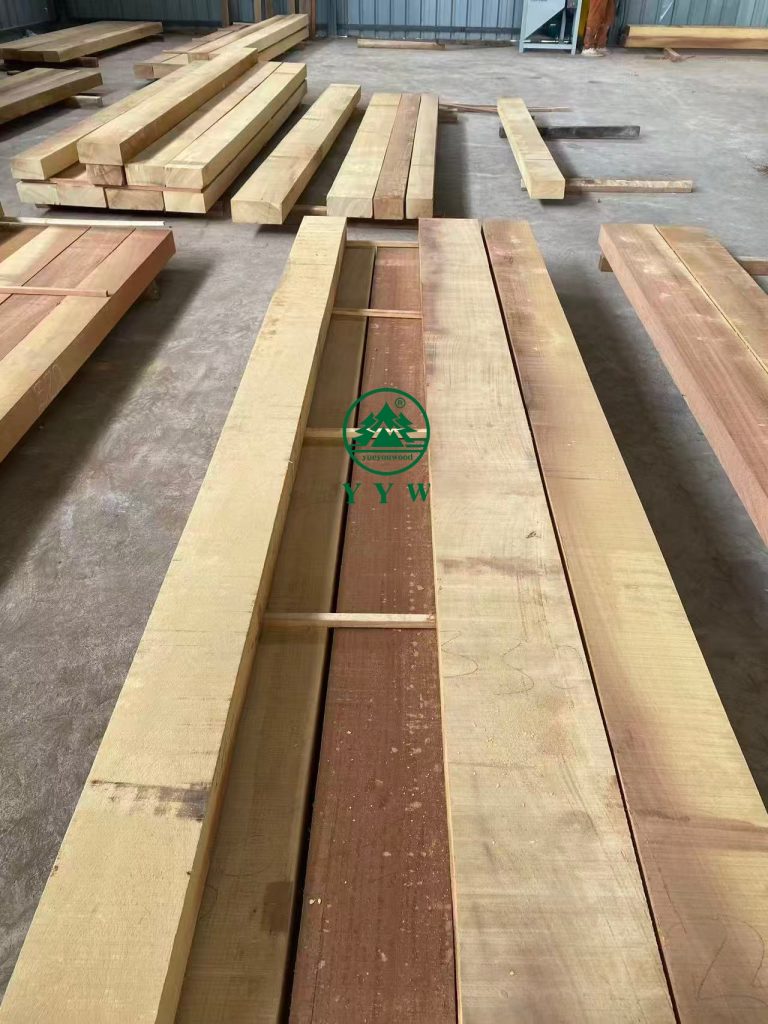
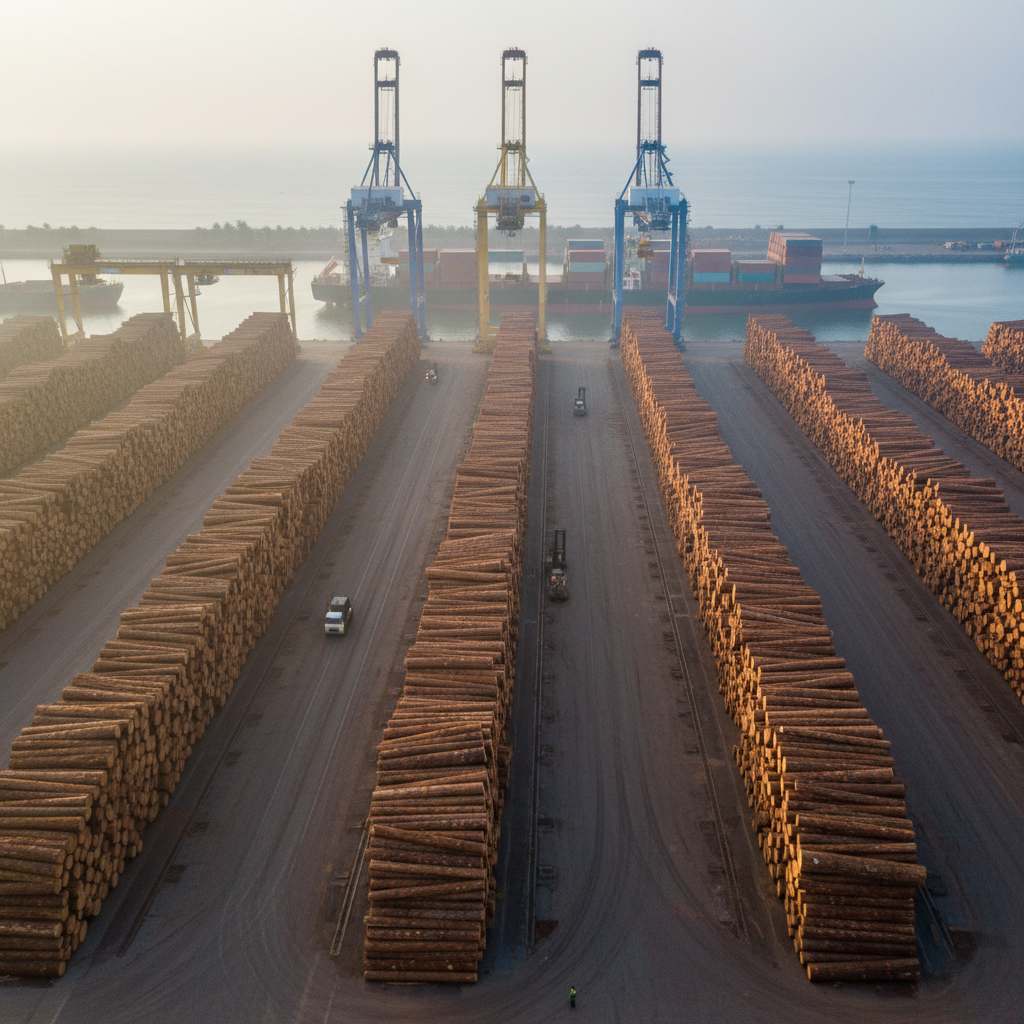
At YYW Timber, we specialize in exporting premium African hardwoods directly to global wholesalers and manufacturers. Our commitment to quality grading and legal compliance ensures your supply chain remains robust and reliable.
Ready to upgrade your material specifications? Contact our export specialists today.