For high-end joinery and exterior construction, material reliability is paramount. Consequently, product designers and timber importers frequently assess the Iroko dimensional stability before specifying it for large-scale projects. Known scientifically as Milicia excelsa, Iroko is often marketed as “African Teak” due to its impressive durability and stability profile. However, understanding the specific shrinkage rates and movement in service is critical for manufacturers.
This technical analysis delves into the physical properties that make Iroko a preferred choice for stable wood applications. Furthermore, we will examine the data regarding its tangential and radial shrinkage. By understanding these metrics, factory managers can minimize waste and ensure the longevity of the final product.
Understanding the Physics of Iroko
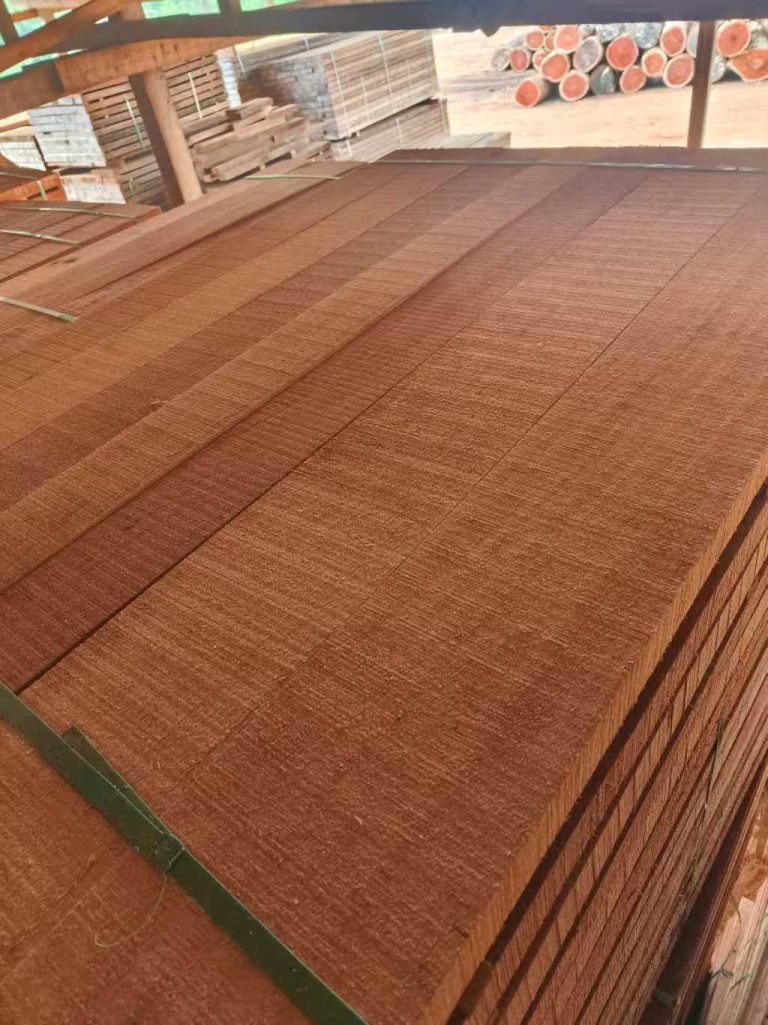
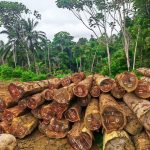
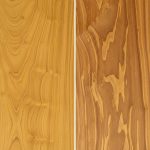
Iroko is a hardwood native to tropical Africa. It typically exhibits a golden-yellow to medium-brown color that darkens over time. While aesthetics are important, the structural integrity of the timber defines its value in the B2B market. Specifically, its density ranges from 640 to 660 kg/m³ at 12% moisture content. This density provides a solid foundation for its stability.
Wood is an anisotropic material, meaning its properties vary depending on the direction of the grain. Therefore, when moisture content changes, the wood expands or contracts differently across its three axes: longitudinal, radial, and tangential. For manufacturers, the differential between radial and tangential shrinkage is the most critical factor. Fortunately, Iroko demonstrates remarkable consistency in this regard.
Detailed Shrinkage Rates Analysis
To quantify Iroko dimensional stability, we must look at the standard shrinkage values from green to oven-dry moisture content. These values predict how the timber will behave during the kiln-drying process and subsequently in service.
The following table outlines the average shrinkage rates for Iroko compared to other common hardwoods used in similar applications.
| Wood Species | Radial Shrinkage (R) | Tangential Shrinkage (T) | Volumetric Shrinkage | T/R Ratio |
|---|---|---|---|---|
| Iroko (Milicia excelsa) | 2.8% | 3.8% | 8.8% | 1.36 |
| Teak (Tectona grandis) | 2.6% | 5.3% | 7.2% | 2.04 |
| White Oak (Quercus alba) | 5.6% | 10.5% | 16.3% | 1.88 |
| Sapele (Entandrophragma cylindricum) | 4.8% | 7.2% | 12.8% | 1.50 |
Data sources derived from industry standards including The Wood Database.
The Significance of the T/R Ratio
The T/R ratio is calculated by dividing the tangential shrinkage percentage by the radial shrinkage percentage. A ratio of 1.0 would indicate perfect isotropic shrinkage, meaning the wood shrinks evenly in both width and thickness. This scenario is theoretically ideal but biologically impossible.
However, Iroko achieves a T/R ratio of approximately 1.36. This is exceptionally low. In comparison, many domestic hardwoods have ratios closer to 2.0. Consequently, Iroko is far less prone to warping, cupping, or twisting when humidity levels fluctuate. This specific characteristic makes it a prime candidate for manufacturing flooring, window frames, and exterior doors.
Kiln Drying (KD) Behavior and Stability
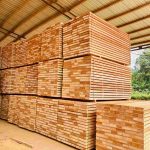
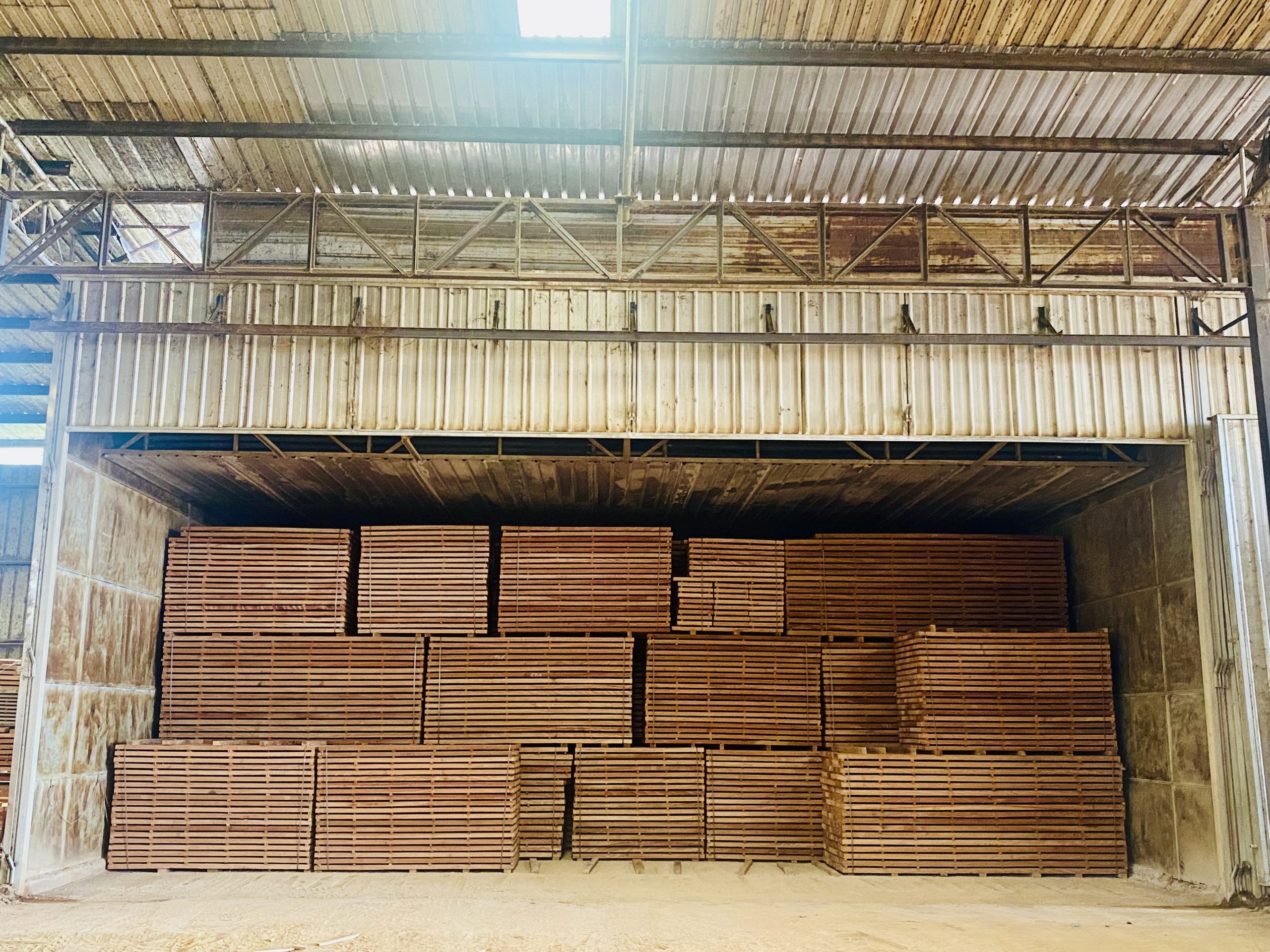
Achieving optimal Iroko dimensional stability begins with proper drying. At YYW Timber, we ensure that all export-grade lumber undergoes rigorous Kiln Drying (KD) protocols. Iroko generally dries well, but it requires careful scheduling to prevent surface checking.
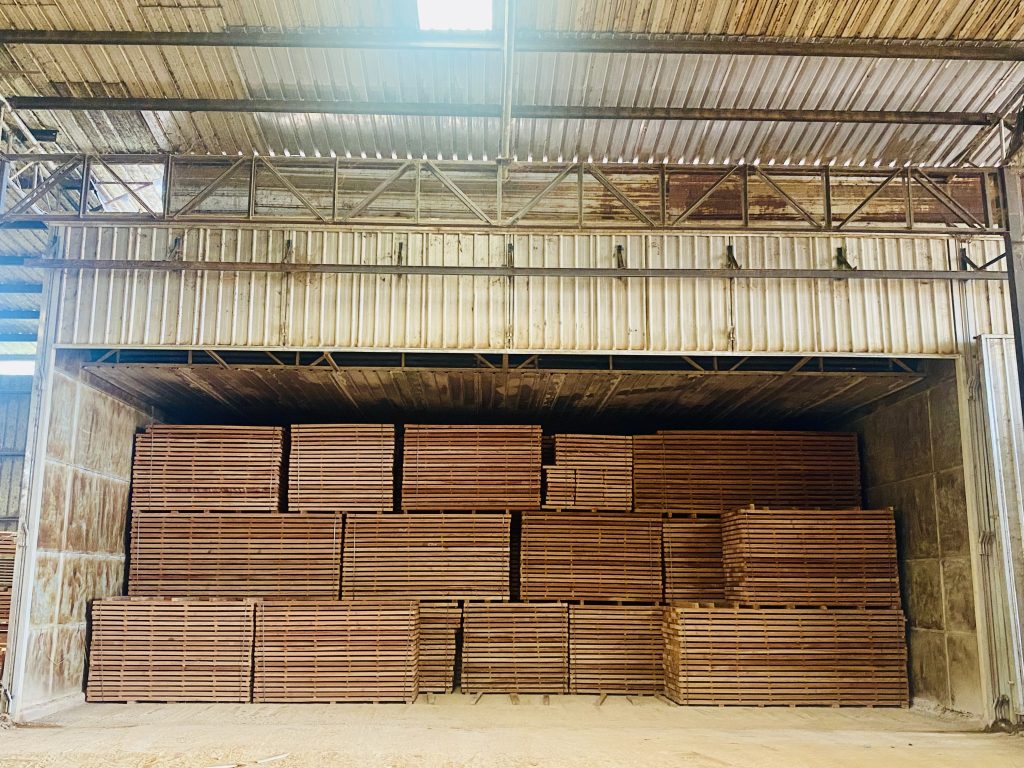
Because the initial moisture content can be high, rapid drying can induce tension. Nevertheless, once Iroko reaches an Equilibrium Moisture Content (EMC) of 12-14% for shipping, or 8-10% for interior joinery, it retains its shape aggressively. This “set” nature means that once the wood is machined, it stays true.
- Fast Drying Potential: It can be dried relatively quickly compared to denser species.
- Minimal Degradation: Low risk of internal honeycombing if schedules are respected.
- Oxidation: The timber darkens significantly during the drying process, aiding in color uniformity.
Movement in Service: Manufacturer Implications
For manufacturers of Iroko sawn timber products, movement in service is a primary concern. This refers to how the finished product reacts to seasonal changes in relative humidity. Due to its low coefficient of expansion, Iroko is classified as a wood with “Small Movement.”
Exterior Applications
In exterior cladding or decking, wood is exposed to rain, sun, and varying temperatures. High-movement woods will buckle or pull fasteners loose. Conversely, Iroko’s stability allows it to maintain tight joints even in harsh environments. Furthermore, its natural oil content acts as a barrier against moisture ingress, further stabilizing the fibers.
Interior Flooring and Joinery
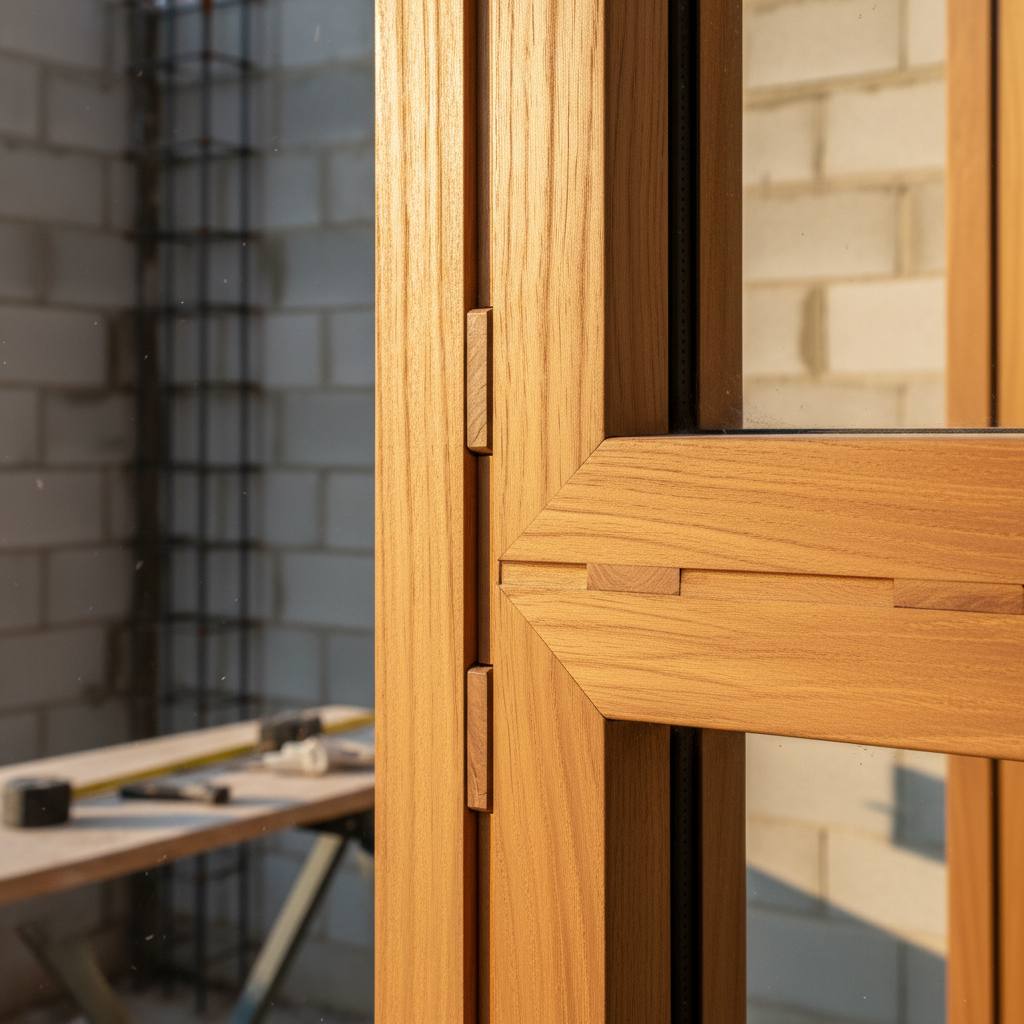
When used for parquet flooring, gaps appearing in winter (dry season) are a common complaint with lesser woods. Iroko’s low tangential shrinkage mitigates this issue substantially. Therefore, it is highly recommended for underfloor heating systems, provided the timber is kiln-dried to the appropriate specification (usually 8-10%).
Working Properties Related to Stability
Stability is not just about shrinkage; it also impacts machinability. Unstable woods often bind on saw blades due to internal tension releases. Iroko, being stable, cuts cleanly. However, manufacturers should be aware of interlocked grain which can cause tear-out if cutting angles are not optimized.
Additionally, the presence of calcium carbonate deposits (stone) can dull cutters. While this does not affect dimensional stability, it does affect production speed. Therefore, using carbide-tipped tools is mandatory when processing large volumes of Iroko.
Sourcing and Compliance
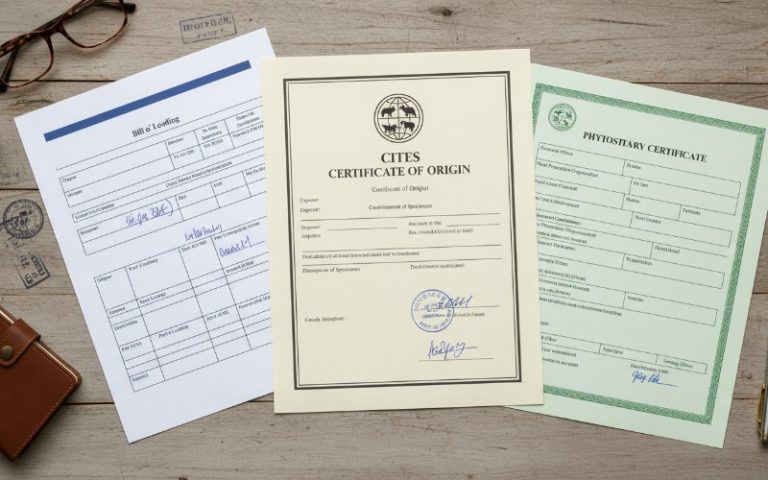
Ensuring the legality of the timber supply chain is as important as the physical quality. YYW Timber adheres to strict sourcing protocols. We verify that our Iroko stock is compliant with international regulations.
While Iroko is not currently listed in the CITES Appendices, responsible forestry management is crucial to ensure future availability. We work with concessions that follow sustainable yield principles. For manufacturers, this means a reliable, long-term supply of stable material is secured.
Conclusion
In summary, the Iroko dimensional stability is among the best of all commercially available African hardwoods. Its low T/R ratio, combined with moderate density and natural durability, makes it an ideal substitute for Teak in many applications. For factories producing high-tolerance components, Iroko offers a balance of cost-effectiveness and performance.
If your production line requires timber that holds its shape through varying climates, consider integrating Iroko into your inventory. Our team can assist with technical specifications and custom drying schedules to meet your exact manufacturing needs.