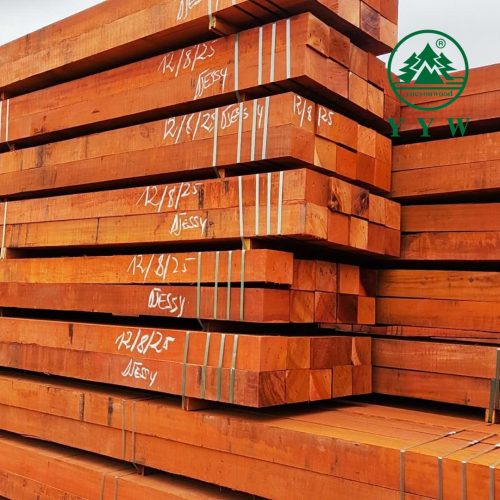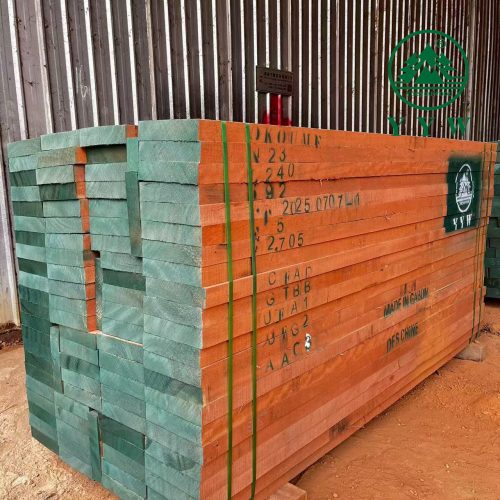
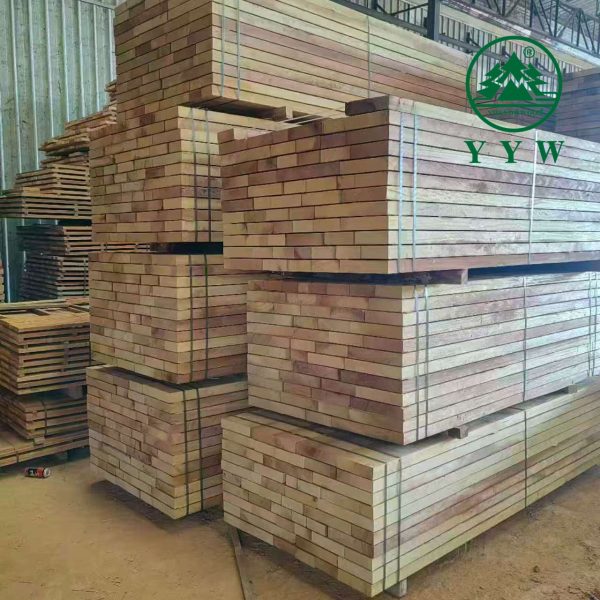
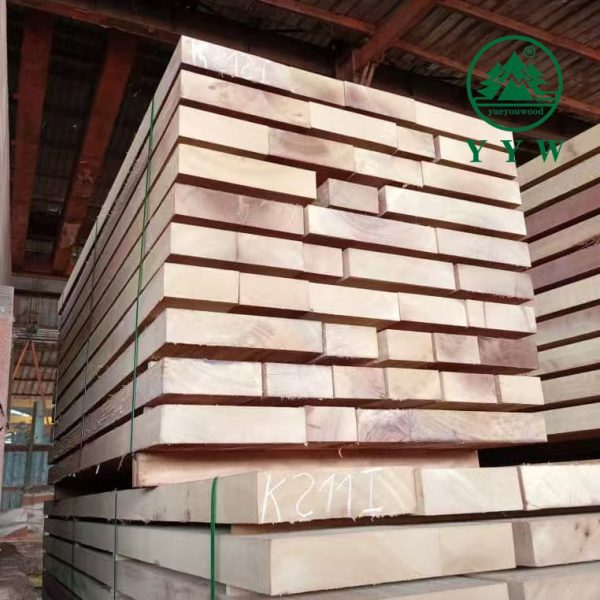
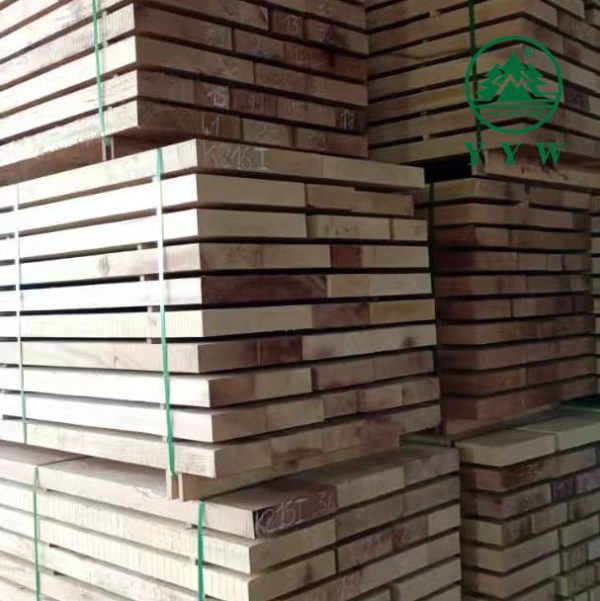
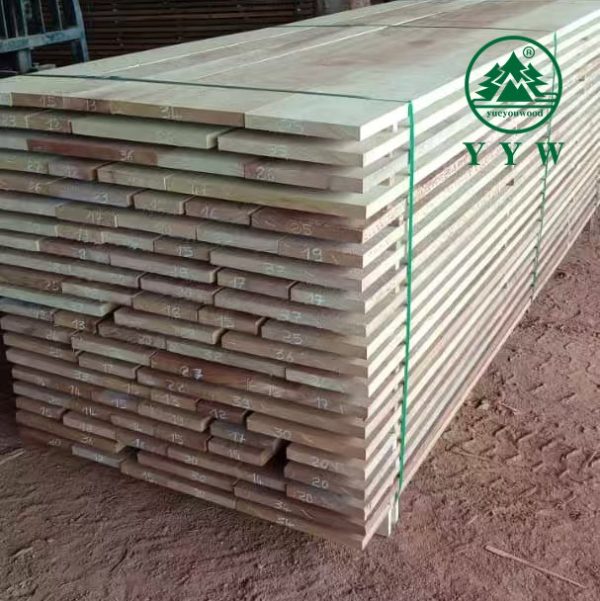
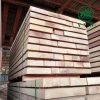
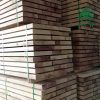
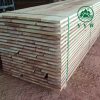
Maximize your project’s longevity with premium African Iroko Sawn Timber (Milicia excelsa). Widely celebrated for its African Iroko features as ‘African Teak’, this hardwood is the ultimate strategic substitute for genuine Teak in high-end exterior construction. As a leading supplier, we provide FAS-grade planks that are precision processed to meet international Iroko hardwood export grades and specifications. Whether you are architecting luxury decking or durable joinery, our Iroko sawn timber offers the perfect balance of oily texture, rot resistance, and cost-efficiency.
Gabon Iroko Overview:
Iroko, often referred to as Greenheart, is a highly durable hardwood native to the tropical forests of West Africa. Known for its rich golden-brown color and outstanding strength, Iroko is a popular choice for a variety of applications that require strength, beauty, and longevity. The wood’s natural resistance to decay and insects makes it an ideal choice for both indoor and outdoor applications.
Iroko Sawn Timber Physical Properties:
Density: 660 kg/m³
Color: The heartwood is golden to dark brown, darkening with age. The sapwood is pale yellow or white.
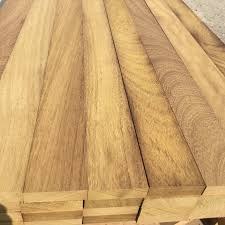
Durability: Highly durable, Iroko is naturally resistant to decay, fungi, and insect damage. This makes it ideal for both interior and exterior applications.
Hardness: High, making it suitable for heavy-duty use without compromising structural integrity.
430
1,260
1,360
2,410
*Data measured in lbf. Iroko sawn timber is prized for its high oil content and natural resistance to decay.
Professional Buyer’s Technical Guide:
To ensure you are getting the best ROI for your project, it is essential to understand the market dynamics of this species. For instance, when comparing long-term value, our analysis of Iroko vs. Teak cost and durability reveals why Iroko is the preferred choice for commercial developers. If your project involves heavy marine or hydraulic construction, you may also want to review the Azobe vs. Iroko hardwood comparison to determine the best fit for structural loads.
Quality control is paramount; we encourage our clients to learn how to verify FAS grade Iroko timber to avoid common sub-standard shipments. Furthermore, for outdoor windows and door frames, many manufacturers weigh their options between Sapele and Iroko—our guide on Sapele vs. Iroko for exterior joinery provides a detailed aesthetic and performance breakdown.
Iroko Timber Workability:
Iroko is fairly easy to work with, although it may pose some difficulty when machining due to its interlocked grain.
It can be easily sanded and finished, producing a smooth and polished surface.
Iroko responds well to screws, nails, and gluing, ensuring strong, reliable connections.
African Teak Lumber Applications:
Iroko is widely used for a variety of woodworking applications, including:
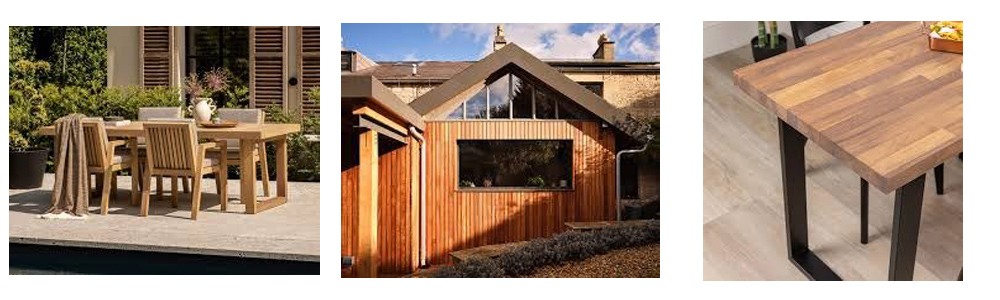
Furniture: Ideal for durable, high-quality furniture pieces such as chairs, tables, and cabinets.
Flooring: Due to its toughness and stability, Iroko is often used in high-traffic areas.
Decking and Cladding: Excellent for exterior applications, including decking, cladding, and outdoor furniture.
Marine Applications: Due to its natural resistance to water and decay, Iroko is often used in boatbuilding and marine construction.
Interior Trim: Perfect for moldings, paneling, and doors due to its fine grain and attractive finish.
Iroko Hardwood Sustainability:
Iroko is sourced responsibly from African forests, and its availability has been managed to prevent over-exploitation. However, it is important to ensure that Iroko is sourced from well-managed, certified forests to support sustainable harvesting practices.
Why Choose Iroko?
Natural Durability: Iroko is incredibly durable, making it ideal for both indoor and outdoor use.
Aesthetic Appeal: The warm, rich color and smooth grain give a luxurious finish to furniture and woodwork.
Eco-Friendly: By choosing Iroko that is responsibly harvested, you support sustainable forestry practices while enjoying a high-quality product.
Expert Machining & Maintenance Tips
-
Tooling Precision: Iroko may contain occasional “stone cells” (calcium carbonate deposits) within its fibers. We strongly recommend using carbide-tipped tools and maintaining a high cutting speed to prevent instant blunting of standard steel blades.
-
Surface Preparation: Due to its natural oily surface, you should wipe the mating surfaces with a solvent (such as acetone or methylated spirit) immediately before gluing or applying finishes. This ensures optimal adhesion and prevents the oils from interfering with the curing process.
-
Dust Safety: Like many exotic hardwoods, Iroko sawdust can be an irritant. Always ensure proper industrial ventilation and PPE (masks) are utilized during sawing and sanding operations.
-
Color Management: For large architectural projects, advise clients that color variation is normal during the first 4-8 weeks. Exposure to light will naturally harmonize the boards into a consistent golden-brown palette.
Sustainability and legal compliance are the cornerstones of our operations. We offer 100% legally sourced African sawn timber, ensuring our partners in Europe and America meet all regulatory requirements. Our diverse portfolio features sustainably harvested Sapele, alongside exotic hardwoods like Wenge, Padauk, and Beli. From the lightweight versatility of Okoume to the dense structural strength of Tali, Zebrano, and Bubinga, we guarantee transparency and excellence in the global timber trade.
1-1-500x500.jpg "Azobe-AD(ekki)1")