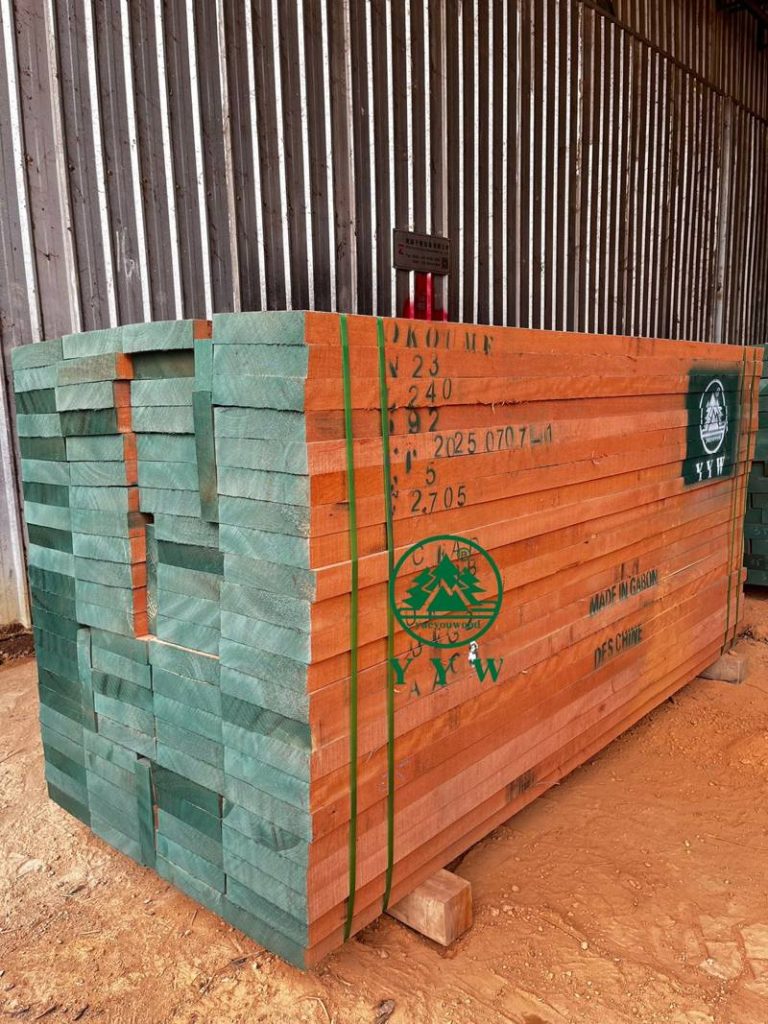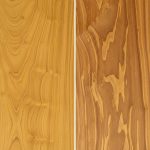
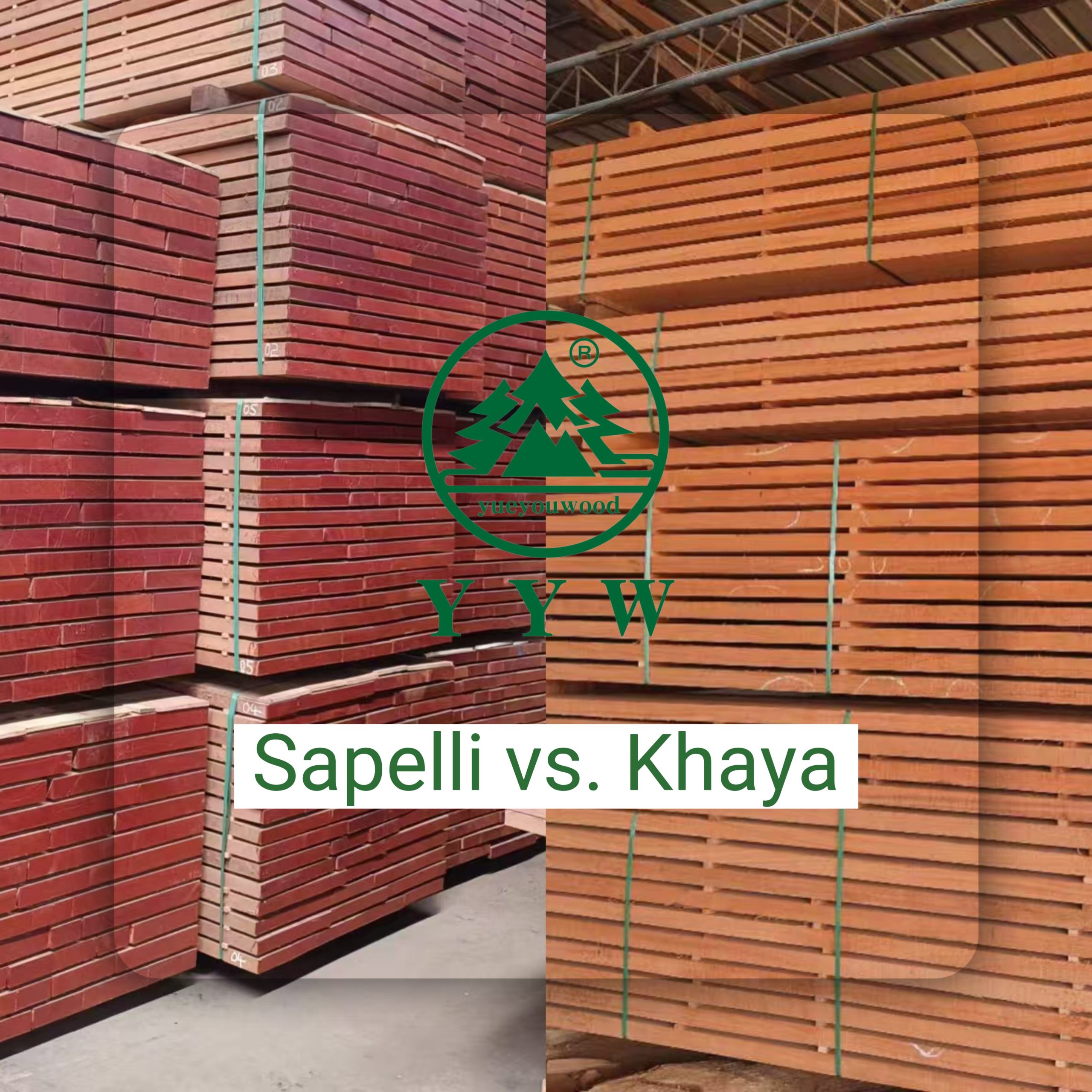
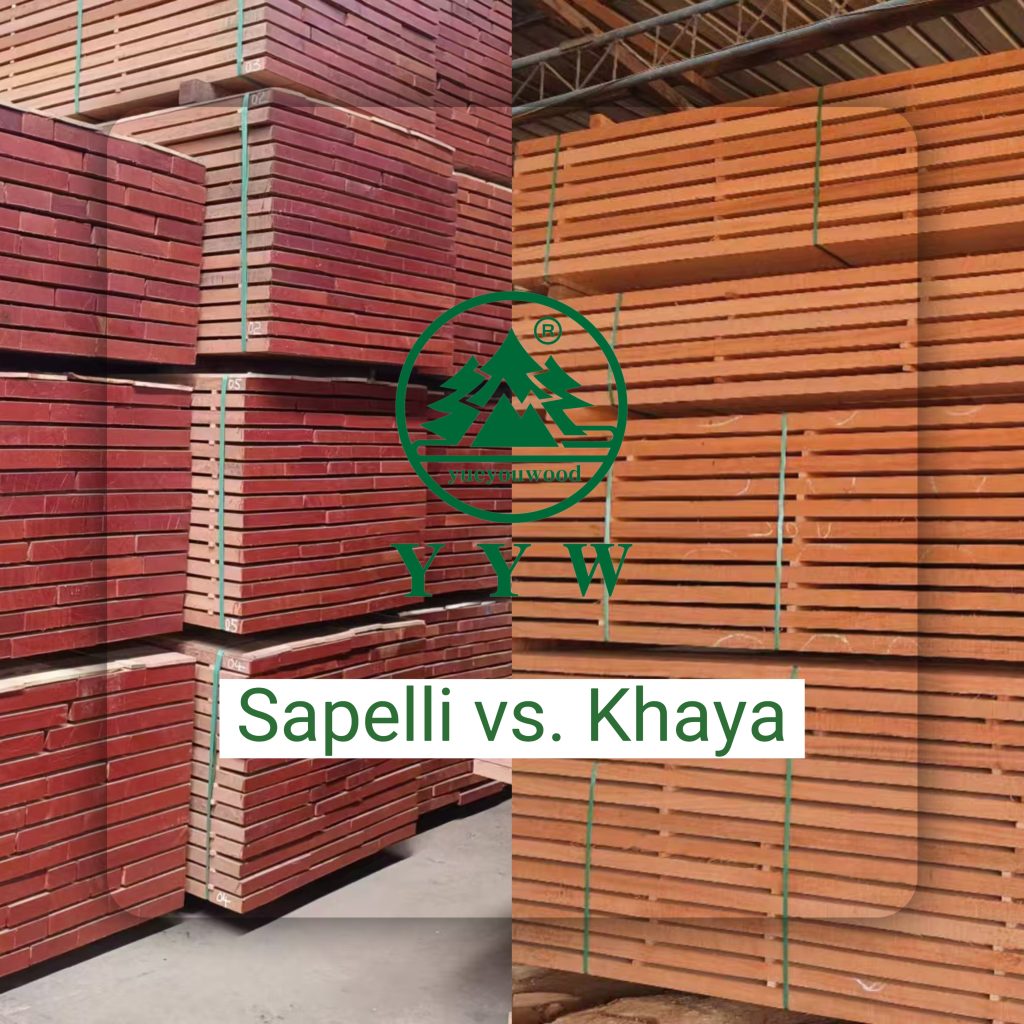
In the African hardwood market, Khaya and Sapelli are often compared due to their similar appearance and shared classification within the mahogany family. However, despite certain similarities, they differ in grain structure, visual impact, and common applications.
Khaya, botanically classified under the genus Khaya, is widely known as African Mahogany. Sapelli, scientifically identified as Entandrophragma cylindricum, is another premium African hardwood frequently used in architectural and furniture projects.
Understanding their differences helps buyers select the right material for specific project requirements.
Appearance and Grain Pattern
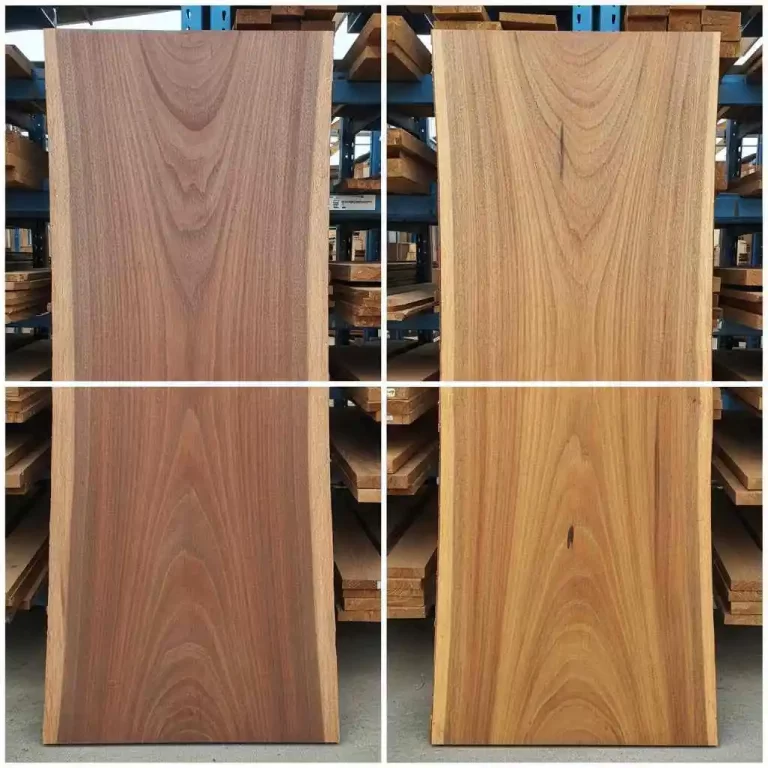
Khaya typically features a more uniform reddish-brown tone with a relatively straight or lightly interlocked grain. Its surface appearance is consistent and refined, making it suitable for classic furniture and interior joinery.
Sapelli, on the other hand, often displays a more pronounced ribbon stripe pattern when quarter sawn. The grain contrast can be stronger, giving it a more decorative and visually dynamic appearance.
In short:
Workability and Processing
Both species are widely appreciated for good machinability and finishing qualities. Khaya is generally slightly easier to process due to its more consistent grain.
Sapelli’s interlocked grain can require careful machining but rewards the effort with a striking ribbon effect in finished panels.
Proper kiln drying and moisture control are important for both to ensure dimensional stability before installation.
Typical Applications
Khaya is commonly used for:
- Interior doors and frames
- Cabinetry
- Furniture manufacturing
- Boat interiors
Sapelli is often selected for:
- Decorative wall panels
- High-end furniture
- Architectural millwork
- Veneer applications
Both species are suitable for premium interior woodworking, but Sapelli is more frequently chosen when strong visual impact is desired.
Choosing Between Khaya and Sapelli
The decision between Khaya and Sapelli typically depends on project priorities:
- For a smoother, classic mahogany look → Khaya
- For bold ribbon grain and decorative emphasis → Sapelli
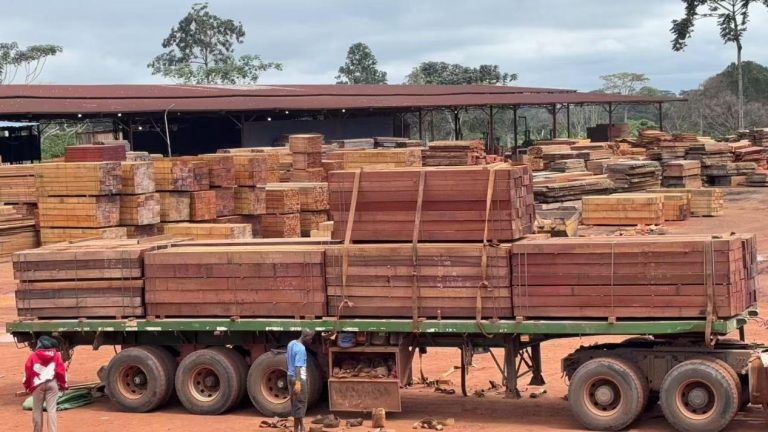
Both remain key species within the African hardwood supply chain and are widely exported to global markets.
At Hong Kong YueYou Wood, we coordinate sourcing and export logistics for both Khaya and Sapelli timber to support international buyers.