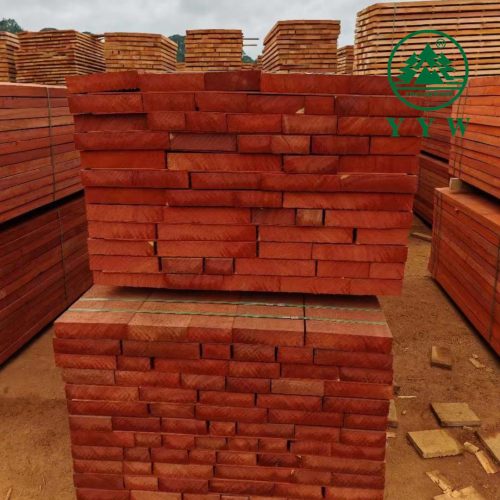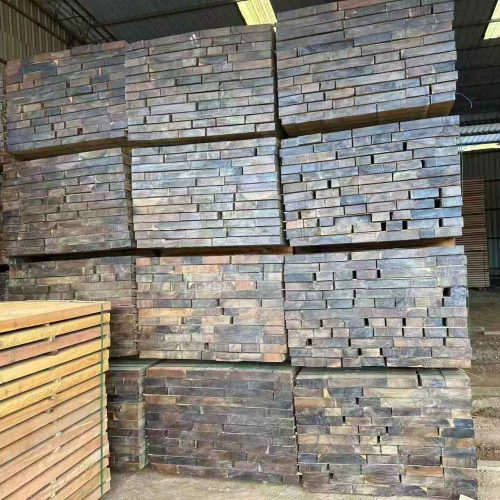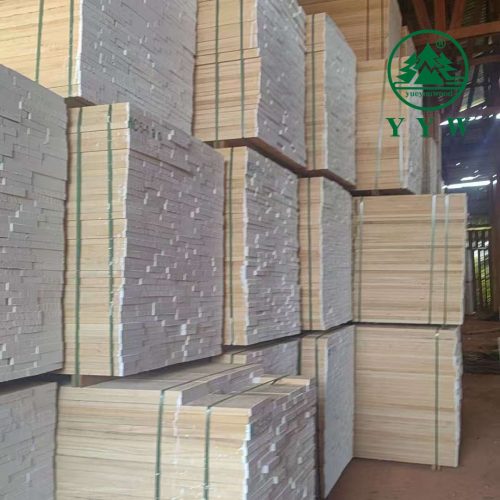
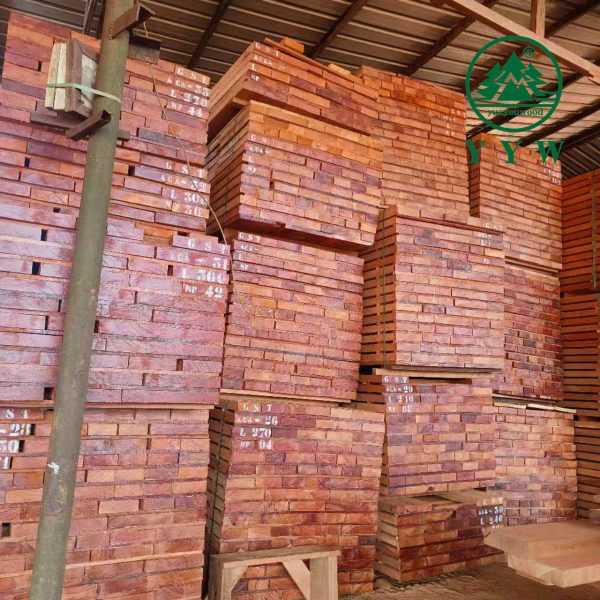
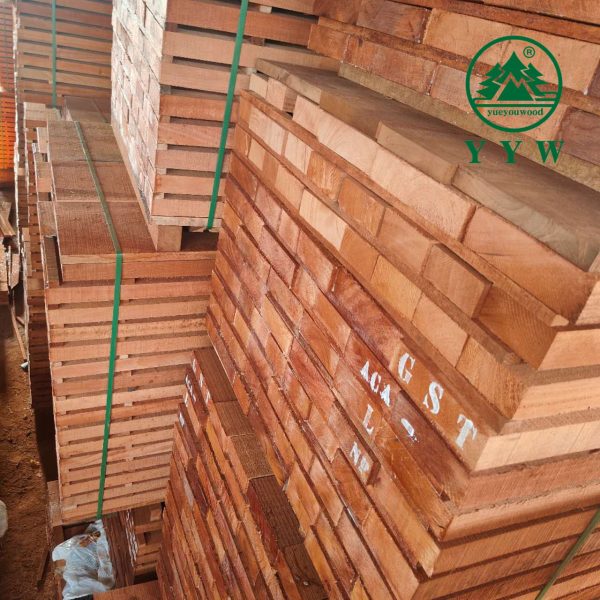
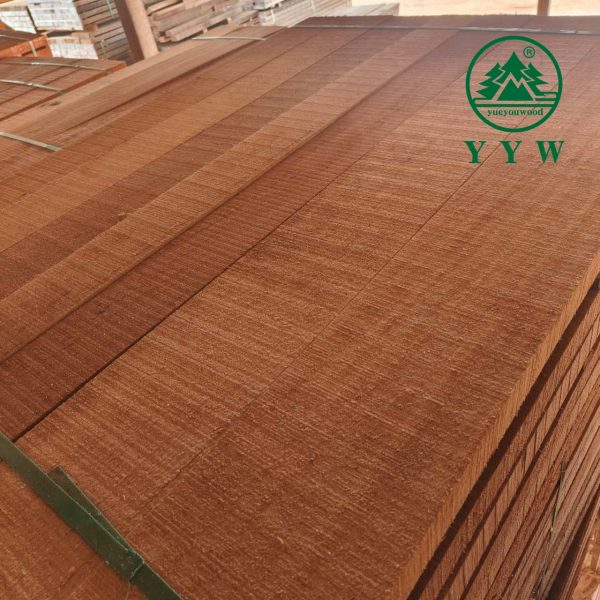
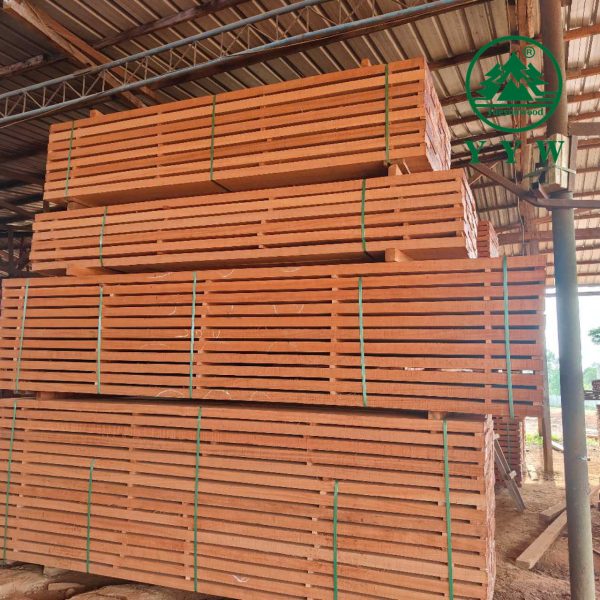
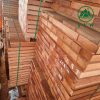
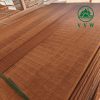
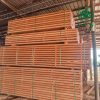
Elevate your furniture manufacturing and high-end joinery with premium Acajou African Mahogany (Khaya spp.) lumber. Known for its iconic reddish-brown hue and stunning ‘ribbon’ grain, Acajou remains the global benchmark for luxury cabinetry. As a specialized supplier, we offer FAS-grade planks that are meticulously kiln-dried to 8-12% MC. To understand why many importers choose this species over its relatives, explore our guide on African Mahogany timber features. Our Acajou lumber provides superior workability and aesthetic prestige for master craftsmen worldwide.
African Mahogany Lumber Overview:
African Mahogany (Acajou) is a premium hardwood known for its striking reddish-brown color and fine grain, making it an ideal choice for high-end furniture, cabinetry, and other woodworking projects. Native to Central and West Africa, this wood is prized for its exceptional strength, durability, and beautiful aesthetic. It is widely used as a substitute for Honduras Mahogany due to its similar appearance and workability.
African Mahogany Hardwood Physical Properties:
Density: Approximately 500-600 kg/m³
Janka Hardness: 850 lbf (3,800 N)
430
830
1,260
1,360
2,410
*All data measured in lbf. African Mahogany is prized for its lightweight strength and excellent finishing properties.
Color: Heartwood ranges from pale pink to reddish-brown, which darkens over time. The sapwood is lighter in color.
Durability: Moderately durable, with a natural resistance to decay, making it suitable for both interior and some exterior applications with proper treatment.
Grain: The grain is typically straight, though it can be interlocked or wavy, giving the wood a rich and visually appealing pattern.
Technical Sourcing Guide for Importers:
Selecting the right mahogany variant is critical for project success. Many of our wholesale clients frequently weigh the benefits of Khaya vs. Sapelli to determine which better suits their manufacturing climate and budget. For those requiring detailed performance data, we provide an African Mahogany Sapele technical guide covering everything from shrinkage rates to finishing compatibility.
If you are an architect or high-end furniture designer deciding on the best visual fit, our African mahogany vs. Sapele a complete guide offers a side-by-side aesthetic breakdown.
Acajou Wood Workability:
African Mahogany is known for its good machinability, allowing for smooth finishes, detailed carvings, and precise joinery. However, its interlocked grain may require extra attention during planing or sanding.
It takes stains, paints, and finishes exceptionally well, resulting in a smooth, polished look suitable for fine furniture and cabinetry.
Screwing and nailing are both effective, and the wood also has strong gluing properties, making it highly versatile in construction and design.
African Mahogany Timber Applications:
Furniture: Ideal for the production of high-end, custom-designed furniture such as tables, chairs, and cabinets.
Cabinetry: African Mahogany’s fine grain and durability make it a perfect choice for kitchen and bathroom cabinets, as well as bespoke woodwork.
Flooring: Due to its strength and beautiful appearance, it is used in high-traffic residential and commercial flooring applications.
Interior Trim: Moldings, paneling, doors, and other interior design elements benefit from its smooth surface and rich color.
Boatbuilding: Its resistance to decay and moisture makes African Mahogany a solid option for marine applications.
African Khaya Mahogany Sustainability:
Conservation Status: African Mahogany is not listed as endangered, but it is crucial to ensure that it is sourced responsibly from sustainable forests. CITES (Convention on International Trade in Endangered Species) certification is required for international trade of this wood.
Why Choose African Mahogany?
Aesthetic Appeal: The rich, reddish-brown color and straight grain pattern make African Mahogany an ideal wood for high-quality woodcraft.
Durability: This wood offers good natural resistance to wear and decay, making it suitable for both indoor and outdoor applications when properly treated.
Workability: Easy to work with using both hand and power tools, making it a favorite among woodworkers.
Sustainability: When sourced responsibly, African Mahogany supports sustainable forestry practices and helps protect the ecosystem.
Expert Craftsmanship & Finishing Tips for Acajou
-
Dealing with Interlocked Grain: To prevent “tear-out” during planing of its characteristic ribbon grain, ensure your blades are exceptionally sharp and consider a slightly reduced feed rate.
-
Surface Preparation: African Mahogany has relatively large pores. For a mirror-like high-gloss finish, we recommend using a grain filler before applying topcoats. This will highlight the wood’s natural chatoyancy (shimmer).
-
Sanding Strategy: Always sand in the direction of the grain. Because it is softer than species like Bubinga, use a light touch with fine-grit sandpaper to avoid creating “dips” in the surface.
-
Adhesive Compatibility: Acajou glues exceptionally well with standard PVA and urea-formaldehyde resins, making it highly efficient for large-scale furniture production lines.
1-scaled-2-500x500.jpg "Dibetou(Bibolo)1-scaled")