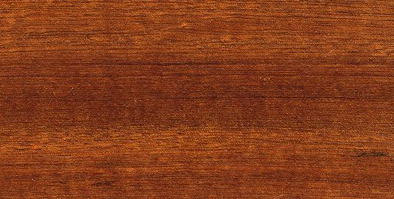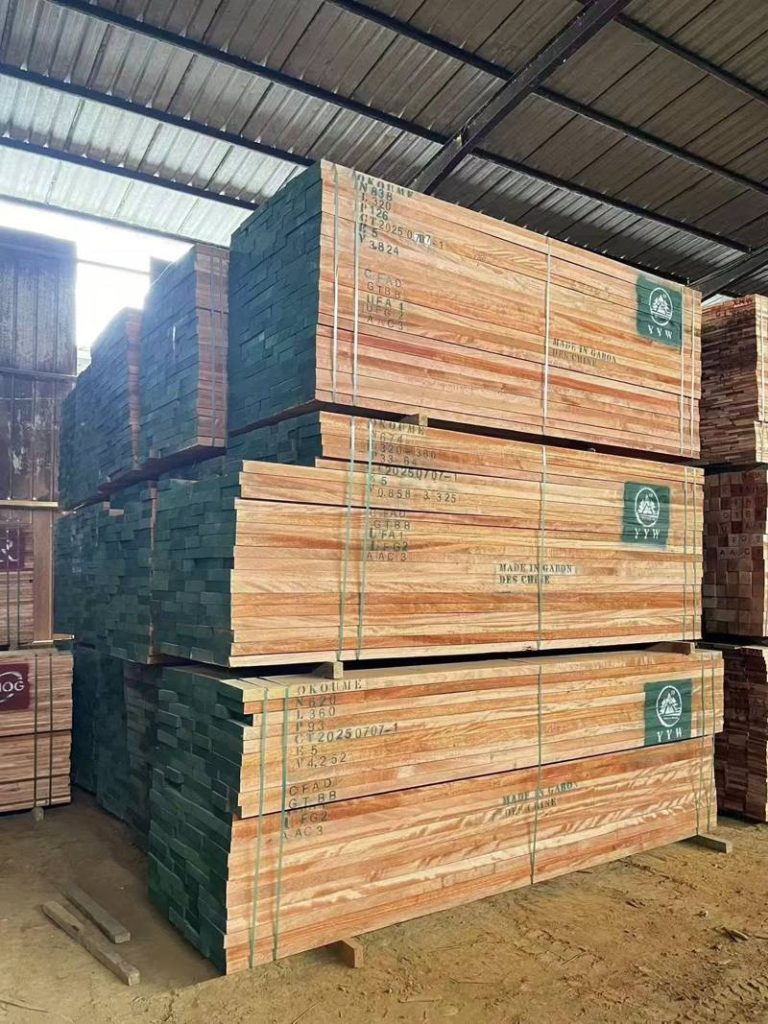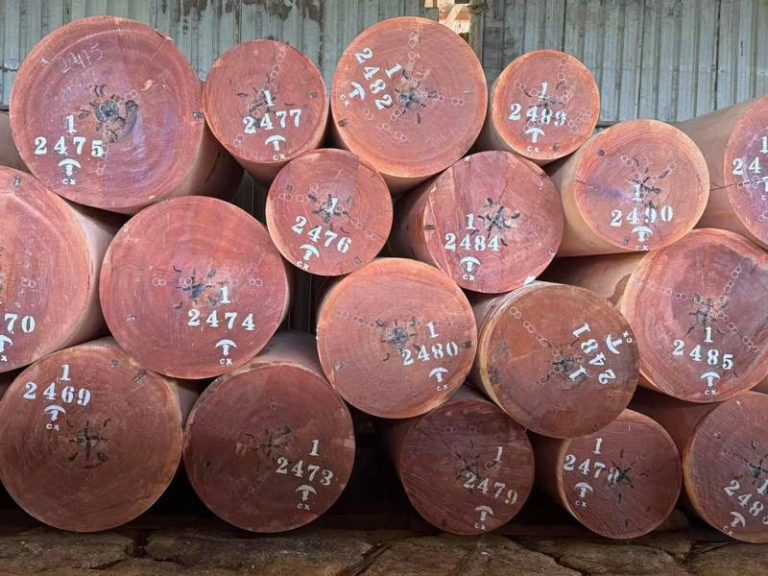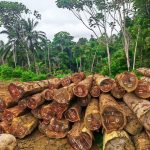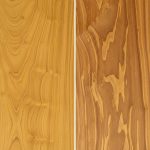
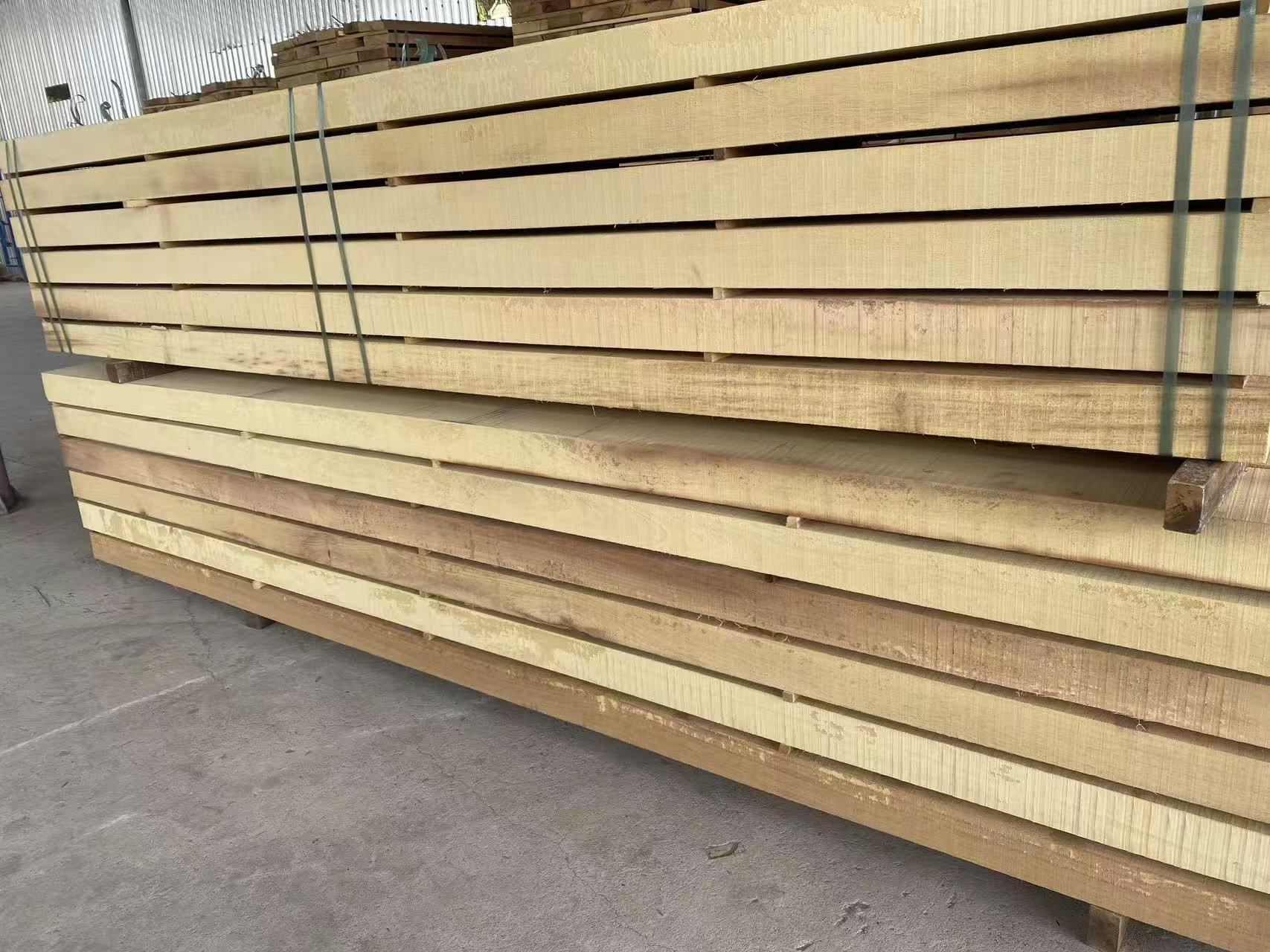
Iroko (Milicia excelsa) is widely recognized as one of the most commercially important African hardwoods on the global market. Often referred to as “African Teak,” it offers exceptional durability, stability, and resistance to decay. Consequently, it is a preferred material for exterior joinery, boat building, and high-end decking. However, for manufacturers and timber processors, machining Iroko hardwood presents a distinct set of challenges.
The primary hurdle in processing this species is its tendency to blunt cutting edges rapidly. This abrasive nature leads to frequent downtime for tool sharpening and increased operational costs. Therefore, understanding the technical properties of the wood is crucial for maximizing efficiency. Furthermore, adopting the correct tooling strategies can significantly preserve your equipment and improve surface finish.
In this guide, we provide actionable solutions for industrial importers and factories to optimize their production lines when working with this premium African timber.
Understanding the Causes of Tool Wear
To solve the problem, we must first identify the root cause. Although Iroko is moderately dense, density alone does not account for the severe blunting effect on cutter heads and saw blades. Instead, the issue lies within the chemical and mineral composition of the tree itself.
Calcium Carbonate Deposits
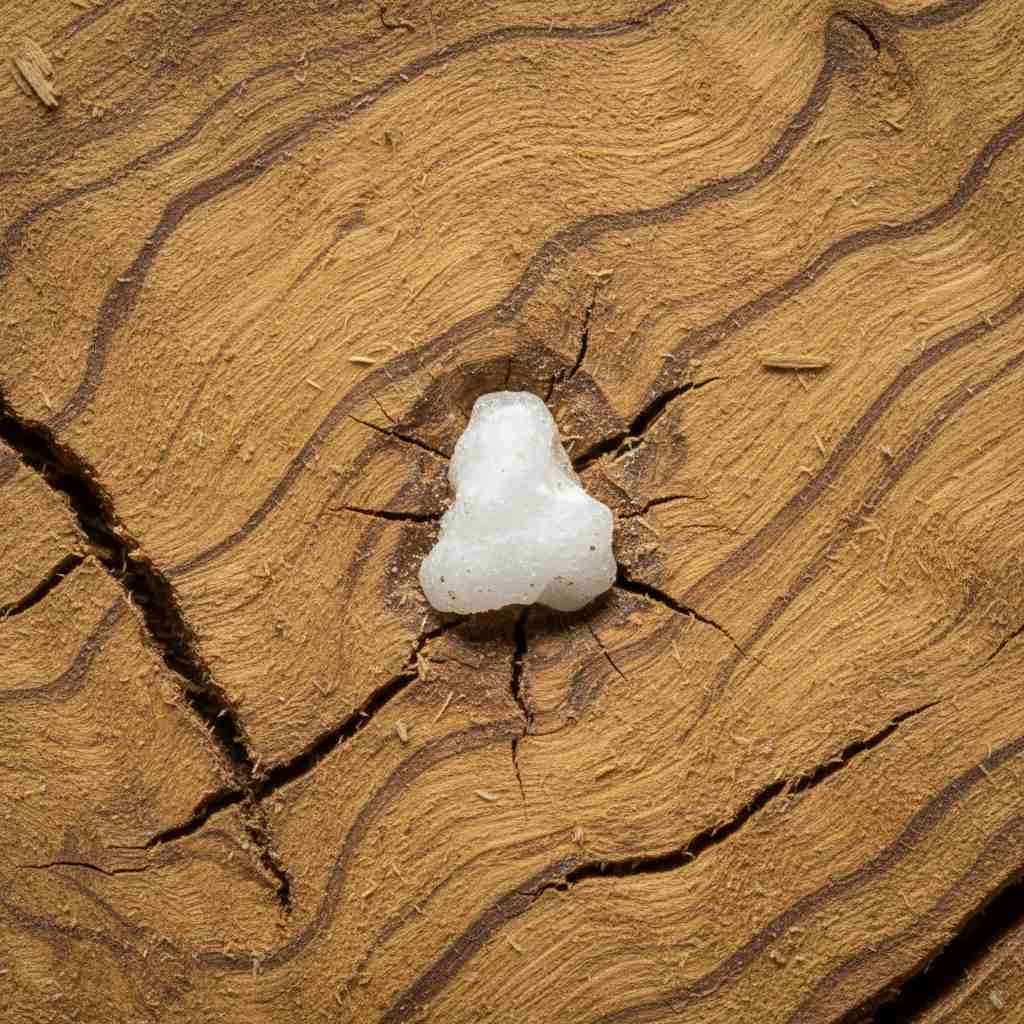
The most notorious characteristic of Iroko is the presence of large calcium carbonate deposits, often called “stones” or concretions. These hard mineral pockets form within the trunk as a response to injury or natural growth processes. When a high-speed saw blade strikes one of these deposits, the impact can instantly dull or even chip standard steel teeth. Consequently, operators must be vigilant when inspecting raw material.
Interlocked Grain
In addition to mineral deposits, Iroko features an interlocked grain structure. While this contributes to the wood’s structural strength, it complicates the planing and molding process. Machining against the grain often results in tear-out. As a result, processors often increase feed pressure or change angles, which can accelerate heat buildup and tool degradation.
Tooling Recommendations for Machining Iroko Hardwood
Standard High-Speed Steel (HSS) tools are generally unsuitable for industrial runs of Iroko. The cost savings on HSS blades are quickly lost due to frequent resharpening requirements. Therefore, upgrading your tooling inventory is the first step toward efficiency.
Carbide and Stellite Solutions
For sawing operations, Tungsten Carbide Tipped (TCT) blades are the minimum requirement. However, for optimal longevity, Stellite-tipped saw blades are superior. Stellite is a cobalt-chromium alloy that retains its hardness at high temperatures. Since machining Iroko hardwood generates significant friction and heat, Stellite tips resist wear far better than standard carbide.
Furthermore, for planing and molding, verify that your cutter heads utilize solid carbide inserts. Disposable carbide knives allow for quick changes if a mineral deposit causes a nick, reducing machine downtime significantly.
Optimizing Cutting Angles
Adjusting the cutting angle is critical to managing the interlocked grain. Standard cutting angles of 20 to 25 degrees may cause severe tear-out on the quarter-sawn face. Experts recommend reducing the cutting angle to approximately 15 degrees. This lower angle provides a scraping action rather than a lifting action, which produces a smoother finish despite the grain direction.
Operational Best Practices
Beyond tooling, operational adjustments can mitigate blunting issues. Implementing these protocols in your factory will extend the life of your equipment.
- Moderate Feed Rates: Do not force the timber through the machine too quickly. However, feeding it too slowly causes the cutters to rub rather than cut, leading to burning. Find a consistent, moderate pace.
- Pre-Surfacing Inspection: If working with rough sawn timber, visually inspect the boards for visible mineral streaks. If possible, use metal detectors which can sometimes identify dense mineral pockets, though this is difficult with non-metallic stones.
- Dust Extraction: Iroko dust is known to be an irritant. Furthermore, fine dust can accumulate on machine gears and sensors. Ensure your extraction system is powerful enough to remove heavy, moist chips effectively.
Comparative Analysis: Iroko vs. Genuine Teak
Many importers switch to Iroko as a cost-effective alternative to Burmese Teak. While they share similar aesthetic and durability properties, their machinability differs. The table below outlines key processing differences to help you plan your production.
| Property | Iroko (Milicia excelsa) | Teak (Tectona grandis) |
|---|---|---|
| Silica Content | Low (Contains Calcium Carbonate) | High (Up to 1.4%) |
| Blunting Effect | Severe (Due to large deposits) | Severe (Due to distributed silica) |
| Recommended Tooling | Stellite / Tungsten Carbide | Tungsten Carbide / PCD (Diamond) |
| Grain Structure | Interlocked | Straight to Wavy |
| Dust Toxicity | Sensitizer (Mask Required) | Sensitizer (Mask Required) |
As illustrated, while both woods blunt tools, the mechanism differs. Teak dulls edges via overall abrasion from silica, whereas Iroko risks catastrophic edge failure from specific mineral stones. For more technical data on wood properties, resources like The Wood Database provide excellent specifications.
Sourcing Quality Timber to Minimize Waste
The quality of the raw material you import directly impacts machining efficiency. Lower-grade logs or sawn timber are more likely to contain reaction wood and excessive mineral deposits. Therefore, sourcing from a reputable exporter is paramount.
The Role of Proper Grading
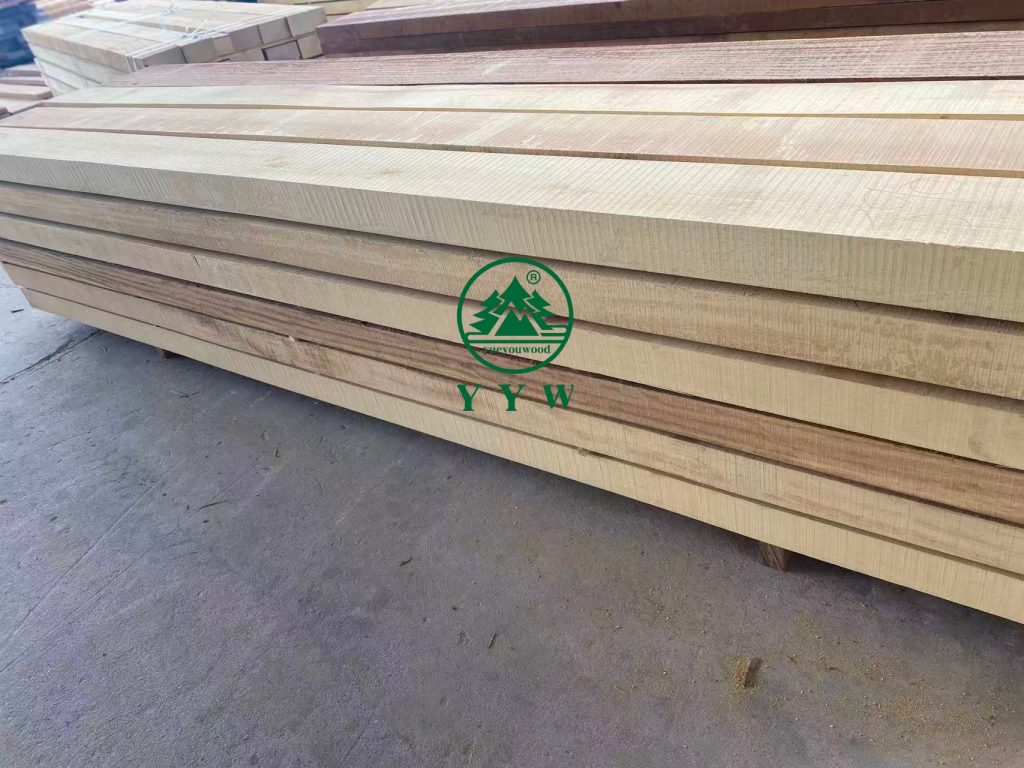
At YYW Timber, we adhere to strict grading rules, such as those defined by the ATIBT (International Tropical Timber Technical Association). By selecting FAS (First and Seconds) grade material, you significantly reduce the likelihood of encountering large, visible defects. While hidden deposits can still occur, premium grading filters out the worst offenders before the wood enters your shipping container.
Additionally, proper Kiln Drying (KD) is essential. Green Iroko is more gummy and difficult to process. Properly dried timber (12-14% moisture content) machines more cleanly, although it becomes harder. Consequently, our Iroko Sawn Timber is carefully dried to balance stability with workability.
Safety Considerations for Factory Workers
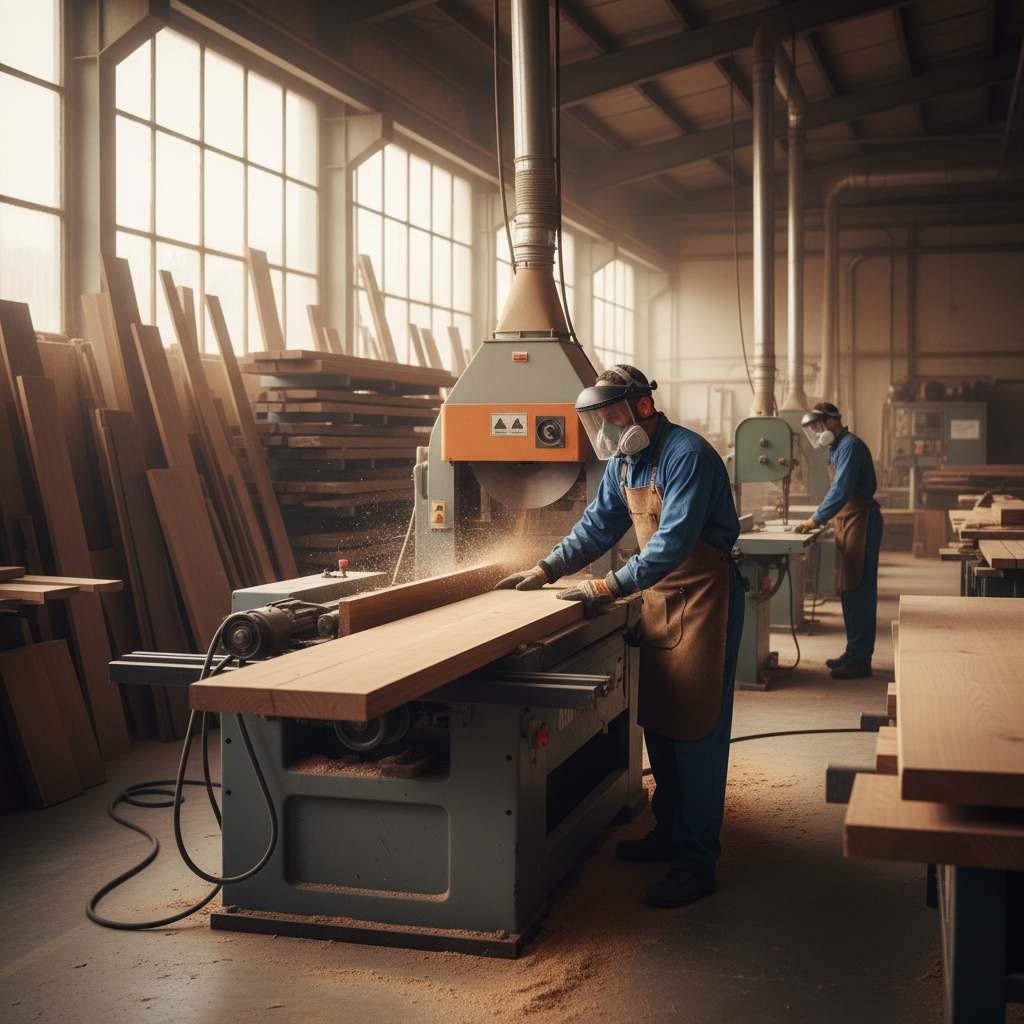
When machining Iroko hardwood, worker safety is as important as tool maintenance. The dust generated can cause dermatitis and respiratory issues in some individuals. Therefore, factories must implement strict hygiene protocols.
- Respiratory Protection: Workers should wear FFP2 or FFP3 masks.
- Ventilation: Local exhaust ventilation (LEV) should be positioned directly at the cutter head.
- Protective Clothing: Long sleeves prevent skin contact with the dust, reducing allergic reactions.
Conclusion
Machining Iroko hardwood requires a strategic approach that differs from processing domestic softwoods or milder hardwoods. By investing in Stellite or carbide tooling, adjusting cutting angles for interlocked grain, and sourcing high-grade material, B2B importers can turn this challenging timber into a profitable venture.
At YYW Timber, we understand the nuances of African hardwoods. We supply high-quality, legally compliant Iroko logs and sawn timber tailored to global manufacturing standards. If you are looking for a reliable partner to supply your factory with premium African Hardwoods, contact us today.