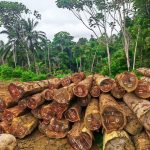
In the global timber market, Movingui timber has gradually become a familiar name among furniture manufacturers and interior wood users.
Sourced from Central and West Africa, Movingui (Distemonanthus benthamianus) is valued for its balanced physical properties, light natural color, and reliable processing performance.
Rather than being a specialty wood for limited use, Movingui wood is often selected as a practical material for consistent production and interior applications.
Natural Appearance and Wood Structure
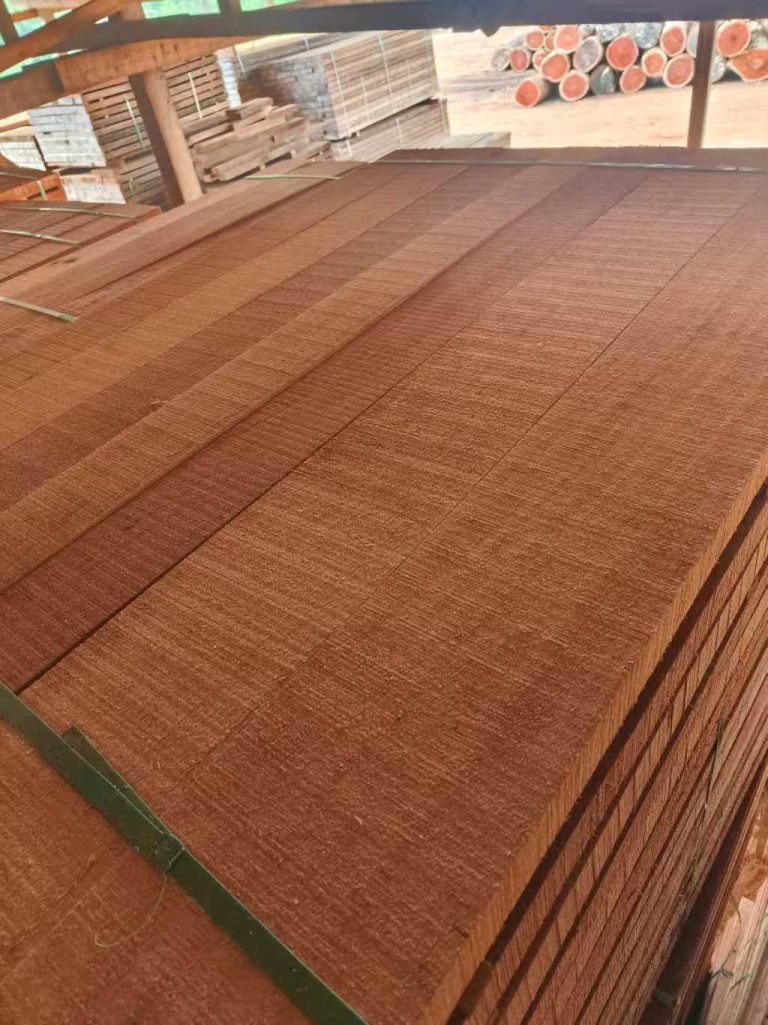
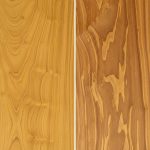
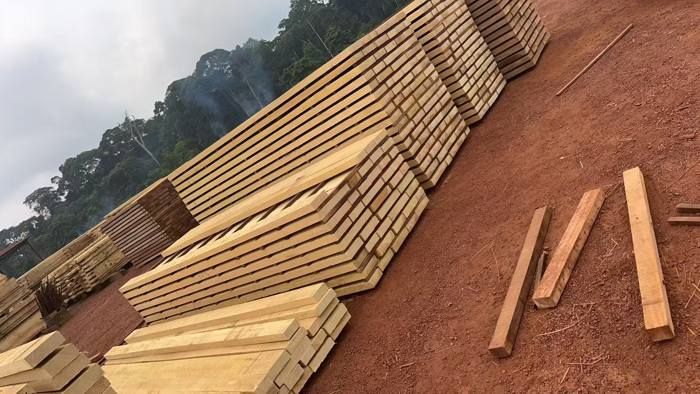
Movingui timber typically shows a light yellow to pale golden color, offering a clean and neutral visual effect.
The grain is usually straight to slightly interlocked, with a fine to medium texture that produces a smooth surface after planing.
This natural appearance makes Movingui suitable for projects where a bright and uniform wood tone is preferred.
Technical Characteristics of Movingui Wood
From a processing perspective, Movingui wood is considered a medium-density African hardwood, making it easier to handle compared to heavier species.
Key characteristics include:
- Good dimensional stability after proper drying
- Easy machining with standard woodworking tools
- Smooth finishing performance
- Compatibility with stains, coatings, and varnishes
These features allow manufacturers to achieve stable output with reduced processing difficulty.
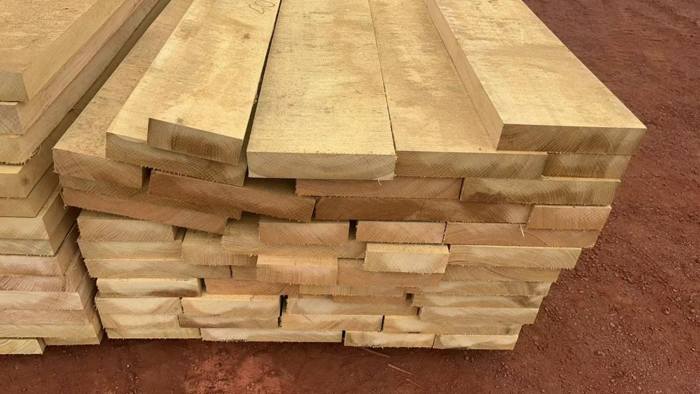
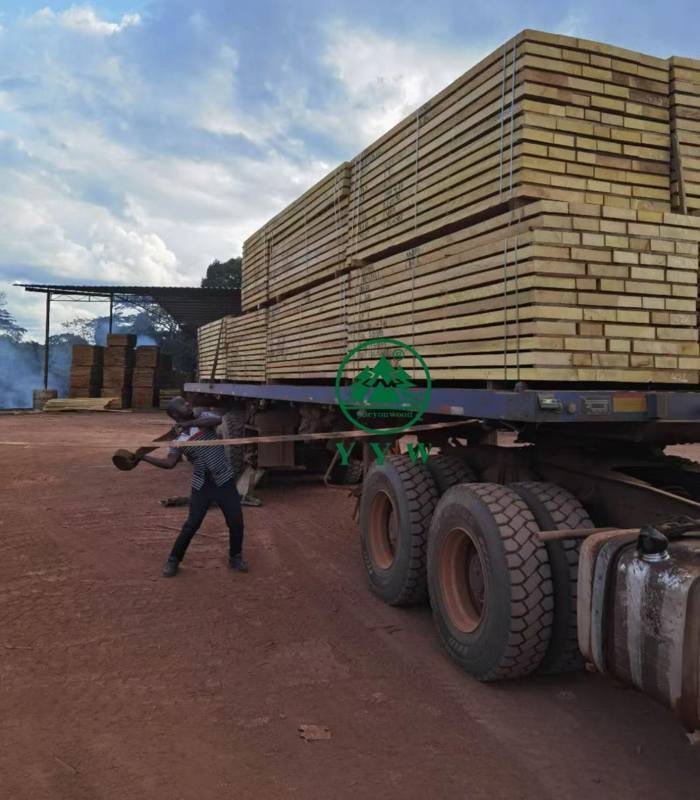
Movingui Timber Boards – Natural Condition
The board condition typically reflects even thickness and consistent structure, which is essential for furniture factories and interior wood producers who rely on repeatable quality.
Common Applications of Movingui Timber
Thanks to its balanced performance, Movingui timber is widely used in:
- Furniture frames and components
- Cabinet structures and panels
- Interior joinery and decorative woodwork
- Doors, shelving, and solid wood elements
- Veneer and engineered wood products
Its neutral color allows easy integration into modern, minimalist, and classic interior designs.
Origin and Sourcing of Movingui Timber
Movingui timber is mainly harvested in African regions such as:
- Cameroon
- Gabon
- Republic of Congo
- Côte d’Ivoire
As with all African hardwoods, proper selection, drying, and grading play a critical role in final performance.
Professional handling throughout the supply chain ensures consistent material quality for end users.
Processing and Handling of Movingui Timber
This video provides insight into how Movingui timber is stacked and handled, helping buyers better understand material condition and preparation standards.
Why Movingui Timber Remains a Practical Choice
Movingui wood continues to be favored because it offers:
- A balance between cost and usability
- Stable quality for interior applications
- Wide adaptability across different product categories
For manufacturers seeking an African hardwood that is reliable, workable, and visually clean, Movingui remains a sensible option.
African Hardwood Knowledge from Yueyou Wood
Hong Kong Yueyou Wood focuses on African timber sourcing and industry knowledge sharing.
With long-term experience in African hardwoods such as Movingui, Okoume, Sapelli, Padouk, and Iroko, we aim to support buyers with accurate information and professional insights.
Contact Us
For more information about African hardwood species or Movingui timber specifications, please contact us:
Email: Gemma@yueyouwood.com
WhatsApp/Tel: +86 18933092596
Website: www.yywtimber.com