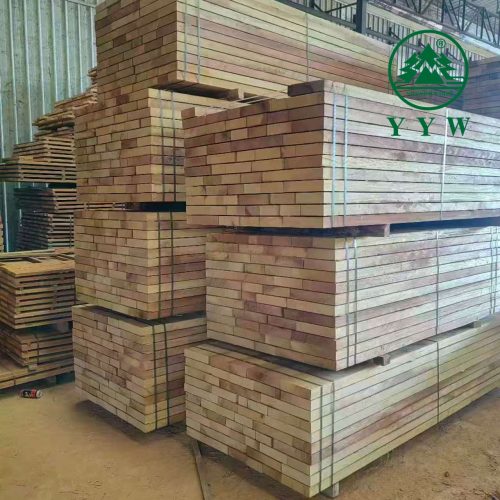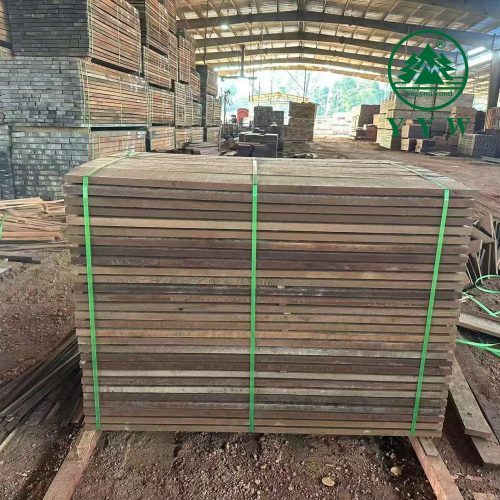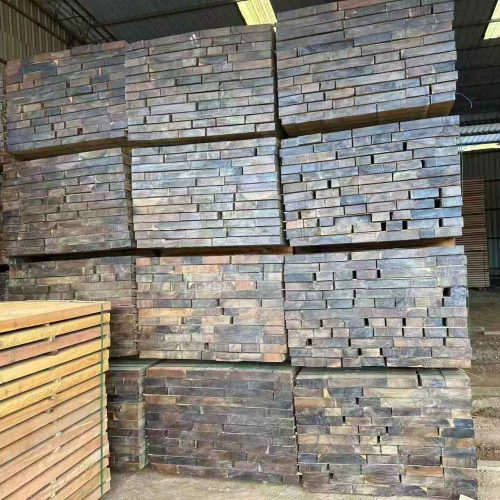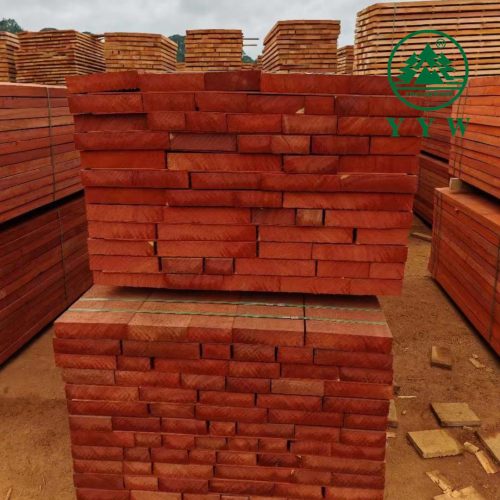
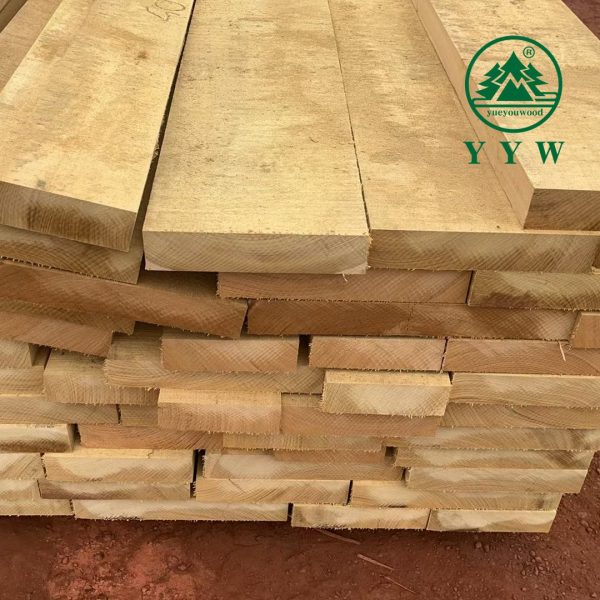
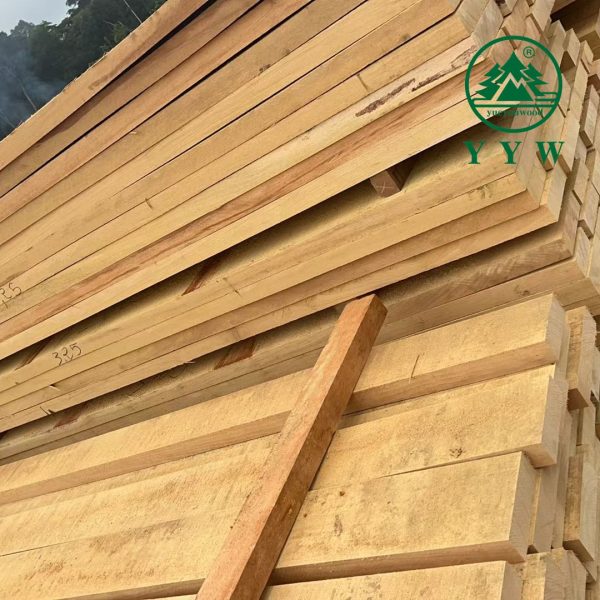
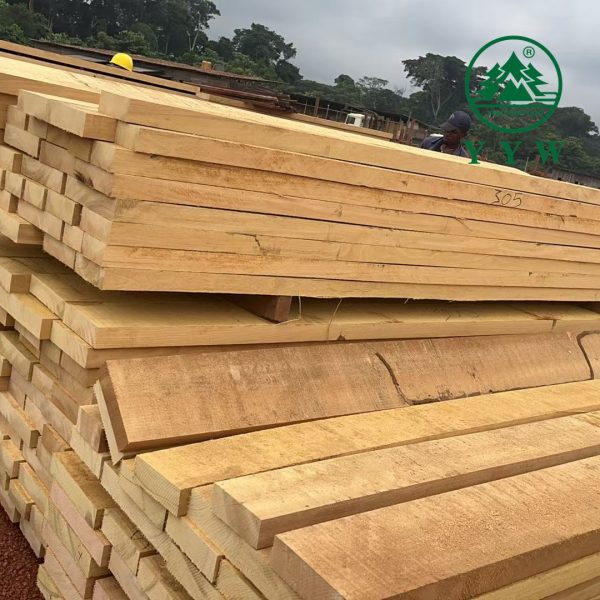
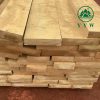
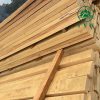
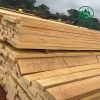
Secure the radiant brilliance and decorative versatility of Movingui Nigerian Satinwood (Distemonanthus benthamianus) for your next high-end manufacturing contract. Distinguished by its luminous golden hue and frequent moiré figure, Movingui has evolved into a strategic staple for premium cabinetry and architectural veneers. As a primary supplier of West African hardwoods, we provide FAS-grade sawn timber that is precision kiln-dried to 8-12% MC. To better understand the shifting market demand and the strategic role of Movingui timber in today’s wood industry, global wholesalers are increasingly adopting this species as a high-performance alternative to genuine Satinwood and Citron.
Movingui Wood Overview:
Movingui is a tropical hardwood valued for its striking appearance and high durability. The wood is recognized for its fine grain and light yellow to golden-brown color with occasional darker streaks. Movingui is commonly used in various interior and exterior applications, as it offers both aesthetic appeal and long-lasting strength.
Movingui Timber Physical Properties:
Density: 720 – 750 kg/m³
Janka Hardness: 1,380 lbf (6,137 N)
430
1,260
1,360
*All data measured in lbf. Movingui’s moderate hardness makes it exceptionally workable for fine furniture and veneers.
Color: Light yellow to golden brown with dark streaks; the sapwood is typically pale.
Durability: Moderately durable, with good resistance to decay and insect attacks. It performs well in outdoor applications when treated properly.
Grain: Generally straight, with a fine texture. It may have a slight interlocking grain, making it less prone to warping and shrinking.
🛠️ Expert Craftsmanship & Machining Tips for Movingui
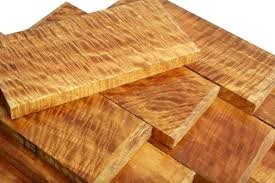
Tooling Precision: Because Movingui can have interlocked or wavy grain (especially in highly figured ‘Moiré’ stock), use a reduced cutting angle (15° to 20°) on planers to minimize surface chipping.
Silica Management: The silica content in Movingui is abrasive. For large production runs, carbide-tipped tools are mandatory to ensure clean cuts and reduce the frequency of blade sharpening.
Sanding for Luster: Movingui responds exceptionally well to fine sanding. Progressing up to 220-grit will accentuate its natural “satiny” shimmer before the application of clear oils or lacquers.
Gluing Strategy: Movingui has excellent gluing properties and is fully compatible with standard PVA and urea-formaldehyde resins. However, ensure the wood is clean of dust before assembly to maintain bond integrity.
Nigerian Satinwood Applications:
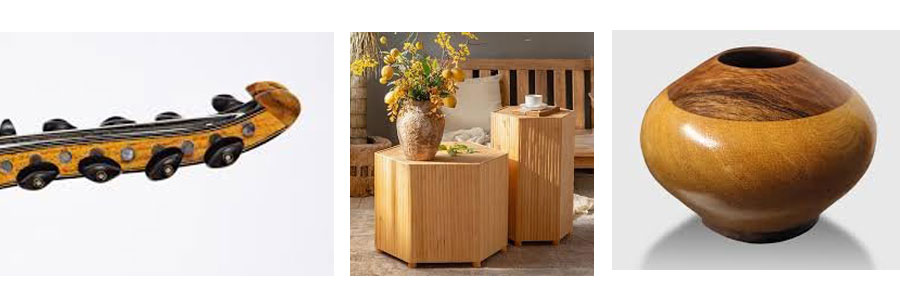
Furniture: Ideal for high-quality furniture pieces, such as tables, chairs, and cabinets, where both strength and aesthetic appeal are important.
Flooring: Suitable for flooring in both residential and commercial spaces, especially in high-traffic areas.
Millwork: Excellent for molding, trim, doors, and window frames, where uniformity and a fine finish are required.
Decking: Performs well for decking and outdoor furniture when treated to withstand environmental exposure.
Veneer: Often sliced into veneers for decorative interior applications, offering a smooth, elegant finish.
Sustainability:
Conservation Status: Not listed in CITES, but sustainable sourcing is important to ensure long-term availability.
Environmental Considerations: Always ensure that Movingui is sourced from responsibly managed forests to support environmental conservation.
Why Choose Movingui Wood?
Durability: Its moderate durability and resistance to decay and insects make it a reliable choice for long-term applications.
Aesthetic Appeal: The fine grain and golden-brown color with darker streaks make it an attractive option for both furniture and flooring.
Versatility: From fine furniture to outdoor decking, Movingui provides versatility for a wide range of uses, ensuring quality and durability in various applications.