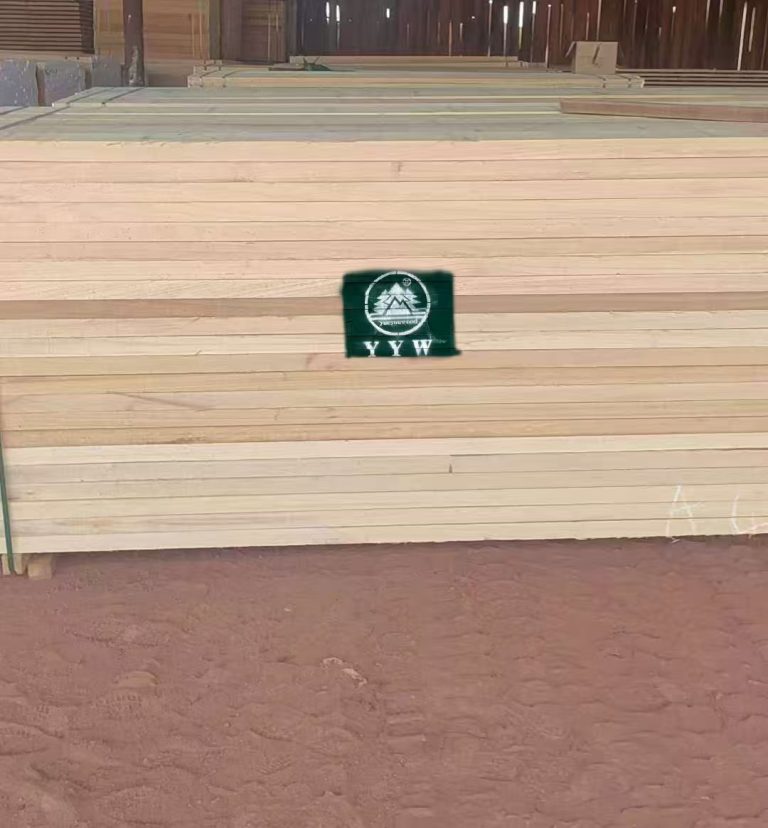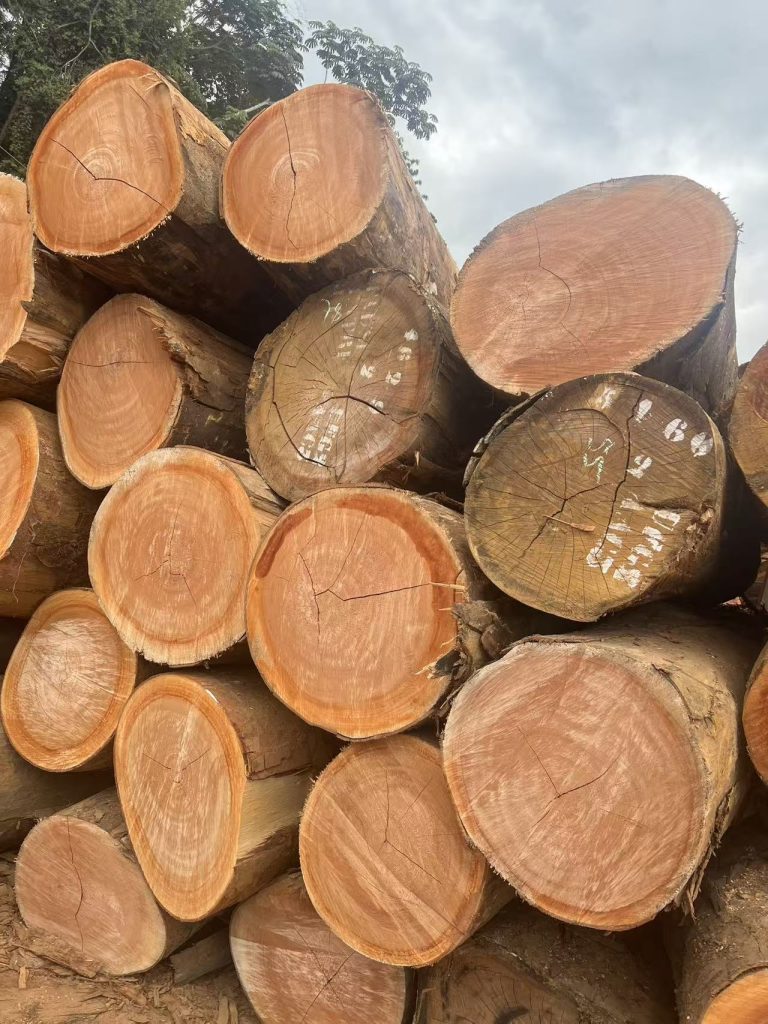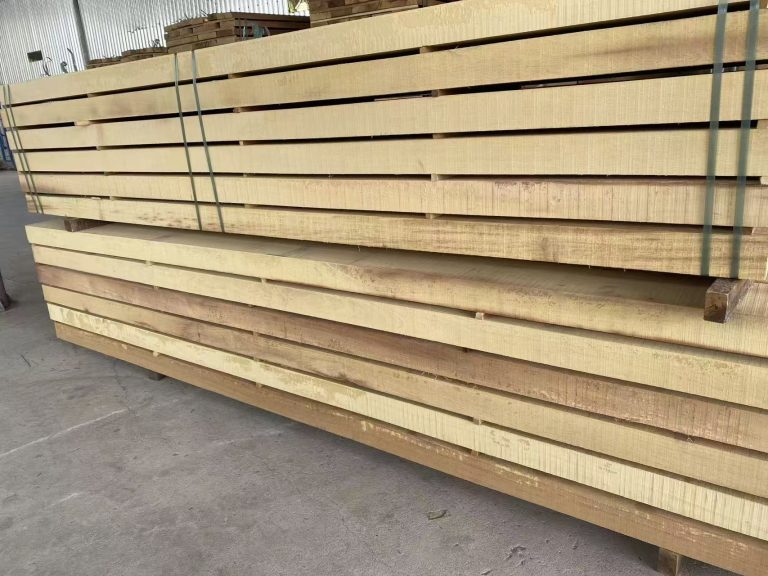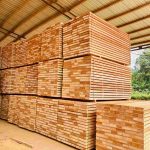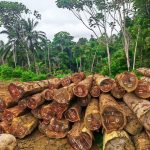
Iroko (Chlorophora excelsa and Chlorophora regia) remains one of the most sought-after African hardwoods in the global market. Often referred to as “African Teak,” its durability and aesthetic appeal make it a staple for high-end joinery, decking, and flooring. However, sourcing this timber requires strict vigilance. For international importers and Quality Control (QC) managers, the ability to verify FAS grade Iroko timber quality at the source is critical to profitability.
Importing hardwood from West and Central Africa involves complex logistics. Consequently, receiving a container of sub-standard wood can result in significant financial losses. Therefore, understanding the nuances of the grading systems, specific defects inherent to Iroko, and the correct inspection protocols is mandatory. This guide outlines the professional steps required to ensure your shipment meets the highest international standards.
Understanding FAS Grading Standards for African Hardwoods
The term “FAS” (First and Seconds) originates from the National Hardwood Lumber Association (NHLA) rules, primarily used in North America. However, the African timber trade often adapts these rules or uses the ATIBT (International Technical Association of Tropical Timber) standards. When you aim to verify FAS grade Iroko, you are essentially looking for the highest quality yield.
FAS grade timber must provide long, clear cuttings. Specifically, the board must yield at least 83.3% (10/12ths) clear wood on the poorest face. For Iroko, this means the wood should be largely free of sapwood, knots, and structural defects. Furthermore, the dimensions must be accurate to allow for surfacing on all sides without losing the grade.
Key Characteristics of Quality Iroko
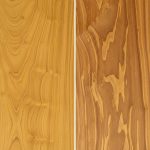
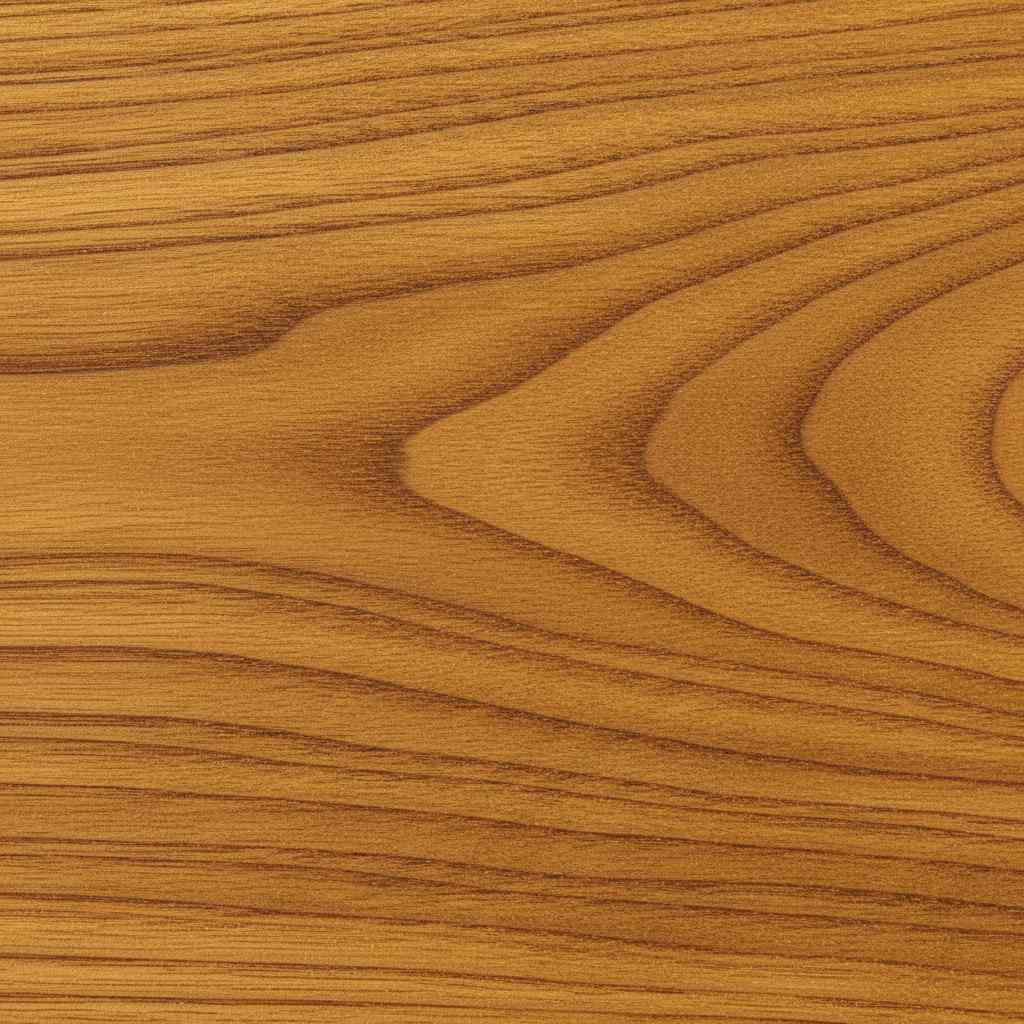
Before initiating a physical inspection, QC managers must understand the species’ biological traits. Iroko is known for its interlocked grain and coarse texture. Additionally, freshly cut Iroko is yellow but darkens to a rich golden-brown upon exposure to light. This process, known as photo-oxidation, is natural and should not be mistaken for a defect.
However, color variation can be significant. While some variation is acceptable, extreme contrasts might indicate mixed species or sapwood inclusion. Therefore, consistency in the heartwood color is a primary indicator of quality selection during the milling process.
Visual Inspection: Defects to Identify
To successfully verify FAS grade Iroko, you must identify specific defects that lower the timber’s value. Unlike other hardwoods, Iroko has unique geological interactions. Below are the critical defects to watch for during inspection:
1. Stone Cells (Calcium Carbonate)
One of the most problematic features of Iroko is the presence of “stones.” These are hard calcium carbonate deposits found within the wood fiber. Unfortunately, these deposits can severely damage saw blades and machining tools. During inspection, look for whitish streaks or unusually hard spots on the board surface. If undetectable visually, random spot checks with a metal detector or planing a sample can reveal them.
2. Sapwood Inclusion
In FAS grade lumber, sapwood is restricted. For Iroko, the sapwood is clearly defined and pale yellow, contrasting sharply with the heartwood. Ideally, one face of the board should be virtually free of sapwood. Conversely, excessive sapwood increases the risk of insect attack, particularly from Lyctus beetles.
3. Mechanical and Drying Defects
Check for end-splits, checks, and warping. Iroko generally dries well, but improper Kiln Drying (KD) schedules can cause internal stresses. Inspect the ends of the boards carefully. Are there anti-splitting plates (gang nails) or wax sealant applied? This is a sign of good handling practices.
Moisture Content Verification
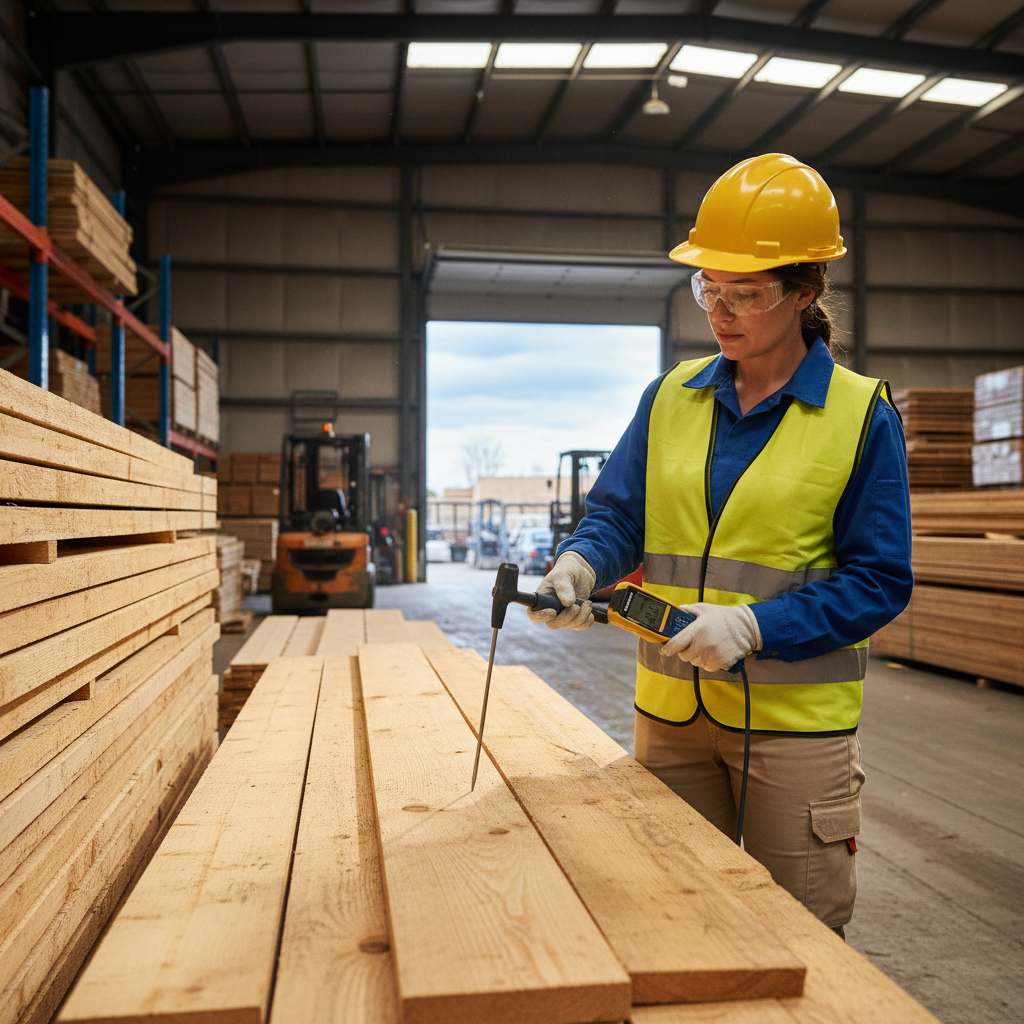
Moisture content (MC) is perhaps the most critical technical specification. For export-grade Iroko, the industry standard for Kiln Dried (KD) timber is typically between 12% and 14%, though 8-10% may be required for specific European markets.
- Tools Required: Use a professional-grade electronic moisture meter with hammer probes. Pinless meters may not read deep enough for thick lumber.
- Testing Method: Insert probes into the center of the board, not just the ends. The ends dry faster and will give false low readings.
- Gradient Check: Verify the difference between shell (surface) and core moisture. A high gradient indicates the wood is not stable and may warp later.
If you are purchasing Air Dried (AD) timber, ensure the “Shipping Dry” status is actually achieved (usually around 18-20%) to prevent mold during transit.
Dimensional Tolerances and Tallying
When you verify FAS grade Iroko, volume calculation is key to the commercial invoice. Sawn timber should be cut with an over-measure to allow for shrinkage. For example, a 50mm nominal thickness should measure at least 52mm or 53mm immediately after sawing.
Furthermore, ensure the length specifications meet your order. FAS grade generally requires longer lengths (often 2.4 meters and up) and wider widths (150mm and up). Short and narrow boards usually fall into lower grades like “Selects” or “No. 1 Common.”
| Feature | FAS Grade (First & Seconds) | No. 1 Common Grade |
|---|---|---|
| Clear Cutting Yield | 83.3% (10/12ths) minimum | 66.6% (8/12ths) minimum |
| Minimum Board Size | Width: 6″+ | Length: 8’+ | Width: 3″+ | Length: 4’+ |
| Sapwood | Minimal allowed on one face | Unlimited if sound |
| Knots | None in clear cuttings | Allowed in cuttings (limited size) |
| Wane | Strictly limited on edges | Allowed within limits |
Legal Compliance and Documentation
Physical quality is useless without legal compliance. The African timber trade is heavily regulated to prevent illegal logging. While Iroko is not currently listed on CITES Appendices, it is vital to verify the Chain of Custody.
Ensure your supplier provides a Certificate of Origin and, where applicable, FSC documentation. For more information on legal timber trade regulations, refer to the International Technical Association of Tropical Timber (ATIBT). Compliance guarantees smooth customs clearance at the destination port.
Additionally, always request a phytosanitary certificate. This document proves the wood has been treated against pests, which is mandatory for entry into the EU, USA, and Asian markets. You can read more about our specific Iroko Sawn Timber specifications to see how we handle these requirements.
The Final Step: Pre-Shipment Inspection
We recommend conducting a final pre-shipment inspection (PSI). This can be done by your own QC team or a third-party surveyor. The inspection should cover a statistically significant percentage of the bundles.
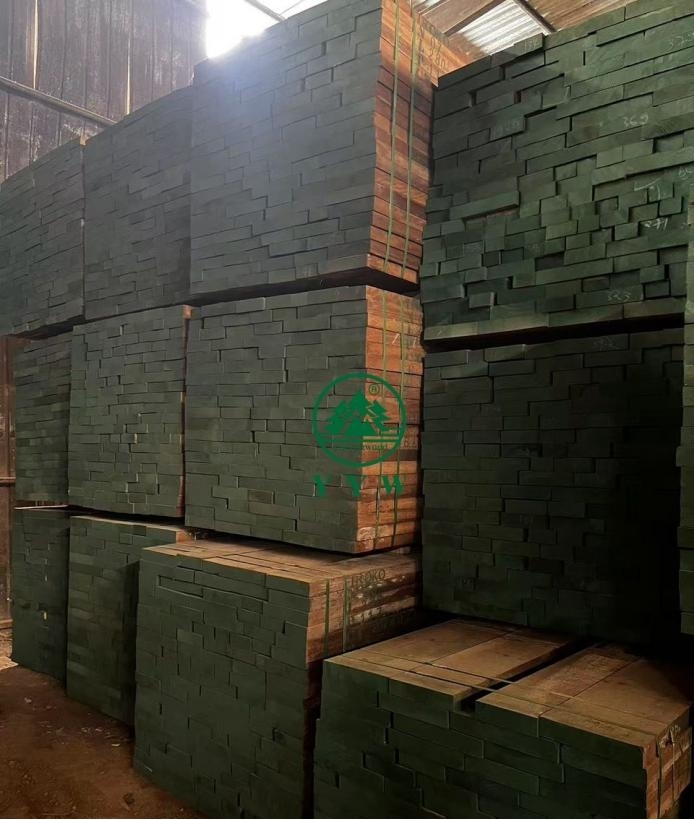
During the loading process, ensure that bundles are strapped securely and dunnage is used to allow airflow. Moisture absorbing packets (desiccants) should be placed inside the container to control humidity levels during the ocean voyage.
Conclusion
To verify FAS grade Iroko timber requires a blend of technical knowledge and on-the-ground vigilance. By focusing on clear cuttings, monitoring moisture content, and identifying species-specific defects like stone cells, you protect your investment. At YYW Timber, we prioritize transparency and strict grading rules to ensure our partners receive only the premium wood they ordered.
If you need assistance with sourcing or require a detailed quote for verified African hardwood, our team is ready to assist. Visit our Contact Page to start the conversation.