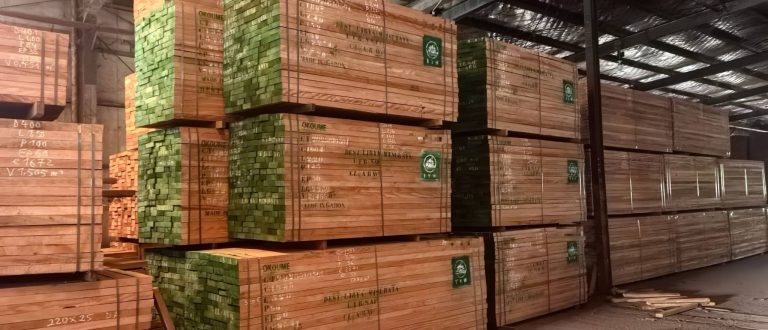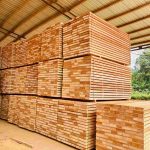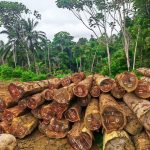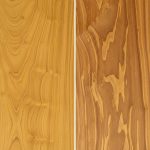
In the global timber market, few species offer the resilience and aesthetic appeal of African hardwoods. Among these, Iroko hardwood export volumes have remained consistent due to the wood’s exceptional similarity to genuine Teak. Often referred to as “African Teak,” Iroko (Milicia excelsa) is a cornerstone commodity for construction firms and timber wholesalers worldwide. However, understanding the specific grading rules, moisture content requirements, and machining characteristics is vital for importers. This guide details what Iroko hardwood is, its technical specifications, and why it remains a top choice for exterior applications.
Defining Iroko: The “African Teak” of the Trade
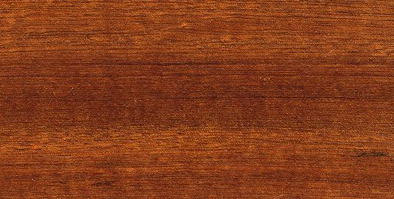
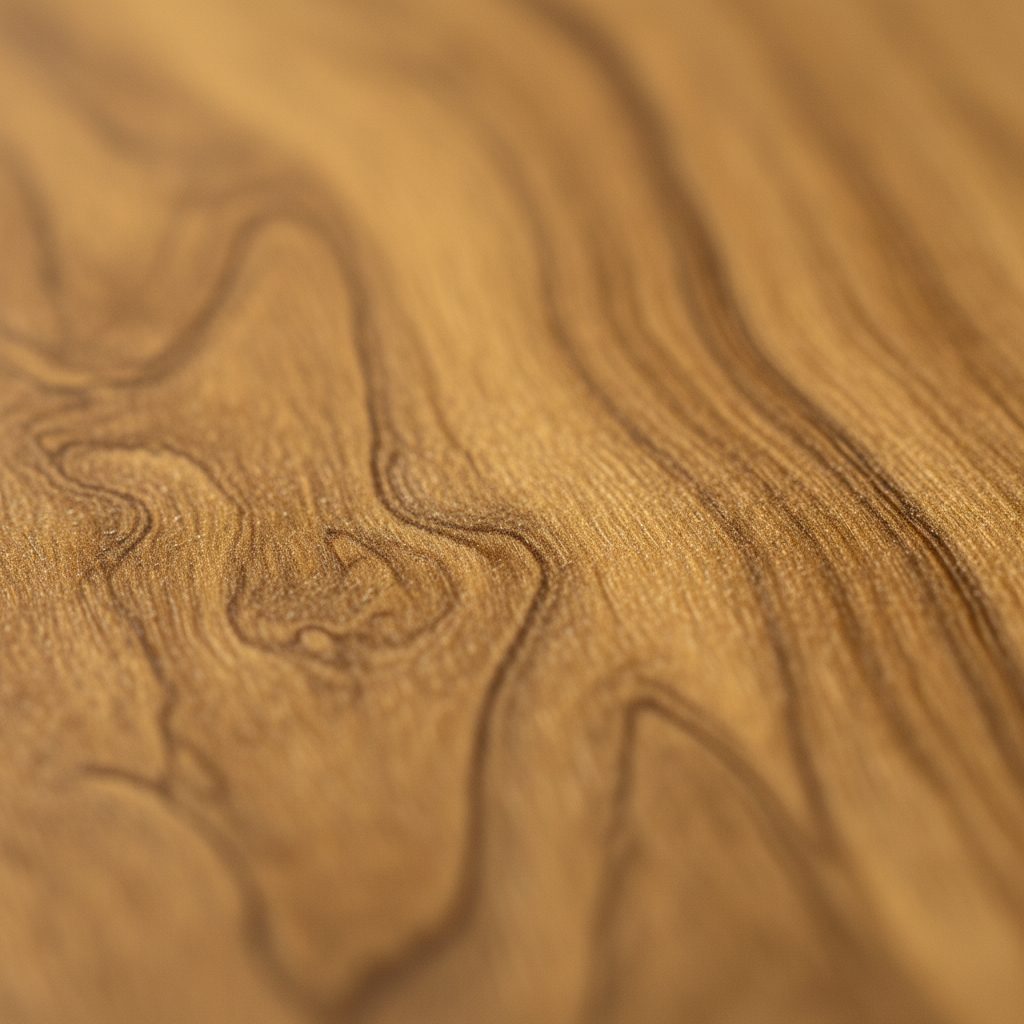
Iroko is a large hardwood tree from the tropical west coast of Africa. It is primarily sourced from countries such as Cameroon, Angola, and the Ivory Coast. Botanically, there are two closely related species: Milicia excelsa and Milicia regia. For commercial trade, these are generally marketed together as Iroko. Ideally, the timber is prized for its golden-orange hue which oxidizes to a rich copper-brown over time.
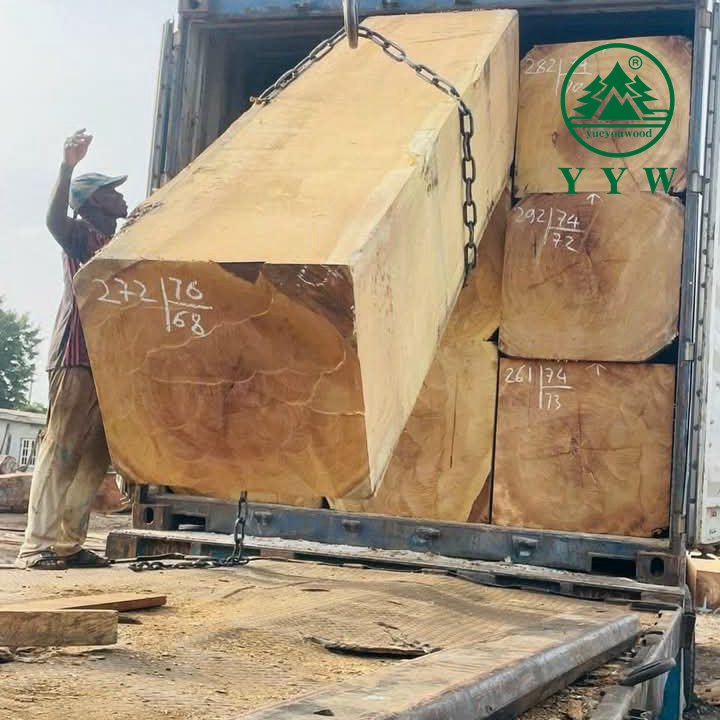
Furthermore, Iroko is frequently utilized as a cost-effective substitute for Burmese Teak. While it lacks the oily texture of genuine Teak, its durability profile is remarkably similar. Consequently, marine architects and outdoor furniture manufacturers often specify Iroko for projects requiring high rot resistance. For importers, sourcing authentic Milicia excelsa ensures the longevity of the end product.
Technical Specifications and Physical Properties
When procuring timber for large-scale manufacturing, data regarding density and movement is critical. Iroko is classified as a very durable wood. It possesses excellent strength properties, comparing favorably with other heavy structural timbers.
Below is a detailed breakdown of the physical characteristics relevant to machining and installation:
| Property | Specification / Value | Relevance to Trade |
|---|---|---|
| Botanical Name | Milicia excelsa, Milicia regia | Standard trade identification |
| Average Dried Weight | 660 kg/m3 (41 lbs/ft3) | Density affects shipping weight and durability |
| Janka Hardness | 5,610 N (1,260 lbf) | Harder than Teak; moderate blunting effect |
| Modulus of Rupture | 87.6 MPa (12,700 lbf/in2) | Indicates load-bearing capacity |
| Shrinkage | Radial: 2.8%, Tangential: 3.8% | Very low shrinkage; highly stable |
| Durability Class | Class 1-2 (Very Durable) | Excellent resistance to rot and insects |
It is important to note the stability of this species. The tangential shrinkage is unusually low. Therefore, Iroko serves perfectly for joinery where dimensional changes must be minimized. For more detailed botanical data, you can consult the Wood Database.
Export Grades and Quality Standards
In the B2B sector, understanding Iroko hardwood export grades is essential to avoid commercial disputes. At YYW Timber, we adhere to strict grading rules, often aligned with ATIBT (Association Technique Internationale des Bois Tropicaux) or NHLA standards depending on the client’s region.
FAS (First and Seconds)
This is the premium grade typically requested by European and North American importers. FAS boards are designed to provide long, clear cuttings. Specifically, these boards must be practically free of knots, sapwood, and wormholes on the best face. This grade is ideal for high-end furniture, cabinetry, and yacht decking.
Standard and Better (Std & Btr)
For construction projects where aesthetic perfection is secondary to structural integrity, Standard grade is a viable option. These boards may contain minor knots or slight sapwood inclusion. However, the structural strength remains compromised. Consequently, this grade offers a better price point for large-scale decking projects or exterior cladding.
Processing Challenges: The “Stone” Issue
While Iroko is a superior timber, manufacturers must be aware of a specific quirk: calcium carbonate deposits. Often called “stones,” these hard deposits can occur within the tree’s pockets. When a saw blade hits these deposits, it can dull the cutting edge instantly.
Therefore, we recommend using carbide-tipped tools when machining Iroko. Additionally, surfacing the wood requires care due to its interlocked grain. If not machined correctly, tear-out can occur. Nevertheless, once finished, the wood displays a beautiful, lustrous surface that takes oil and preservatives very well.
Drying Specifications: KD vs. AD
Moisture content (MC) is a critical specification for any purchase order. We offer two primary drying states:
- Kiln Dried (KD): The timber is dried in controlled chambers to achieve a moisture content of 10-14%. This is mandatory for furniture and indoor flooring to prevent warping after installation.
- Air Dried (AD): The timber is stacked outdoors with stickers to allow natural airflow. The MC typically settles around 18-25%. This is often suitable for exterior heavy construction or for buyers who have their own kilns.
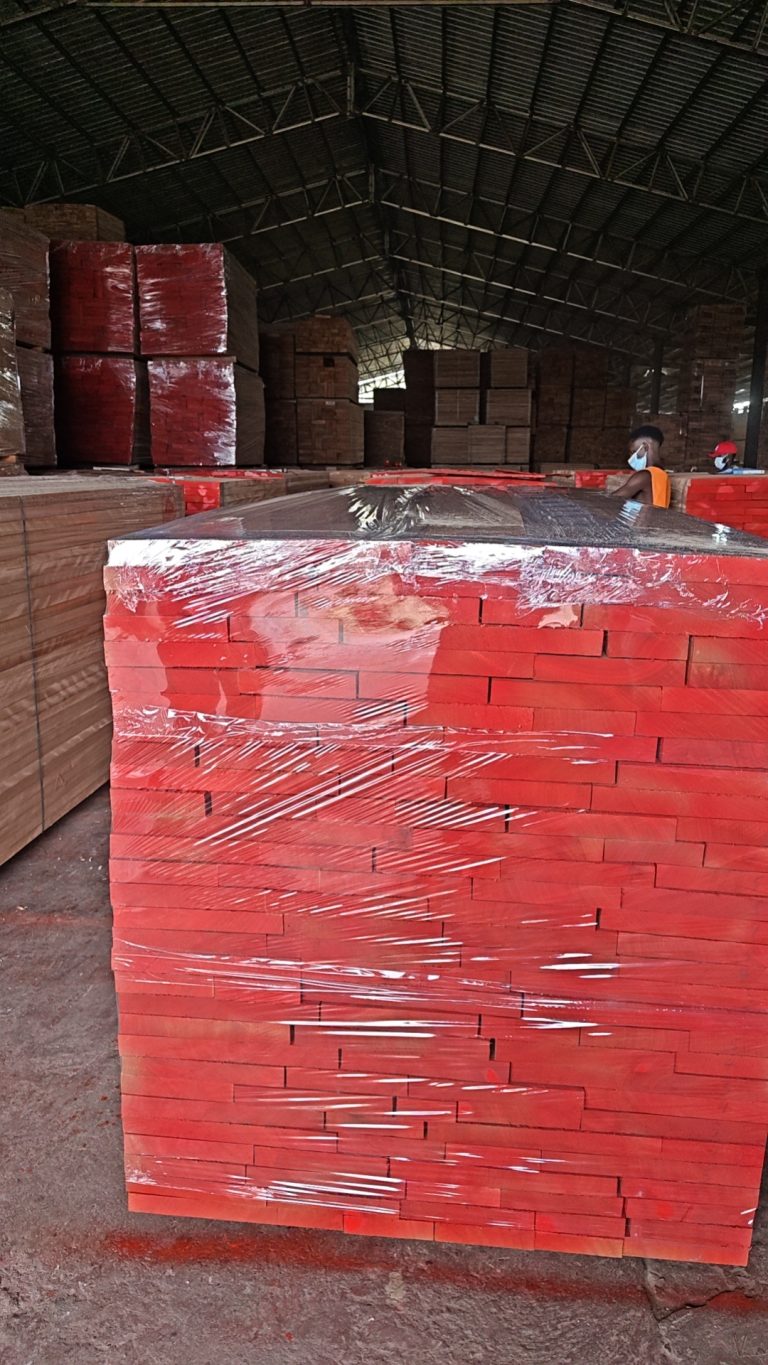
Correct drying reduces the risk of checking and splitting. For international shipments, we ensure that Kiln Dried timber is properly packaged to maintain its MC levels during transit. You can view our range of dried timbers on our African Hardwood Products page.
Common Applications for Imported Iroko
Because of its durability and price advantage over Teak, Iroko has a vast range of applications. Importers distribute this wood to various sectors including:
- Marine Industry: Boat building, decking, and rails.
- Exterior Cladding: Siding for commercial and residential buildings.
- Outdoor Furniture: Park benches, tables, and garden sets.
- Flooring: Parquet and solid wood flooring, though the color darkens significantly with age.
Sustainability and Compliance
Compliance is non-negotiable in the modern timber trade. Currently, Iroko is not listed in the CITES Appendices, which simplifies the documentation process compared to species like Bubinga. However, responsible sourcing is still required to comply with EUTR (European Union Timber Regulation) and Lacey Act standards.
YYW Timber provides full documentation, including certificates of origin and phytosanitary certificates. We prioritize transparency in our supply chain to ensure our partners can import without legal hurdles. Sustainable forestry management ensures that Milicia excelsa remains available for future generations.
Conclusion
In summary, Iroko represents one of the most versatile and valuable investments in the hardwood market. Its combination of stability, durability, and aesthetic warmth makes it a staple inventory item for serious timber merchants. Whether you require rough sawn timber or specific dimensional cuts, understanding the Iroko hardwood export parameters ensures a successful transaction.
Are you looking to source premium African Iroko for your next shipment? Our team is ready to discuss grading, drying schedules, and logistics.