For decades, international timber traders and architects have sought reliable, durable alternatives to genuine Teak (Tectona grandis). As prices for Burmese Teak skyrocket and availability fluctuates due to strict conservation laws, one hardwood has steadily risen to prominence. That wood is Iroko. Understanding African Iroko features is essential for any wholesale buyer looking to secure high-performance timber without the exorbitant premium of Teak. Known scientifically as Milicia excelsa, this West African hardwood is frequently marketed under the moniker “African Teak.” However, is this comparison justified? In this comprehensive guide, we analyze the structural properties, aesthetic evolution, and commercial viability of Iroko for the global market.
The Botanical Profile: What Exactly is Iroko?
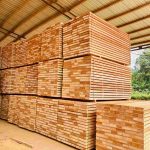
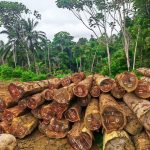
Before diving into the commercial comparisons, it is vital to establish the biological identity of this species. Iroko is sourced primarily from two species: Milicia excelsa and Milicia regia. These massive trees are indigenous to Tropical Africa, ranging from the Ivory Coast eastwards to Kenya and Tanzania. They are immense, often reaching heights of 50 meters (160 feet) with diameters exceeding 2 meters. Consequently, this allows for the production of wide, long lumber boards that are highly coveted in the joinery sector.
Unlike plantation-grown timbers which may suffer from lower density, Iroko sourced for export is typically old-growth hardwood. This results in superior heartwood stability. Furthermore, the wood is naturally resistant to rot and insect attack. For importers, this natural durability translates to lower chemical treatment costs and higher end-user satisfaction. You can learn more about the scientific classification on The Wood Database.
Why Is Iroko Called ‘African Teak’?
The label “African Teak” is not merely a marketing gimmick. It is a testament to the functional overlaps between Iroko and genuine Teak. Wholesale buyers often switch to Iroko for large-scale projects where Teak is budget-prohibitive. Here is why the comparison holds weight.
1. Visual Similarity and Oxidation
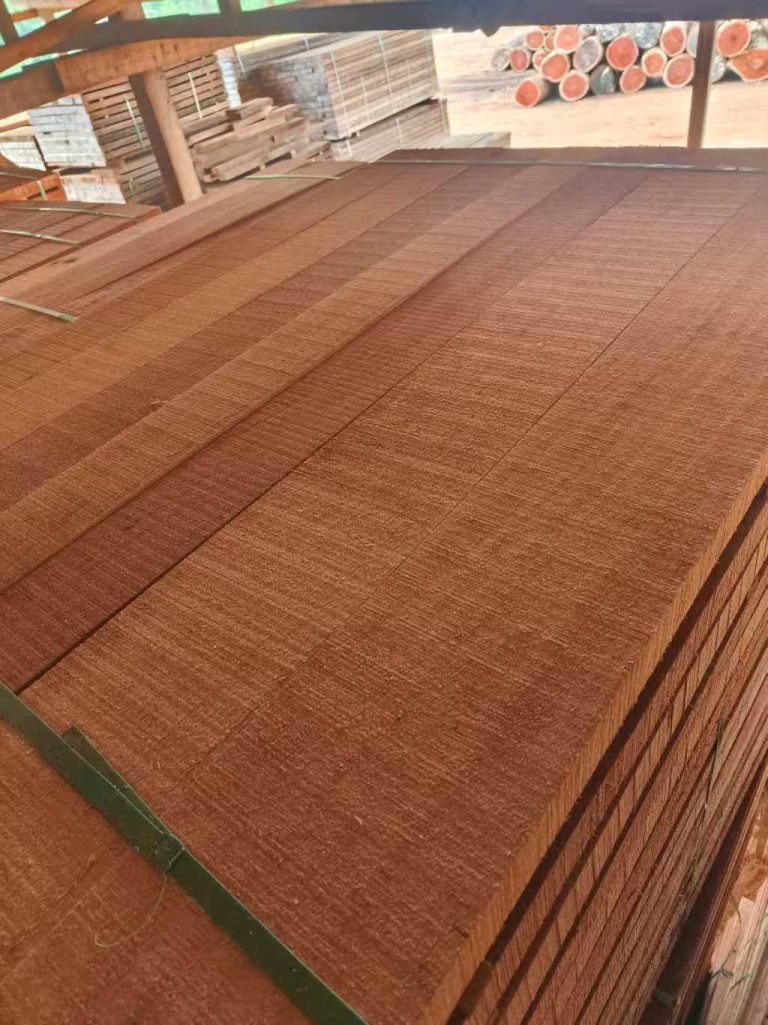
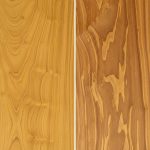
Freshly cut Iroko displays a bright yellow color. However, this is temporary. Upon exposure to light and oxygen, the heartwood quickly darkens to a rich, golden-brown hue. This matured color is strikingly similar to the aesthetic of aged Teak. For architects designing exterior cladding or decking, this color evolution is a desirable trait. It provides a classic, high-end look that blends seamlessly with modern and traditional designs alike.
2. Exceptional Durability Outdoors
The most critical of the African Iroko features is its resistance to the elements. Like Teak, Iroko contains natural oils and resins. These compounds act as a barrier against moisture ingress. Consequently, Iroko does not require intensive varnishing or sealing to survive outdoors. It is classified as very durable regarding decay resistance. Therefore, it is a top contender for boat building, outdoor furniture, and decking applications where moisture is a constant threat.
3. Stability Characteristics
Wood movement is the enemy of precise joinery. Iroko exhibits small movement in service. Once kiln-dried (KD) to the appropriate moisture content (usually 12-14% for shipping), it remains dimensionally stable. This stability minimizes warping, twisting, or cupping after installation. Thus, factories producing flooring or window frames favor Iroko for its reliability during the manufacturing process.
Technical Data: Iroko Properties Table
For engineers and procurement officers, raw data is more valuable than anecdotes. The following table outlines the physical properties that define African Iroko features. These figures demonstrate why it is classified as a heavy, structural timber.
| Property | Value (Metric) | Comparison to Teak |
|---|---|---|
| Average Dried Weight | 660 kg/m3 | Slightly Heavier |
| Janka Hardness | 5,610 N | Harder (approx. 10-15% harder) |
| Modulus of Rupture | 87.6 MPa | Comparable |
| Elastic Modulus | 9.38 GPa | Slightly Lower |
| Shrinkage (Radial) | 2.8% | Very Low (Excellent Stability) |
| Rot Resistance | Very Durable | Equal to Teak |
As the data suggests, Iroko is actually harder than Teak. This makes it more resistant to dents and scratches in high-traffic flooring areas. However, this hardness also implies that high-quality carbide-tipped tools are necessary for processing.
Processing Challenges: The ‘Stone’ Factor
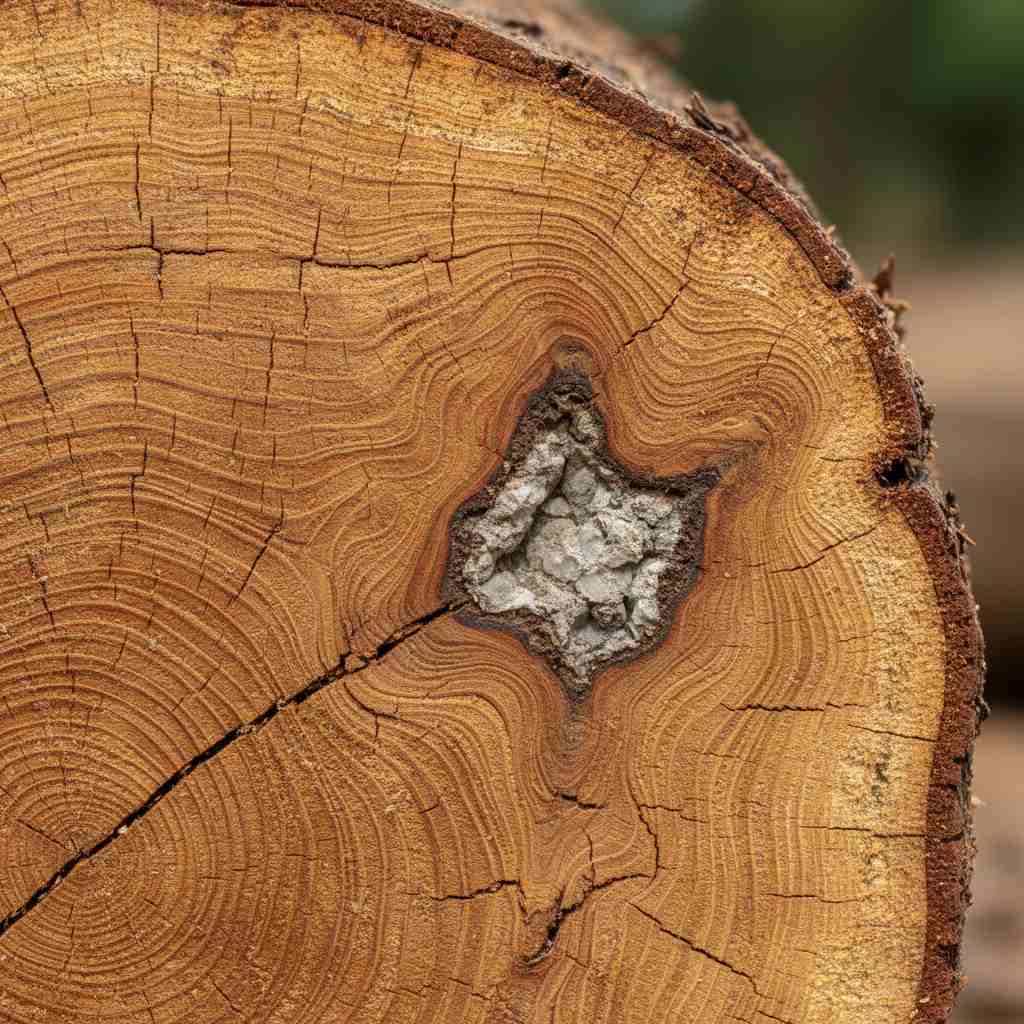
While the benefits are numerous, seasoned timber traders must be aware of the processing nuances. One specific characteristic distinguishes Iroko from other African hardwoods. This is the presence of calcium carbonate deposits, often referred to as “stones.”
These mineral inclusions are found within the tree’s pockets. Occasionally, they can be large and rock-hard. If a saw blade hits these deposits, it can dull or chip instantly. Therefore, sawmills processing African Iroko logs must operate with vigilance. Furthermore, Iroko dust can be an irritant to workers. Consequently, adequate dust extraction and protective gear are mandatory in any factory environment working with this species.
Commercial Applications for Global Importers
Understanding where your clients will use the timber helps in ordering the right grades and cuts. Due to the versatile African Iroko features, the demand spectrum is broad.
- Marine Industry: Because it resists rot and marine borers, Iroko is a standard substitute for Teak in boat decking and structural marine components.
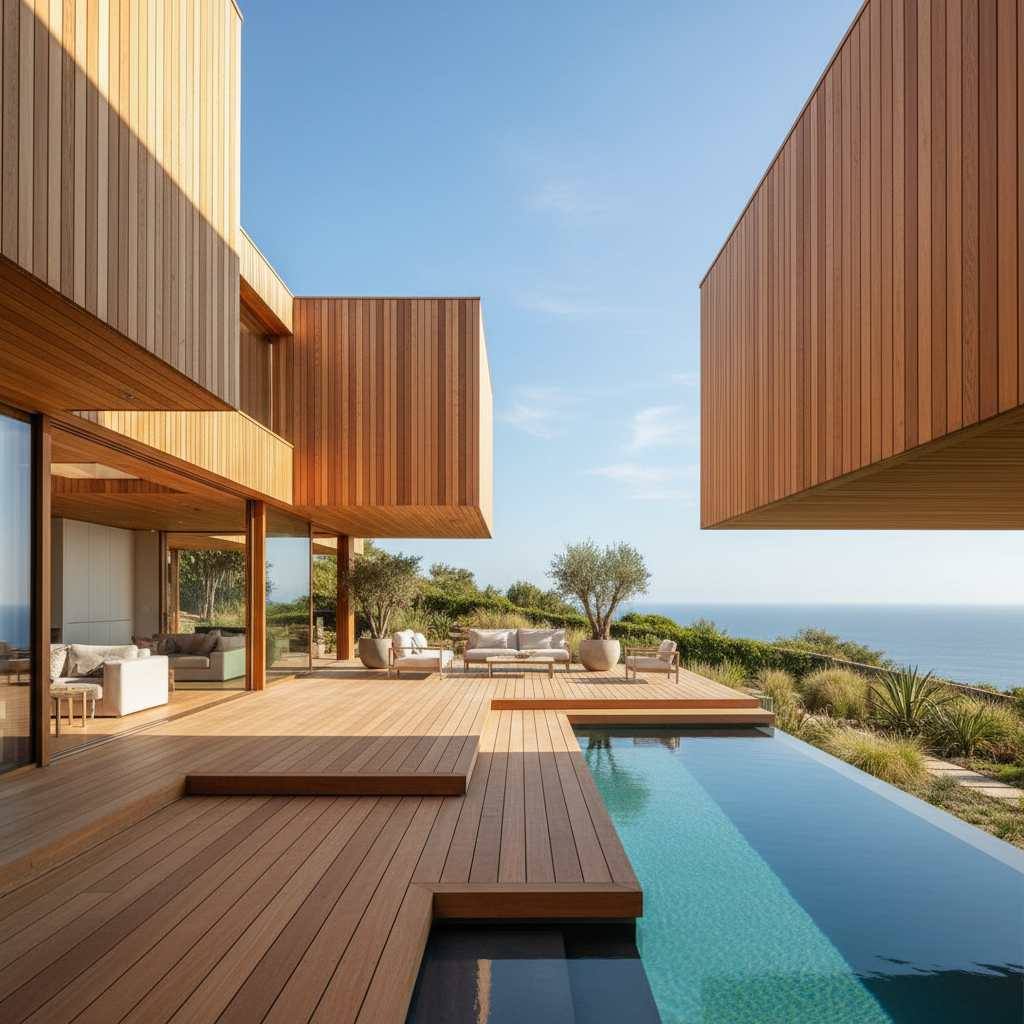
- Architectural Cladding: Its ability to weather to a silver-grey (if left untreated) makes it popular for modern building facades.
- Flooring and Parquet: The high hardness level ensures longevity in commercial spaces like restaurants and hotels.
- Outdoor Furniture: Manufacturers of garden furniture utilize Iroko for its longevity and premium appearance.
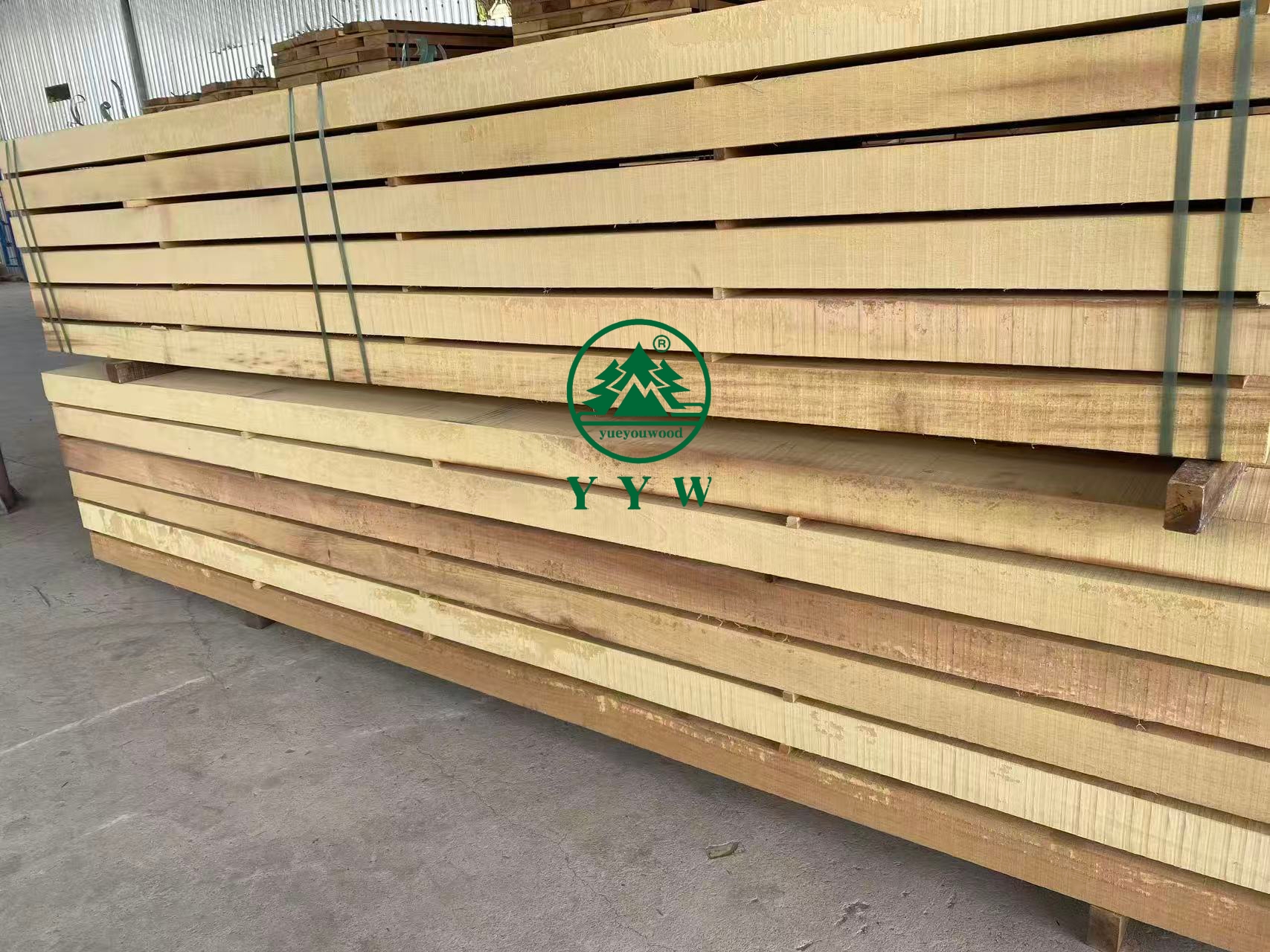
If you are looking to source specific cuts for these applications, view our range of sawn timber products suitable for export.
Sustainability and Legal Sourcing
In the modern timber trade, legality is non-negotiable. At YYW Timber, we prioritize compliance. Iroko is not listed in the CITES Appendices, which simplifies international trade compared to some Rosewood species. However, it is listed on the IUCN Red List as Near Threatened. This status underscores the importance of sourcing from strictly managed forests.
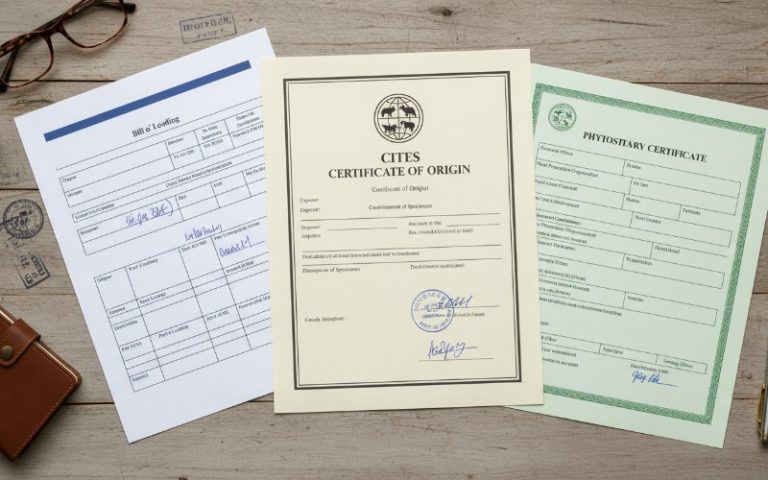
Importers should always request proper documentation. This includes certificates of origin and adherence to local forest management regulations. Organizations like the ATIBT (International Tropical Timber Technical Association) provide guidelines on sustainable African timber trade. Responsible sourcing ensures that we can continue to enjoy the benefits of this magnificent wood for generations to come.
Conclusion: Is Iroko the Right Choice for Your Inventory?
In summary, the African Iroko features of durability, stability, and aesthetic appeal make it an undefeated champion in the hardwood market. It earns the title of “African Teak” not by imitation, but by performance. For wholesale buyers, it offers a high-margin product that satisfies the rigorous demands of architects and builders. While processing requires care due to mineral deposits, the end product is undeniably premium.
Are you ready to secure a supply of high-grade African Iroko? Our team at YYW Timber specializes in exporting FAS grade lumber directly from the source to your port.