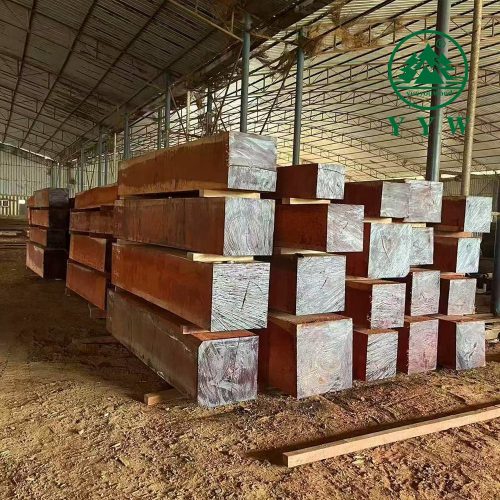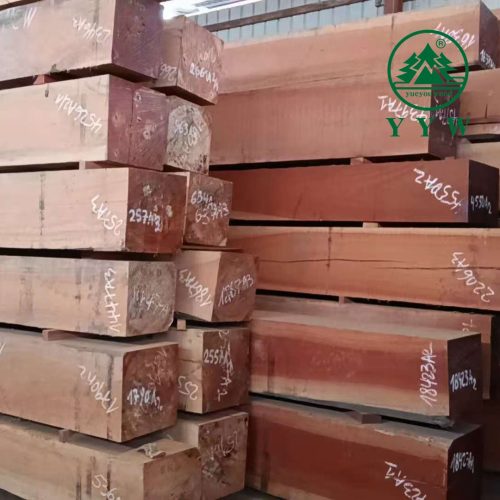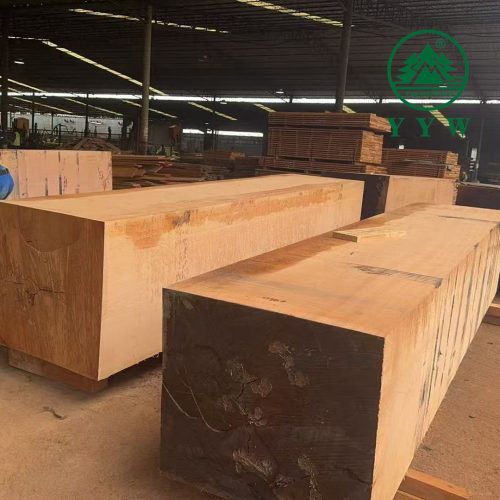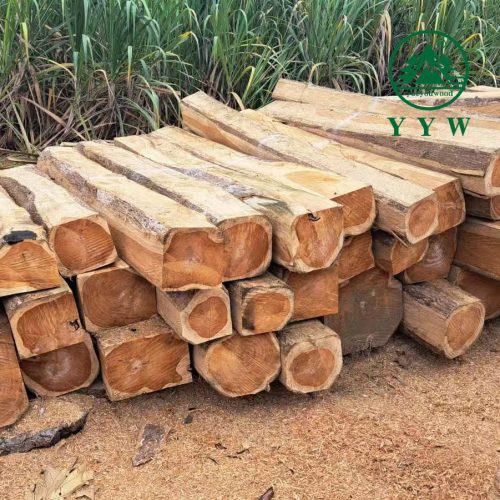
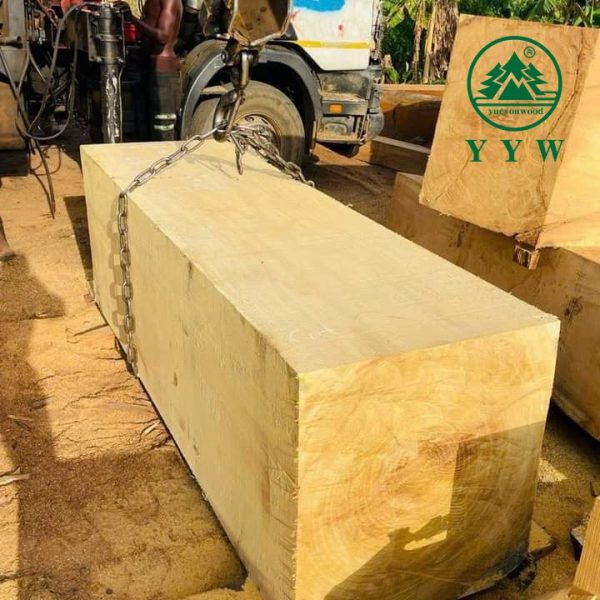
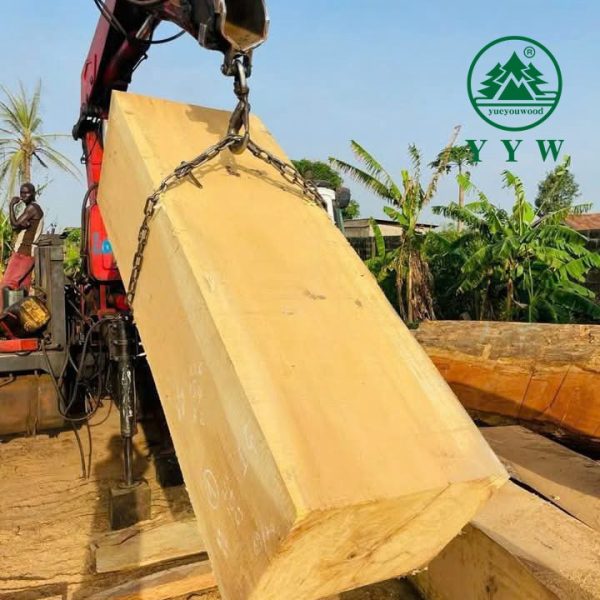
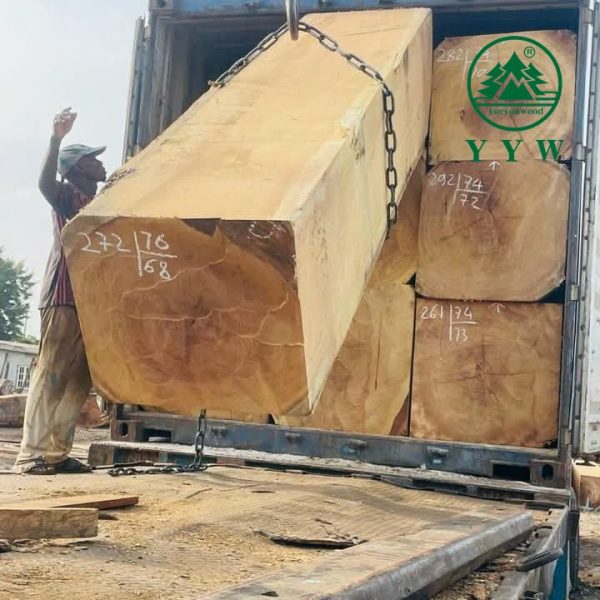
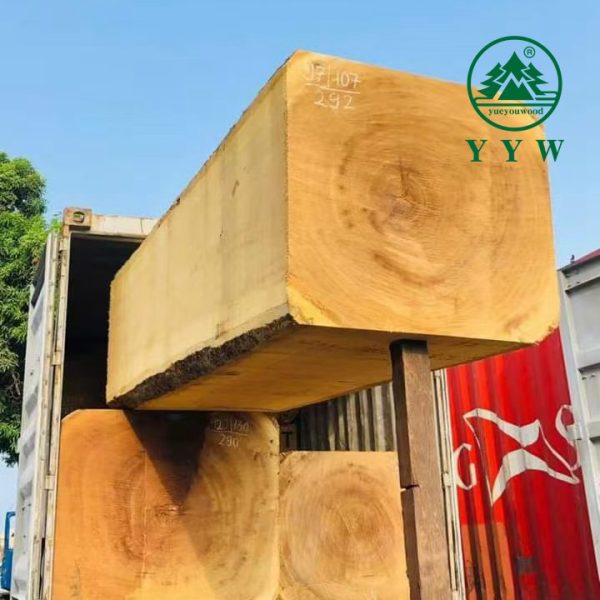
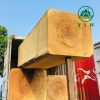
Maximize your manufacturing efficiency with premium African Iroko Square Logs (Milicia excelsa), precision-cut to minimize waste and optimize container volume. These square logs (also known as cant or blocks) provide a high heartwood percentage, making them the superior choice for massive structural beams, marine piling, and high-end outdoor furniture components. At YYW Timber, we ensure all Iroko square logs are sourced from managed concessions and accompanied by full legal documentation, offering the stability and durability for the most demanding global wholesale requirements.
Iroko Hardwood Overview
Iroko, also known as African teak, is a premium hardwood square log sourced from the tropical forests of West Africa. Renowned for its exceptional durability and warm golden-brown hue, these square logs are processed with precise dimensional cutting, making them a reliable choice for projects requiring structural stability and long-term performance. Their natural resistance to decay, insects, and water damage enables versatile use in both indoor structural components and outdoor applications, standing out as a cost-effective and high-quality hardwood option.
Iroko Wood Physical Properties
– Density: 660 kg/m³
– Color: Heartwood ranges from golden to dark brown, with a tendency to deepen over time; sapwood is pale yellow or white, clearly distinguishable from heartwood.
– Durability: Highly durable, naturally resistant to decay, fungi, and insect infestations, suitable for harsh environments (e.g., humid outdoors, marine settings).
– Hardness: High hardness ensures structural integrity, capable of withstanding heavy loads and frequent use.
– Grain: Typically interlocked grain, with a fine to medium texture and natural luster.
For procurement managers evaluating cost-to-performance ratios, Iroko represents the gold standard in the “Teak-alternative” category. We recommend reviewing our comprehensive analysis of Iroko vs. Teak to understand the long-term maintenance advantages of Milicia excelsa.
To ensure consistency in bulk shipments, wholesalers should prioritize the ability to verify FAS grade timber through recognized international standards. For manufacturers requiring high-density foundations for large-scale infrastructure, exploring the mechanical similarities in our Azobe vs. Iroko comprison can provide a full spectrum of West African durable hardwood options.
African Iroko Wood Workability
– Machining: Fairly easy to process, though interlocked grain may cause minor challenges during cutting; sharp tools are recommended for precise shaping.
– Sanding & Finishing: Takes sanding well, yielding a smooth surface; accepts various finishes (oils, paints, varnishes) to enhance aesthetics and protection.
– Fastening & Bonding: Performs excellently with screws, nails, and glues; pre-drilling is suggested for larger sizes to avoid splitting, ensuring strong and stable joints.
African Teak Applications
– Structural Engineering: Used for wooden beams, columns, and load-bearing components in residential, commercial, and industrial buildings.
– Outdoor Construction: Ideal for decking frames, garden arbors, pergolas, outdoor pavilions, and fence posts, thanks to weather and decay resistance.
– Marine Applications: Suitable for boat frames, docks, and marine structural parts, as it resists water erosion and marine organism damage.
– Furniture Production: Processed into blanks for high-quality solid wood furniture (tables, chairs, cabinets) and custom wood crafts.
– Interior Millwork: Used for door frames, window frames, floor joists, and decorative structural trims, combining functionality and aesthetics.
African Teakwood Sustainability
Iroko square logs are sourced from responsibly managed African forests, with strict control measures to prevent over-exploitation. To support sustainable forestry, it is recommended to choose logs certified by the Forest Stewardship Council (FSC) or other authoritative sustainability bodies, ensuring harvesting practices meet environmental and social standards.
Why Choose Iroko Square Logs?
– Superior Durability: Natural resistance to decay, insects, and water makes them long-lasting, reducing maintenance costs for long-term use.
– Structural Reliability: High hardness and stable dimensions ensure strong load-bearing capacity, suitable for demanding structural applications.
– Aesthetic Versatility: Warm golden-brown color and fine grain add natural elegance to both structural and decorative projects.
– Eco-Friendly Option: Responsibly sourced logs support sustainable forestry, balancing quality with environmental responsibility.