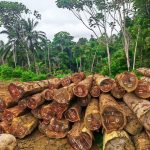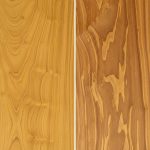
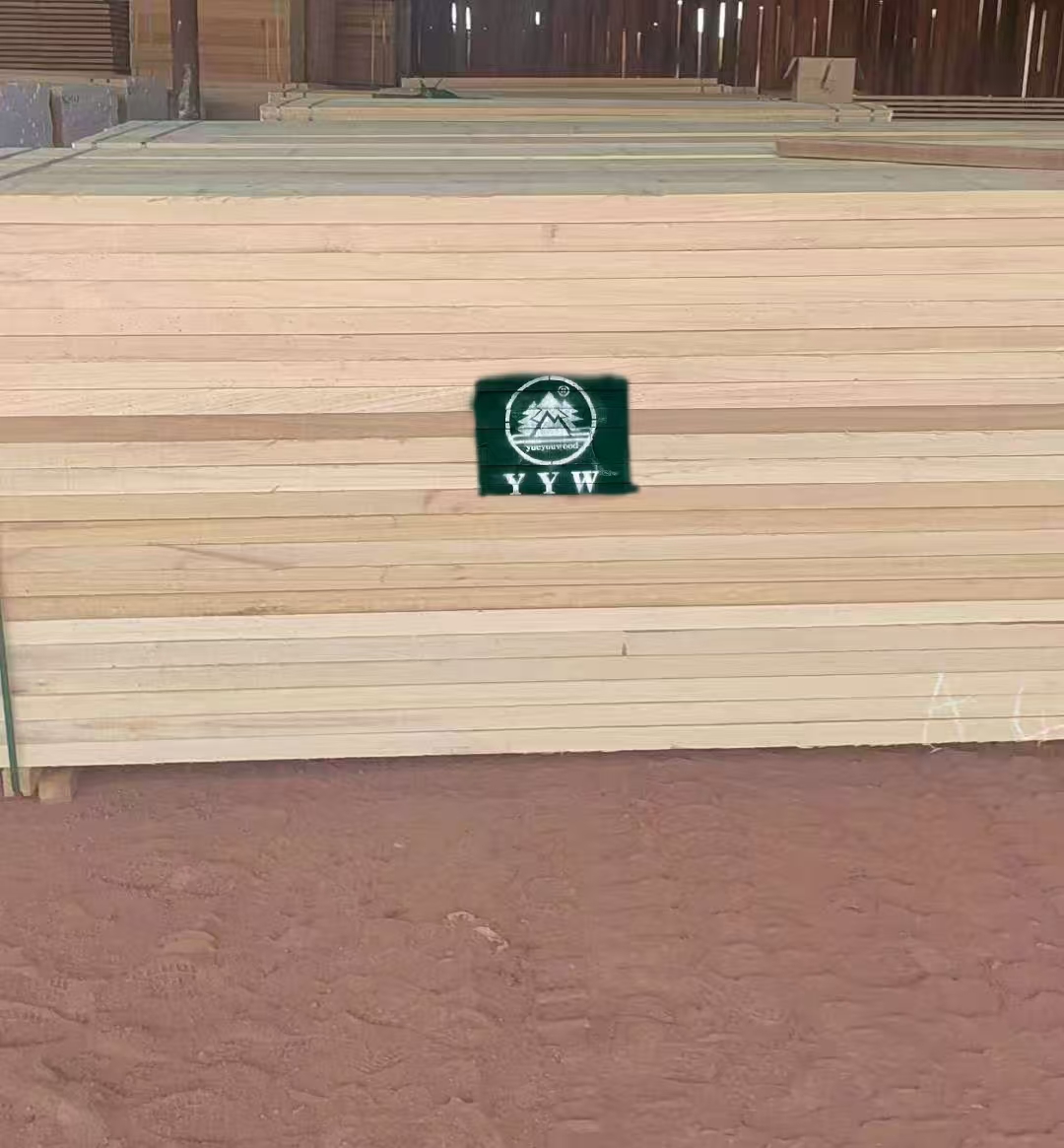
Ayous Timber (scientific name: Triplochiton scleroxylon), also known in some markets as Obeche, is a widely used African hardwood species originating mainly from West and Central Africa. In the global timber industry, Ayous Timber is recognized not for extreme strength, but for its lightweight structure, processing efficiency, and broad adaptability across industrial applications.
Rather than being positioned as a heavy-duty hardwood, Ayous occupies an important role in manufacturing sectors where weight control, machining speed, and surface treatment flexibility are key considerations. Its consistent structure and predictable behavior make it a reliable material for large-scale production environments.
Appearance and Material Characteristics
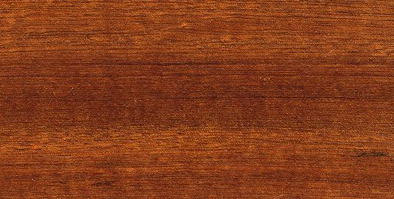
Ayous Timber typically presents a pale cream to light yellow color, with a straight and even grain structure. The texture is uniform, and the surface finishes smoothly after sanding or coating. Its neutral appearance allows it to serve as an ideal base material for painted, laminated, or veneered products.
From a technical standpoint, Ayous Timber offers:
- Low air-dry density (approx. 350–420 kg/m³)
- Straight grain with minimal internal stress
- Easy cutting, shaping, and machining performance
- Good compatibility with adhesives, coatings, and finishes
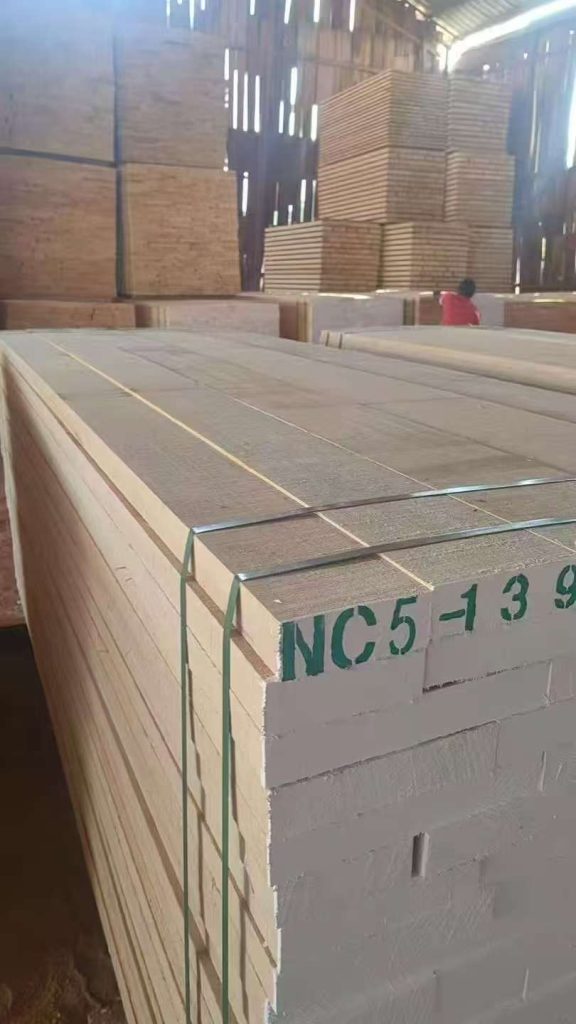
These characteristics contribute to high processing efficiency, reduced tool wear, and lower energy consumption during production.
Drying Behavior and Moisture Stability
Ayous Timber responds well to both air drying (AD) and kiln drying (KD) processes when properly controlled. Due to its lightweight nature, drying cycles are generally efficient, allowing manufacturers to achieve stable moisture levels suitable for downstream processing.
Stable moisture behavior is especially important for:
- Interior panels and decorative boards
- Furniture components and internal structures
- Moldings, profiles, and carved elements
- Painted wood products requiring smooth surfaces
Proper drying helps minimize risks of warping or surface defects, ensuring consistency across batches.
Industrial Applications and Use Scenarios
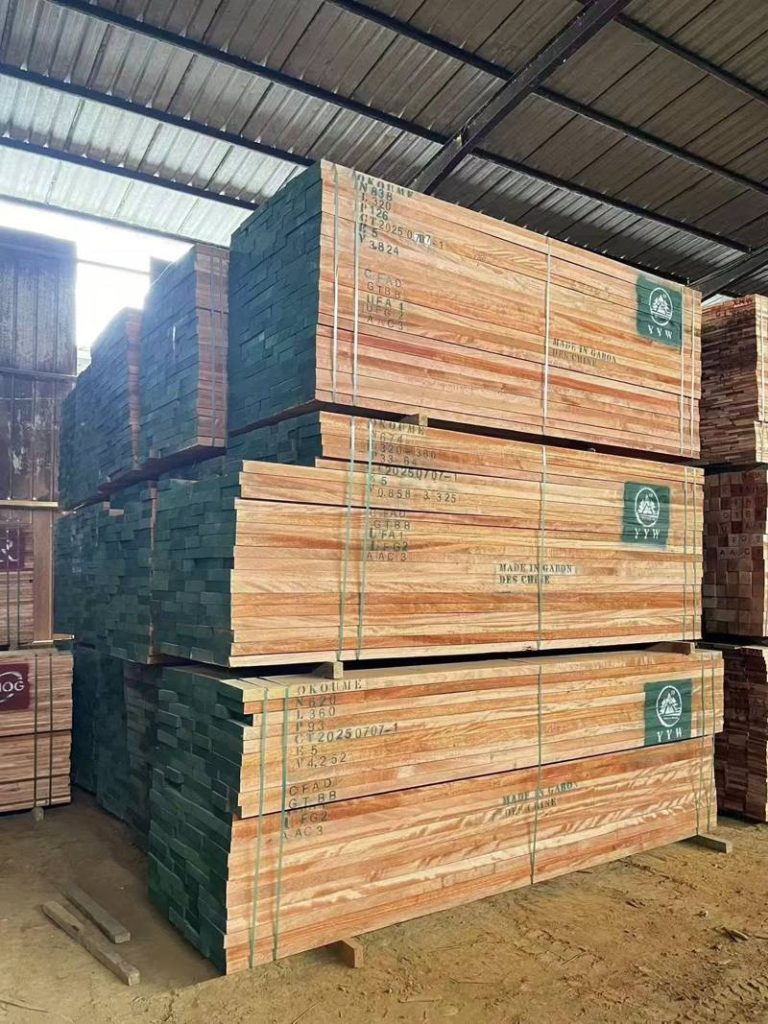
Thanks to its balance of light weight and workability, Ayous Timber is widely applied in:
- Interior furniture components and frames
- Doors, panels, and ceiling systems
- Moldings, trims, and architectural profiles
- Packaging, crates, and industrial components
- Core material for veneered or laminated products
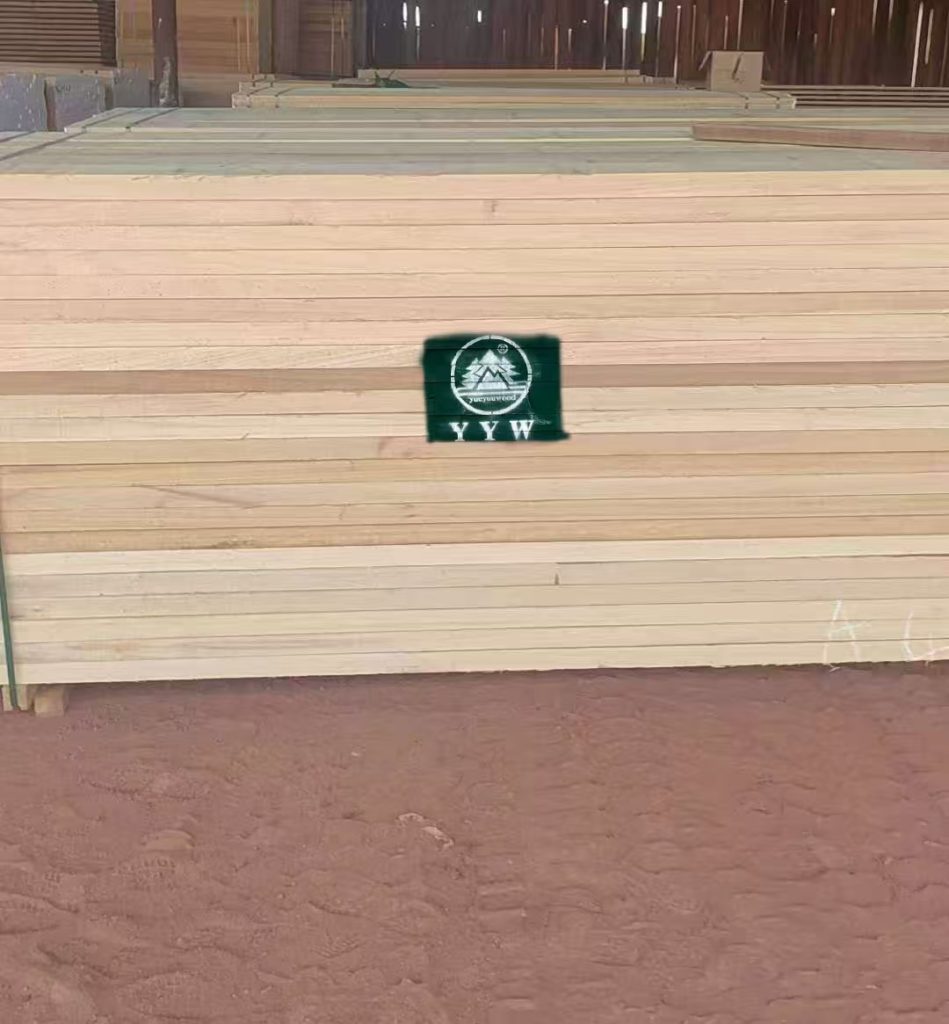
Its versatility allows manufacturers to optimize production efficiency while maintaining acceptable performance standards for non-structural applications.
Conclusion
Ayous Timber stands out as a practical and adaptable African hardwood for manufacturers focused on efficiency, scalability, and surface treatment flexibility. Its lightweight structure, predictable drying behavior, and wide application range continue to support demand across furniture, interior finishing, and industrial wood sectors.
Hong Kong YueYou Wood continues to share knowledge and supply African hardwood species including Ayous, Wenge, Okoume, Sapelli, Iroko, Movingui, Padouk, Zebrano, Beli, Azobe, and more, supporting global partners with professional timber solutions.
For more information about Ayous Timber or African hardwood supply, please visit www.yywtimber.com