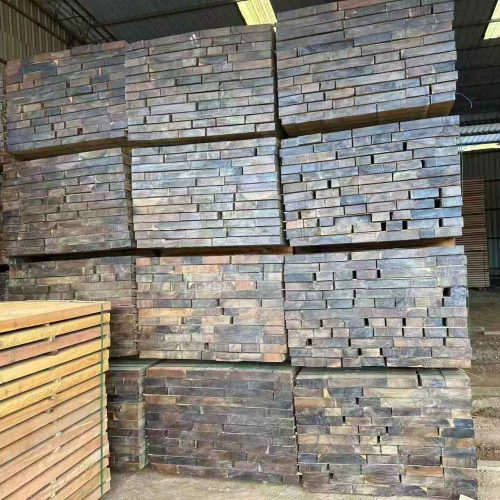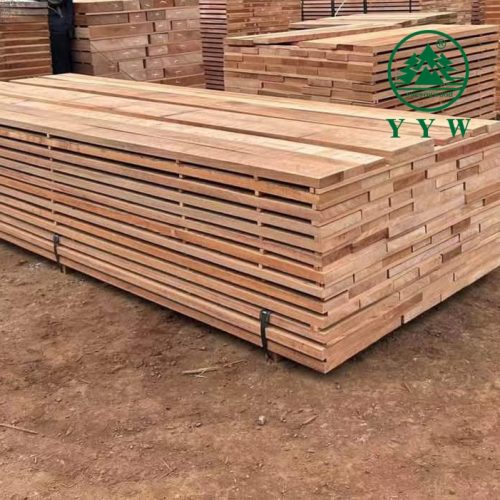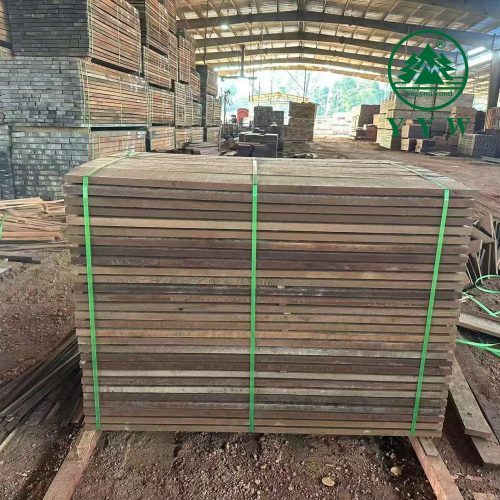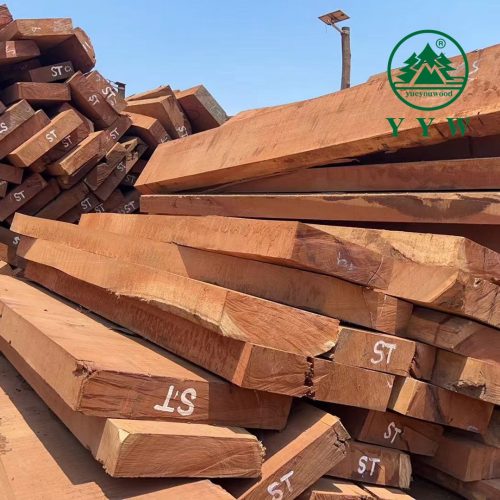
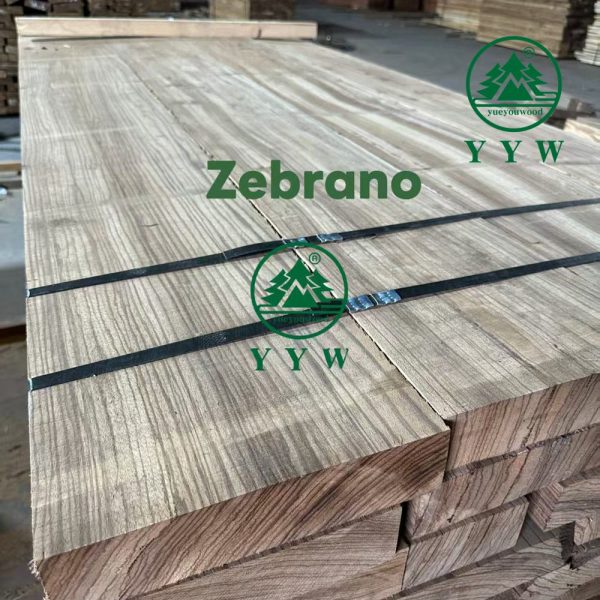
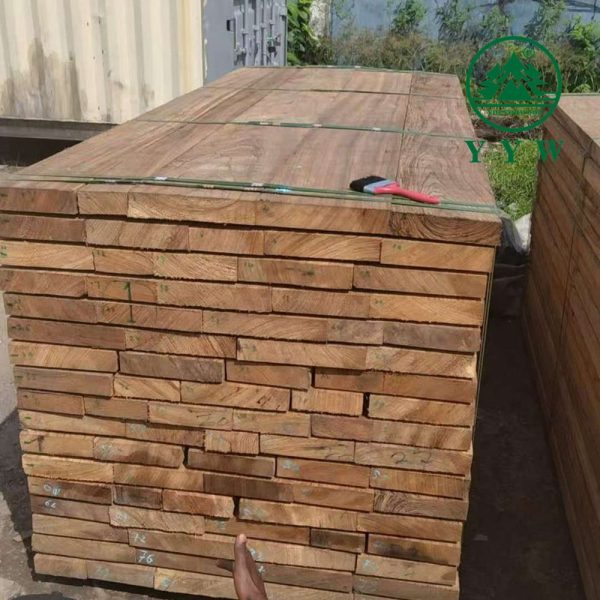
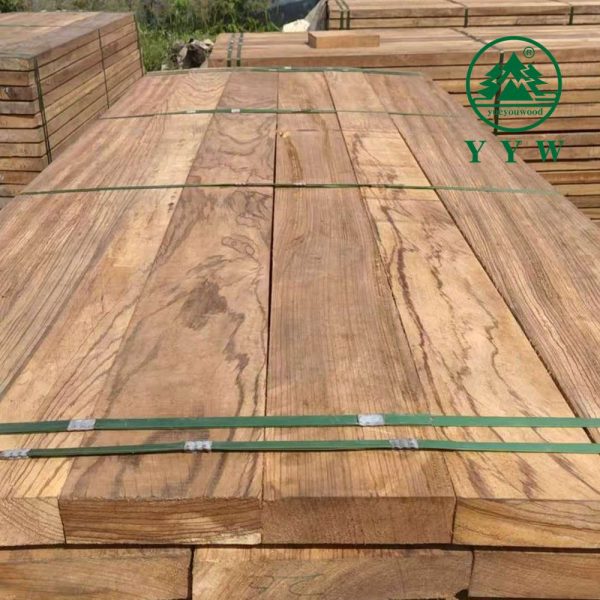
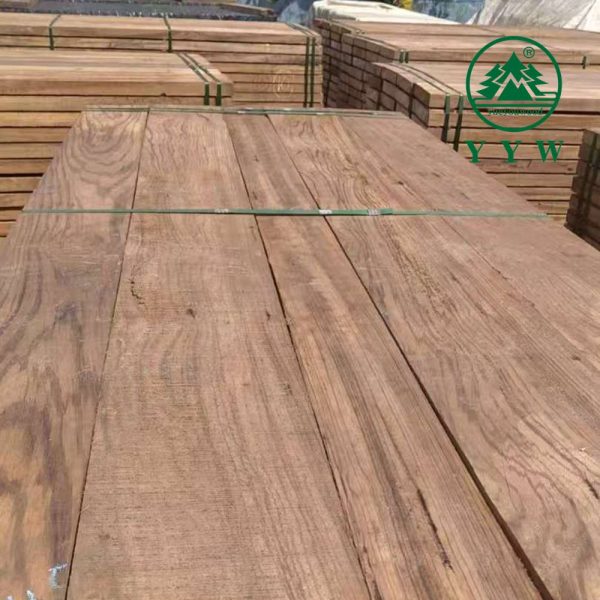
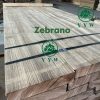
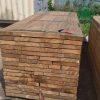
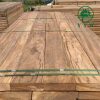
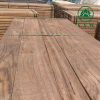
Transform your luxury interior and furniture designs with the striking aesthetics of premium Zebrano Zebrawood (Microberlinia brazzavillensis) lumber. Characterized by its bold, dark brown stripes against a golden-yellow background, Zebrano (also known as Zingana) is the premier choice for statement-making cabinetry and architectural veneers. As a reliable Zebrawood timber supplier, we offer FAS-grade african zebra wood for sale that is precision kiln-dried to 8-12% MC to ensure maximum stability. Whether you are crafting high-end automotive trim or bespoke boardroom tables, our Zebrawood lumber provides the perfect blend of exotic beauty and structural durability.
Zebrano Wood Overview
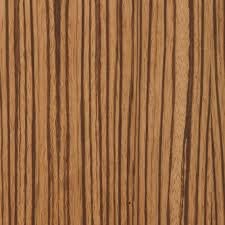
Zebrano is a highly prized exotic hardwood from Central Africa, famous for its iconic bold, zebra-like light and dark striped grain patterns—the defining feature that sets it apart. It is a dense, heavy, and sturdy wood, making it a top choice for high-end furniture, statement cabinetry, and luxury decorative accents. Its unique striped aesthetic adds dramatic visual interest, making it a favorite in modern, contemporary, and eclectic interior design.
If you’re new to this hardwood species, explore our complete Zebra Wood guide to learn more about its properties, durability, applications, pricing, and buying considerations before selecting timber for your next interior project.
Physical Properties of Zebrano Wood
– Density: 800–900 kg/m³
– Janka Hardness: 1,780 lbf (7,920 N)
430
1,260
1,360
1,575
2,410
*All data measured in lbf. Zebrawood’s high density-to-weight ratio makes it excellent for durable decorative applications.
– Color: Heartwood features alternating light golden-brown to pale yellow stripes and dark brown to nearly black stripes; sapwood is pale yellow, often distinct from the heartwood.
– Grain: Typically straight or slightly interlocked; fine to medium texture with a natural, subtle luster that enhances its striped pattern.
– Durability: Highly durable and wear-resistant, suitable for both decorative and light structural uses. It also has good resistance to insect and fungal attacks.
– Shrinkage: Radial shrinkage of 5.2%, Tangential shrinkage of 8.9%, and Volumetric shrinkage of 14.1%.
Professional Buyer’s Guide to Striped Hardwoods
Choosing the right grain pattern is essential for high-end manufacturing. For projects requiring the most dramatic and consistent parallel stripes, we recommend specifying Zebrano Zingana sawn timber, which is sourced for its superior decorative qualities. However, many designers often weigh the bold aesthetic of Zebrawood against other iconic African species; our technical comparison of Bubinga vs. Zebrano hardwood highlights the differences in density and color palettes.
If your project requires a similar exotic look but with a more accessible budget, exploring the Zebrano vs. Beli wood comparison can provide a cost-effective alternative without sacrificing significant visual appeal.
Zebrawood Lumber Workability
– Machining: Moderately difficult to machine due to density; may cause minor tool wear. Sharp tools are required to achieve smooth cuts and avoid tearing the striped grain.
– Gluing: Bonds well with wood glue when surfaces are properly sanded; produces strong, reliable joints.
– Nailing and Screwing: Pre-drilling is strongly recommended (especially for thicker planks) to prevent splitting, as its density can resist fasteners.
– Finishing: Takes finishes exceptionally well—clear coats (like polyurethane or lacquer) highlight its striped pattern, while stain can deepen contrast. Requires careful sanding to preserve the grain’s sharp lines.
African Zebra Hardwood Applications
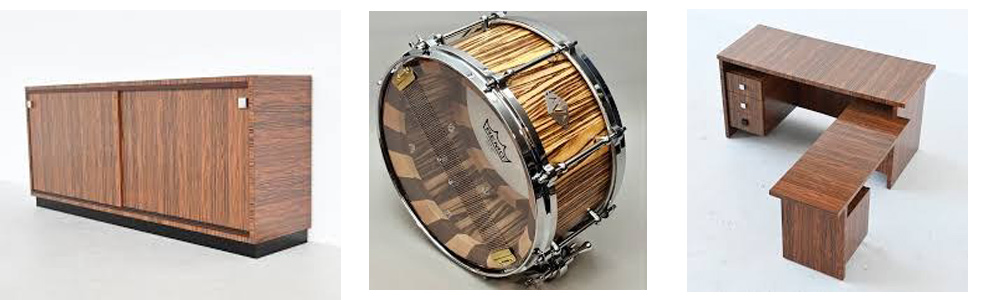
– Furniture: This lumber is an excellent choice for luxury furniture projects, premium cabinetry, and architectural millwork thanks to its distinctive striped appearance.
– Cabinetry: Used in high-end kitchen/bath cabinets (as door fronts or drawer panels) to add visual drama to modern designs.
– Decorative Accents: Sliced into small pieces for inlays, cutting boards, or wall art; also used for musical instrument parts (guitar bodies, violin scrolls).
– Veneer: Converted to veneer for large-scale applications (wall paneling, furniture facings) to replicate its pattern across bigger surfaces.
– Interior Millwork: Used for decorative trims, moldings, or stair risers to elevate residential or commercial interiors.
Sustainability
– Conservation Status: Not listed on the IUCN Red List, but its slow growth rate (10–15 years to reach maturity) and high demand make it vulnerable to over-harvesting in unregulated regions.
– Environmental Considerations: Sourcing from FSC (Forest Stewardship Council)-certified forests is critical to ensure responsible harvesting. This helps protect natural habitats and supports long-term forest sustainability.
🛠️ Expert Tips for Working with Zebrano Timber
-
Machining Strategy: Because the grain is interlocked and varies in density between the dark and light stripes, always use carbide-tipped blades. To minimize surface splintering, consider a 15-degree cutting angle.
-
Moisture Management: Zebrawood can be “fussy” if not properly seasoned. We ensure all our stock is kiln-dried; however, we recommend allowing the timber to acclimate to your workshop environment for 48-72 hours before final dimensioning.
-
Glue-Up Caution: Zebrawood contains natural oils. Before gluing large panels or table tops, wipe the edges with a degreaser or acetone to ensure maximum bond strength.
-
Finishing Recommendation: To truly “pop” the dark stripes, a clear, high-quality oil finish or a high-gloss lacquer is recommended. Avoid heavy stains that might mask the natural contrast of the wood.
Why Choose Zebrano Wood?
– One-of-a-Kind Aesthetic: Its iconic zebra stripes create instant visual impact, turning ordinary pieces into luxury focal points—perfect for designs that demand uniqueness.
– Strong Durability: Its density and wear resistance ensure longevity, making it suitable for both decorative items and pieces that see regular use.
– Design Versatility: Complements modern, minimalist, and bold interior styles; pairs well with neutral colors (white, gray) to let its pattern stand out, or with dark hues for a sophisticated contrast.
Learn more about how Zebra compares to other species in our guide: [Top 10 African Hardwood Species]