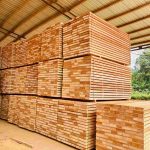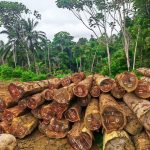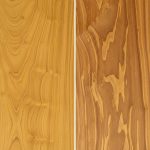
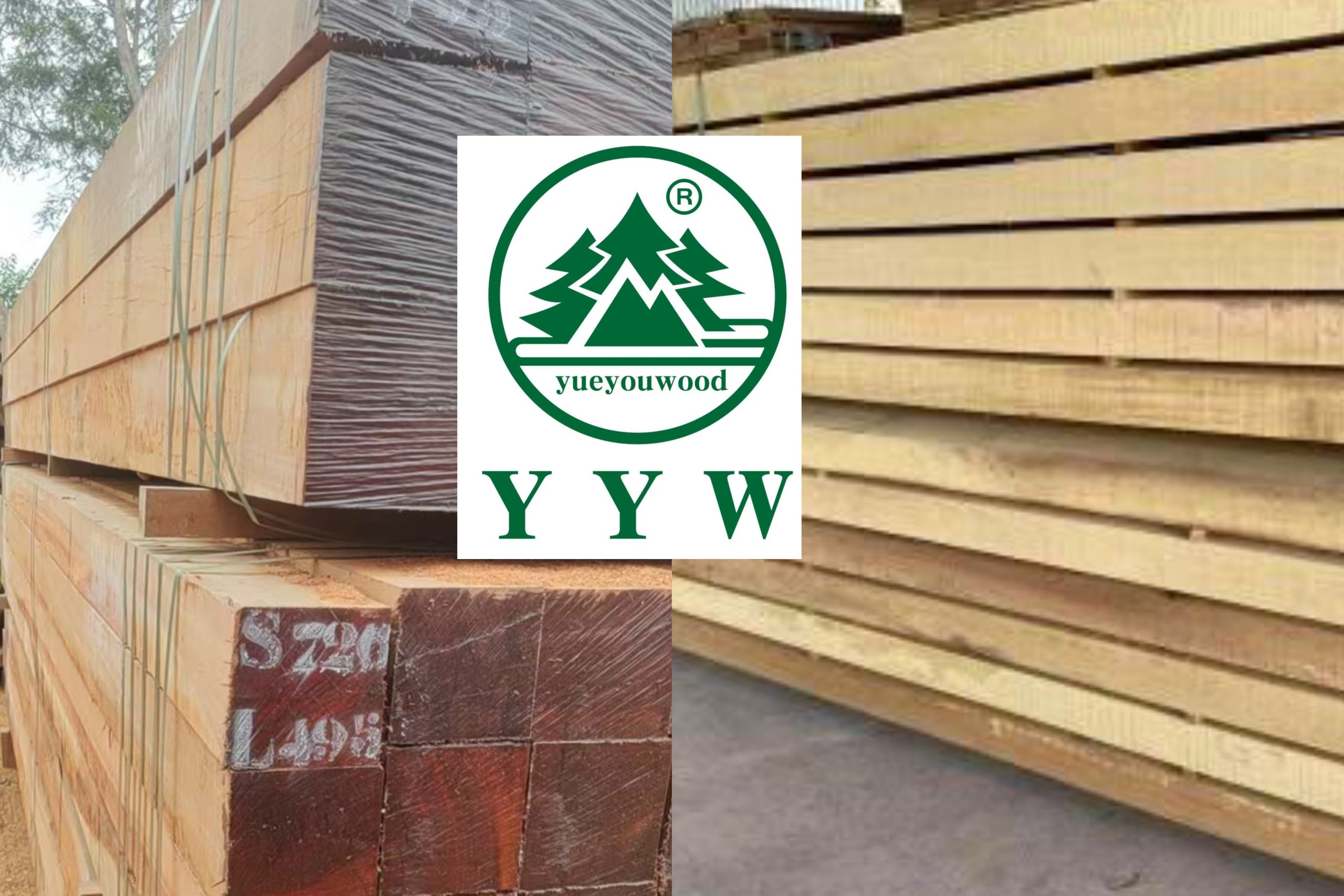
In the African hardwood market, Azobe and Iroko are both widely used for outdoor and heavy-duty applications. However, their performance characteristics and typical uses differ significantly.
Azobe, also known as Ekki and botanically classified as Lophira alata, is one of the densest and most durable African hardwoods. Iroko, scientifically known as Milicia excelsa, is a versatile hardwood often used as a practical solution for exterior and interior applications.
Understanding the differences between these two species helps buyers select the most suitable material for their projects.
Strength and Density
Azobe is extremely dense and heavy, making it ideal for applications that require high load-bearing capacity and resistance to wear. It is often used in demanding environments where durability is critical.
Iroko, while still durable, is lighter and easier to handle. It offers good structural performance but is generally selected for applications where extreme hardness is not required.
Workability and Processing
Due to its high density, Azobe can be more difficult to machine and process. Specialized tools and handling are often required during cutting and installation.
Iroko is significantly easier to machine, making it suitable for joinery, furniture, and general woodworking applications. It allows more flexibility during production.
Outdoor and Structural Applications
Azobe is commonly used for:
- Marine construction
- Bridge decking
- Heavy-duty outdoor structures
- Railway sleepers
- Industrial flooring
Iroko is widely used for:
- Outdoor decking
- Garden furniture
- Exterior joinery
- Doors and windows
- General construction
Choosing Between Azobe and Iroko
The choice depends on project requirements.
For heavy structural use and extreme durability, Azobe is the preferred option.
For general outdoor applications with easier processing and handling, Iroko provides a more flexible and cost-effective solution.
Both species are important in the African hardwood supply chain and serve different segments of the global timber market.
At YYW Timber, we coordinate sourcing and export logistics for African hardwood species including Azobe (Ekki), Iroko, Okoume, Ayous, Zebrano, and others.
For specifications and supply inquiries:
gemma@yueyouwood.com
www.yywtimber.com