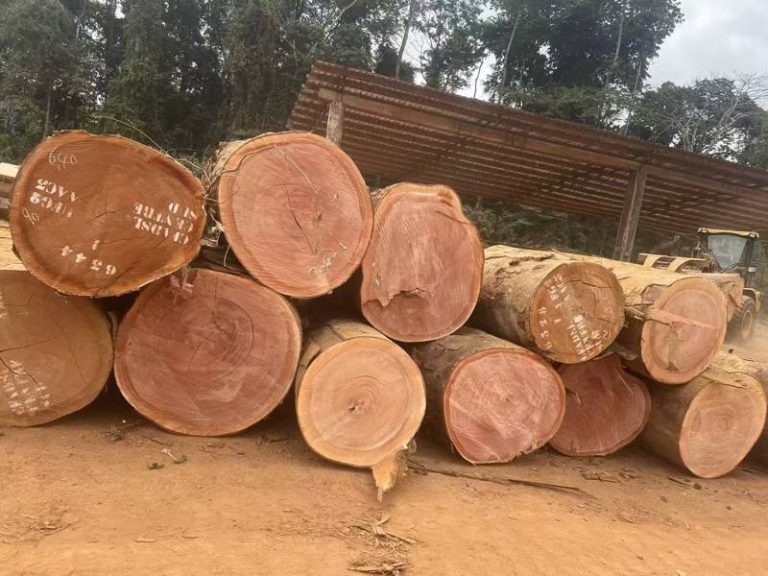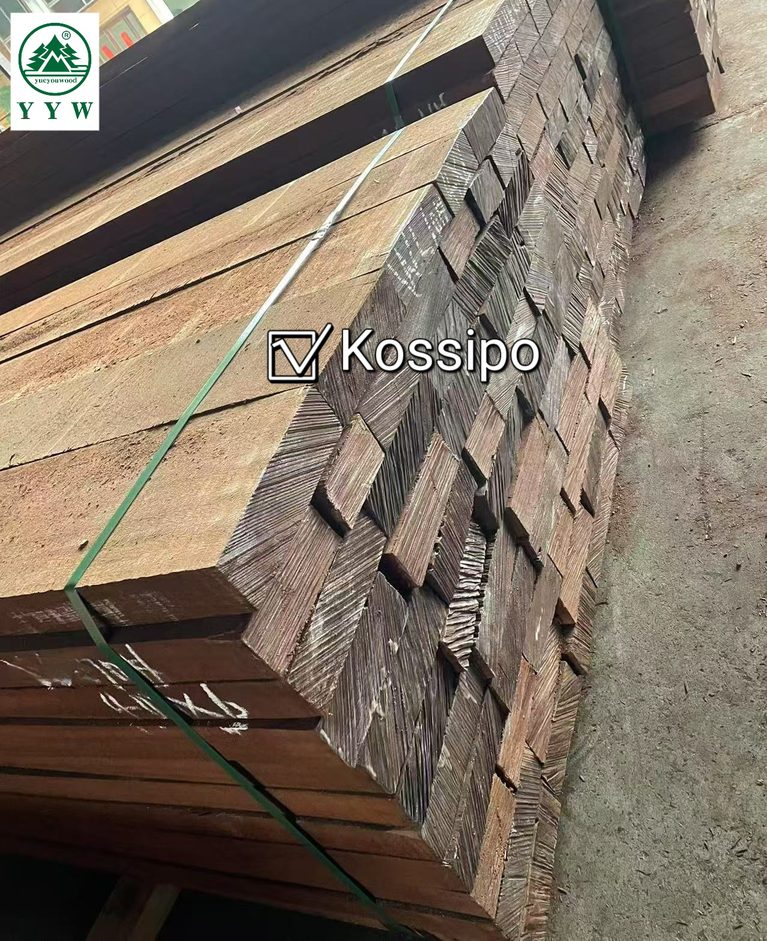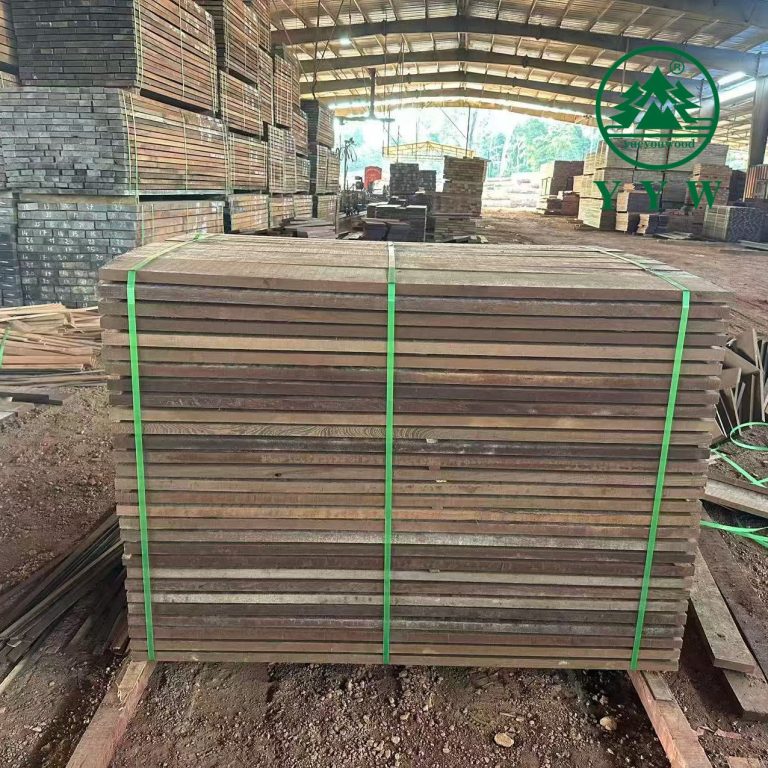
Legal Wenge wood sourcing involves a rigorous verification of Millettia laurentii through CITES Appendix II permits, FSC/PEFC chain-of-custody documentation, and EUTR-compliant due diligence. Ensuring legality mitigates regulatory risk, protects biodiversity in the Congo Basin, and guarantees that high-value FAS Grade sawn timber meets international ethical standards for global export.
Key Takeaways for Compliance Officers
- CITES Appendix II Status: All Wenge exports now require valid CITES permits following the CoP19 updates.
- Due Diligence Systems: Importers must maintain a robust framework to satisfy EUTR and Lacey Act requirements.
- Documentation Hierarchy: Prioritize FLEGT licenses and FSC certificates over simple commercial invoices.
- Source Origin: Verify the specific forest concession (UFA) to ensure the timber was harvested legally.
For high-end furniture manufacturers and architectural designers, Wenge (Millettia laurentii) is unparalleled in its aesthetic and structural properties. However, as an African timber trade expert with over two decades of experience, I have seen the complexities of the Congo Basin supply chain firsthand. The global shift toward strict environmental governance means that legal Wenge wood sourcing is no longer just a corporate social responsibility goal—it is a mandatory legal requirement for any business operating in the EU, USA, or UK.
The Regulatory Framework Governing Legal Wenge Wood Sourcing
Wenge is native to the central African regions, primarily found in the Democratic Republic of Congo (DRC), Republic of Congo, Gabon, and Cameroon. Due to over-exploitation and habitat loss, Millettia laurentii was added to the CITES Appendix II listing. This designation means that while trade is permitted, it must be strictly controlled to prevent the species from becoming endangered. To achieve legal Wenge wood sourcing, every shipment must be accompanied by an export permit from the country of origin, confirming that the timber was harvested in a manner not detrimental to the survival of the species.
Beyond CITES, compliance officers must navigate the European Union Timber Regulation (EUTR) and the United States’ Lacey Act. These laws place the burden of proof on the ‘operator’ (the entity first placing the timber on the market). If you cannot prove the legality of your Sawn Timber or Log Cants, you face severe penalties, including seizure of goods and criminal prosecution. At YYW Timber, we prioritize transparency by providing a complete digital audit trail for every FAS Grade order.
Technical Documentation Comparison for Major Exporting Nations
Different jurisdictions in Africa have varying levels of documentation maturity. Understanding these nuances is critical for risk assessment.
| Document Type | Cameroon (VPA Partner) | DR Congo (DRC) | Republic of Congo (ROC) |
|---|---|---|---|
| Harvesting Rights | Concession (UFA) Permit | Permis de Coupe Industrielle | Convention d’Aménagement |
| Transportation | Lettre de Voiture | Feuille de Route | Bordereau de Route |
| CITES Compliance | CITES Export Permit | CITES Export Permit | CITES Export Permit |
| Traceability Mark | Barcode/Hammer Mark | Physical Hammer Mark | Digital Tracking (SNDVF) |
Five Essential Steps to Verify Your Wenge Supply Chain
1. Authenticating CITES Export Permits
The CITES permit is the bedrock of legal Wenge wood sourcing. You must verify that the permit is signed by the designated National Management Authority of the exporting country. Check the security stamp, the expiration date, and ensure the volume listed matches the physical shipment. Many fraudulent cases involve ‘recycled’ permits or altered volume figures. For more information on CITES regulations, visit the Official CITES Website.
2. Validating FSC and PEFC Chain of Custody
While CITES covers legality, Forest Stewardship Council (FSC) certification provides an additional layer of assurance regarding sustainability and social impact. Always verify the supplier’s FSC certificate status on the FSC Public Search database. Ensure that the ‘Chain of Custody’ (CoC) remains unbroken from the forest concession to the sawmill and finally to your warehouse. A lapse at any stage invalidates the claim of sustainable origin.
3. Assessing FLEGT Licensing and VPA Status
Forest Law Enforcement, Governance and Trade (FLEGT) Voluntary Partnership Agreements (VPAs) are bilateral trade agreements between the EU and timber-producing countries. If a country (like Cameroon) issues a FLEGT license, the timber is automatically considered legal under EUTR. However, currently, most Wenge-producing nations are still in the ‘implementation’ phase, meaning full FLEGT licenses are rare. In these cases, rigorous ‘Due Diligence’ is required by the importer. You can consult the EU Timber Regulation Guidelines for specific risk mitigation steps.
4. Auditing Harvesting Permits and Concession Data
To truly guarantee legal Wenge wood sourcing, you must know the ‘Management Unit’ (UFA or UFE) where the tree was felled. Request the annual harvest plan (PAO) from your supplier. This document proves that the specific volume of Wenge being sold was authorized for extraction within that calendar year. Cross-referencing these documents with satellite imagery (such as Global Forest Watch) can help verify that no illegal logging occurred outside the authorized boundaries.
5. Physical Inspection and FAS Grading Standards
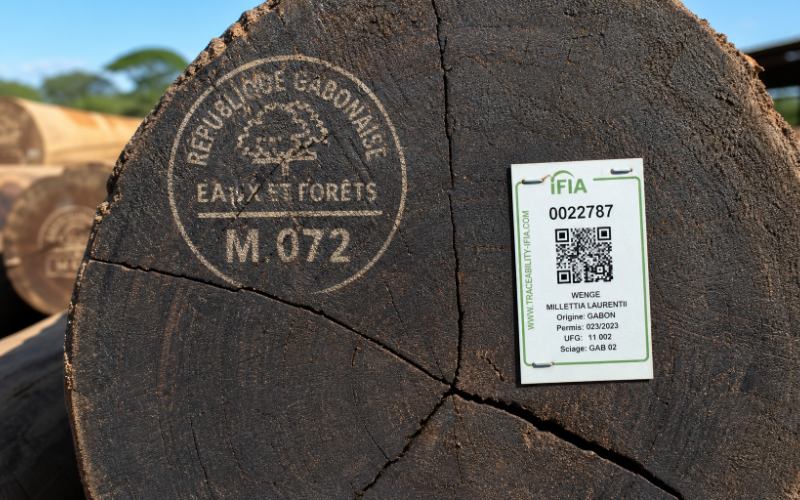
Legality isn’t just about paper; it’s about the product. Ensure that your Sawn Timber meets the First and Seconds (FAS) grade standards. FAS grade Wenge should be largely clear of defects, with consistent color and grain. During inspection, check for the official ‘Hammer Marks’ on the ends of the logs or cants. These physical marks link the timber to the legal documents provided by the forestry ministry.
Common Red Flags in African Hardwood Supply Chains
As an expert in the African timber trade, I advise compliance officers to watch for these red flags:
- Unusually Low Prices: Millettia laurentii is a premium hardwood. If the price is significantly below market value, it often indicates skipped taxes, illegal harvesting, or lack of CITES compliance.
- Inconsistent Volume Data: If the packing list shows 25 cubic meters but the CITES permit only covers 15, the entire shipment is at risk of seizure.
- Indirect Shipping Routes: Be wary of timber that is transshipped through multiple countries without clear justification, as this is a common tactic to obscure the origin of illegally logged wood.
Why Compliance Officers Prioritize Legal Wenge Wood Sourcing
The financial and reputational stakes are higher than ever. Beyond the ethical imperative to protect the Congo Basin, legal Wenge wood sourcing ensures business continuity. Companies that fail to perform due diligence risk being blacklisted by major retailers and facing lawsuits under the Lacey Act. At YYW Timber, we offer comprehensive Compliance Consulting and Certified Wenge Sawn Timber to streamline your procurement process.