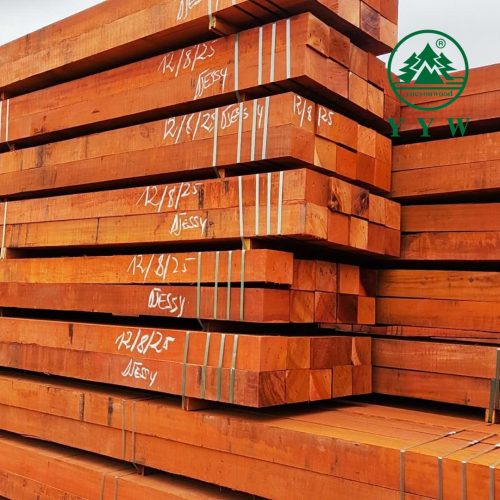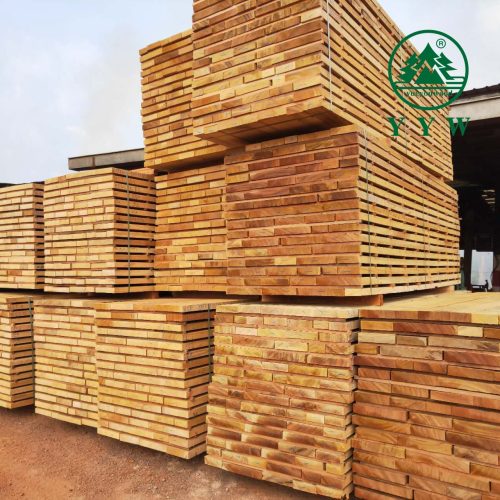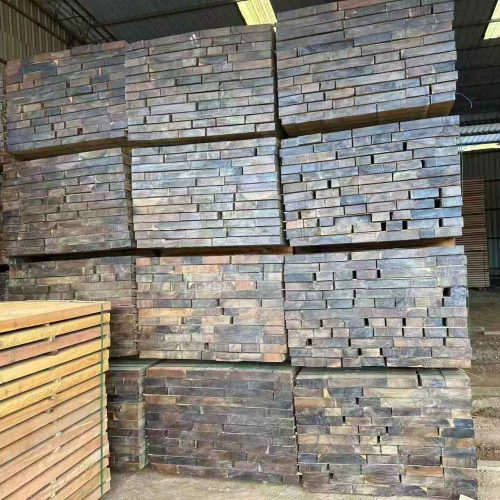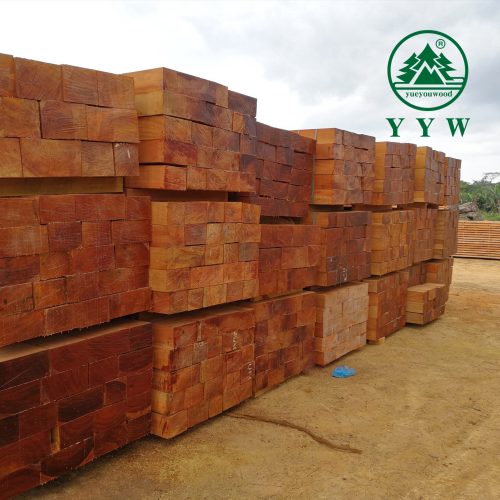
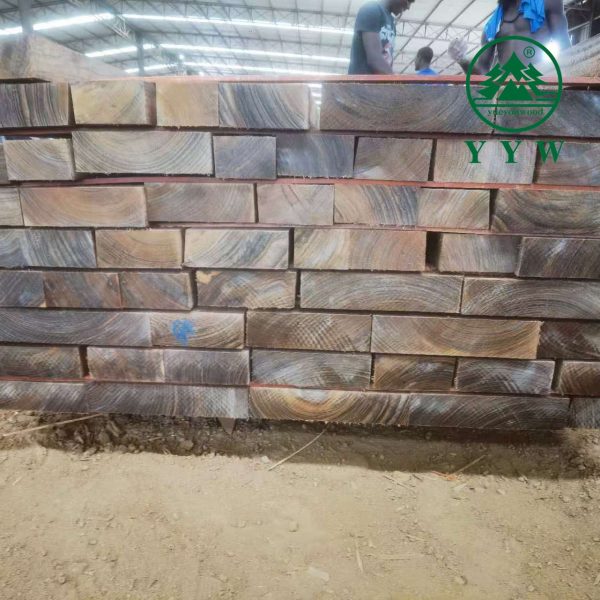
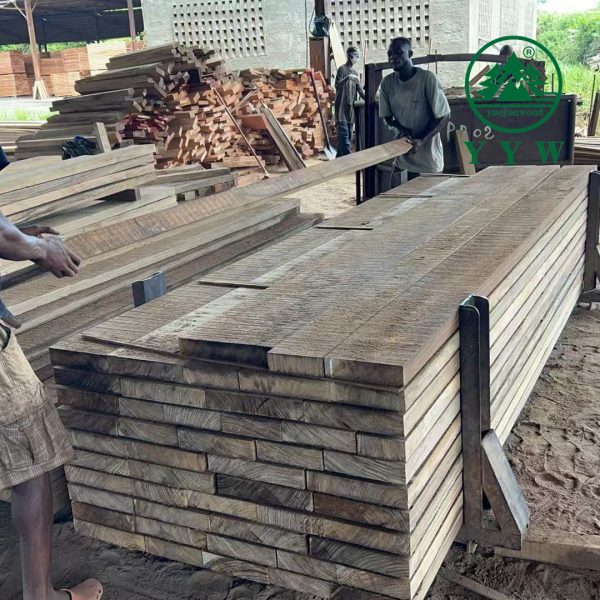
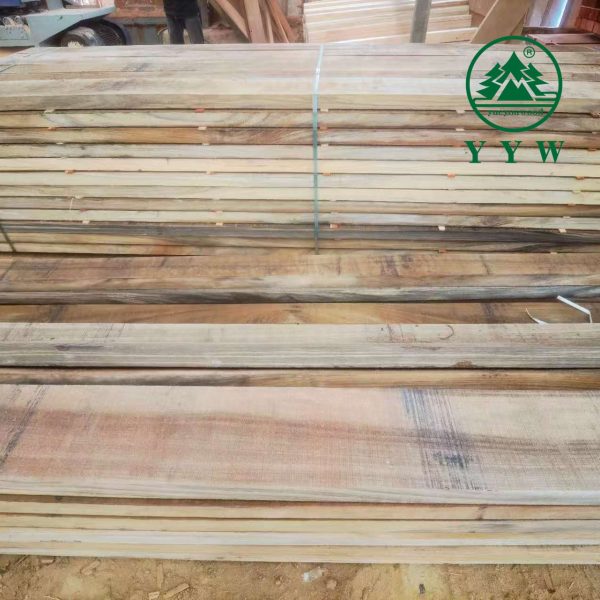
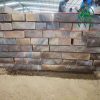
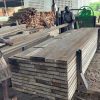
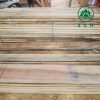
Sourcing high-durability African Opepe Timber (Nauclea diderrichii) is a strategic move for large-scale marine and heavy construction projects worldwide. Distinguished by its striking golden-yellow to orange hues, this species is celebrated for its exceptional natural resistance to rot and marine borers. At YYW Timber, we supply FAS-grade, kiln-dried (8-12% MC) Bilinga lumber, ensuring that international wholesalers receive a reliable, long-lasting material for harbor works, bridge decking, and premium outdoor structures that require a Class 1 durability rating.
Oppe Overview:
Opepe, also known as Bilinga, is a highly durable hardwood native to West and Central Africa. Its golden brown or orange heartwood darkens with age, giving it a rich, appealing color. This wood is known for its strength, resilience, and versatility, making it an ideal choice for heavy-duty applications. It is particularly valued in marine and construction industries due to its resistance to wear, decay, and marine borers.
Oppe Wood Physical Properties:
Density: 770 kg/m³ (48.2 lbs/ft³)
Janka Hardness: 1,550 lbf (6,890 N)
430
1,260
1,360
1,550
2,410
*Data measured in lbf. Bilinga’s density provides superior resistance to structural wear and biological decay.
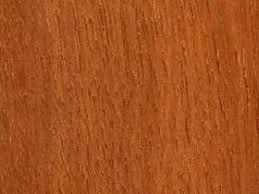
Color: The heartwood is golden brown or orange, with the sapwood being light yellow, clearly demarcated from the heartwood.
Durability: Opepe is moderately durable to very durable, with good resistance to insects, marine borers, and decay. It performs well in both freshwater and saltwater environments.
Grain: Generally interlocked or irregular, with a uniform coarse texture. It has a natural luster that enhances its visual appeal.
Technical Sourcing & Quality Insights
For professional procurement managers, distinguishing between phonetically similar African species is critical to ensuring material suitability. To avoid common industry errors, we recommend reviewing our technical guide on Bubinga vs. Bilinga to compare their specific density profiles and commercial applications.
Furthermore, sourcing genuine Opepe wood that meets FAS grading criteria is essential for project longevity. To maintain strict inventory control, wholesalers should also be familiar with the steps to verify FAS grade timber before confirming international shipments.
Bulinga Wood Workability:
Machining: Moderately easy to work, though care is needed when the grain is irregular to avoid tear-out. It does not respond well to steam bending.
Gluing: Takes glue well and finishes smoothly, ensuring strong bonds and an elegant surface.
Nailing and Screwing: Effective with pre-drilling, as Opepe is prone to splitting when nailed or screwed directly.
Bilinga Timber Applications:
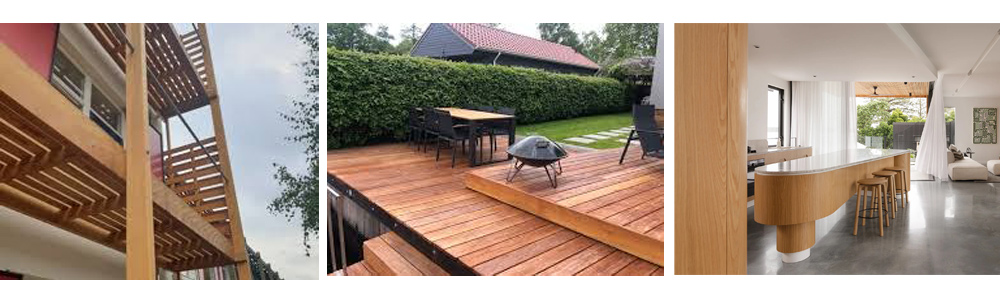
Marine Construction: Often used for docks, piers, and boatbuilding due to its resistance to water and marine organisms.
General Construction: Ideal for structural lumber, flooring, and heavy-duty outdoor furniture.
Flooring: Opepe is used in both residential and commercial flooring applications, providing excellent durability in high-traffic areas.
Furniture and Cabinetry: Its fine grain and luster make it suitable for high-end furniture and cabinetry.
Carving and Turning: Opepe is also used in the production of turned objects and carvings due to its workable nature and appealing finish.
Sustainability:
Conservation Status: Opepe is not listed in CITES but is reported as near-threatened by the IUCN. Sustainable sourcing practices are encouraged to maintain the availability of this wood.
Why Choose Opepe Timber?
Durability: Its strength and resistance to decay make Opepe a long-lasting choice for both interior and exterior applications.
Aesthetic Appeal: The golden brown or orange hue that darkens with age, combined with the wood’s luster, provides a unique and appealing visual for various projects.
Marine and Structural Use: The natural resistance to marine borers and decay makes it an excellent option for marine-based applications and heavy construction needs.