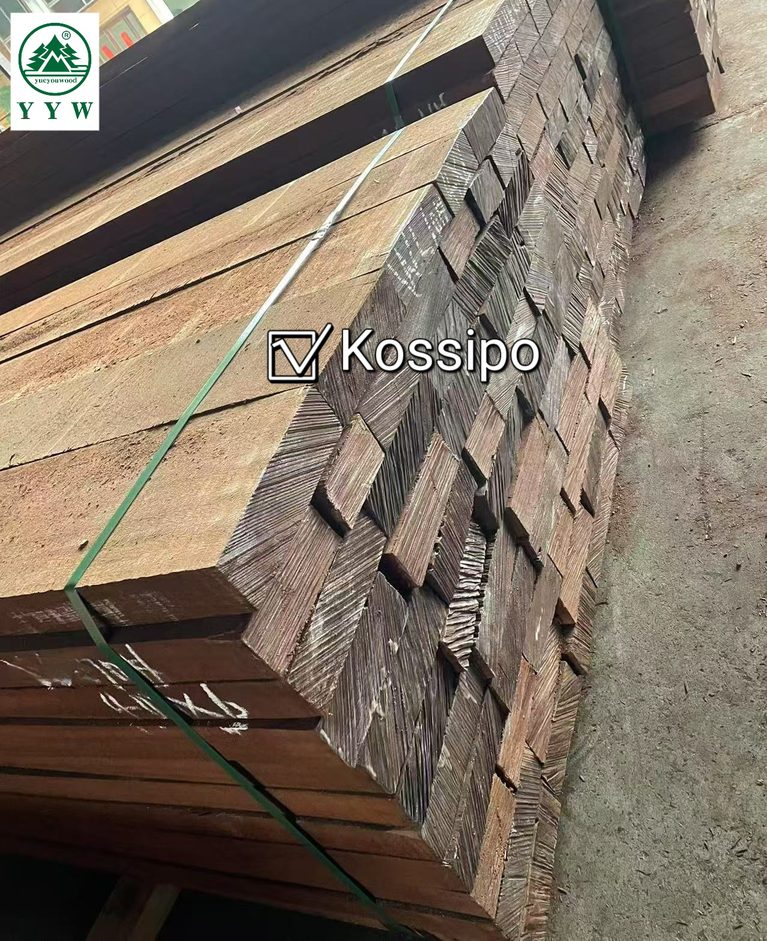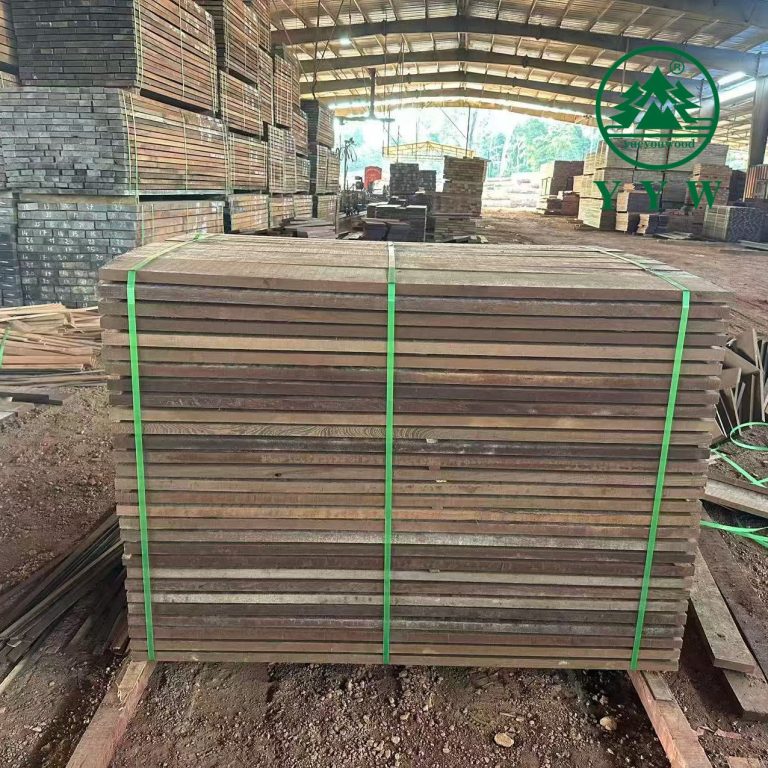
Acacia wood is a dense, durable hardwood prized for furniture, flooring, and cabinetry. Its high resistance to wear, water, and insects makes it ideal for both indoor and outdoor applications, delivering lasting performance and rich aesthetics.
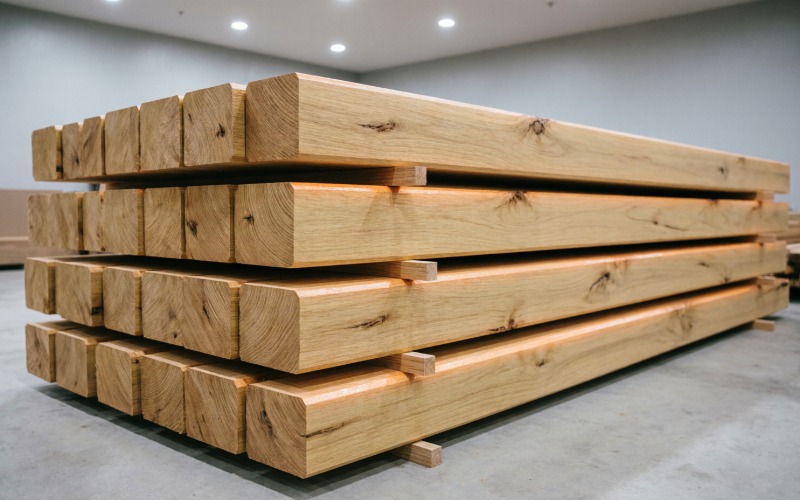
Acacia wood originates from the Acacia genus, primarily found in Australia, Africa, and Southeast Asia. Known for its vibrant colors ranging from golden brown to deep reddish hues, Acacia wood combines beauty with practicality, making it a favorite for wood enthusiasts, interior designers, and consumers seeking sustainable hardwood options.
Key Takeaways
- Acacia wood is a dense, durable hardwood ideal for furniture, flooring, and cabinetry.
- It has natural resistance to water, decay, and insect damage.
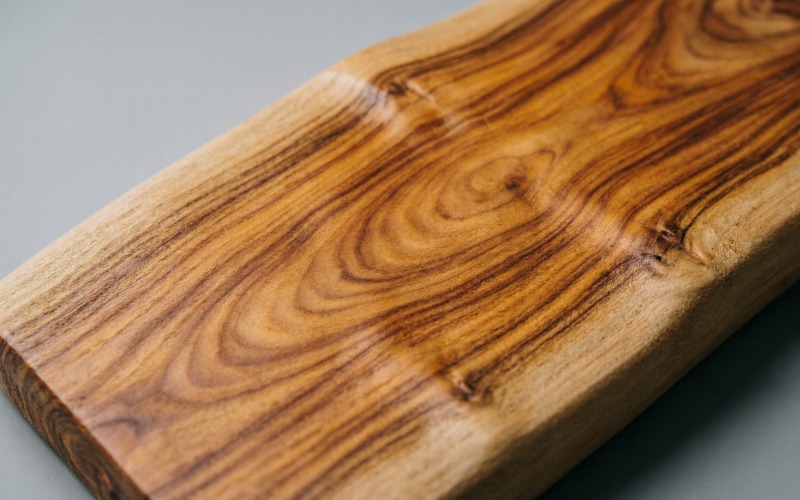
- Rich color variations and natural grain make it highly aesthetic.
- Easy to work with and finishes well with oils and varnishes.
- Sustainable harvesting practices enhance its eco-friendly appeal.
Physical and Mechanical Properties of Acacia Wood
Acacia wood’s physical properties make it suitable for heavy-duty applications. It has a high Janka hardness rating, ensuring excellent resistance to dents and scratches. The wood’s density averages between 600-900 kg/m³, providing a solid, sturdy feel for furniture and flooring.
| Property | Value |
|---|---|
| Density | 600–900 kg/m³ |
| Janka Hardness | 2,300–2,800 lbf |
| Color | Golden brown to deep reddish-brown |
| Grain | Interlocked or straight with smooth texture |
| Durability | High – resistant to rot and insects |
Durability and Resistance to Environmental Factors
Acacia wood’s natural oils enhance its resistance to moisture, decay, and insect attacks. This makes it suitable for outdoor furniture, decking, and kitchen environments where exposure to water is frequent. Properly finished Acacia wood can last for decades, maintaining its structural integrity and visual appeal.
Applications in Interior Design and Furniture
Acacia wood is versatile for both functional and decorative purposes. Its applications include:
- High-end furniture such as dining tables, chairs, and cabinets.
- Flooring that balances hardness with warm aesthetics.
- Decorative wall panels and veneers.
- Kitchen accessories and cutting boards due to water resistance.
- Outdoor furniture when treated for weather protection.
Applications in Interior Design and Furniture
Acacia wood offers a balance of durability, beauty, and sustainability. Its versatility makes it suitable for furniture, flooring, and decor, while responsible sourcing ensures ecological responsibility. For interior designers and wood enthusiasts, Acacia wood represents a practical and aesthetically pleasing choice that lasts for generations.
Despite its density, Acacia wood machines well with sharp tools. It sands smoothly, and its interlocked grain can produce dramatic visual effects when polished. Finishing with oils, varnishes, or polyurethane enhances the natural luster and protects the surface from wear.
Environmental and Sustainability Considerations
Responsible sourcing is crucial. Acacia wood is often certified under FSC (Forest Stewardship Council) and complies with CITES regulations, ensuring legal harvesting and ecological sustainability. Choosing certified Acacia wood supports reforestation and reduces environmental impact.
Comparing Acacia Wood with Other Popular Hardwoods
| Wood Type | Density (kg/m³) | Hardness (lbf) | Color Range | Best Use |
|---|---|---|---|---|
| Acacia | 600–900 | 2,300–2,800 | Golden to reddish brown | Furniture, Flooring, Outdoor |
| Teak | 650–750 | 1,070–1,150 | Golden brown | Decking, Outdoor Furniture |
| Oak | 700–800 | 1,200–1,360 | Light to medium brown | Furniture, Flooring |
| Maple | 700–750 | 1,450–1,500 | Pale cream to reddish brown | Cabinetry, Flooring |
Maintenance Tips for Long-Term Performance
Maintaining Acacia wood is straightforward:
- Regular dusting and wiping with a damp cloth.
- Apply natural oils or furniture wax periodically.
- Protect from prolonged exposure to direct sunlight.
- Use coasters and mats to prevent stains.
- Refinish surface when signs of wear appear.
Buying Tips and Quality Indicators
When purchasing Acacia wood products, look for:
- Uniform color and natural grain patterns.
- FSC or other sustainability certifications.
- Solid construction without excessive knots or cracks.
- Properly kiln-dried wood to prevent warping.
- Finished surfaces that enhance natural luster.
Conclusion: Why Choose Acacia Wood
Acacia wood offers a balance of durability, beauty, and sustainability. Its versatility makes it suitable for furniture, flooring, and decor, while responsible sourcing ensures ecological responsibility. For interior designers and wood enthusiasts, Acacia wood represents a practical and aesthetically pleasing choice that lasts for generations.
If you’re ready to elevate your next project with high-quality hardwood, consider Acacia wood for its strength, elegance, and long-lasting performance.
FAQ
Yes, Acacia wood is naturally resistant to moisture, decay, and insects, making it ideal for outdoor furniture when properly finished.
Acacia is harder than both oak and teak, with a Janka hardness of 2,300–2,800 lbf, offering excellent durability for heavy-use furniture and flooring.
Yes, Acacia wood can be sanded and refinished multiple times. Applying oils or varnishes restores its natural luster and protects the surface.
Acacia wood is eco-friendly when sourced responsibly with FSC certification, promoting sustainable forestry and reducing environmental impact.