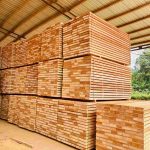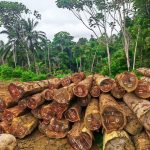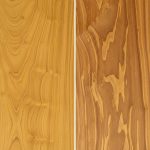
Choosing the right timber for exterior applications is a critical decision for large-scale joinery manufacturers. When sourcing African hardwoods, two names consistently rise to the top of the list: Sapele and Iroko. Both species are renowned for their strength, aesthetic appeal, and resilience against the elements. However, selecting between them requires a deep understanding of their technical properties.
For importers and factory owners, the debate of Sapele vs Iroko exterior joinery often comes down to specific project requirements. Does the project demand the supreme stability of Iroko, or is the rich, mahogany-like finish of Sapele the priority? Furthermore, cost implications and supply chain consistency play massive roles in this decision. In this comprehensive guide, we analyze these two timber titans to help you make an informed B2B purchasing decision.
Overview of Sapele (Entandrophragma cylindricum)
Sapele is one of Africa’s most significant exports, predominantly sourced from West and Central Africa, including Cameroon and Congo. It is widely celebrated as a superior alternative to Genuine Mahogany. Consequently, it has become a staple in the manufacturing of window frames, doors, and conservatories.
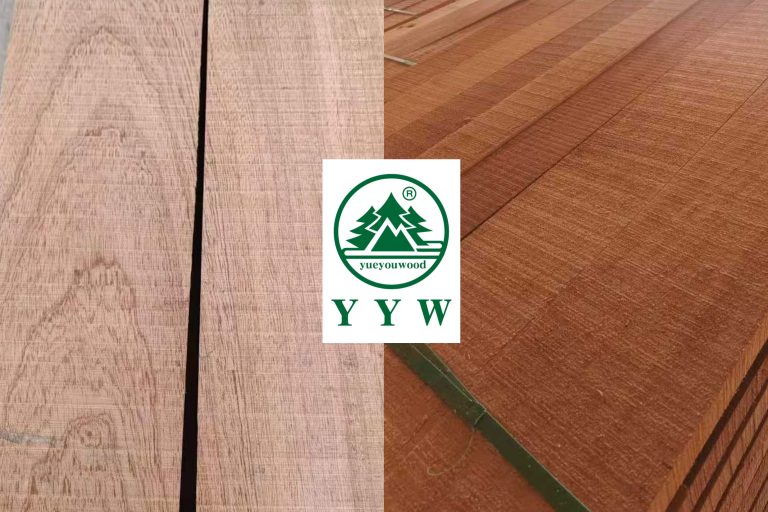
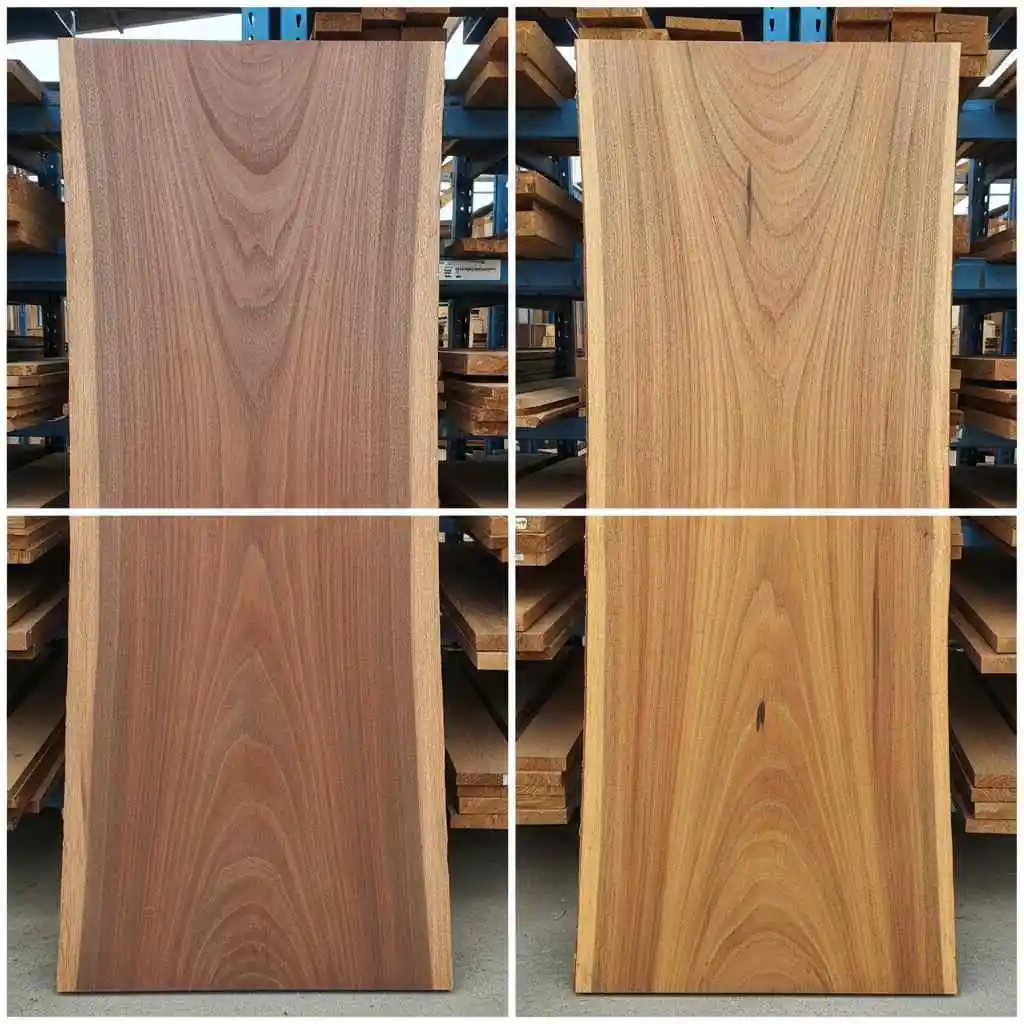
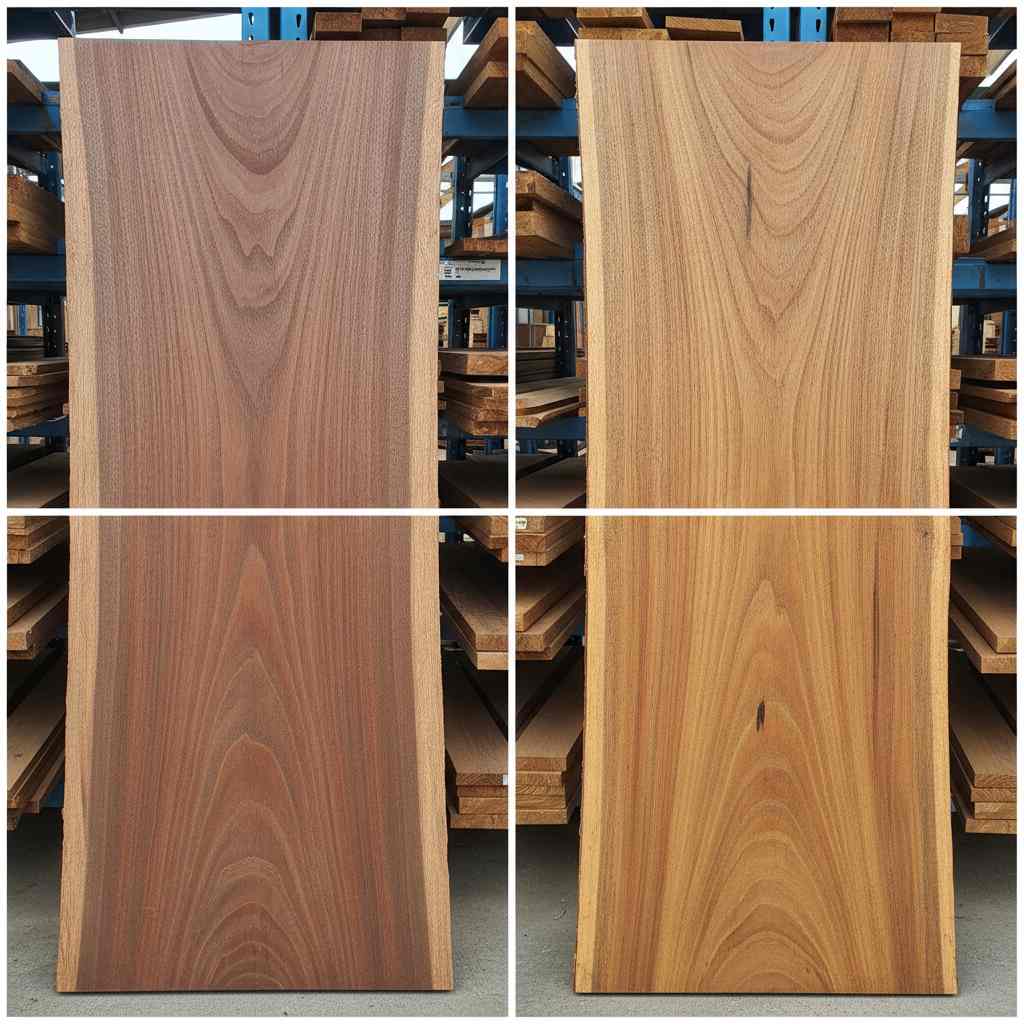
Visually, Sapele is stunning. It features a reddish-brown heartwood that darkens with age. Moreover, its grain is interlocked, often producing a distinct ribbon-stripe figure when quartersawn. This aesthetic quality makes it highly desirable for projects where visual finish is paramount.
However, from a manufacturing standpoint, the interlocked grain can present challenges. It requires sharp tooling to prevent tear-out during machining. Despite this, its density provides excellent screw-holding capacity, which is vital for heavy structural joinery.
Overview of Iroko (Milicia excelsa)
Often referred to as “African Teak,” Iroko is a heavyweight contender in the exterior timber market. While it is not botanically related to Teak, it shares many of the same high-performance characteristics. It is typically sourced from West African nations such as Ghana and Ivory Coast.
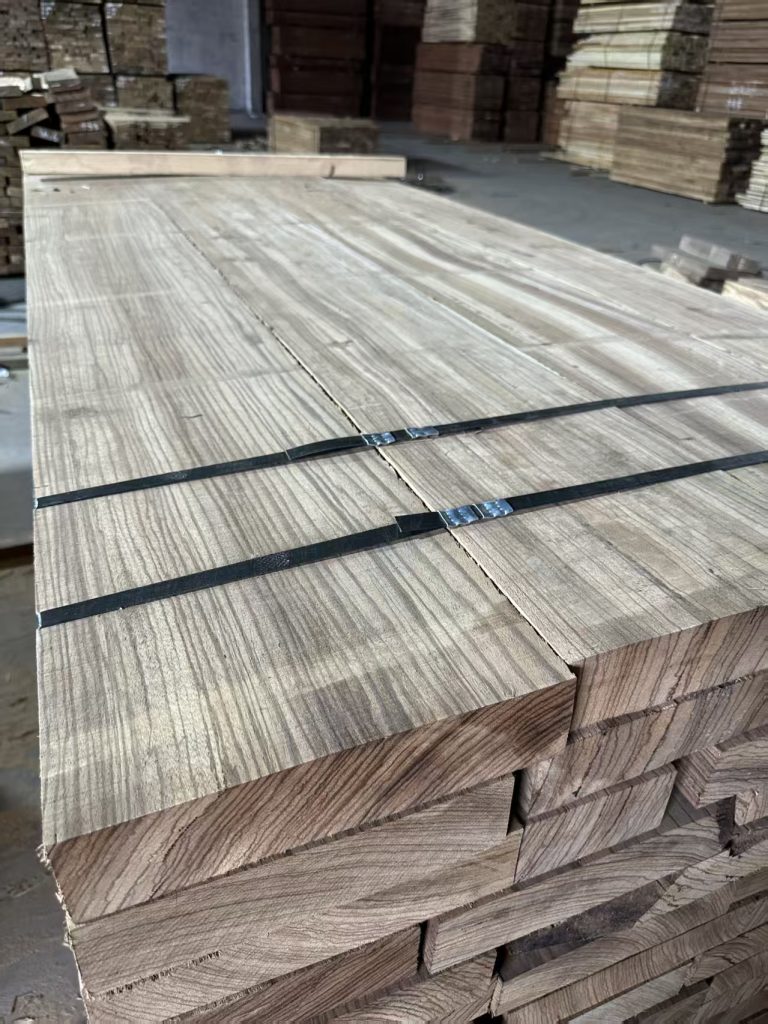
Iroko starts as a yellow-brown colour but quickly matures to a rich copper-brown upon exposure to light. Its texture is generally coarser than Sapele. Furthermore, Iroko is famous for its natural durability. It contains natural oils and deposits that make it incredibly resistant to rot and insect attack.
For manufacturers, working with Iroko involves managing its mineral deposits. Occasionally, the wood contains calcium carbonate deposits (stone), which can blunt cutter blades. Nevertheless, its stability profile is unmatched in this price bracket.
Sapele vs Iroko: Technical Comparison
To truly understand the Sapele vs Iroko exterior joinery debate, we must look at the data. Below is a comparison of their physical properties relevant to export and manufacturing.
| Property | Sapele (Entandrophragma cylindricum) | Iroko (Milicia excelsa) |
|---|---|---|
| Average Dried Weight | 670 kg/m3 | 660 kg/m3 |
| Janka Hardness | 1,510 lbf (6,700 N) | 1,260 lbf (5,610 N) |
| Durability Rating | Moderately Durable to Durable | Very Durable |
| Shrinkage (Radial) | 4.8% | 2.8% |
| Shrinkage (Tangential) | 7.2% | 3.8% |
| Price Range | Moderate | Moderate to High |
Dimensional Stability and Movement
Dimensional stability is arguably the most critical factor for exterior joinery. Wood that warps, twists, or swells significantly can cause joinery failures, leading to warranty claims. In this category, Iroko is the clear winner.
Iroko has very low shrinkage rates (Radial: 2.8%, Tangential: 3.8%). This means that once it is kiln-dried, it moves very little, even with fluctuations in humidity. Consequently, it is an ideal choice for cladding, gates, and external doors in variable climates.
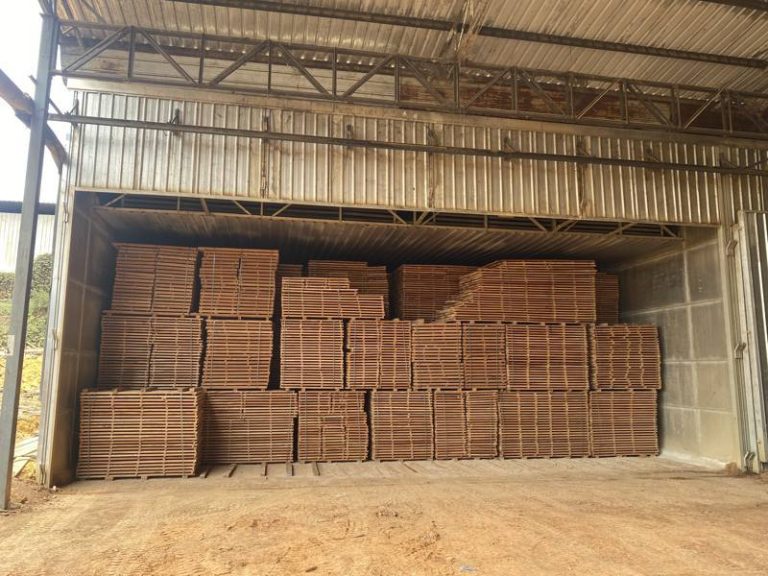
Sapele, while relatively stable compared to many softwoods, has higher movement coefficients (Radial: 4.8%, Tangential: 7.2%). Therefore, Sapele requires precise kiln drying to 12-14% moisture content before manufacturing. If not properly dried, Sapele can be prone to distortion. For reliable sourcing of kiln-dried stock, explore our Sapele Lumber capabilities.
Durability and Rot Resistance
Exterior joinery faces constant assault from rain, UV rays, and fungi. Durability ratings classify how well the heartwood resists decay without treatment.
- Iroko: Classified as “Very Durable.” It is naturally resistant to rot and insect attack, often requiring no preservative treatment even when in contact with the ground. This makes it a favorite for landscaping and decking.
- Sapele: Classified as “Moderately Durable” to “Durable.” While it is robust, it is not as impervious as Iroko. For exterior use, Sapele should be treated with a high-quality sealant, paint, or varnish to ensure longevity.
For detailed scientific classifications of these durability ratings, you can reference the The Wood Database, which provides global timber standards.
Workability and Finishing
For a joinery factory, the ease of processing timber directly impacts labor costs and tool life.
Machining Sapele
Sapele is harder than Iroko. Its interlocked grain can cause “tear-out” during planing. To mitigate this, manufacturers must reduce the cutting angle to 15 degrees. However, Sapele takes stains and polishes exceptionally well. It paints beautifully, providing a high-gloss, glass-like finish that is highly sought after for luxury front doors.
Machining Iroko
Iroko generally machines well but can be abrasive due to calcium deposits. Furthermore, its natural oil content can sometimes interfere with the curing of certain varnishes or glues. Manufacturers are advised to wipe the surface with a solvent prior to gluing. Unlike Sapele, Iroko is often left unfinished to weather to a silver-grey hue, which is a popular architectural trend.
KD-scaled-1-1024x1024.jpg)
Cost and Availability
In the current global market, supply chain stability is vital. Both species are widely available from YYW Timber, but price fluctuations occur.
Generally, Sapele is moderately priced and enjoys excellent availability in large dimensions. This makes it cost-effective for mass production of windows and mouldings. Conversely, Iroko prices have been trending upwards due to high global demand and stricter export regulations in some West African regions. However, for projects requiring maximum lifespan with minimal maintenance, the extra investment in Iroko Timber is often justified.
Sustainability and Compliance
As responsible exporters, we prioritize legality. Neither Sapele nor Iroko is currently listed in the CITES Appendices, but both are on the IUCN Red List as vulnerable. This highlights the importance of sourcing from certified concessions.
Importers should always request proper documentation, such as certificates of origin and FSC certification where applicable. Adhering to regulations like the EU Timber Regulation (EUTR) is mandatory for European clients. We work closely with forestry commissions to ensure all our timber is harvested sustainably.
Final Verdict: Which Should You Choose?
The choice between Sapele and Iroko ultimately depends on the specific application.
Choose Sapele if:
- You need a paint-grade timber for windows and doors.
- You require a sophisticated, mahogany-like aesthetic for stained joinery.
- Budget constraints require a more cost-effective hardwood solution.
Choose Iroko if:
- The joinery will be exposed to severe weather or ground contact.
- Dimensional stability is the highest priority (e.g., sliding doors, cladding).
- You prefer a timber that can be left untreated to weather naturally.
At YYW Timber, we specialize in exporting high-grade African hardwoods to manufacturers worldwide. Whether you need FAS grade Sapele or kiln-dried Iroko, our team handles the logistics from forest to factory.