KD-scaled-1-600x601.jpg "Sapelli(Sapele)KD-scaled")
KD2-scaled-1-600x601.jpg "Sapelli(Sapele)KD2-scaled")
KD3-1-600x600.jpg "sapele wood mahogany")
KD1-scaled-1-600x599.jpg "african sapele hardwood")
KD-scaled-1-100x100.jpg "Sapelli(Sapele)KD-scaled")
KD2-scaled-1-100x100.jpg "Sapelli(Sapele)KD2-scaled")
KD3-1-100x100.jpg "sapele wood mahogany")
KD1-scaled-1-100x100.jpg "african sapele hardwood")
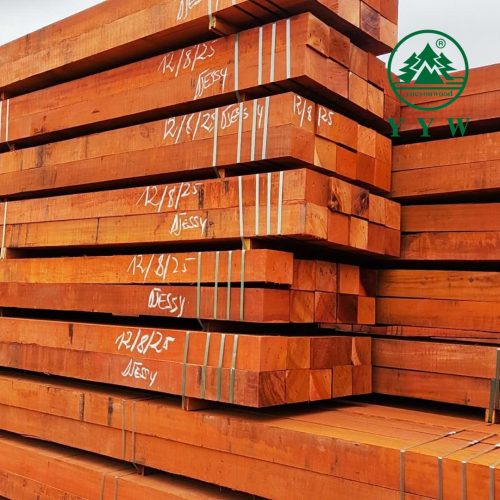
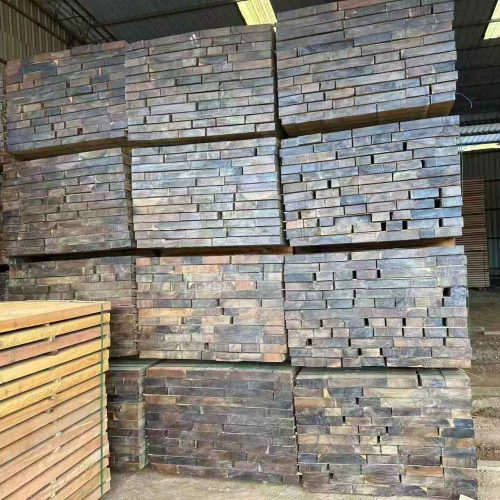
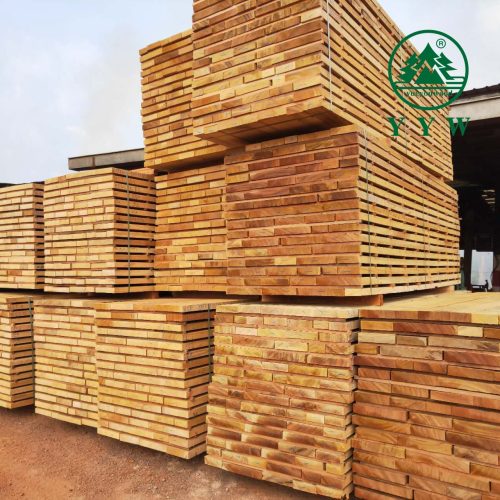
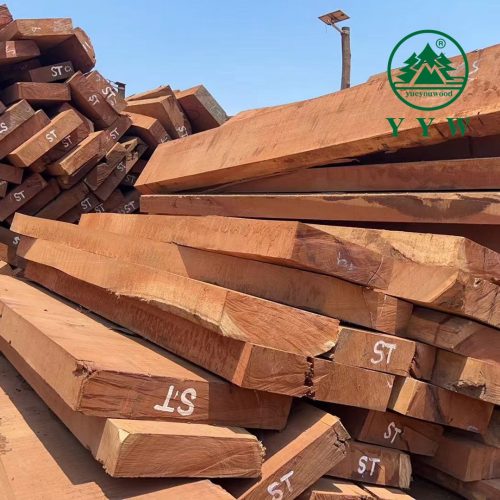
As the Sapele timber strong demand continues to rise in the African hardwood market, African Sapele Timber (Entandrophragma cylindricum) has solidified its position as the strategic benchmark for high-volume luxury manufacturing. This prestigious member of the Mahogany family is world-renowned for its shimmering ‘ribbon’ grain and superior dimensional stability, making it a favorite for those comparing African Mahogany vs. Sapele in our complete guide. At YYW Timber, we provide FAS-grade Sapele lumber precision Kiln-Dried (KD) to 8-12% MC, ensuring your stock meets the rigorous requirements found in our African Mahogany Sapele technical guide. Whether your project involves Sapele vs. Iroko exterior joinery or bespoke cabinetry, our Sapele sawn timber offers the aesthetic prestige and structural reliability required by today’s most demanding wholesalers.
What is Sapele Wood?
Sapele, often referred to as African Mahogany, is a dense and durable hardwood native to tropical Africa. It is prized for its rich reddish-brown color, interlocking grain patterns, and excellent workability. Sapele is commonly used in high-end furniture, cabinetry, musical instruments, and decorative veneers.
Sapele Wood Characteristics:
Density: Approximately 640–750 kg/m³
Janka Hardness: Approximately 1,360 lbf (6,060 N)
430
1,260
1,360
2,410
*Data measured in lbf. Sapele’s hardness makes it superior for high-traffic flooring and structural interior joinery.
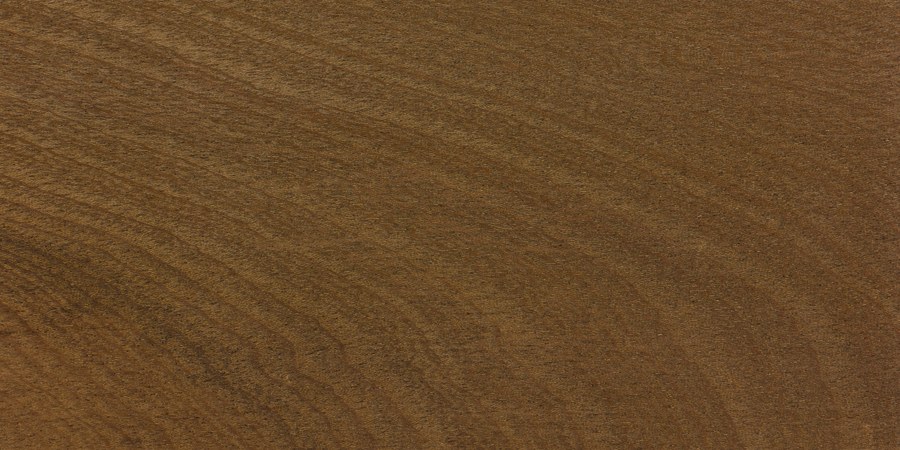
Color: Heartwood ranges from golden to dark reddish-brown; sapwood is pale yellow to cream-colored. The color tends to darken with age.
Grain: Interlocked, sometimes wavy; fine to medium texture with good natural luster.
Durability: Moderately durable in regard to decay resistance; moderate insect/borer resistance.
Shrinkage: Radial: 5.2%, Tangential: 7.2%, Volumetric: 12.9%
🛠️ Expert Craftsmanship & Machining Tips for Sapele
-
Managing Interlocked Grain: Sapele’s interlocked grain can be prone to “tear-out” during planing. To achieve a smooth surface, we recommend using a reduced cutting angle (approx. 15-20 degrees) and ensuring all blades are exceptionally sharp.
-
Finishing Mastery: Sapele takes stains and clear coats beautifully. To highlight the chatoyancy of the ribbon grain, consider using a grain filler to level the surface before applying high-gloss lacquers or oils.
-
Gluing Best Practices: Sapele glues exceptionally well with standard PVA and urea-formaldehyde resins. However, ensure the wood is properly acclimated to your workshop humidity for at least 48 hours to maintain its 8-12% MC stability.
-
Odor Observation: Sapele has a distinct, cedar-like scent when being worked. This is a natural characteristic that confirms the authenticity of the species and is generally well-received by end-users in bespoke furniture.
 African Sapele Hardwood Applications:
 African Sapele Hardwood Applications:
Furniture: Ideal for high-end furniture pieces such as tables, chairs, and cabinets due to its durability and aesthetic appeal.
Cabinetry: Commonly used in kitchen and bathroom cabinetry for its strength and attractive appearance.
Musical Instruments: Used in the construction of musical instruments, particularly for backs and sides of guitars and pianos.
Veneer: Sliced into veneers for decorative applications in furniture and interior design.
Interior Millwork: Widely used for interior moldings, trim, and paneling in both residential and commercial buildings.
Natural Sapele Wood Sustainability:
Conservation Status: Sapele is listed as “Vulnerable” on the IUCN Red List due to habitat loss and over-exploitation.
Environmental Considerations: When purchasing Sapele, ensure the wood is sourced from sustainably managed forests and certified under sustainable forestry programs, such as FSC (Forest Stewardship Council), to help protect forests in the long term.
Why Choose Sapele?
Aesthetic Appeal: Its rich color and distinctive grain patterns make Sapele a visually striking choice for a variety of applications.
Durability: With its high density and hardness, Sapele is suitable for both functional and decorative uses in high-traffic areas.
Versatility: Whether you’re using it for furniture, cabinetry, or musical instruments, Sapele offers excellent versatility for a range of projects.