
Global demand for African hardwoods has remained consistent over the last two decades. Among these species, Iroko (Milicia excelsa) stands out as a premier choice for exterior construction and joinery. However, sourcing legal Iroko is no longer just a matter of finding the right supplier; it is a complex process of regulatory adherence. Consequently, importers in Europe and North America face increasing pressure to prove the chain of custody for every container they purchase.
For B2B buyers, wholesalers, and factories, understanding the nuances of the European Union Timber Regulation (EUTR) and Forest Stewardship Council (FSC) certification is non-negotiable. Illegal timber trade poses severe legal risks, financial penalties, and reputational damage. Therefore, this guide aims to equip compliance officers and procurement managers with the knowledge necessary to navigate this landscape securely.
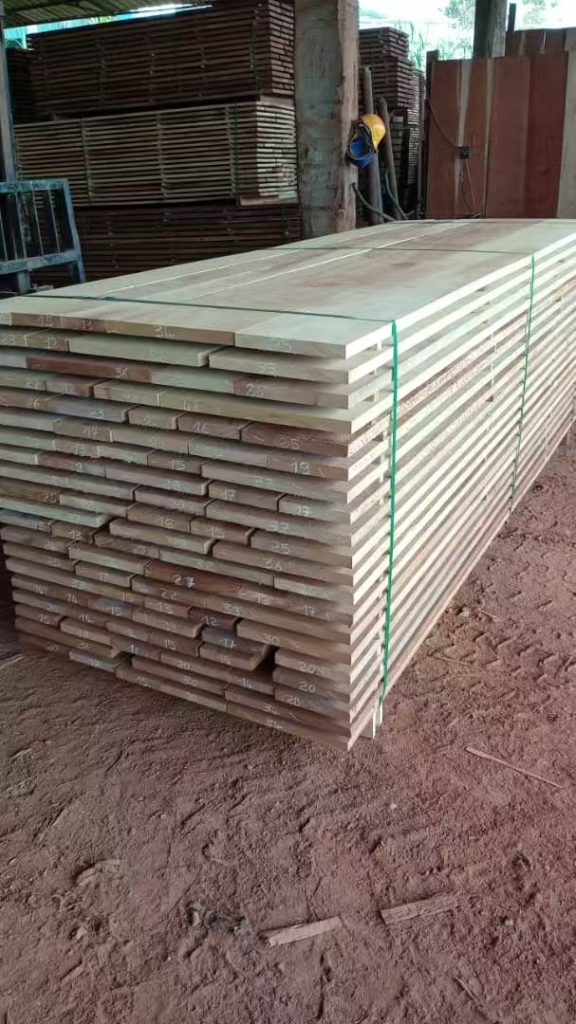
The Importance of Sourcing Legal Iroko
Iroko, often referred to as “African Teak,” is prized for its durability and resistance to decay. Nevertheless, its popularity has historically made it a target for unsustainable logging practices. As a result, international bodies have tightened regulations to ensure that trade does not threaten the species’ survival or the biodiversity of the Congo Basin.
When you commit to sourcing legal Iroko, you are doing more than obeying the law. You are ensuring a stable supply chain for your business. Illegal timber is often seized at borders, leading to devastating project delays. Furthermore, consumers are increasingly demanding environmentally responsible products. Thus, verified legal timber commands a premium in the market.
Navigating EUTR and EUDR Regulations
For years, the European Union Timber Regulation (EUTR) has been the gold standard for legality in the EU market. It prohibits the placement of illegally harvested timber on the EU market. Operators must exercise “due diligence” to minimize the risk of illegal timber entering their supply chains. However, the regulatory environment is evolving rapidly.
Recently, the EU has moved towards the EU Deforestation Regulation (EUDR). This new framework is stricter than the EUTR. It requires proof that the timber is deforestation-free, not just legal according to the country of origin. Consequently, importers must gather geolocation coordinates of the specific plot of land where the Iroko was harvested.
Key Components of Due Diligence
To comply with these regulations, importers must establish a robust Due Diligence System (DDS). This system generally consists of three main elements:
- Information Access: You must have access to information regarding the timber species, quantity, supplier, country of harvest, and compliance with national laws.
- Risk Assessment: You must analyze the risk of illegal timber in your supply chain based on the information provided.
- Risk Mitigation: If the risk is non-negligible, you must take steps to mitigate it, such as requiring additional documentation or third-party audits.
Understanding FSC Certification in the African Context
The Forest Stewardship Council (FSC) provides the most recognized certification for sustainable timber. For buyers sourcing legal Iroko, FSC certification is a powerful tool for risk mitigation. An FSC certificate verifies that the forest is managed in a way that preserves biological diversity and benefits local people and workers.
However, obtaining FSC-certified African hardwoods can be challenging due to limited availability. Currently, only a fraction of concessions in West and Central Africa hold full FSC certification. Therefore, when FSC 100% is not available, importers often look for “FSC Controlled Wood” or other legality verifications like OLB (Origine et Légalité des Bois).
It is crucial to verify the validity of any FSC claim. You can do this by checking the license code on the official FSC database. Never accept a claim without cross-referencing this database, as certificate suspensions do occur.
Essential Documentation for Compliance
Documentation is the backbone of legal timber trade. Without the correct paperwork, your cargo may be detained by customs authorities. Below is a detailed table outlining the essential documents required when importing African hardwoods like Iroko.
| Document Name | Purpose | Issuing Authority |
|---|---|---|
| Certificate of Origin | Proves the country where the timber was harvested. | Chamber of Commerce or Ministry of Forestry |
| Phytosanitary Certificate | Confirms the timber is free from pests and diseases. | National Plant Protection Organization |
| FSC / OLB Certificate | Voluntary proof of sustainability and legality. | Accredited Certification Bodies (e.g., SGS, Bureau Veritas) |
| Bill of Lading (BL) | Receipt of shipment and contract of carriage. | Shipping Line |
| Packing List | Details the volume, dimensions, and count of the timber. | Exporter / Supplier |
| Export Permit | Authorizes the export of specific timber volumes. | Government Customs / Forestry Department |
Furthermore, consistent cross-checking of these documents is vital. The volume on the Bill of Lading must match the Export Permit and the Packing List. Discrepancies are often red flags for customs inspectors. For more details on specific wood properties, visit our Iroko Sawn Timber page.
The Role of Verified Suppliers
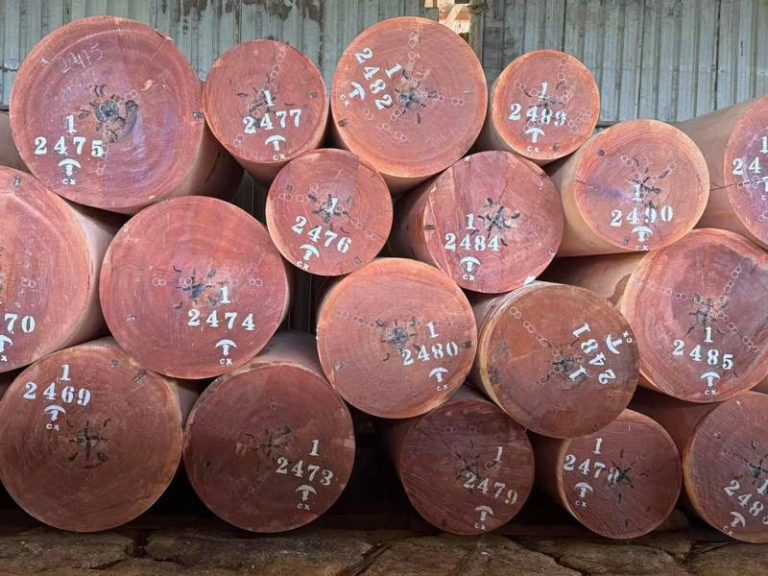
Working with a verified supplier is the most effective way to ensure you are sourcing legal Iroko. A reputable supplier acts as a buffer against regulatory risks. They manage the complex upstream documentation, ensuring that every log entering the sawmill has a traceable history.
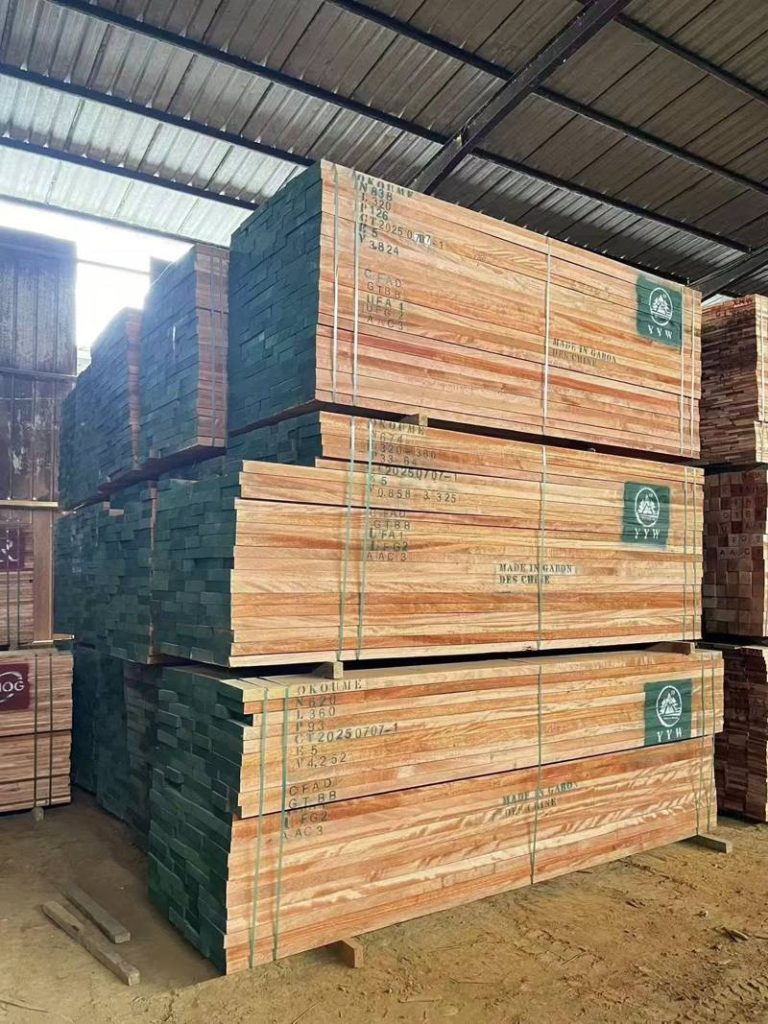
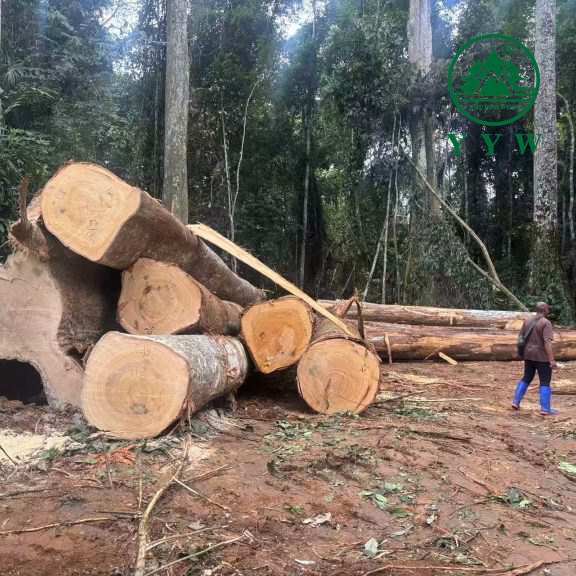
At YYW Timber, we prioritize transparency. Our operations in Cameroon and Gabon strictly adhere to local forestry codes. Moreover, we maintain close relationships with concession holders who practice reduced-impact logging. This ensures that our Iroko supply is not only legal but also sustainable for the long term.
Physical Verification and Quality Control
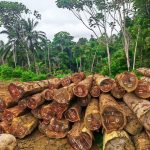
Paperwork is essential, but physical verification is equally important. Professional importers often employ third-party inspection agencies to verify the cargo before shipment. This process involves checking the species, grade, moisture content, and volume against the purchase order.
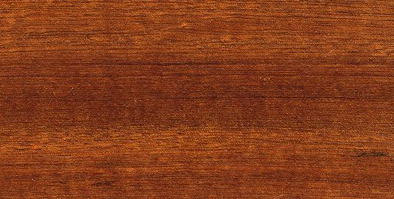
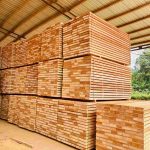
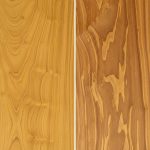
In addition to legality, quality consistency is a major concern. Iroko is known for its interlocked grain and coarse texture. Consequently, proper kiln drying (KD) is required to ensure stability during transit. Purchasing “shipping dry” or “air dry” (AD) timber can be risky if the moisture content is not accurately measured. We recommend requesting Kiln Drying certificates for high-value joinery applications.
Conclusion: Securing Your Supply Chain
The landscape of international timber trade is shifting towards absolute transparency. Sourcing legal Iroko is no longer optional; it is a mandatory requirement for operating in major global markets. By understanding EUTR/EUDR requirements and leveraging FSC certification, importers can secure their supply chains against legal and reputational risks.
Ultimately, the key lies in partnership. Aligning your business with knowledgeable exporters who understand these complexities will save you time and money. For further reading on international timber trade regulations, the International Tropical Timber Technical Association (ATIBT) is an excellent resource.
If you are looking for a reliable partner to navigate the complexities of African hardwood importation, our team is ready to assist. We provide full documentation support for all our exports.