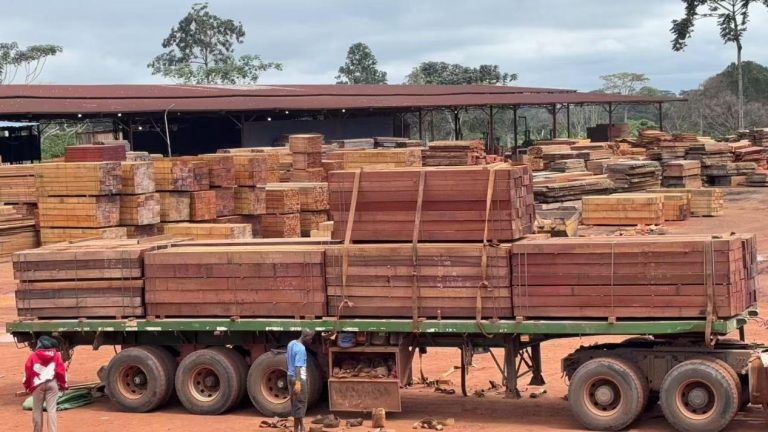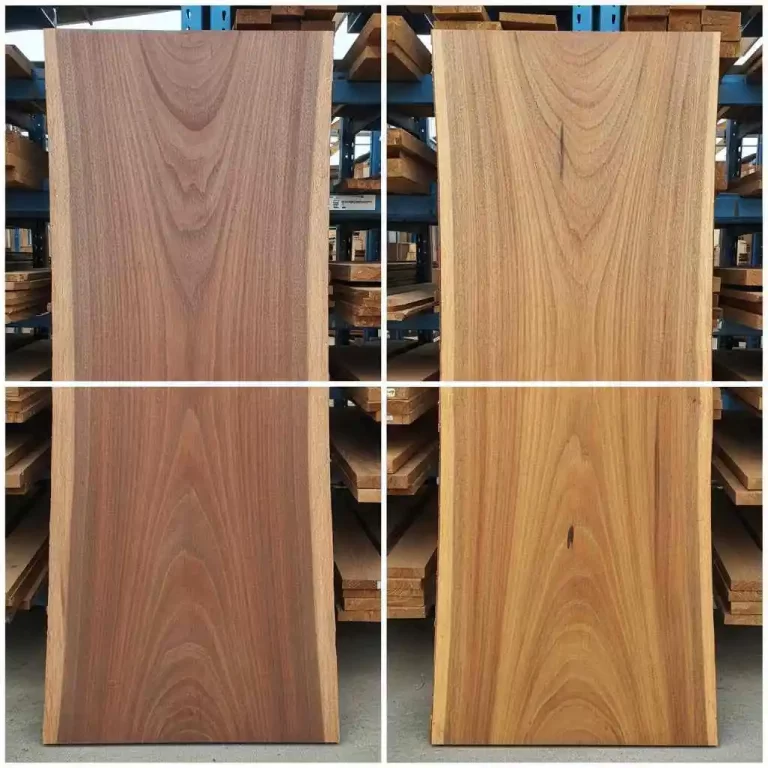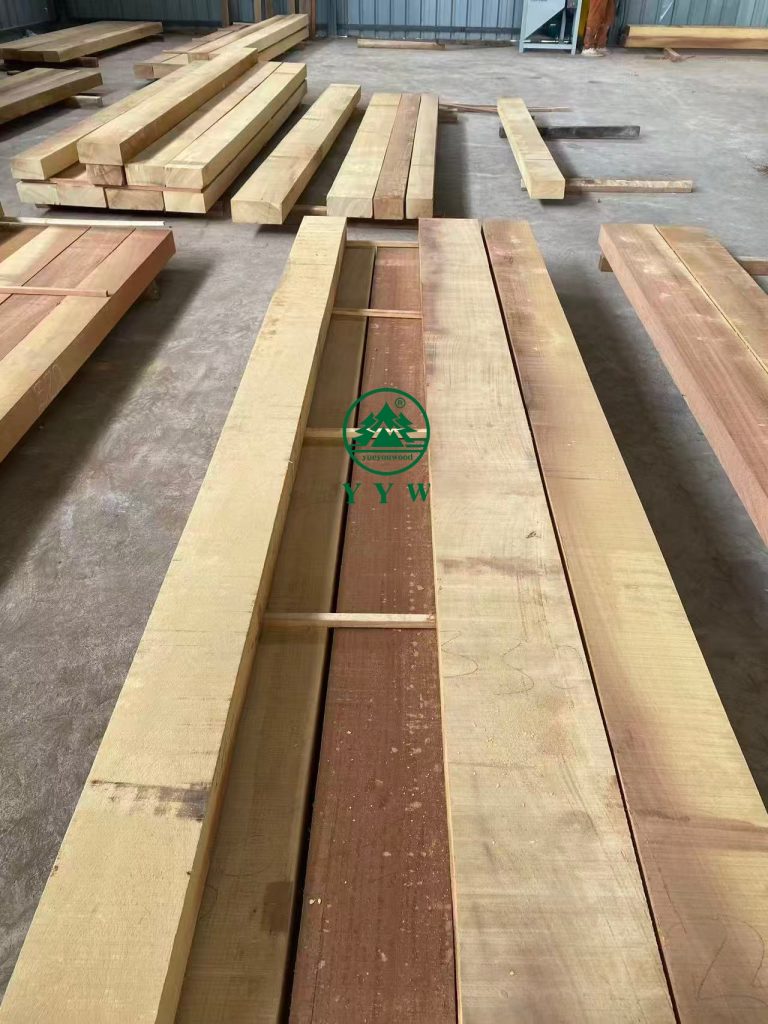
In the high-stakes world of international timber trade, the ability to accurately distinguish between wood species is not merely a technical skill; it is a financial necessity. For wholesalers, factory owners, and Quality Control (QC) inspectors, misidentifying African hardwood can lead to disastrous consequences. These risks range from severe financial losses due to overpayment for inferior species to legal complications involving CITES regulations. Therefore, mastering the art of identifying African hardwood is critical for maintaining supply chain integrity.
African forests are renowned for producing some of the densest, most durable, and aesthetically striking timbers in the world. Species such as Bubinga, Padauk, and Tali are highly sought after for furniture, flooring, and heavy construction. However, the market is rife with lookalikes and lower-grade substitutes. Consequently, relying solely on supplier labels is insufficient. You must verify the material yourself. This comprehensive guide will equip you with the macroscopic analysis techniques used by industry veterans to validate species authenticity.
The Pillars of Macroscopic Wood Identification
Scientific identification often requires laboratory equipment. However, in the field or on the factory floor, macroscopic identification—using the naked eye or a 10x hand lens—is the standard. This method focuses on the structural characteristics of the wood rather than just its color, which can vary significantly even within the same log.
To successfully engage in identifying African hardwood, you must examine three primary physical indicators: the end grain structure, the specific gravity (density), and distinct sensory characteristics like scent or fluorescence.
Analyzing End Grain Anatomy
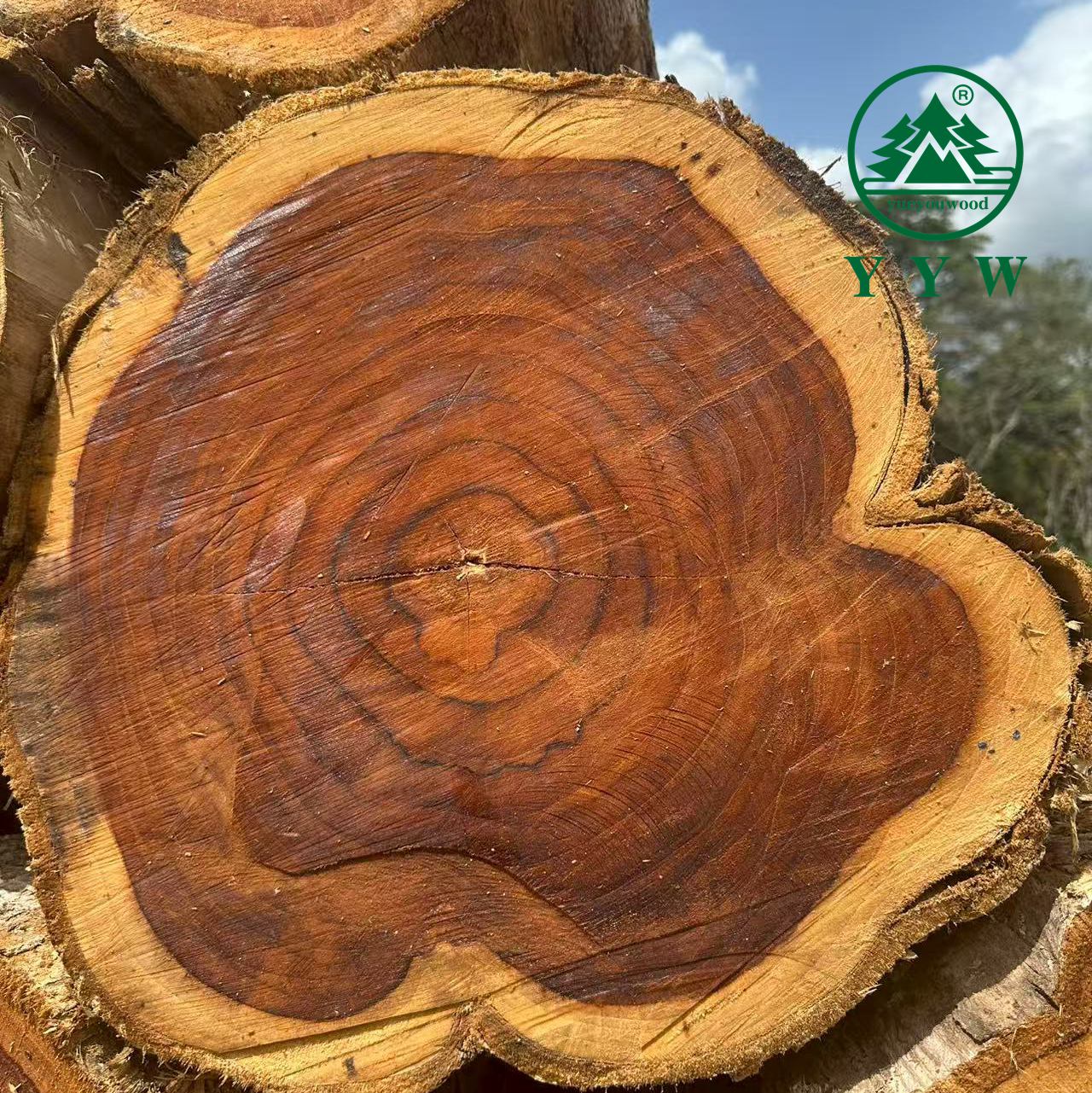
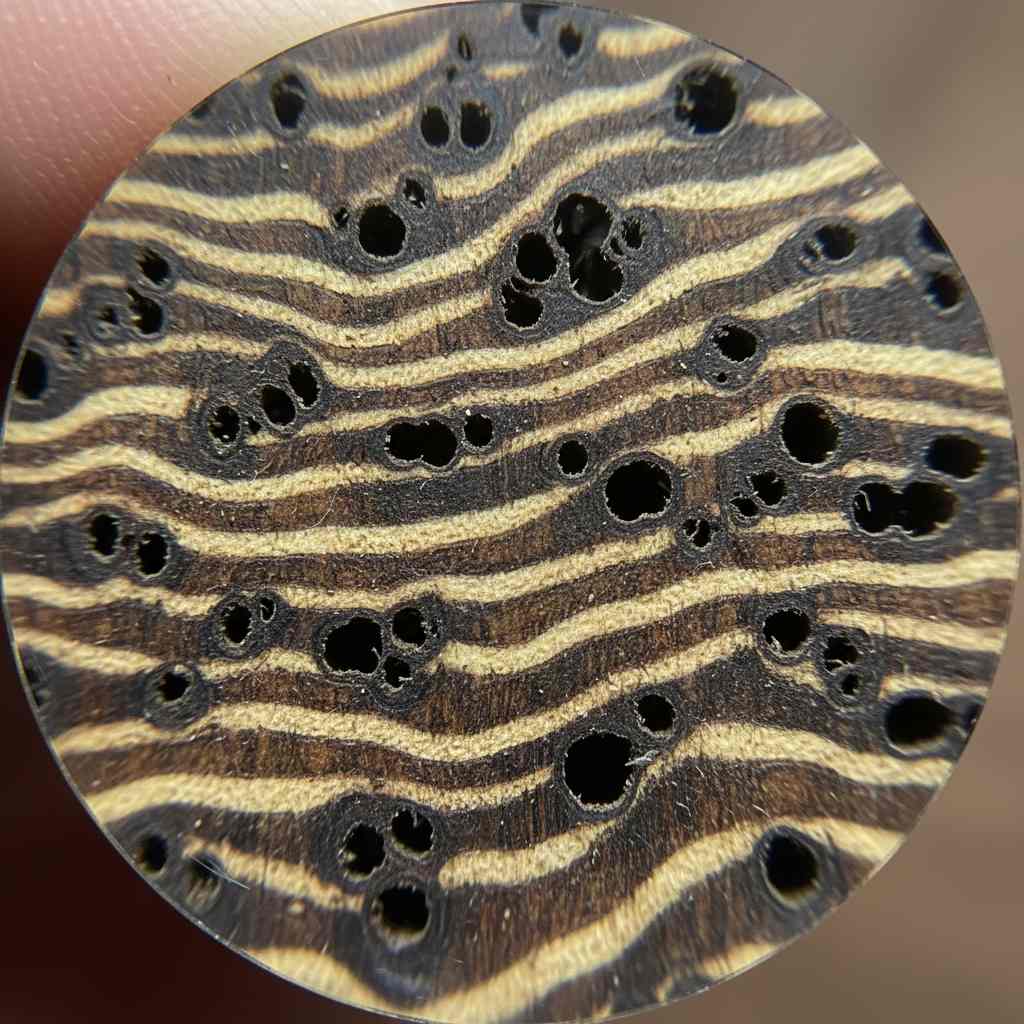
The most reliable method for distinguishing between species is examining the end grain. This is the cross-section of the log or board. By cleaning a small section with a razor blade and viewing it under magnification, you can observe the pore arrangement and parenchyma patterns.
1. Pore Distribution
Hardwoods are defined by the presence of vessels, or pores. The size, frequency, and arrangement of these pores vary by species. For instance, African Mahogany (Khaya spp.) typically presents diffuse-porous arrangements where pores are scattered randomly. In contrast, other species might show specific banding patterns.
2. Parenchyma Patterns
Parenchyma cells appear as lighter-colored tissue surrounding the pores. In Iroko (Milicia excelsa), you will often see lozenge-shaped parenchyma surrounding the pores, sometimes extending into short wings. Conversely, Bubinga (Guibourtia spp.) often displays distinct marginal parenchyma bands that define the growth rings. Recognizing these subtle cellular structures is paramount when differentiating between high-value timber and cheaper alternatives.
Distinguishing Key African Species
Let us delve into the specific characteristics of the most traded African hardwoods. Understanding these unique profiles will streamline your QC process significantly.
African Padauk (Pterocarpus soyauxii)
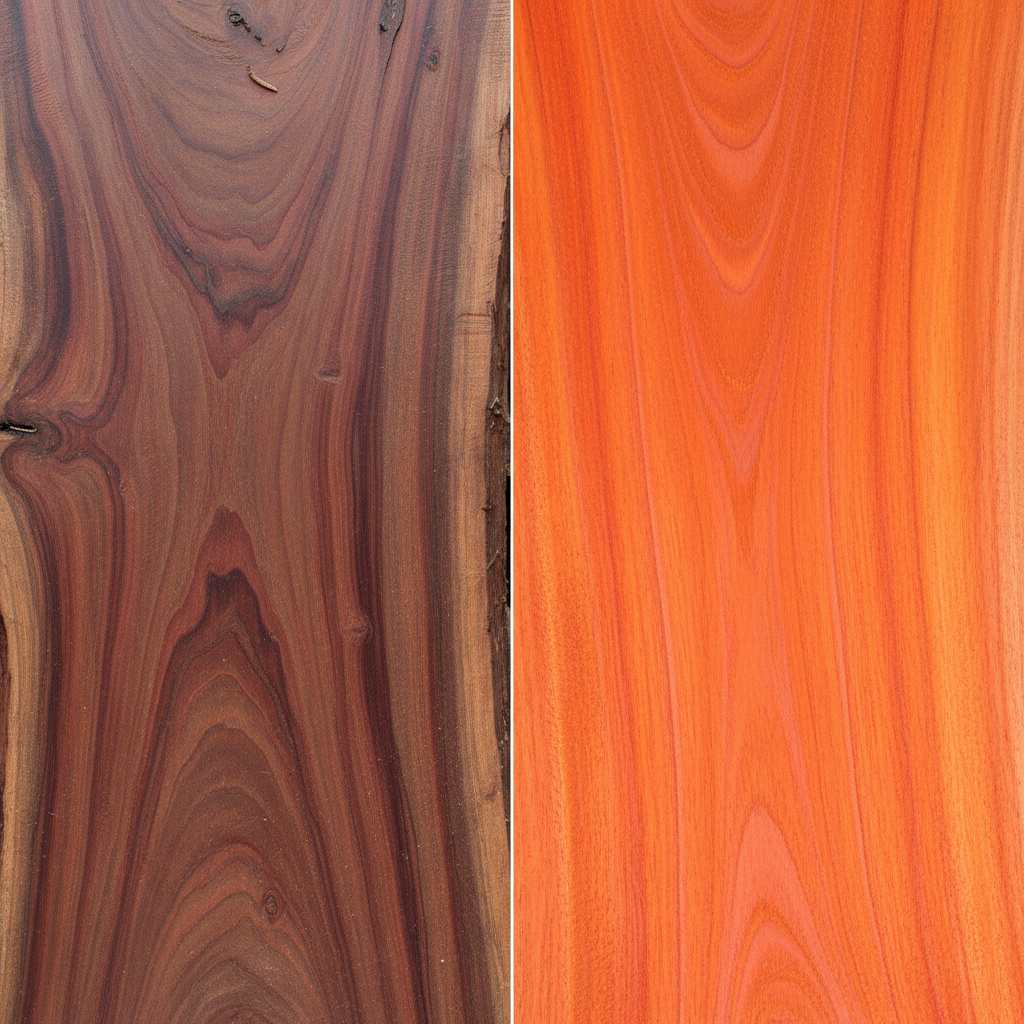
African Padauk is famous for its vivid coloration. Freshly cut, it exhibits a striking orange-red hue. However, color is fleeting; it oxidizes to a deep maroon or brown over time. Therefore, do not rely on color alone.
- Grain: Generally straight to interlocked.
- Pores: Large and visible to the naked eye.
- Fluorescence: A defining feature of genuine Padauk is its fluorescence. Water extracts will fluoresce blue under UV light. This is a definitive field test.
Bubinga (Guibourtia spp.)
Often confused with Rosewoods, Bubinga is heavy and decorative. Identifying African hardwood like Bubinga requires noting its impressive density and fine texture.
- Visuals: Heartwood ranges from pink-red to darker reddish-brown with purple or black streaks.
- Gum Pockets: Small pockets of gum are a common occurrence and a helpful identification marker.
- Hardness: It is incredibly hard, much harder than Mahogany substitutes.
Iroko (Milicia excelsa)
Frequently marketed as “African Teak,” Iroko shares many mechanical properties with genuine Teak but lacks the oily feel.
- Color: Yellow initially, darkening to golden-brown.
- Texture: Coarse texture with interlocked grain.
- Inclusions: Iroko often contains large, hard deposits of calcium carbonate (stones), which can dull cutting tools instantly. This is a critical identifier for factory owners managing tool longevity.
Physical Properties Comparison
Quantitative data is less subjective than visual inspection. Assessing the weight and density of a sample can quickly rule out imposters. Below is a comparison table of common species handled by YYW Timber.
| Commercial Name | Scientific Name | Average Dried Weight (kg/m3) | Janka Hardness (lbf) | Key Identifier |
|---|---|---|---|---|
| African Padauk | Pterocarpus soyauxii | 745 kg/m3 | 1,970 lbf | Fluorescent extract, Orange color |
| Bubinga | Guibourtia spp. | 890 kg/m3 | 2,410 lbf | Gum streaks, High density |
| Iroko | Milicia excelsa | 660 kg/m3 | 1,260 lbf | Stone deposits, Teak-like look |
| Tali (Sasswood) | Erythrophleum ivorense | 910 kg/m3 | 2,920 lbf | Extreme hardness, Coarse grain |
| Okoume | Aucoumea klaineana | 430 kg/m3 | 400 lbf | Lightweight, Pinkish-grey |
For more detailed technical data on these species, the Wood Database is an excellent external resource for verification.
Sensory Characteristics: Smell and Texture
Your senses of smell and touch are valuable tools in the identification process. Many African hardwoods possess distinct odors when being worked.
For example, Opepe (Bilinga) has a distinct, pumpkin-like scent when freshly sawn. Conversely, pure African Mahogany generally lacks a characteristic odor. Furthermore, the texture plays a role; Wenge is known for its coarse, splintery texture, whereas Bubinga is fine and uniform.
Navigating Compliance and Legality
Identifying the wood is only half the battle. You must also verify its legal origin. Several African hardwoods, such as certain species of Bubinga (Guibourtia), are listed under CITES Appendix II. This means their trade is strictly regulated to prevent over-exploitation.
Legitimate exporters like YYW Timber provide full documentation, including Certificates of Origin and Phytosanitary certificates. If a supplier offers Bubinga without CITES permits, it is a red flag. Not only is the wood likely illegal, but it may also be a non-genuine species substituted to bypass customs checks. Always cross-reference the physical wood properties with the documentation provided.
Conclusion
Successfully identifying African hardwood requires a multifaceted approach combining visual analysis, physical testing, and sensory examination. For B2B importers and factory owners, these skills are the first line of defense against fraud and quality issues. By understanding the unique anatomy of species like Padauk, Bubinga, and Iroko, you ensure that your production line receives only the premium material it was promised.
As a professional African hardwood timber supplier, YW Timber prioritizes transparency and education. We encourage all our partners to visit our yards or request samples to verify the exceptional quality of our African hardwood exports personally.
Do you need assistance sourcing specific, verified African hardwood species for your next project? Contact our export specialists today.