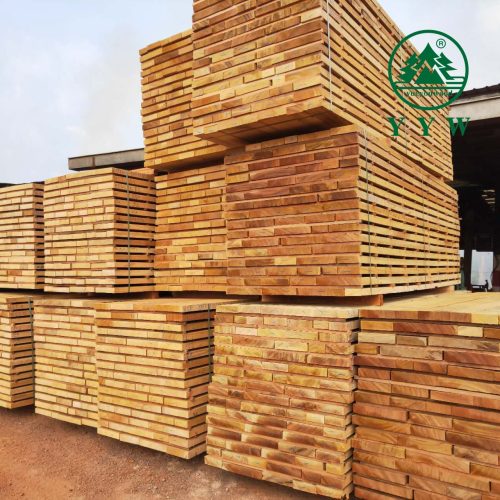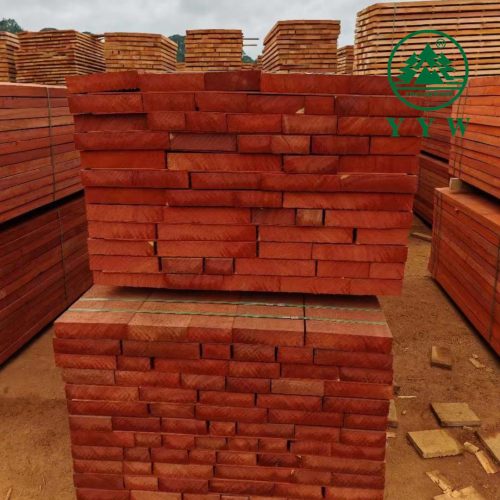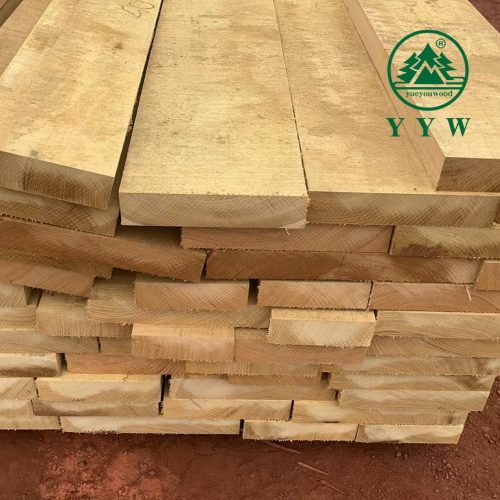
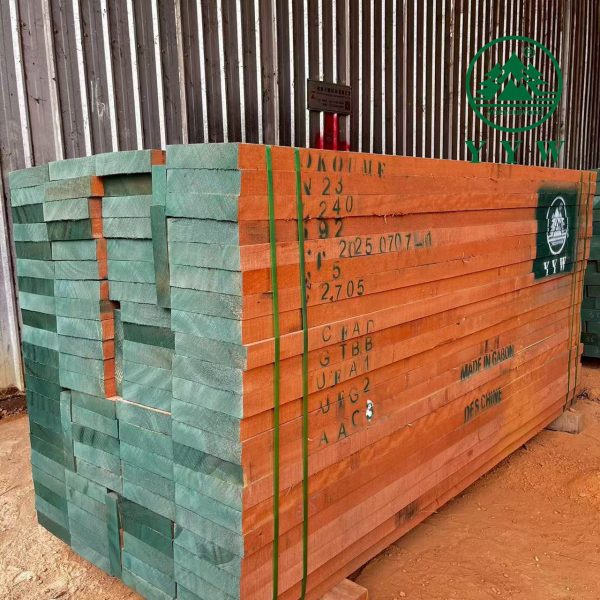
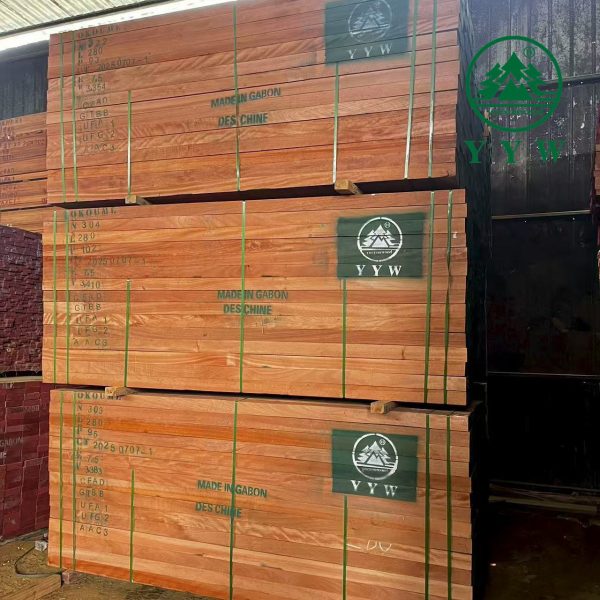
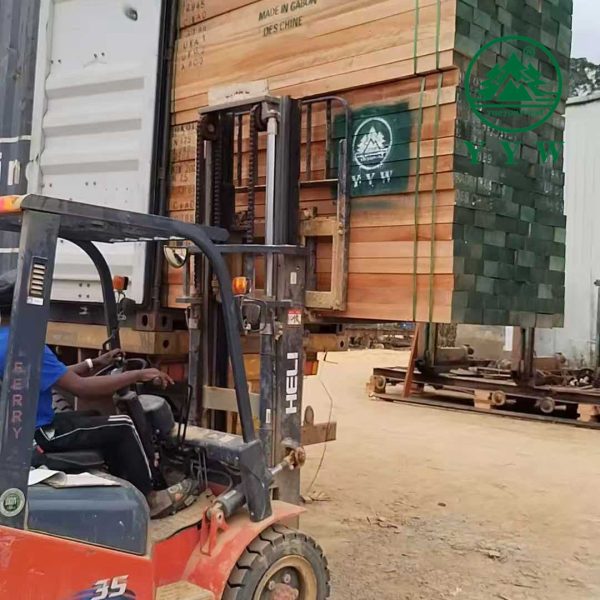
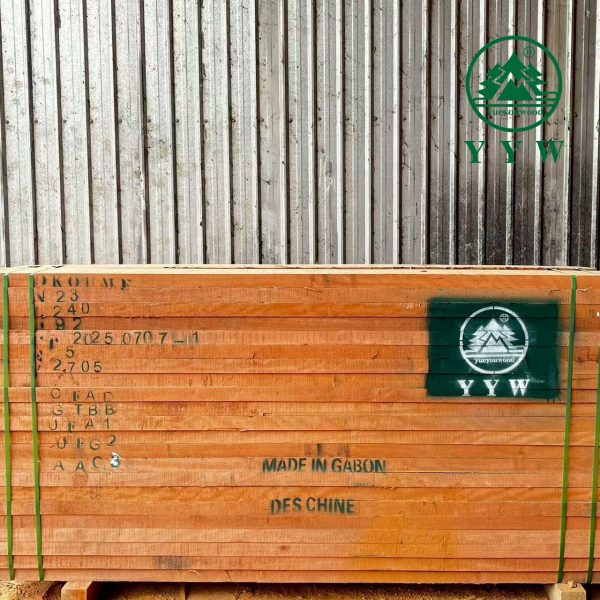
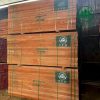
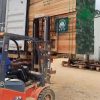
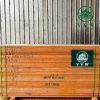
Unlock new levels of manufacturing versatility with high-quality African Okoume Sawn Timber (Aucoumea klaineana). Often referred to as Gaboon Wood, this species is the preferred choice for industries requiring a superior strength-to-weight ratio. Whether you are producing premium furniture cores or sourcing raw material for Okoume Veneer production, our Okoume lumber offers unmatched consistency. At YYW Timber, we supply FAS-grade timbers that are precision kiln-dried to 8-12% MC, allowing you to leverage lightweight Okoume timber and its role in modern wood manufacturing for competitive, high-performance end products.
Okoume Overview:
Okoume, also known as Okume, is a lightweight and cost-effective hardwood from Central Africa, prized for its smooth texture, consistent quality, and light color. Okoume is primarily used in the construction of plywood, boatbuilding, and furniture. The wood is relatively soft and easy to work with, making it a popular choice for various woodworking applications.
Okoume Timber Physical Properties:
Density: 430-450 kg/m³
Janka Hardness: 510 lbf (2,270 N)
400
1,260
1,360
*Data measured in lbf. Okoume’s low density makes it the primary choice for lightweight panels and veneer cores.
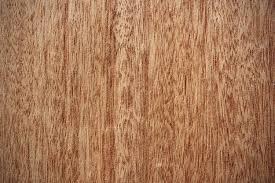
Color: Pale pink to light reddish-brown, with a lighter sapwood.
Durability: Not highly durable in its natural state, Okoume is susceptible to decay when exposed to the elements. It requires proper treatment for outdoor applications.
Grain: Straight grain, with a fine to medium texture. The wood is often free of knots and defects, which makes it ideal for high-quality finishes.
Professional Procurement & Compliance Guide
Navigating the global market for lightweight hardwoods requires a deep understanding of technical trade-offs. For manufacturers debating between various low-density species, we recommend reading our comparison of Ayous vs. Okoume timber or our specialized analysis on Okoume vs. Poplar for lightweight panels.
Quality assurance starts with grading; our Okoume grading guide explains how we ensure yield optimization for our clients. Furthermore, given its regulatory status, all importers should consult our Okoume CITES status and trade compliance guide to ensure legally sound international shipments. For a full master-class on this species, visit our comprehensive Okoume wood guide.
Expert Tips for Working with Okoume Lumber
-
Surface Fuzziness Management: Okoume is a soft hardwood and can sometimes develop “fuzz” during sanding. Use sharp, fine-grit abrasives and consider a quick wipe with a damp cloth to raise the grain before the final sanding pass for a perfectly smooth result.
-
Blue Stain Prevention during Storage: Always store Okoume sawn timber in a well-ventilated, dry area. If stored in humid conditions, ensure the stacks are properly stickered to allow airflow, which is the best defense against fungal staining.
-
Machining Strategy: Because Okoume is soft, it is very easy on tools. However, avoid high-pressure clamping during assembly to prevent “crushing” the wood fibers, which can happen more easily than with denser species like Sapele.
-
Outdoor Application Caution: While used in boat building (Marine Plywood), Okoume sawn timber is not naturally rot-resistant. If used for exterior applications, it must be fully sealed with high-quality marine-grade epoxy or paint.
What is Okoume Used for?
Plywood: Okoume is most commonly used for plywood production, particularly for marine plywood and cabinetry. Its light weight and ease of machining make it ideal for these applications.
Furniture: The fine texture and light color make it a great choice for furniture, particularly when a smooth finish is desired.
Boatbuilding: Due to its lightweight and flexibility, Okoume is a popular wood for boatbuilding, especially for constructing hulls and decks.
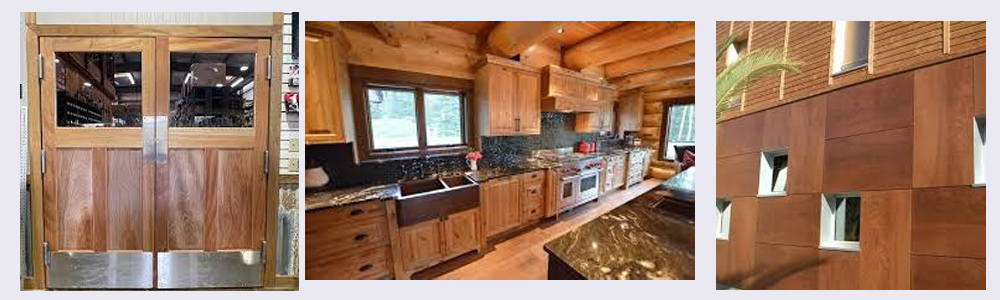
Interior Millwork: Okoume is widely used for interior moldings, trim, and paneling in both residential and commercial buildings.
Veneer: Okoume is also sliced into veneers, which are used in fine furniture and interior applications to provide an elegant, smooth surface.
Okoume (Gaboon) Tree Sustainability:
Conservation Status: Okoume is not listed on CITES, but its availability can be impacted by over-harvesting. It is important to ensure that Okoume is sourced from sustainably managed forests.
Environmental Considerations: When purchasing Okoume, ensure the wood is certified under sustainable forestry programs, such as FSC (Forest Stewardship Council), to help protect forests in the long term.
Why Choose Okoume Sawn Timber?
Workability: Okoume is easy to work with, making it a favorite choice for woodworkers and manufacturers.
Aesthetic Appeal: Its pale, consistent color and smooth texture make it suitable for a wide variety of applications.
Versatility: Whether you’re using it for plywood, furniture, or boatbuilding, Okoume offers excellent versatility for a range of projects.
1-1-500x500.jpg "Azobe-AD(ekki)1")