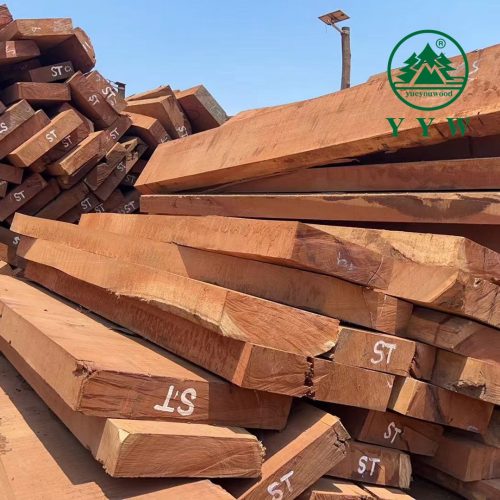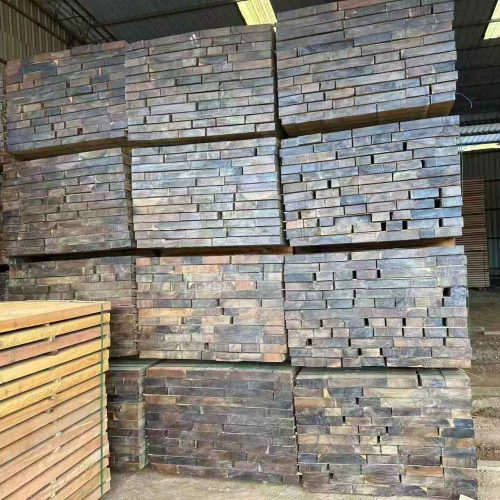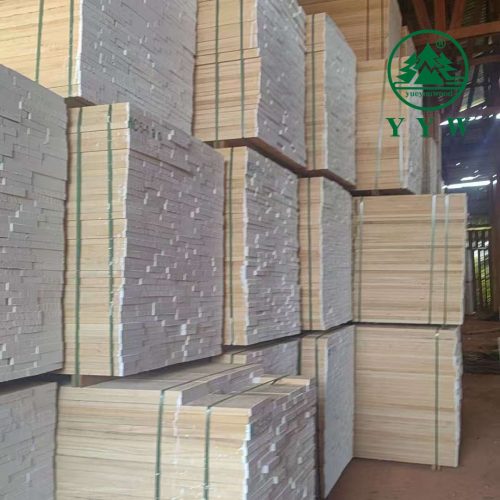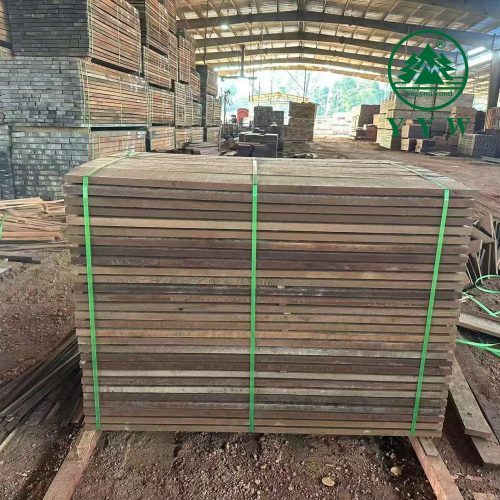
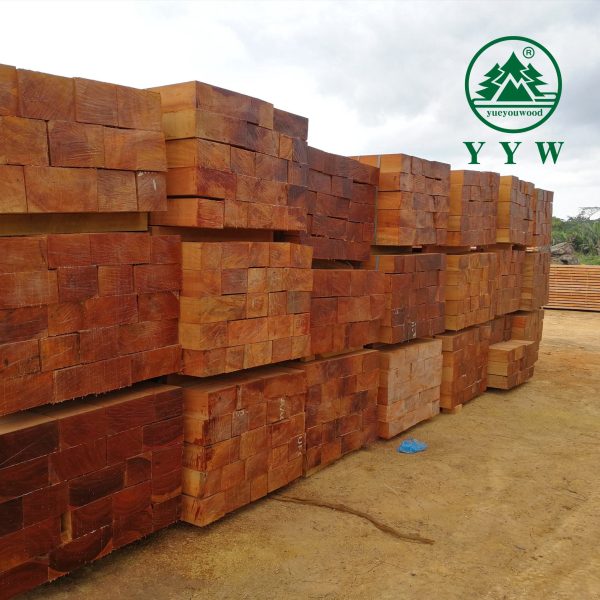
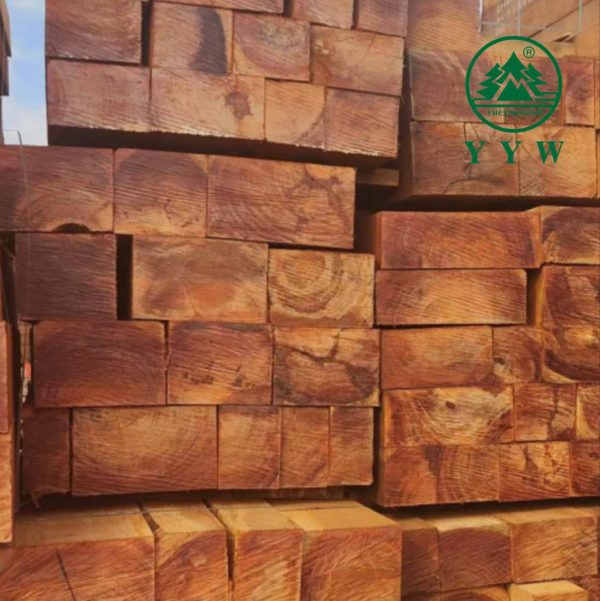
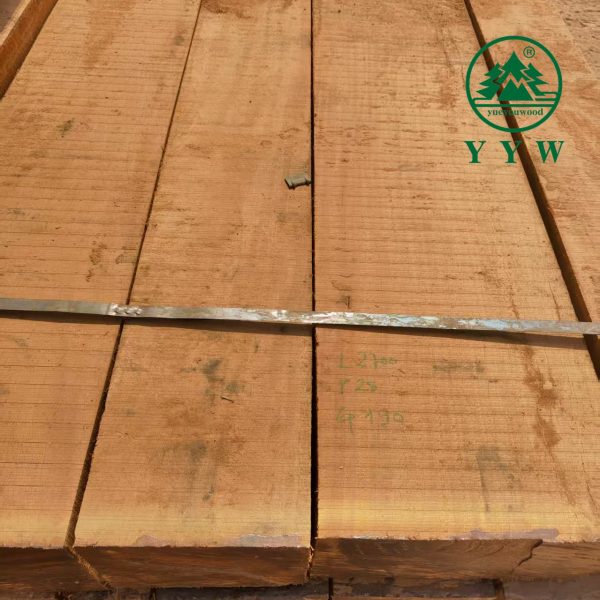
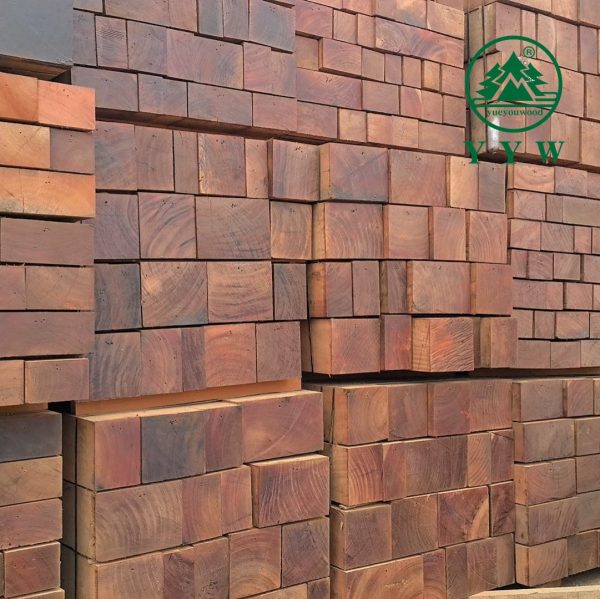
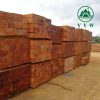
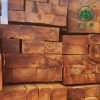
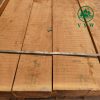
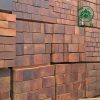
Achieve ultimate structural integrity with premium African Tali Lumber (Erythrophleum spp.). Renowned for its extraordinary density and Class 1 durability, Tali is the premier choice for heavy-duty construction, high-end outdoor decking, and marine engineering. As a specialized Tali timber supplier, we provide FAS-grade sawn timber that is naturally resistant to termites, rot, and fungal attacks. Our Tali timber is precision-processed to meet the highest international standards, offering a sustainable and cost-effective alternative to other high-density hardwoods for international wholesalers and commercial developers.
Tali Wood Overview
Tali wood tree, is a dense and highly durable hardwood native to West Africa. Renowned for its exceptional strength and resistance to harsh conditions, it is widely used in heavy-duty applications such as outdoor construction and marine projects. Its ability to withstand decay, moisture, and wear makes it an ideal choice for projects that demand long-lasting, reliable wood materials.
Tali Wood Characteristics
– Density: 890 – 950 kg/m³ (55 – 59 lbs/ft³) – offers solid weight and excellent structural stability, suitable for load – bearing scenarios.
– Janka Hardness: 10,500 N (2,360 lbf) – features high hardness and strong wear resistance, capable of withstanding frequent friction and heavy – duty use.
430
1,260
2,410
*All data measured in lbf. Tali’s exceptional hardness makes it one of the most durable species for hydraulic and outdoor construction.
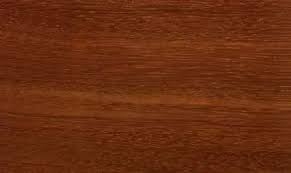
– Color: Heartwood ranges from golden brown to deep reddish – brown, often with subtle natural grain patterns; sapwood is pale yellowish – white, creating a clear contrast with the heartwood for a unique visual appeal.
– Durability: Rated as very durable. It has outstanding resistance to insect infestations, fungal decay, and weathering (including UV rays and rain), making it perfect for outdoor and high – humidity environments.
Tali Timber Workability
– Machining: Tali has a moderately interlocked grain and high density, which can make machining somewhat challenging. Sharp, high – quality tools are essential to ensure clean cuts and reduce the risk of tearout. Proper feed rates should be maintained during processing.
– Gluing: The wood’s natural density and slight oil content may pose difficulties for gluing. However, with proper surface preparation (such as thorough sanding and cleaning to remove dust and excess oil) and the use of high – performance, wood – specific adhesives, reliable bonding results can be achieved.
Technical Sourcing Guide for Heavy-Duty Hardwoods:
For large-scale infrastructure and maritime projects, selecting a timber with proven longevity is paramount. Many developers evaluate Tali alongside other high-density species; for insights into load-bearing performance, see our Azobe vs. Iroko hardwood comparison, which features similar mechanical traits to Tali.
Quality assurance is critical in global trade; we recommend that wholesalers learn how to verify FAS grade timber to ensure consistency in international shipments. For those requiring raw material for custom industrial dimensions, explore our inventory of African Round Logs sourced from managed concessions.
Missanda Wood Applications
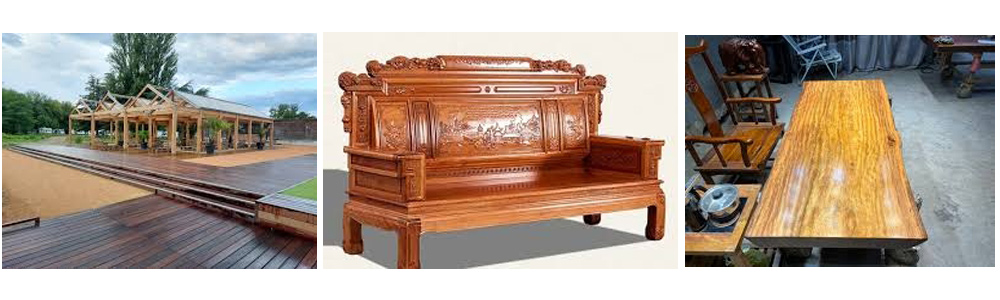
– Outdoor Decking & Flooring: Its excellent weather resistance and wear resistance make it a top choice for outdoor decks, patios, and garden flooring. It maintains its integrity even after long – term exposure to the elements.
– Marine Construction: Suitable for boat decks, piers, docks, and other marine structures. It can resist saltwater corrosion and moisture – related damage effectively.
– Heavy – Duty Construction: Widely used in the construction of bridges (especially pedestrian and light – traffic bridges), utility poles, and railroad ties, thanks to its strong load – bearing capacity and durability.
– Furniture Making: Ideal for outdoor furniture (such as garden chairs, tables, and benches) and indoor high – use furniture (like dining tables and cabinets). Its unique grain and color add a natural, elegant touch to furniture designs.
– Exterior Cladding: Can be used for building exterior cladding to enhance both the aesthetic appeal and durability of the structure, protecting it from external weather conditions.
Sustainability
– Conservation Status: Tali is not listed in the CITES Appendices. However, in some regions, its population has declined due to over – harvesting and habitat loss. It is classified as a species requiring careful management by local forestry authorities.
– Sourcing Recommendation: To ensure the long – term availability of Tali and support environmental conservation, our company strictly sources Tali lumber from sustainably managed forests certified by organizations such as the Forest Stewardship Council (FSC). This ensures that every batch of our products meets international environmental standards.
🛠️ Expert Engineering & Machining Tips for Tali
-
Fastening Best Practices: Because of Tali’s immense density, pre-drilling is mandatory. We recommend using high-quality stainless steel screws to avoid corrosion and to accommodate the wood’s high structural tension.
-
Tool Maintenance: Tali has a high silica content which acts as an abrasive. Ensure your workshop is equipped with carbide-tipped saw blades and planers. Be prepared for more frequent sharpening cycles compared to working with Mahogany or Iroko.
-
Finishing and Adhesion: Tali has an interlocked grain and can be slightly oily. For exterior decking, we recommend using a penetrating UV-inhibitor oil rather than a surface film, which allows the wood to breathe while maintaining its rich color.
-
Safety Protocol: The dust from sawing Tali can be a strong irritant. It is essential to utilize industrial-grade dust extraction and PPE (protective masks and eyewear) at all times during processing.
Why Choose Tali?
– Long –Lasting Performance: Tali is famous for its exceptional longevity. It can withstand various environmental stressors (including moisture, insects, and weathering), reducing the need for frequent replacements and lowering long – term maintenance costs.
– Versatility: It is suitable for both interior and exterior applications that require high strength and durability, eliminating the need for different wood types for different project parts.
– Natural Aesthetic Appeal: The warm, rich color of its heartwood and unique natural grain patterns make Tali a visually attractive option. It adds a touch of nature and sophistication to any construction or design project, whether used for large structures or small furniture pieces.
– Cost – Effective: Despite its high performance and quality, Tali offers excellent value for money compared to some other premium hardwoods. Its long lifespan further reduces overall project costs.
Learn more about how Tali compares to other species in our guide: [Top 10 African Hardwood Species]