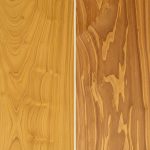
Sapelli wood suits luxury interiors where warm color, reflective grain and substantial timber character matter. Its interlocked grain can produce a striking ribbon figure, especially in quarter-sawn boards, while its density supports durable interior joinery. However, Sapelli is not automatically more dimensionally stable than genuine mahogany. Specifiers should assess board cut, moisture conditions, finish and sourcing documentation before approval.
Author: YYW Timber Expert
Why is Sapelli wood gaining attention in high-end architecture?
Luxury interiors increasingly use expressive natural materials to create warmth, continuity and visual identity. Sapelli answers that design brief with reddish-brown heartwood, a natural sheen and interlocked grain that can create alternating light and dark stripes. These characteristics make sapelli timber relevant to architectural millwork where the wood itself serves as a prominent finish, rather than a concealed structural component.
For architects and joinery teams, the appeal is practical as well as aesthetic. Sapelli is used for furniture, cabinetry, doors, flooring and interior trim, according to The Wood Database’s Sapelli profile. Its appearance can coordinate a room’s cabinetry, wall panels and doors, provided the design team controls color, grain direction and finish across the order.
There is no public project-demand statistic in the supplied evidence to quantify a global trend. Treat Sapelli’s popularity as a design and specification opportunity, not a guaranteed market forecast. Its strong visual figure is especially useful in hospitality, executive and residential spaces where clients want recognizable natural material and a warmer alternative to uniform painted surfaces.
Before specifying it, request representative samples from the intended production lot. Trade names, growing conditions, board orientation and finishing choices all affect the delivered appearance. A single small sample cannot show the full range of color and figure across a commercial volume, so approve a broader sample set or a mock-up where visual consistency is critical.
How do golden undertones and ribbon figure shape Sapelli interiors?
Sapelli heartwood ranges from golden to dark reddish-brown, with interlocked grain that can create a ribbon-like stripe on quarter-sawn surfaces. The wood’s natural luster can make that figure appear to shift as the viewer moves or the light changes. This is the visual basis of ribbon stripe sapele, a term commonly used for boards displaying a pronounced striped figure.
Quarter-sawing exposes the grain in an orientation that can emphasize straight, repeating stripes. The result depends on the log, sawing pattern and individual board; not every quarter-sawn piece will show a dramatic ribbon. The Wood Database describes Sapelli as interlocked-grained and notes its characteristic ribbon figure. Review the species appearance and properties before matching a visual sample to a large order.
Designers can use the figure deliberately. Bookmatching adjacent veneers creates mirrored patterns, while matching solid boards by color and grain can produce calmer panel runs. Conversely, varied grain can bring movement to a feature wall or reception desk. Agree in advance whether the project prioritizes a uniform appearance, natural variation or a specific grain orientation.
Finish selection changes the perceived color and contrast. Clear finishes generally preserve a visible wood character, while stains can shift the color and reduce consistency between boards. Always approve finish samples on the actual material, using the planned preparation and coating system. A sample on another species, or a digital image viewed on a screen, cannot reliably predict the finished Sapelli color.
For a cohesive luxury interior, specify the sequence as well as the species: board selection, grain orientation, finishing, installation and lighting. A controlled sample panel helps the architect, client and joiner agree on acceptable color variation before fabrication. This reduces disputes about natural variation without promising identical boards from a naturally variable material.
How do Sapelli’s stability and density compare with South American mahogany?
Sapelli is a dense hardwood, but density does not mean superior dimensional stability. The Wood Database reports an average specific gravity of 0.67, density of 640 kg/m³ at 12% moisture content, and Janka hardness of 1,410 lbf. It also reports average shrinkage of 5.8% radial and 9.5% tangential from green to oven-dry condition. These are reference values, not guarantees for every board.
“South American mahogany” usually refers to genuine mahogany in the genus Swietenia, while Sapelli is a different African hardwood. Comparison requires the exact species, moisture basis, sample method and property being evaluated. The evidence available here does not provide a directly comparable mahogany dataset, so a numeric claim that Sapelli is denser or more stable than all South American mahogany would be misleading.
| Specification point | Sapelli | South American mahogany | What buyers should do |
|---|---|---|---|
| Species identity | Entandrophragma cylindricum; confirm the botanical name on the order. | Confirm the intended Swietenia species and trade description. | Use botanical names in quotations, invoices and sourcing records. |
| Density reference | 640 kg/m³ at 12% moisture content in The Wood Database profile. | No like-for-like figure established in the supplied evidence. | Request documented values measured on a comparable basis. |
| Movement reference | Average radial shrinkage 5.8%; tangential shrinkage 9.5%, green to oven-dry. | No like-for-like shrinkage figure established in the supplied evidence. | Plan for moisture movement; do not assume Sapelli is more stable. |
| Interior appearance | Golden to reddish-brown tones; interlocked grain can show ribbon figure. | Appearance varies by species, board and finish. | Approve physical samples and a finish mock-up. |
For practical design, Sapelli’s shrinkage figures are more useful as a warning against rigid installation than as a prediction of finished-room movement. Green-to-oven-dry shrinkage is not the same as movement across a normal indoor humidity cycle. Condition timber for the installation environment, use appropriate joinery clearances and follow the project’s moisture specifications.
Quarter-sawn boards may offer a more consistent striped appearance and different movement behavior from flat-sawn boards, but sawing orientation does not eliminate movement. Ask the supplier to identify the cut and moisture condition, and have the joiner design panels, doors and wide components to accommodate seasonal change. For structural or performance-critical decisions, obtain project-specific technical advice.
Where does Sapelli work best in bespoke cabinetry and paneling?
Sapelli is most effective where clients can see and appreciate its color and grain. Typical interior uses include bespoke cabinetry, doors, furniture, wall cladding, executive paneling, trim and flooring. It can also serve as a coordinating material across several elements, creating a connected African mahogany interior aesthetic without treating Sapelli as genuine mahogany.
| Application | Why Sapelli can suit it | Specification consideration |
|---|---|---|
| Bespoke cabinets and wardrobes | Warm color and visible grain create a furniture-like finish. | Match boards and account for movement in wide doors and panels. |
| Wall cladding and feature walls | Ribbon figure can create a strong, continuous visual rhythm. | Set grain direction, joint layout, lighting and color variation criteria. |
| Executive offices and reception areas | Natural luster and reddish-brown tones support a formal interior palette. | Specify durable finish and establish maintenance responsibilities. |
| Doors, trim and interior furniture | One species can coordinate multiple millwork elements. | Check the intended finish across solid wood and any veneer components. |
In cabinetry, use Sapelli where visible grain adds value, and choose construction details that suit the component. Solid wood, veneer and engineered substrates behave differently; identify the intended construction in drawings and schedules. For large flat doors or wall panels, discuss substrate, balancing and movement joints with the joinery contractor before the material is ordered.
Wall cladding needs coordinated planning for panel sequence, edge treatment, fixings and transitions to adjacent materials. The wood can be specified with a consistent vertical or horizontal grain direction, while feature areas may use selected boards for stronger figure. Include tolerances, sample approval and acceptable natural variation in the project documentation.
For flooring and other high-contact uses, evaluate the complete system rather than hardness alone. Sapelli’s reported Janka hardness is 1,410 lbf, but performance also depends on finish, installation, substrate, maintenance and traffic. Confirm suitability with the flooring manufacturer or project flooring specialist, particularly in commercial spaces with demanding use.
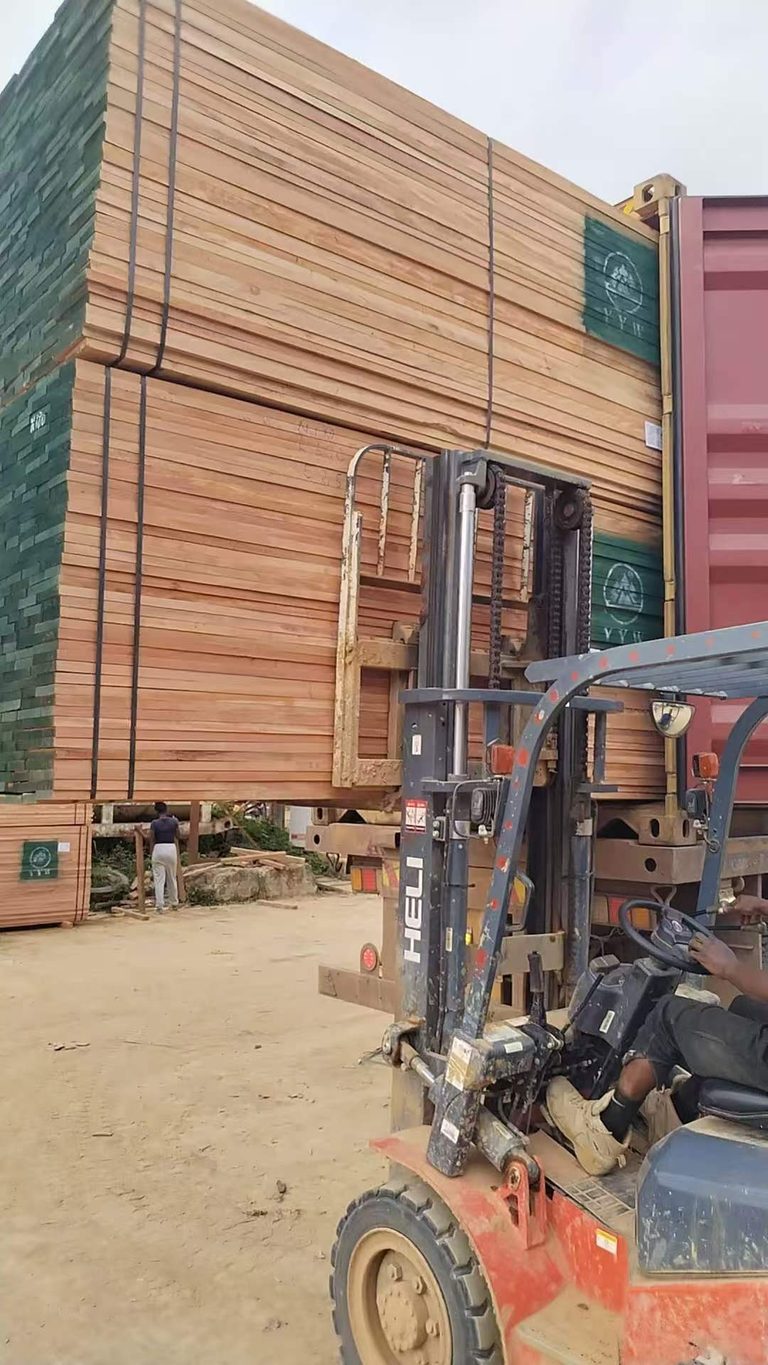
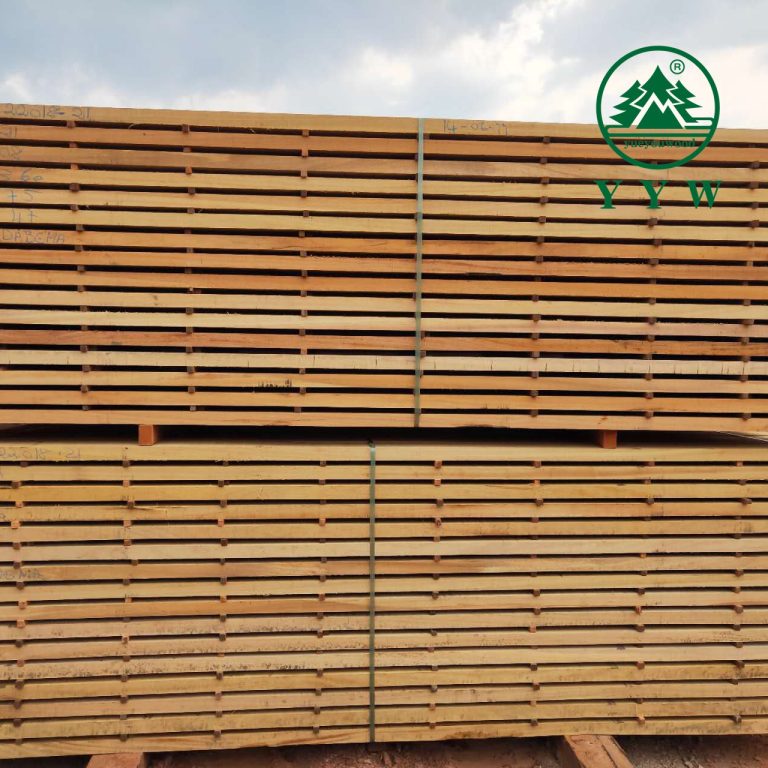
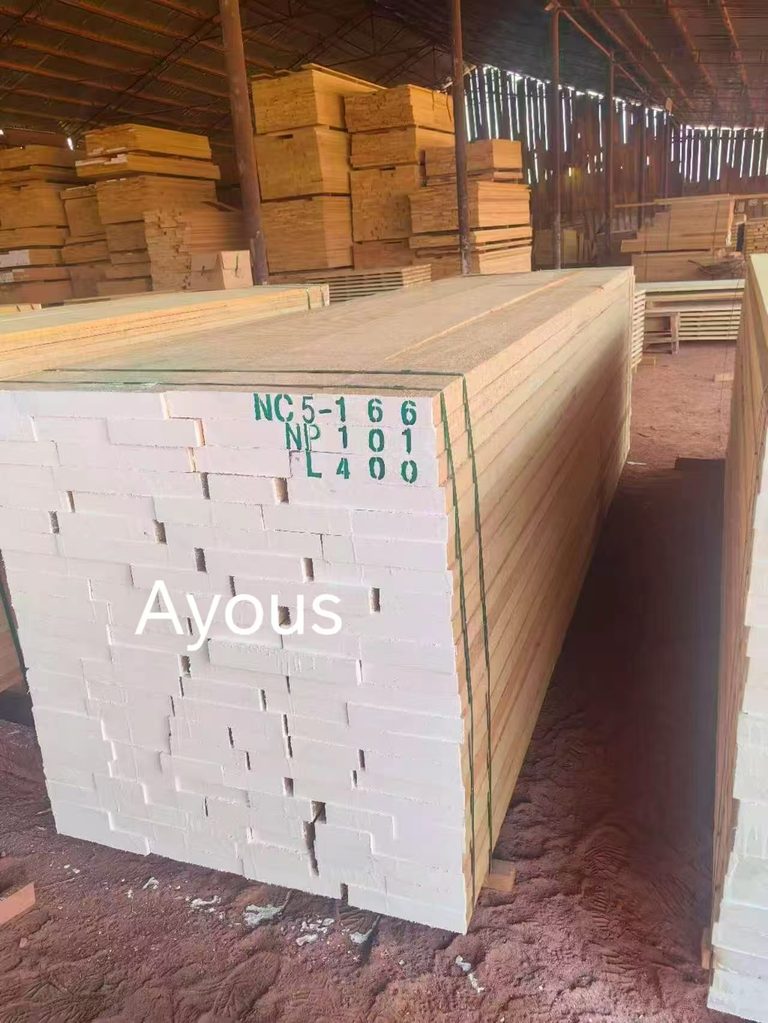
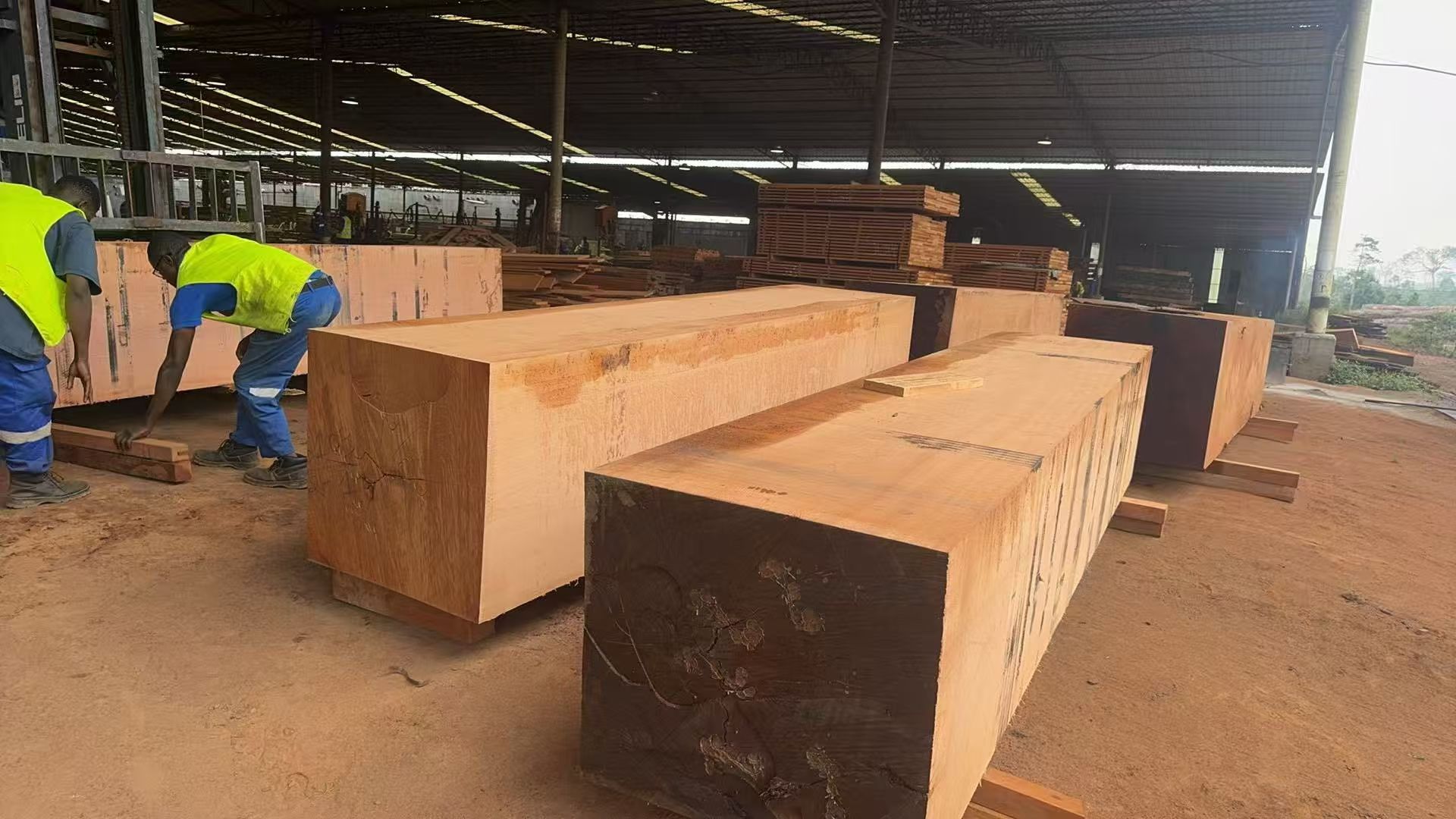
YYW Timber supplies rough-sawn Sapelli timber for buyers developing custom millwork specifications. Share the intended application, finished dimensions, preferred grain appearance and approximate volume when requesting availability. Those details help the supplier assess whether the requested material format and selection approach fit the project.
How should you maintain Sapelli millwork over the long term?
Indoor Sapelli millwork generally needs routine dust removal and cleaning appropriate to its finish. Use a soft cloth and avoid leaving standing moisture on the surface. For cleaning products, follow the coating manufacturer’s directions rather than assuming that every oil, polish or solvent suits every finish system.
Protect the installation from avoidable moisture changes. Sapelli’s reported green-to-oven-dry shrinkage is 5.8% radial and 9.5% tangential, so timber movement deserves attention even in interior applications. These laboratory reference figures do not forecast a room’s seasonal movement, but they support careful acclimation, sensible panel design and stable indoor conditions.
Prevent scratches by using protective pads beneath objects and lifting heavy items rather than dragging them across wood surfaces. Address spills promptly, and avoid placing hot objects directly on finished timber. In public or commercial interiors, include the approved cleaning method in the facilities handover documents so routine care does not damage the coating.
Inspect high-use areas periodically for finish wear, loose joints, impact damage or moisture exposure. The maintenance interval depends on traffic, finish and cleaning practice, so a universal annual schedule would not be reliable. Record the finish product and repair method at handover; matching the original system is usually more dependable than applying an untested product.
How can commercial buyers source sustainable, FSC-certified Sapelli?
Do not treat “FSC-certified Sapelli” as a general species claim. Certification must be verified for the specific supplier, product and transaction. Ask for the supplier’s FSC certificate code, confirm its status in the FSC certificate database, and check that the product claim and certificate scope cover the material being quoted.
FSC describes separate forest management certification and chain of custody certification. For buyers, the practical point is to verify the applicable claim through the supply chain, not rely on a logo, brochure or verbal assurance alone. Ask how the claim will appear on the quotation and sales documents.
For larger orders, build a document checklist before purchase. It should include botanical species identification, product form, dimensions, volume, moisture condition where specified, origin information, certification claim and any destination-market documents. The ISO 38200 chain-of-custody standard provides a reference framework for wood and wood-based products; it does not replace project-specific legal checks.
Import requirements depend on the destination, product and transaction. Buyers should verify current requirements with the relevant authorities, including the USDA APHIS Lacey Act guidance for applicable United States imports and the European Commission’s deforestation regulation information for relevant EU transactions. Check current rules before shipment rather than relying on a supplier’s general statement.
Also verify whether any species-specific trade controls apply at the time of purchase. The CITES Appendices are the official reference for listed species; consult the current entries and applicable national authorities instead of assuming a trade status from a common name. These checks support due diligence but do not independently establish that a particular shipment is compliant.
For commercial procurement, confirm supply details before finalizing the design: available dimensions, rough-sawn or processed format, quantity, grading expectations, packing and shipment terms. The Sapelli species provides useful reference properties, but actual lot selection and documentation must be confirmed directly with the seller.
YYW Timber can discuss Sapelli timber requirements for architectural millwork and bulk procurement. Send your specification, target quantity, delivery destination and preferred certification requirements to request a quotation. For more timber selection guidance, visit the YYW Timber blog.
What should buyers know before specifying Sapelli wood?
Is Sapelli the same as genuine mahogany?
No. Sapelli is a distinct African hardwood, commonly identified as Entandrophragma cylindricum. Genuine South American mahogany belongs to the genus Swietenia. Specify botanical names to prevent confusion between commercial trade names.
Does quarter-sawn Sapelli always show ribbon figure?
No. Quarter-sawing can emphasize straight grain and ribbon-like figure, but the appearance varies among boards. Review a representative sample set and document the required visual standard before ordering production material.
Is Sapelli suitable for luxury cabinetry and wall cladding?
It can be suitable where its warm color and visible grain support the design. Specify construction, finish, movement allowances and sample approval for the intended application, especially on wide panels and doors.
What should a buyer include in a Sapelli timber inquiry?
Include the botanical species, product format, dimensions, approximate volume, intended use, destination and any certification requirements. State whether the project needs selected color, quarter-sawn material or a particular grain appearance, and request supporting documentation for the quoted supply.