In the high-stakes world of international timber trade, the distinction between treated vs. untreated wood is not merely a matter of preference; it is a matter of strict regulatory compliance. For logistics coordinators and construction wholesalers, understanding these nuances is essential to avoid costly customs delays. Furthermore, selecting the correct preservation method ensures the integrity of high-value African hardwoods like Bubinga, Tali, and Iroko during long maritime transits. This guide explores the technical standards, phytosanitary requirements, and logistical best practices for exporting timber from Africa to global markets.
The Importance of Phytosanitary Compliance
Global trade relies heavily on the standardization of shipping materials and commodities. Consequently, international bodies have established rigorous protocols to prevent the spread of invasive pests. The most prominent of these is the International Standard for Phytosanitary Measures No. 15 (ISPM 15). This regulation primarily governs wood packaging material (WPM), such as pallets and dunnage. However, the principles of pest control extend to the timber commodity itself.
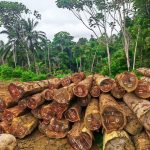
When exporting African hardwoods, the distinction between treated vs. untreated wood determines the documentation required at the port of entry. Untreated wood, particularly if it retains bark, poses a higher risk of harboring insects. Therefore, customs authorities in the EU, USA, and Asia scrutinize such shipments intensely. Conversely, properly treated timber demonstrates due diligence, facilitating smoother clearance processes.
Untreated Wood: Natural Durability vs. Export Risk
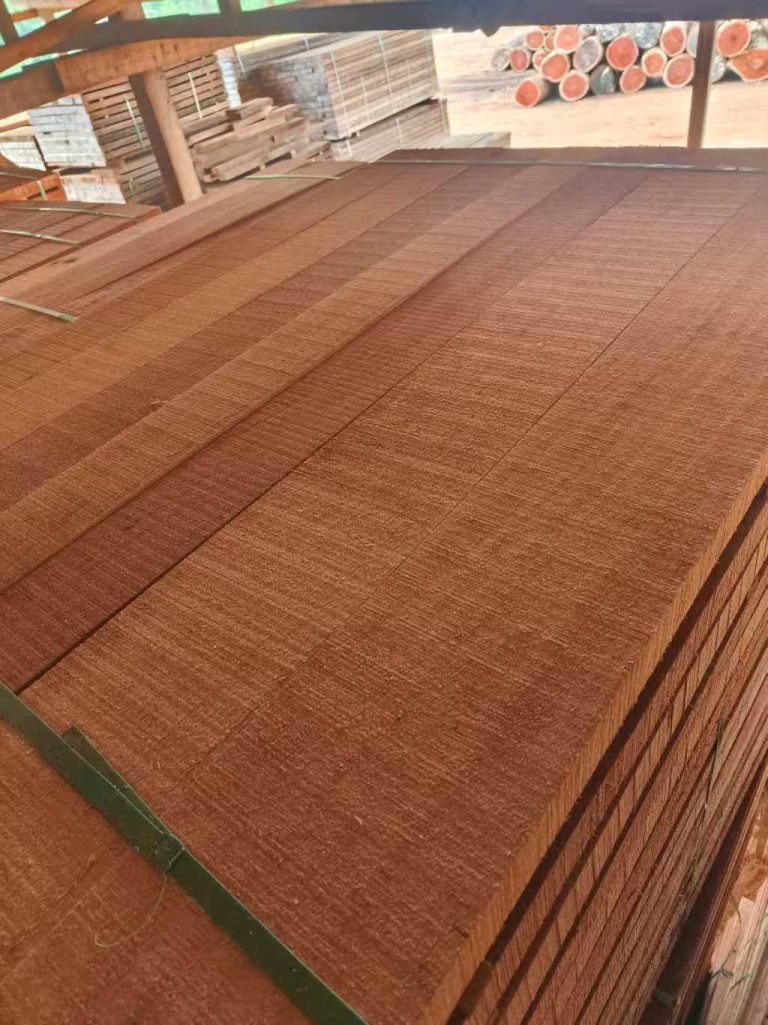
Untreated wood refers to timber that has not undergone chemical preservation or heat sterilization. In the context of African botany, many species possess exceptional natural durability. For instance, species like Azobe and Tali are naturally resistant to termites and fungal decay due to their high density and extractives content. Consequently, buyers often request these species in their raw, untreated state for specific engineering applications.
However, shipping untreated wood presents logistical challenges. First, fresh-cut timber (green wood) has a high moisture content. Without treatment, this moisture can lead to sapstain (blue stain) fungi proliferation during transit inside a closed shipping container. Moreover, untreated dunnage used to secure the load is a frequent cause of cargo rejection. If the commodity is untreated, the supporting dunnage must still comply with ISPM 15 standards to enter international ports.
Treatment Methods for African Hardwoods
To mitigate risks, exporters employ various preservation techniques. Understanding the difference between treated vs. untreated wood processes helps importers specify the correct order requirements.
1. Kiln Drying (KD)
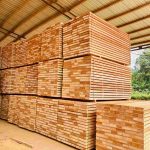
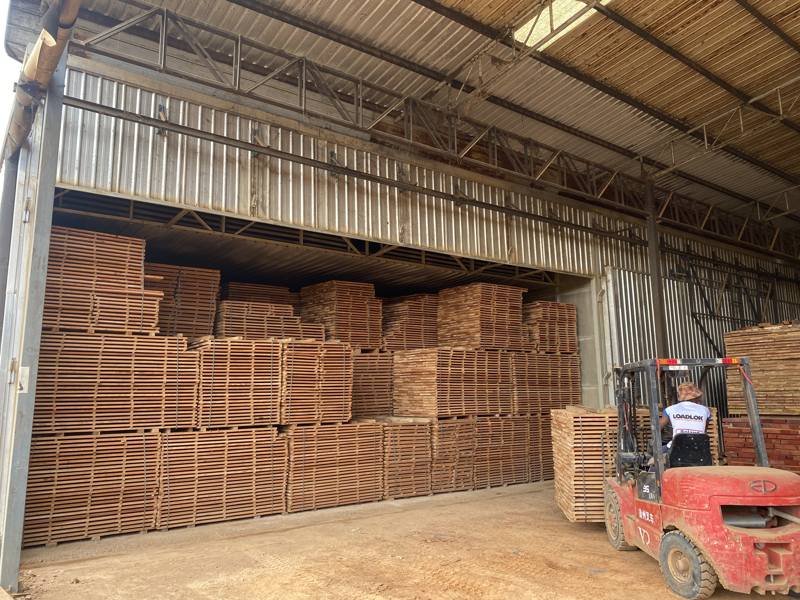
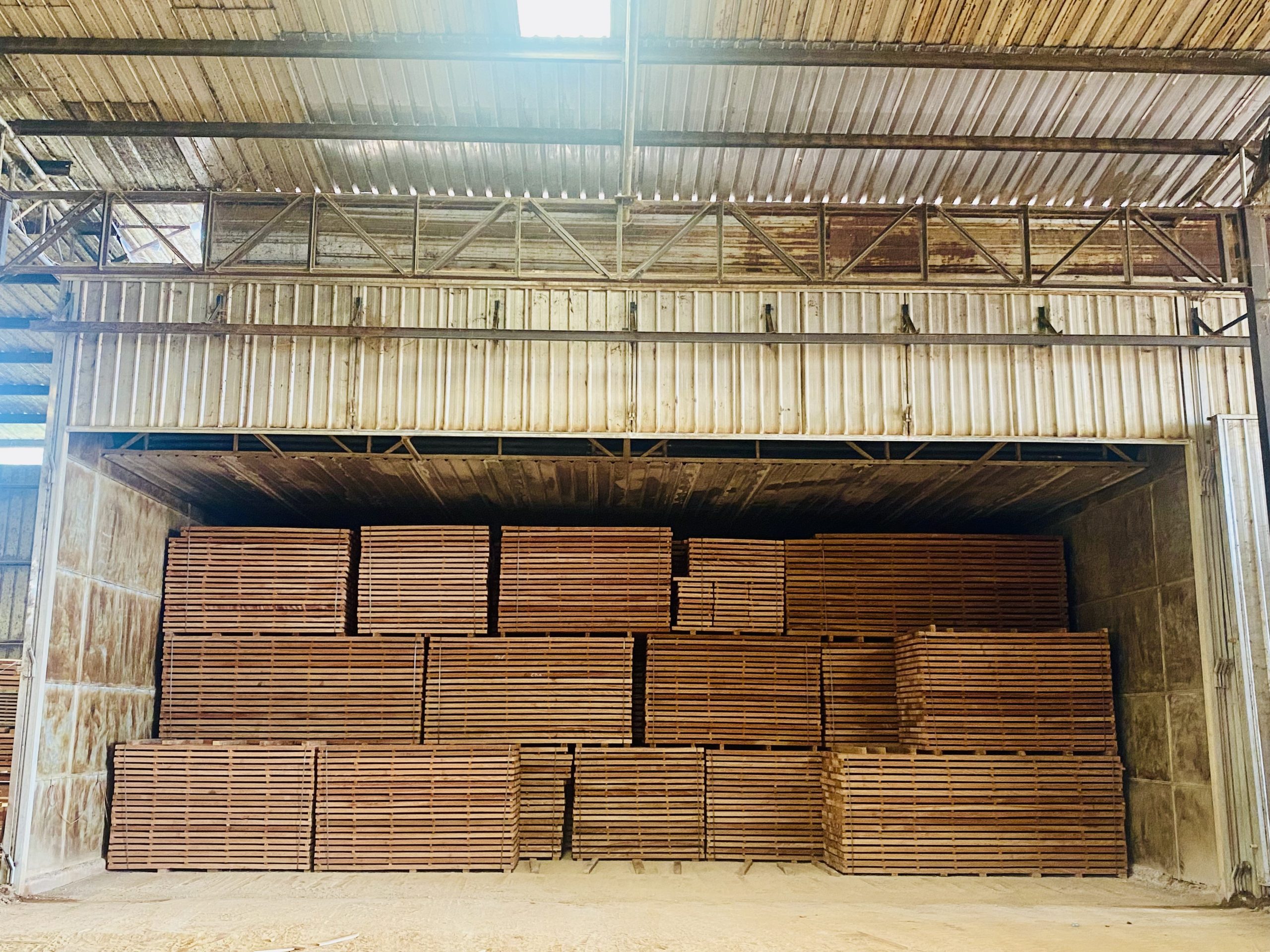
Kiln drying is the most effective non-chemical treatment. By reducing the moisture content (MC) to between 12% and 18%, we stabilize the wood. Furthermore, the heat generated during the kiln process effectively sterilizes the timber, killing larvae and insects. For high-value joinery woods like Sapele or Okoume, KD is the industry standard. It prevents warping and ensures the wood is ready for immediate manufacturing upon arrival.
2. Anti-Sapstain Dipping
For Air Dried (AD) timber, chemical dipping is crucial. Immediately after sawing, planks are submerged in an anti-fungal solution. This surface treatment prevents the growth of blue stain and mold during the drying period and subsequent shipping. While this does not penetrate the core like pressure treatment, it is vital for aesthetic preservation. Therefore, importers of light-colored woods like Ayous should always confirm anti-sapstain treatment has been applied.
3. Heat Treatment (HT)
Heat treatment is a specific requirement under ISPM 15. The wood core must reach 56°C for a minimum of 30 minutes. This method is mandatory for all wooden packaging materials (pallets, crates, dunnage). Importantly, HT does not necessarily reduce moisture content to KD levels; it is purely a phytosanitary sterilization measure. Thus, it is distinct from Kiln Drying, although Kiln Drying often satisfies HT requirements automatically.
Comparative Analysis: Preservation Standards
To assist logistics coordinators in selecting the right specifications, we have compiled a comparison of common treatments used in the African timber trade.
| Treatment Method | Primary Function | Target Pests/Issues | Typical Species Application |
|---|---|---|---|
| Kiln Drying (KD) | Moisture Reduction & Stabilization | Fungi, Borers, Warping | Sapele, Okoume, Iroko |
| Heat Treatment (HT) | Phytosanitary Compliance (ISPM 15) | Nematodes, Larvae | Dunnage, Pallets, Crates |
| Anti-Sapstain Dip | Surface Protection | Blue Stain, Mold | Ayous, Rubberwood, Wawa |
| Pressure Treatment | Long-term Durability | Rot, Termites (Ground Contact) | Softwoods (Rare for dense hardwoods) |
Shipping Logistics and Moisture Control
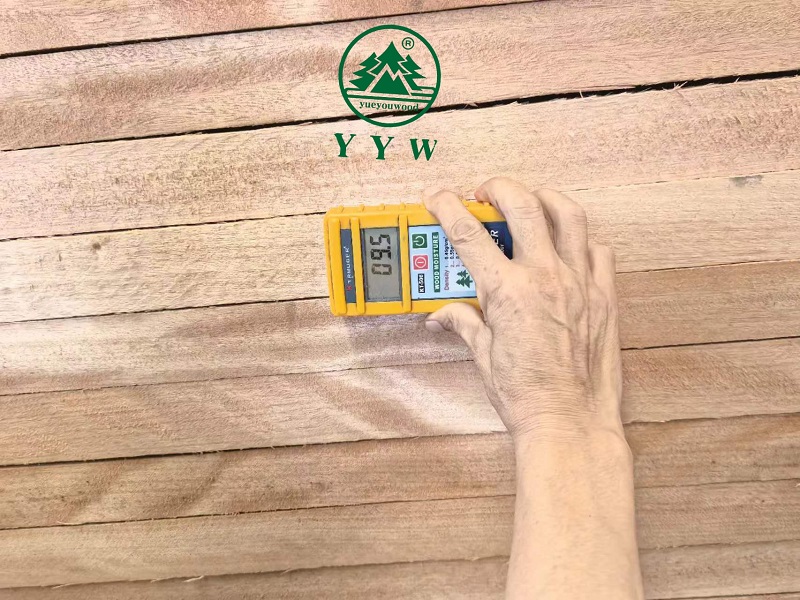
Even with treated wood, the logistics environment poses threats. Shipping containers experience significant temperature fluctuations as they cross the equator. Consequently, “container rain”—condensation forming on the ceiling of the container—can drip onto the cargo. This can re-introduce moisture to Kiln Dried wood, rendering the treatment less effective.
To combat this, YYW Timber utilizes desiccants and protective liners. Furthermore, we ensure that the difference between the wood’s moisture content and the ambient humidity is managed carefully. For high-grade exports, we recommend shipping FAS (First and Seconds) grade timber that has been properly Kiln Dried to ensure stability. You can reference species-specific durability data at the Wood Database for more technical details on hygroscopic properties.
Best Practices for Wholesalers and Importers
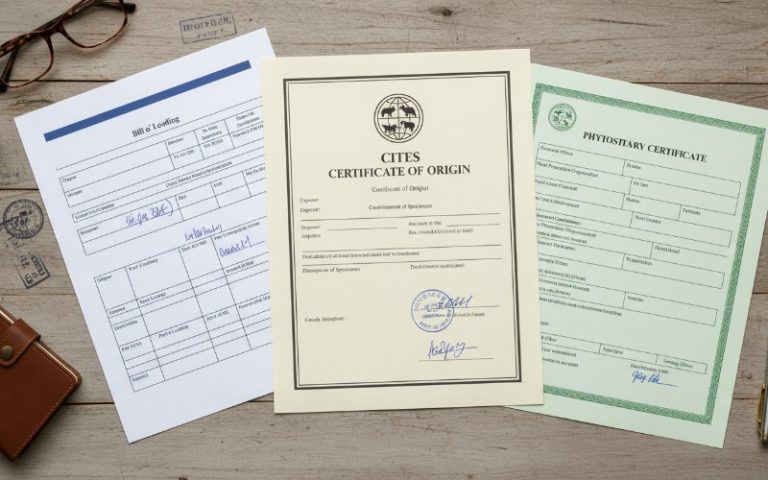
- Verify Documentation: Always ensure the Phytosanitary Certificate explicitly states the treatment method (e.g., “Kiln Dried to 12-14%”).
- Inspect Dunnage: Confirm that all dunnage separating the timber bundles bears the IPPC stamp. Non-compliant dunnage can cause the entire container to be quarantined.
- Choose the Right Spec: Do not order Air Dried (AD) lumber for indoor furniture manufacturing in dry climates. The subsequent drying will cause checking and splitting.
- Understand Natural Durability: For outdoor projects using Azobe or Padauk, chemical pressure treatment is often unnecessary due to the wood’s inherent resistance.
Conclusion
Navigating the complexities of treated vs. untreated wood is a fundamental aspect of the international timber trade. While African hardwoods offer superior natural qualities, adherence to international shipping standards is non-negotiable. Whether you require Kiln Dried Sapele for cabinetry or naturally durable Tali for heavy construction, understanding these preservation methods ensures your cargo arrives in safe, sellable condition.
At YYW Timber, we prioritize compliance and quality control at every stage of the supply chain. From proper kiln schedules to compliant dunnage, we protect your investment from origin to destination.