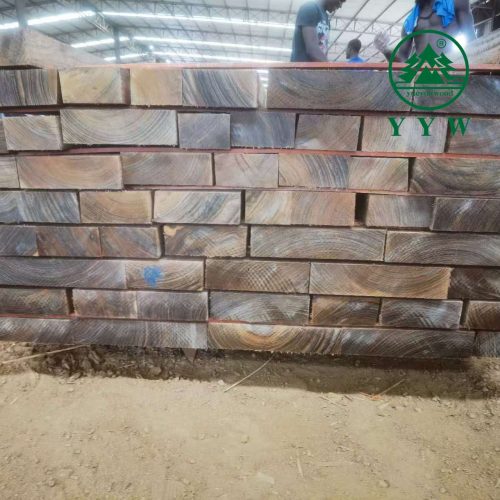
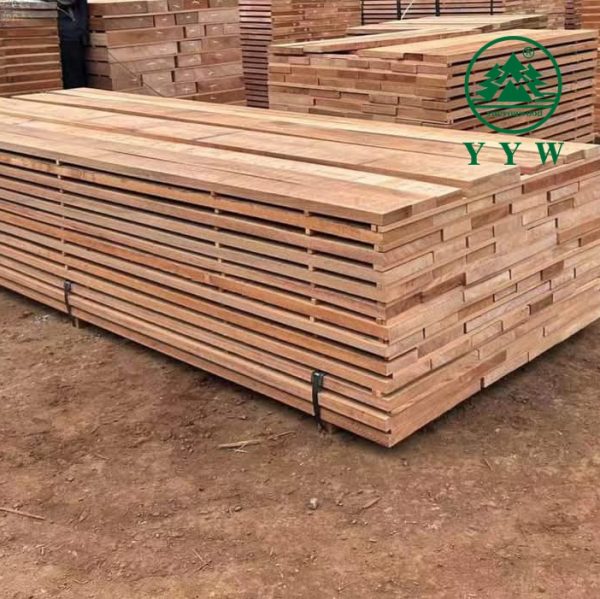
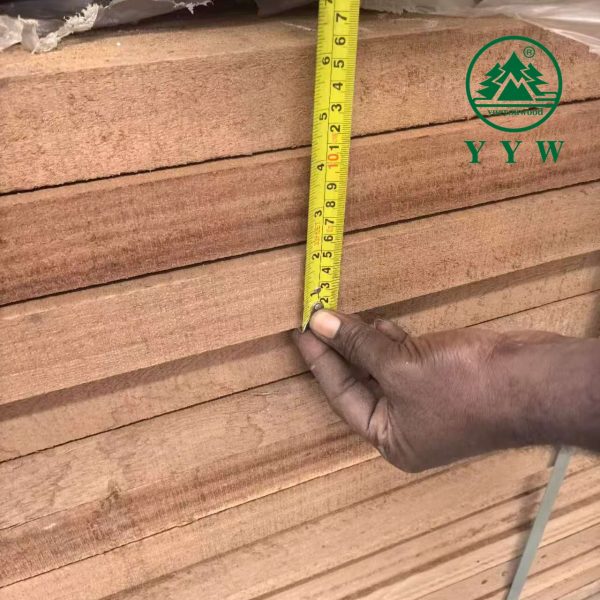
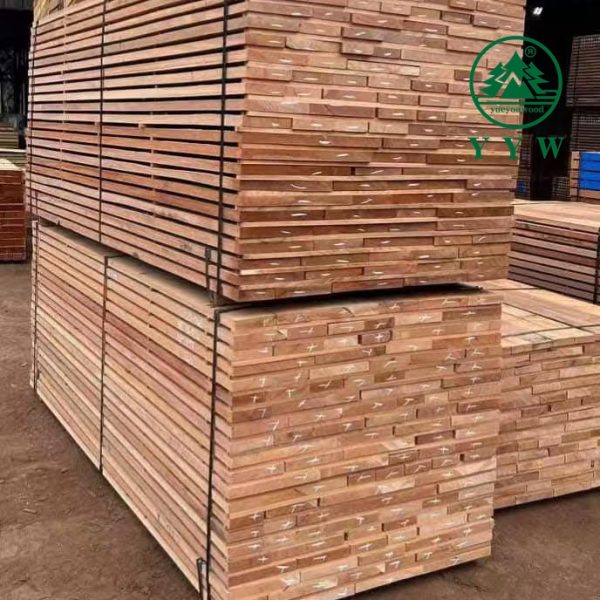
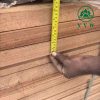
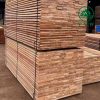
Discover the rugged durability and deep, purplish-brown aesthetics of African Kosipo Wood (Entandrophragma candollei), a heavy-weight champion within the Mahogany family. Often preferred for projects requiring greater density and a coarser, more sophisticated texture than Sapele, Kosipo is a strategic asset for luxury furniture and high-end architectural joinery. As a specialized supplier, YYW Timber provides FAS-grade Kosipo timber that is precision kiln-dried to 8-12% MC. Its superior strength-to-weight ratio and resistance to biological decay make it an essential material for international wholesalers seeking a robust alternative to traditional African Mahogany.
Kosipo Wood Overview:
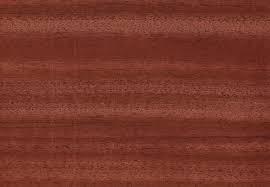
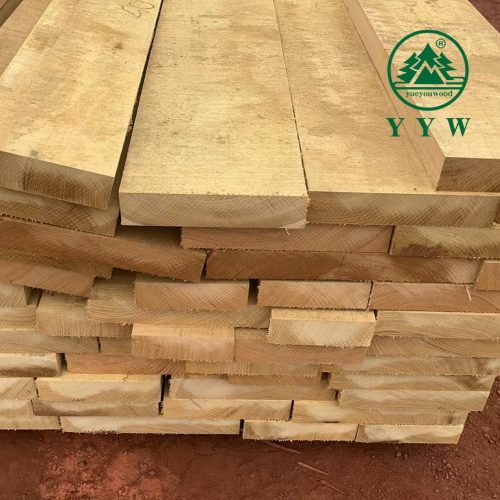
Kosipo is a West African hardwood known for its strength and durability. The heartwood is golden to dark reddish-brown, and the wood often darkens with age. Kosipo is typically used in veneer production, plywood, boatbuilding, cabinetry, and both interior and exterior joinery.
Kossipo Physical Properties:
Density: 680 kg/m³ (42.5 lbs/ft³)
Janka Hardness: 1,130 lbf (5,010 N)
430
830
1,410
*Data measured in lbf. Kosipo offers a perfect middle ground between the lightness of Khaya and the hardness of Sapele.
Color: Golden to dark reddish-brown with aging.
Grain: Straight to slightly interlocked, producing a moderate striped appearance.
Durability: Rated as moderately durable with some susceptibility to dry wood and marine borers.
Selecting the right species from the Entandrophragma genus depends heavily on the required grain structure and final application. For manufacturers deciding between the lighter Khaya and the more dense Kosipo, we recommend reviewing our detailed Kosipo vs. Khaya comparison.
Furthermore, understanding the grading standards for Kosipo timber as a versatile African hardwood is essential for optimizing yield in industrial furniture production. To ensure every container load meets international quality benchmarks, wholesalers should also be familiar with the criteria to verify FAS grade timber before confirming international sea transit.
🛠️ Expert Tips for Working with Kosipo Timber
Taming the Interlocked Grain: Like most Entandrophragma species, Kosipo can be challenging to plane. To achieve a mirror-smooth finish, always plane in the direction of the grain and consider a 15-degree cutting angle to prevent surface plucking.
Finishing Strategy: Kosipo’s deep color is its greatest asset. To accentuate the purplish undertones, use a clear oil-based finish rather than heavy stains. Because it has relatively large pores, a grain filler is recommended if a high-gloss “piano” finish is desired.
Gluing and Fastening: Kosipo has excellent gluing properties with standard PVA glues. However, due to its density, pre-drilling for screws is mandatory to avoid splitting the wood, especially near the end-grain.
Dust Precaution: Kosipo sawdust can be a respiratory irritant. Ensure your industrial dust extraction system is optimized and PPE is worn during all sawing and sanding operations.
Kosipo Wood Applications:
Veneer: Kosipo is commonly used in veneer applications due to its smooth surface and attractive grain.
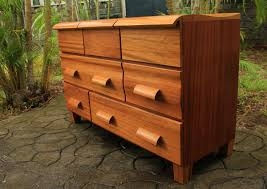
Cabinetry & Furniture: Ideal for making luxury furniture pieces, including cabinets, tables, and chairs.
Boatbuilding: Suitable for marine applications when treated for decay resistance.
Interior & Exterior Joinery: Used for window frames, doors, and trim.
Sustainability:
Conservation Status: Kosipo is listed as vulnerable by the IUCN Red List due to a population reduction of over 20% in the last three generations.
Sourcing: It is important to source Kosipo from sustainably managed forests to ensure continued availability.
Why Choose Kosipo?
Strength & Durability: Kosipo’s strong nature makes it suitable for heavy-duty and structural applications.
Aesthetic Appeal: The golden to reddish-brown color with dark streaks adds a distinctive look to furniture and decor.
Versatility: Whether for high-end veneers or durable cabinetry, Kosipo is versatile for various applications.
KD-scaled-1-500x500.jpg "Sapelli(Sapele)KD-scaled")