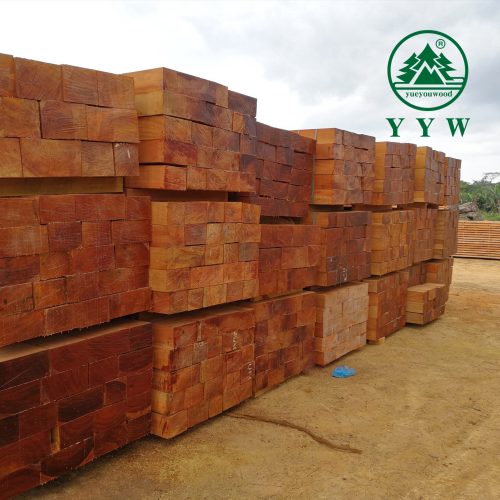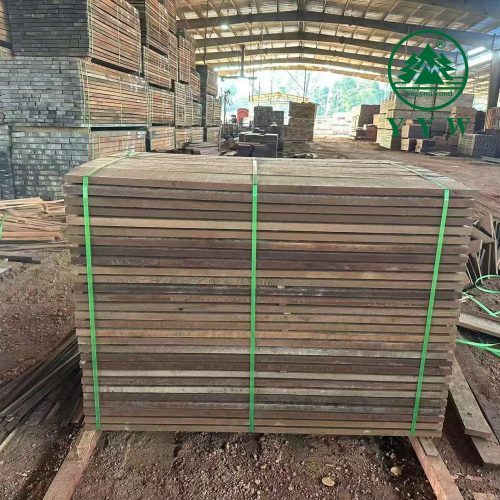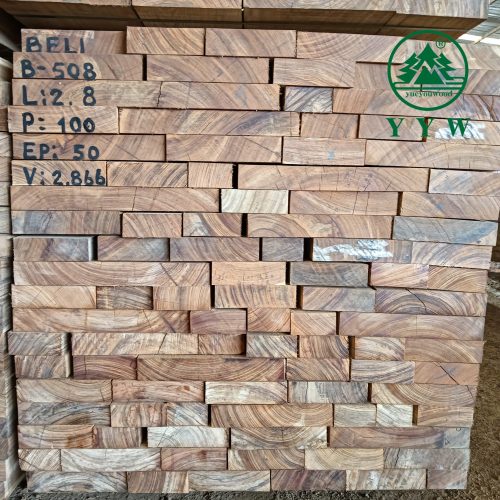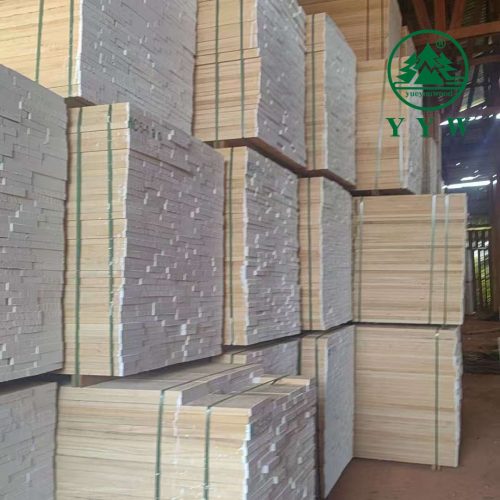
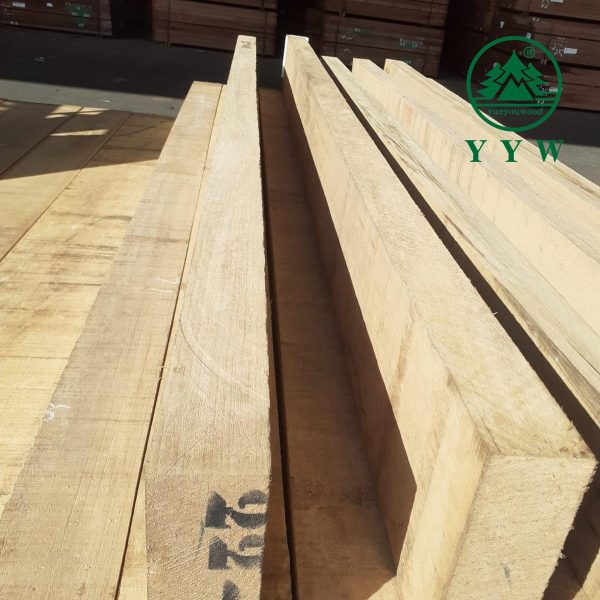
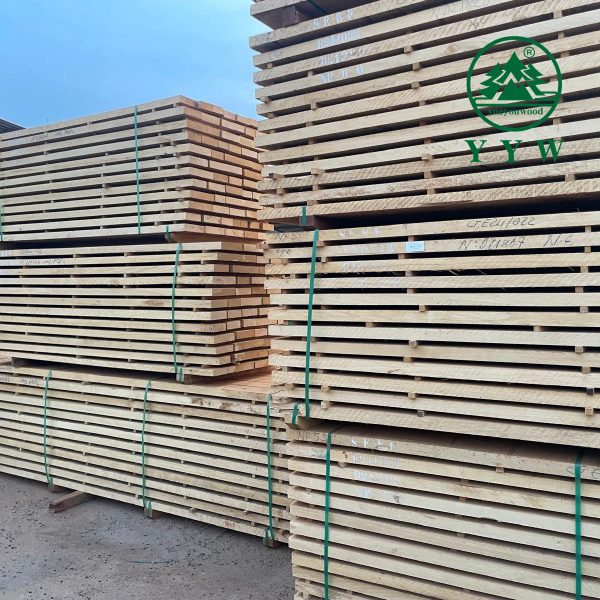
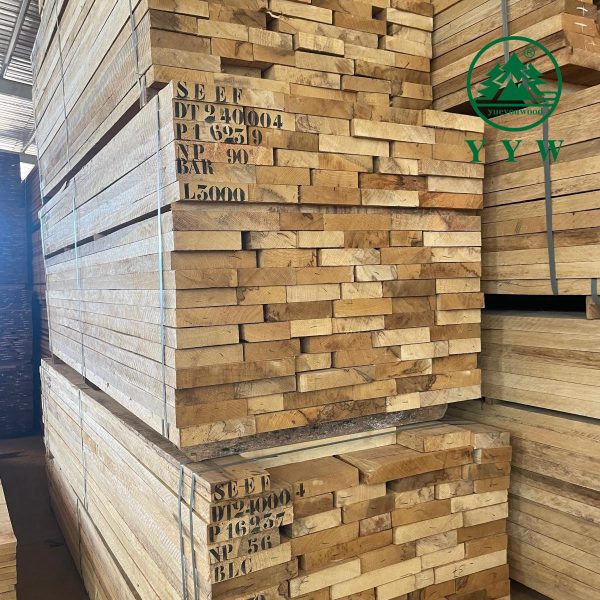
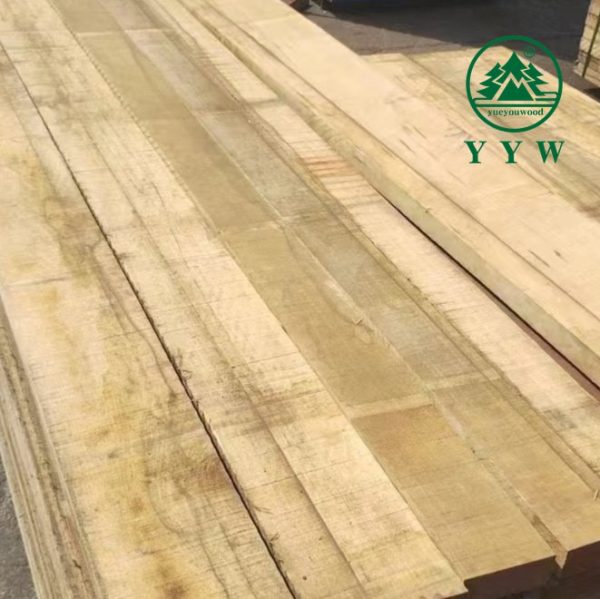
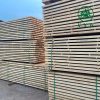
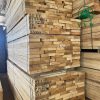
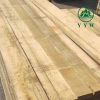
Optimize your high-volume furniture and musical instrument production with premium African Frake Timber (Terminalia superba). Widely recognized as Limba or Afara, and legendary in the lutherie world as Korina, this species offers an exceptional balance of lightweight workability and structural stability. As a direct West African exporter, we supply FAS-grade Frake sawn timber precision kiln-dried (KD) to 8-12% MC.
Frake Wood Physical Properties:
| Density | Approximately 555 kg/m³ |
| Janka Hardness | 670 lbf (2,990 N) |
| Color | Heartwood: Light yellowish to golden brown, sometimes with grey to nearly black streaks and veins. Sapwood: Pale greyish to yellowish brown, not clearly demarcated from the heartwood. |
| Grain | Straight to slightly interlocked |
| Texture | Uniformly coarse |
| Luster | Moderate natural luster |
| Rot Resistance | Non-durable; susceptible to insect attack |
| Workability | Easy to work with both hand and machine tools; glues and finishes well |
| Odor | Mild odor when being worked |
| Allergies/Toxicity | Can cause skin and respiratory irritation, as well as hives, asthma-like symptoms, and bleeding of the nose and gums. |
430
1,260
1,360
*Data measured in lbf. Frake’s moderate hardness makes it one of the easiest African hardwoods to machine and finish.
African Limba Wood Applications:
Furniture: Suitable for cabinetry and fine furniture due to its aesthetic appeal.
Veneer: Often sliced into veneer sheets for decorative applications.
Musical Instruments: Used in the construction of electric guitar bodies, marketed under the name “korina.”
Plywood: Utilized in plywood manufacturing for its workability and appearance.
Turned Objects: Ideal for turning into various objects due to its ease of machining.
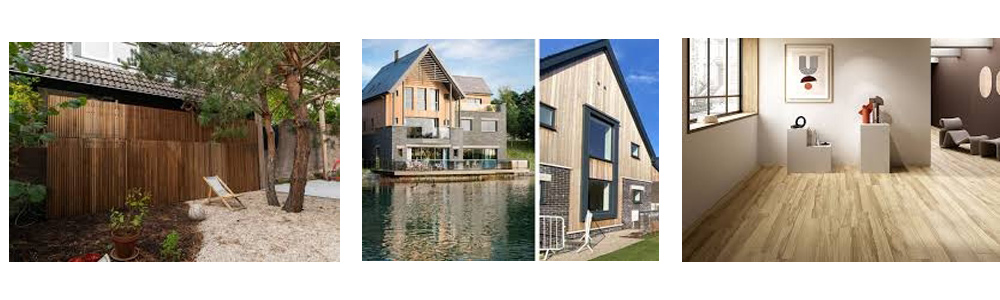
African Black/White Limba Sustainability:
Conservation Status: Not listed in CITES Appendices or on the IUCN Red List of Threatened Species.
Sourcing: While not currently listed as threatened, it is important to source Limba from sustainably managed forests to ensure long-term availability.
Why Choose Limba?
Aesthetic Appeal: The light to golden brown heartwood with occasional dark streaks offers a visually appealing option for various applications.
Workability: Its ease of machining makes it a favorite among woodworkers for both hand and machine tool use.
Versatility: Suitable for a wide range of applications, from furniture making to musical instrument construction.
Availability: Readily available in board and veneer form, making it accessible for various projects.