Executive Summary: Iroko wood is one of the most searched African hardwoods. Many buyers call it “African teak” because of its durability and outdoor performance. This article explains everything about iroko timber. You will learn properties, grades, uses, treatment, sourcing, and global trade compliance.
What is Iroko Wood
Iroko is a premier tropical hardwood known for its resilience and aesthetic appeal. It belongs to the Moraceae family and is essential for heavy-duty construction.
Iroko wood comes from the large deciduous tree species Milicia excelsa and Milicia regia. International traders often call it “African Teak” due to its performance. However, Iroko is not a true teak species. It offers similar oily properties and exceptional rot resistance at a more competitive price point.
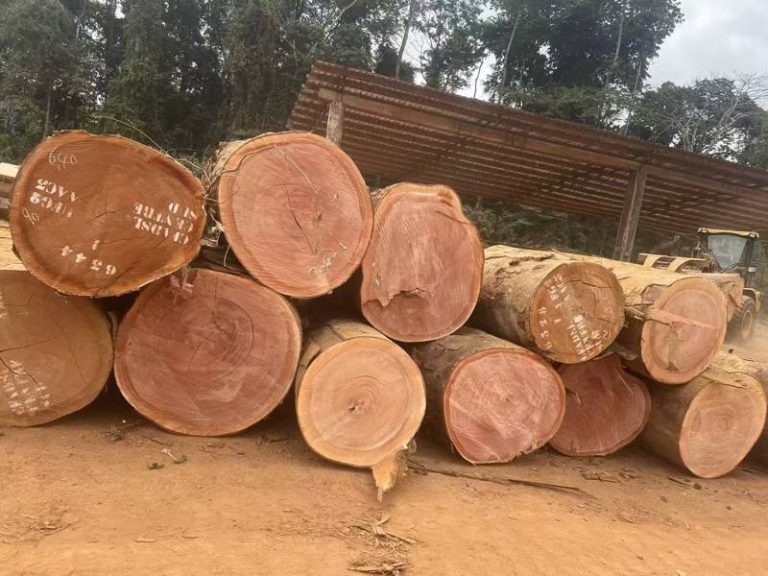
We source Iroko for its incredible lifespan. In the wild, these trees reach heights of 50 meters. The trunk remains clear of branches for the first 20 meters. Consequently, this produces long, high-yield Iroko logs for sawmills. At YYW Timber, we prioritize mature trees to ensure maximum heartwood density.
Where is Iroko Wood From
Iroko mainly comes from West and Central Africa, especially Ghana and Nigeria, which dominate global exports.
Iroko grows across tropical Africa. Major exporting countries include:
- Nigeria
- Ghana
- Ivory Coast
- Cameroon
- Congo Basin region
The distribution of Iroko spans from West to East Africa. Specifically, the finest Iroko timber thrives in the rainforests of Central Africa. Countries like Cameroon and Gabon dominate the export market. These regions provide the ideal soil and humidity for dense heartwood development. YYW Timber maintains strategic partnerships in these hubs to secure year-round supply.
Is Iroko a Hardwood
Yes, iroko is a true hardwood. It comes from a broadleaf tree. It grows slower than softwoods, which makes the timber denser and stronger.
Botanically, Iroko is an angiosperm, its durability rating is Class 1–2,which classifies it as a hardwood. It features a complex pore structure and dense fibers. These characteristics provide high mechanical strength. Specifically, it resists impact and heavy loads better than most temperate hardwoods. For wholesalers, this hardness translates to low maintenance and long-term value in commercial projects.
Many engineers classify iroko as a durable exterior hardwood. It performs well without chemical treatment.
Hardwood vs Softwood Explained
Iroko Timber Properties
Iroko combines durability, stability, and moderate density, making it ideal for outdoor and structural applications.
Iroko offers a balanced mix of strength, workability, and durability. This balance explains its popularity in global markets.
Typical density: 630–700 kg/m³
Natural durability: High
Stability: Very good
It contains natural oils. These oils improve weather resistance and insect resistance.
Iroko Wood Janka Hardness
The Iroko wood janka hardness measures approximately 1,260 lbf (5,610 N). This rating places it above English Oak and Teak. Consequently, Iroko resists dents, scratches, and wear very effectively. It is the ideal choice for high-traffic flooring and commercial decking.
Iroko Wood Grain and Texture
Iroko has interlocked grain and coarse texture, which create strength and a natural appearance.
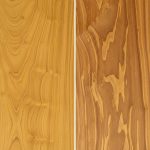
Iroko grain ranges from straight to interlocked. Texture is medium to coarse. This gives a natural and slightly rustic look.
The interlocked grain improves strength. However, it can cause tear-out during machining. Sharp tools solve this problem.
Surface finishes polish well and look warm.
Iroko Wood Color Evolution
Iroko changes from golden yellow to deep brown and can turn silver outdoors if untreated.
Fresh iroko starts golden yellow. Over time, it turns medium to dark brown.
Sunlight causes natural darkening. This color change gives iroko a teak-like look.
UV oil slows color change. Outdoor weathering creates a silver patina if untreated.
Round Iroko Logs vs. Square Iroko Logs
Round logs suit sawmills, while square logs simplify transport and manufacturing.
Wholesalers must choose the correct log format based on their milling capacity and shipping costs.
Round Logs
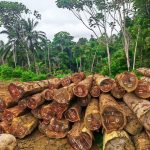
Round Iroko logs offer the highest versatility for veneer slicing. We select the straightest trunks for these orders.
- Raw tree trunks
- Lower processing cost
- Higher shipping volume
- Buyer handles milling
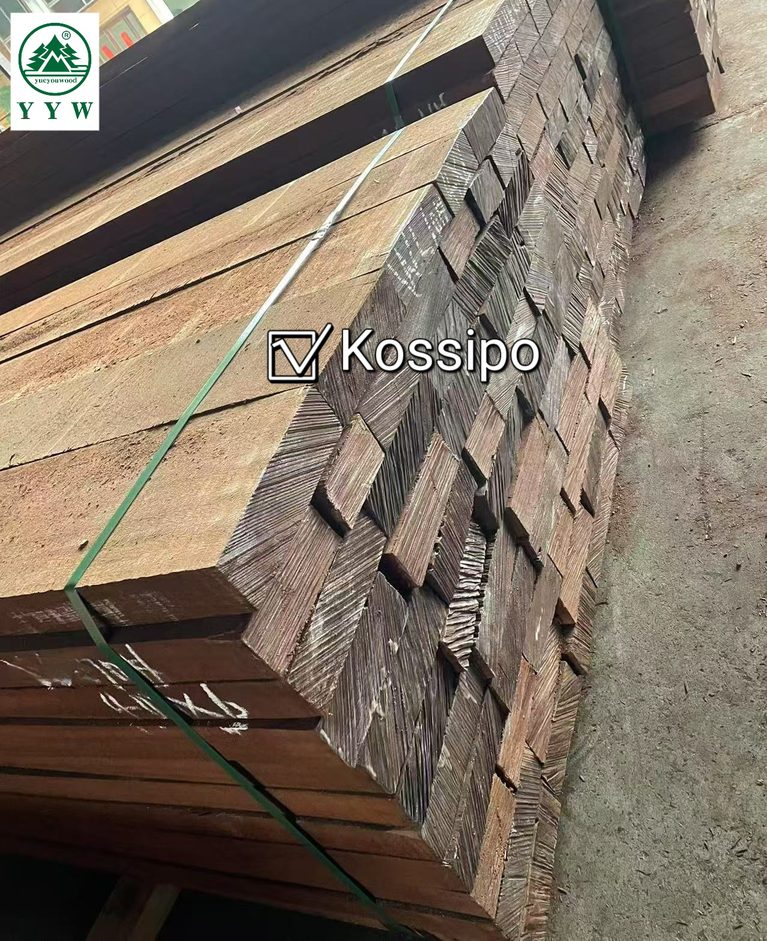
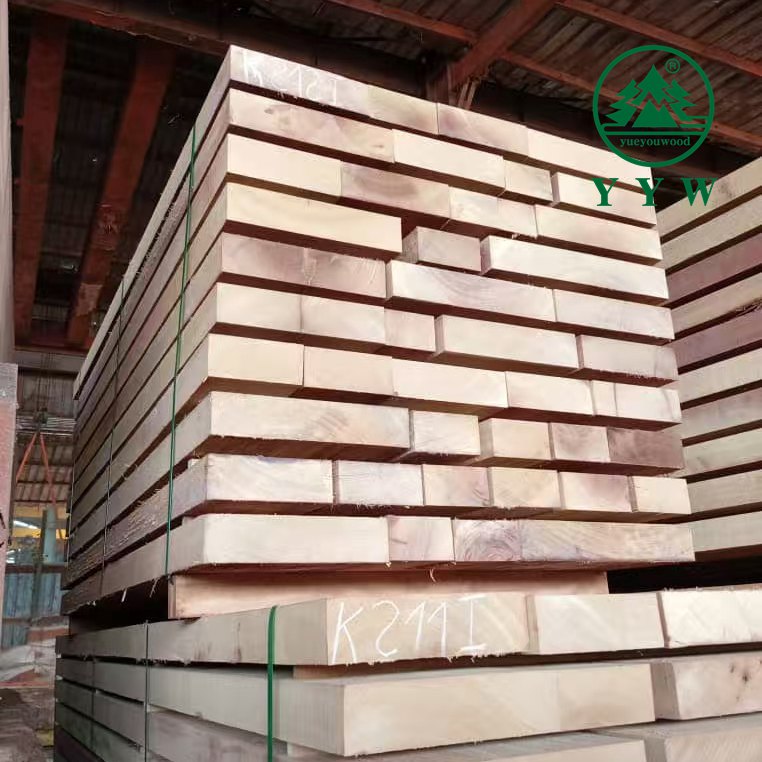
Square Logs (Squared Timber)
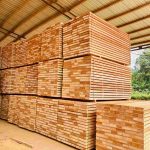
Conversely, Square Iroko logs (also known as boules) reduce shipping waste. They fit more efficiently into containers. This lowers the landed cost for B2B importers.
- Rough-sawn sides
- Easier transport and stacking
- Reduced waste during milling
- More export-ready
At YYW Timber, we provide both formats to match your specific production line.
Grading Standards: FAS and KD vs AD
FAS ensures premium quality, while KD and AD indicate moisture levels for different applications.
Understanding grading is essential for procurement.
FAS Grade (First and Seconds)
Top lumber grade.
Offers long, clear boards.
Minimal knots and defects.
Best for:
- Furniture
- Joinery
- Premium flooring
KD vs AD Moisture Content
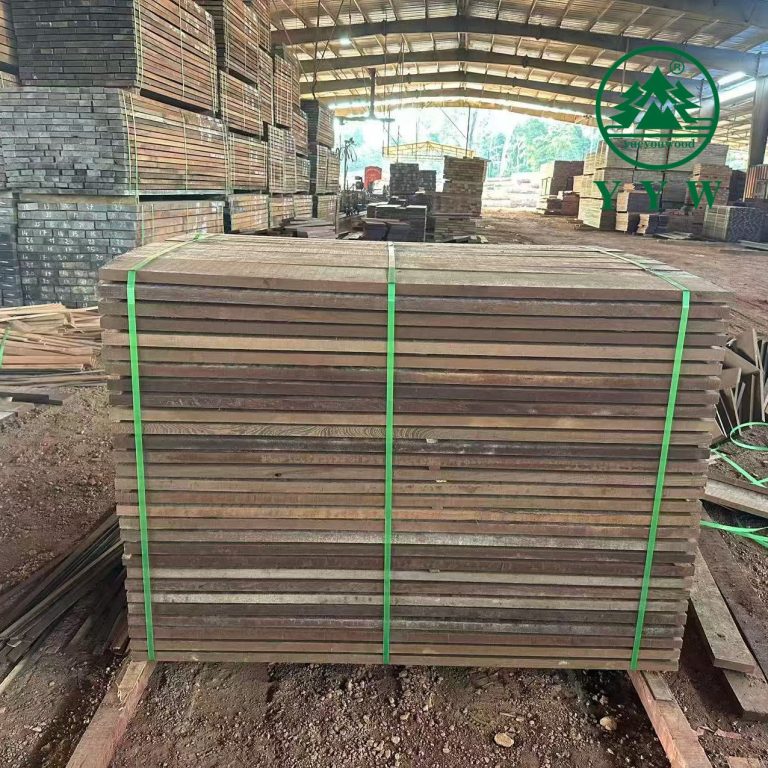
Kiln Dried (KD)
Kiln-Dried (KD) Iroko offers superior stability for indoor furniture.
- Moisture: 8–12%
- Indoor use
- Stable and ready to machine
Air Dried (AD)
Air-Dried (AD) Iroko is cost-effective for outdoor construction.
- Moisture: 18–25%
- Outdoor use
- Lower cost
We monitor moisture levels rigorously before every shipment. This prevents warping and checking during long-distance sea freight.
👉 Lumber Moisture Content Guide, KD vs AD Iroko
How to Treat Iroko Wood
Proper treatment extends the lifespan of Iroko. We discuss oiling, sealing, and handling its natural silica content.
Iroko contains natural oils. Therefore, it needs special finishing steps.
Surface Preparation
- Use sharp carbide tools.
- Sand thoroughly before finishing.
Finishing Options
- Teak oil for outdoor use
- Marine oil for decking
- Exterior varnish for furniture
Avoid water-based finishes without primer. Natural oils reduce adhesion.
Regular oiling improves longevity.
What is Iroko Wood Used For
Iroko suits outdoor, indoor, and industrial applications thanks to durability and stability.
Iroko is extremely versatile.
Outdoor Applications
- Decking
- Garden furniture
- Cladding
- Pergolas
- Marine joinery
Indoor Applications
- Flooring
- Doors and windows
- Staircases
- Kitchen worktops
Industrial Applications
- Boat building
- Bridges
- Laboratory furniture
- Heavy construction
Where to Buy Iroko Wood
Buy iroko from certified exporters with strong drying and logistics capabilities.
Buyers can source iroko from:
- African sawmills
- Global timber traders
- Import distributors
- Wholesale lumber suppliers
Important sourcing factors:
- FSC certification
- Legal harvesting documents
- Kiln drying capacity
- Export experience
YYW Timber facilitates direct sourcing from Central African forests. We manage the harvesting, milling, and container loading. This eliminates middlemen and reduces your procurement costs. For a custom quote on Iroko logs or sawn timber, contact our export team.
Iroko vs. Other African Hardwoods
Iroko competes strongly with other African hardwoods due to balance of price, durability, and availability.
Comparisons help buyers choose the right timber.
Iroko vs. Okoume
Okoume is a lightweight hardwood often used for plywood. In contrast, Iroko is much denser and more durable. While Okoume logs are easier to peel, Iroko timber is far superior for structural use. If your project requires strength, Iroko is the clear winner.
| Feature | Iroko | Okoume |
|---|---|---|
| Durability | High | Low |
| Weight | Medium | Light |
| Outdoor use | Excellent | Poor |
| Marine use | Good | Very good (plywood) |
Okoume suits plywood and interior panels. Iroko suits structural and outdoor projects.
Iroko vs. Teak
Genuine Teak (Tectona grandis) is the gold standard but very expensive. Iroko offers similar durability at roughly 40% lower cost. Furthermore, Iroko has a higher Janka hardness than many plantation teaks. This makes Iroko the most cost-effective “teak alternative” for large-scale developments.
| Feature | Iroko | Teak |
|---|---|---|
| Price | Medium | Very high |
| Oil content | Medium | High |
| Outdoor life | 20–30 years | 30–50 years |
Iroko is the best teak alternative for budget-sensitive projects.
Wholesale Procurement and Export Compliance
Legality is critical in the timber trade. We adhere to EUTR, CITES, and national forestry laws.
Importing Iroko wood requires strict documentation. We provide full traceability for every container. Specifically, we follow EUTR (European Union Timber Regulation) guidelines. Our exports include Phytosanitary certificates and Certificates of Origin. We ensure all Iroko logs come from legally designated areas. This protects your business from legal risks and ensures long-term sustainability.
Key documents:
- FSC or PEFC certification
- Phytosanitary certificate
- Bill of lading
- Certificate of origin
- Fumigation certificate
Compliance laws:
- EU Timber Regulation (EUTR)
- Lacey Act (USA)
- UK Timber Regulation
Choose suppliers with export experience. This reduces customs delays and legal risk.
👉
Timber Import Compliance Guide
FSC Certified Wood Explained
Conclusion: Partner with the Iroko Experts
Iroko wood is more than just a teak alternative. It is a world-class hardwood with unique industrial strengths. Whether you need Iroko logs for milling or FAS timber for furniture, quality matters. YYW Timber delivers premium African hardwoods with unmatched reliability. Explore our full timber catalog today to secure your next shipment.
FAQ
Iroko is naturally water-resistant due to its high oil content. It does not absorb water easily, making it perfect for marine use.
Yes, when sourced from managed concessions. YYW Timber supports reforestation programs to ensure the species’ future.
Iroko is a mid-to-high range timber. However, it is significantly cheaper than genuine teak or ebony.
Iroko is a popular choice for large butcher blocks. Its hardness and natural oils are food-safe when sealed properly.
Absolutely. Iroko is one of the top five African hardwoods for outdoor longevity. It resists rot for decades without treatment.