Bottom Line Up Front: Tali wood (Erythrophleum suaveolens) is a highly durable, sustainable African hardwood when procured through strict FSC-certified and FLEGT-licensed channels. Its exceptional density and natural resistance to marine borers guarantee long-term infrastructure ROI, significantly reducing replacement cycles and lowering your project’s overall environmental carbon footprint.
Key Takeaways: Tali Wood Sustainability
- Legal Compliance: Tali is currently not listed on CITES, making international B2B trade highly efficient when backed by robust FLEGT licenses.
- FSC Certification: Sourcing FSC-certified Tali sawn timber guarantees zero connection to illegal deforestation while protecting West African biodiversity.
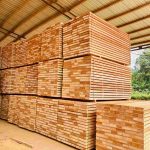
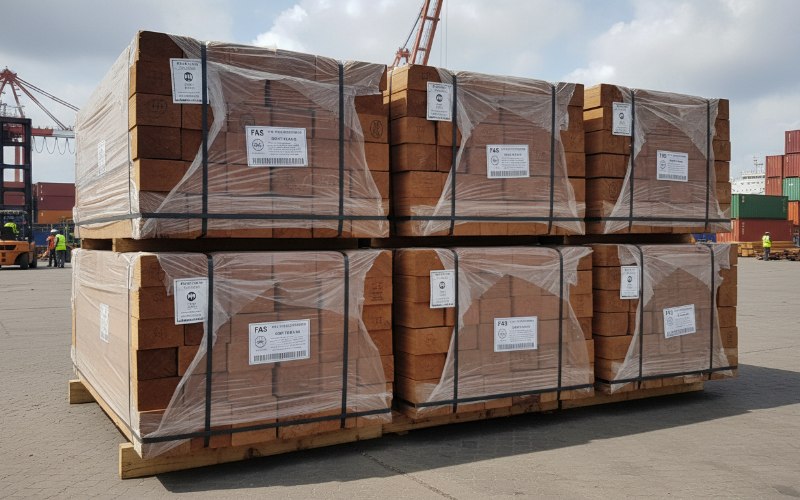
- B2B Procurement Formats: Readily available in premium FAS Grade boards and heavy-duty structural log cants for diverse engineering applications.
- Carbon Lifespan: Tali’s 30-to-50-year service life in harsh marine and industrial environments acts as a formidable, long-term carbon sink.
The Botanical Origin And Natural Habitat Of Tali Wood
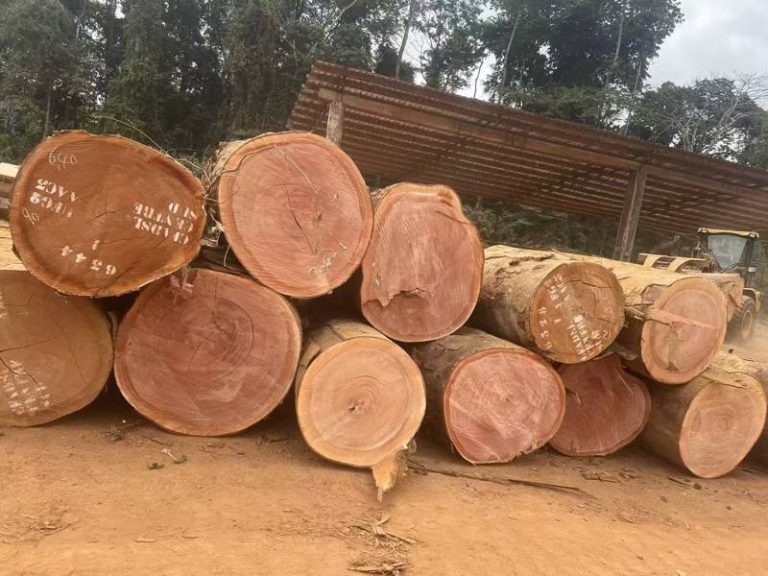
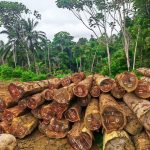
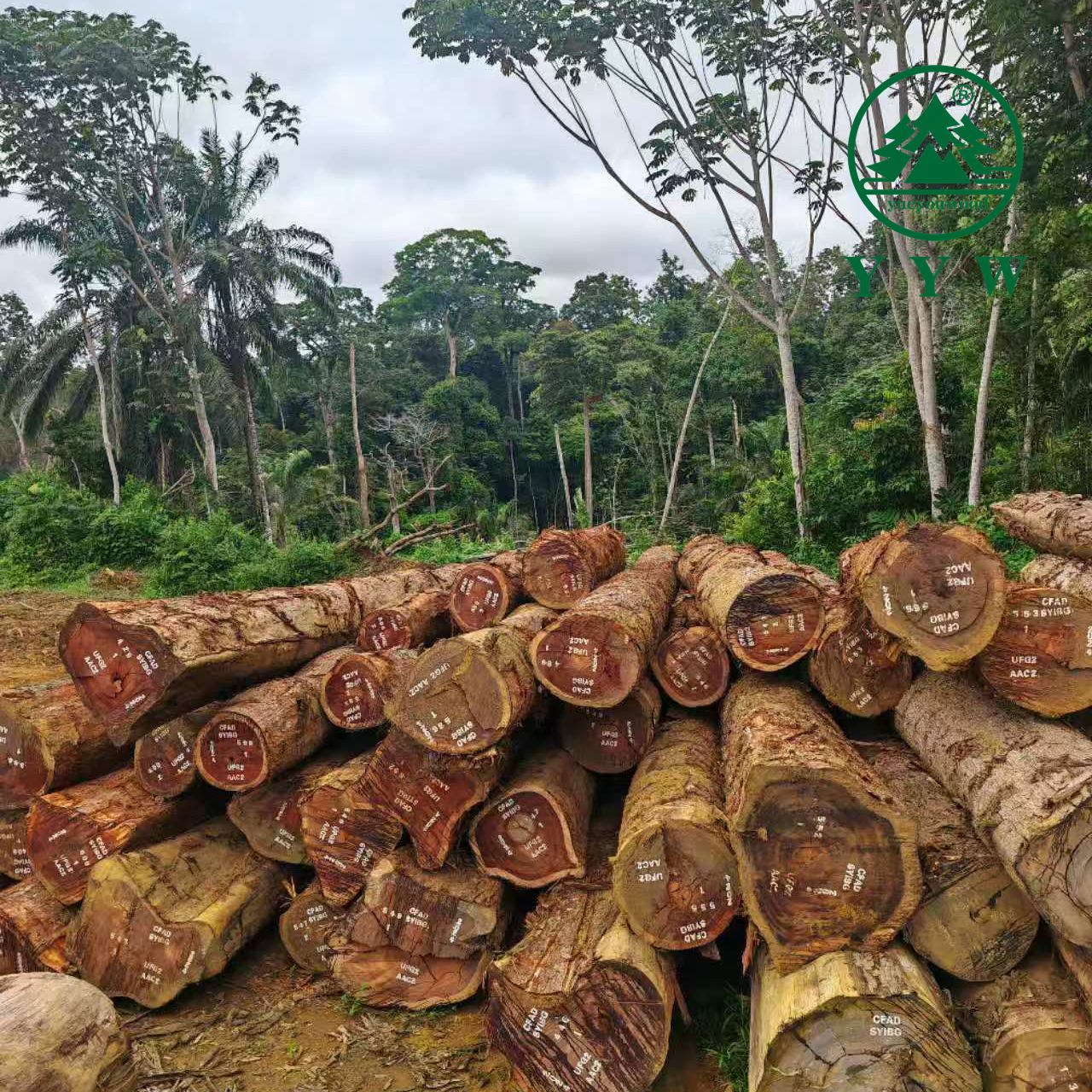
Understanding Tali wood sustainability begins with an analysis of its natural growth cycle. Scientifically classified as Erythrophleum suaveolens and Erythrophleum ivorense, Tali is a robust tree species indigenous to the dense tropical rainforests and transitional savanna zones of West and Central Africa. The species spans across nations such as Cameroon, Gabon, Congo, and the Ivory Coast. These massive trees frequently reach heights of up to 30 meters with trunk diameters frequently exceeding one meter, making them ideal for yielding large, straight log cants.
Unlike fast-growing plantation species, Tali requires decades to reach commercial maturity. This slow growth rate is precisely what gives the wood its legendary interlocking grain and extreme density, often exceeding 900 kg/m³ at a 12% moisture content. Because it grows slowly, sustainable forestry management is absolutely critical. Clear-cutting is detrimental to the ecosystem. Instead, authorized forestry concessions utilize highly regulated selective logging techniques. This means only the most mature trees are harvested, allowing younger saplings access to sunlight and ensuring the forest canopy remains largely intact.
Legal Compliance: FSC Certification And FLEGT Licensing
For B2B system integrators and heavy construction procurement managers, risk mitigation is paramount. Purchasing unverified timber exposes corporations to severe legal, financial, and reputational liabilities. Therefore, evaluating Tali wood sustainability relies heavily on two major institutional frameworks: FSC certification and FLEGT licensing.
The Role Of The Forest Stewardship Council (FSC)
The Forest Stewardship Council (FSC) provides the highest global standard for sustainable forestry. When you source FSC-certified Tali wood, you are guaranteed that the timber originates from a forest where ecological, social, and economic rights are strictly enforced. The FSC chain of custody (CoC) certification meticulously tracks the lumber from the African forest floor, through the local sawmill where it is processed into sawn timber, all the way to the final export shipment. This ensures that indigenous populations are fairly compensated and that critical wildlife habitats are not destroyed during the extraction process.
FLEGT Mechanisms And European Market Entry
The Forest Law Enforcement, Governance and Trade (FLEGT) Action Plan is an initiative by the European Union to combat illegal logging worldwide. FLEGT Voluntary Partnership Agreements (VPAs) with African nations ensure that any Tali timber exported to the EU complies strictly with the domestic laws of the producing country. A FLEGT license automatically satisfies the rigorous requirements of the European Union Timber Regulation (EUTR). Consequently, system integrators importing Tali wood backed by a FLEGT license can completely bypass cumbersome secondary due diligence procedures, streamlining supply chain logistics.
CITES Status Of Erythrophleum Species
It is crucial to note that Tali wood is not currently listed on the CITES appendices. The Convention on International Trade in Endangered Species of Wild Fauna and Flora restricts the movement of endangered botanical specimens. Because Tali remains abundant in well-managed regions and lacks CITES restrictions, international shipping avoids the severe bureaucratic bottlenecks associated with restricted species like genuine Rosewood or certain Mahoganies. However, this favorable status is only maintained through ongoing sustainable harvesting commitments.
Technical Specification And Sustainability Matrix
To assist system integrators in evaluating the performance and sustainability ROI of different heavy structural hardwoods, we have compiled the following technical matrix. This data directly compares Tali against other popular industrial woods.
| Technical Metric | Tali (Erythrophleum spp.) | Azobe (Lophira alata) | European Oak (Quercus robur) |
|---|---|---|---|
| Average Density (12% MC) | 900 – 960 kg/m³ | 1000 – 1100 kg/m³ | 670 – 720 kg/m³ |
| Durability Class (EN 350) | Class 1 (Very Durable) | Class 1 (Very Durable) | Class 2-3 (Durable) |
| Marine Borer Resistance | Excellent (Natural Toxins) | High | Poor (Requires Treatment) |
| FSC Availability | Moderate to High | Moderate | High |
| Carbon Lifespan in Water | 30 – 50+ Years | 40 – 50+ Years | 10 – 15 Years |
| Primary B2B Formats | Sawn Timber, Log Cants | Heavy Timbers, Sleepers | Sawn Boards, Veneers |
Discover why Tali wood durability makes it the ultimate African hardwood for heavy construction. Explore lifespan, strength metrics, and weather resistance.
Field Experience From A West African Concession
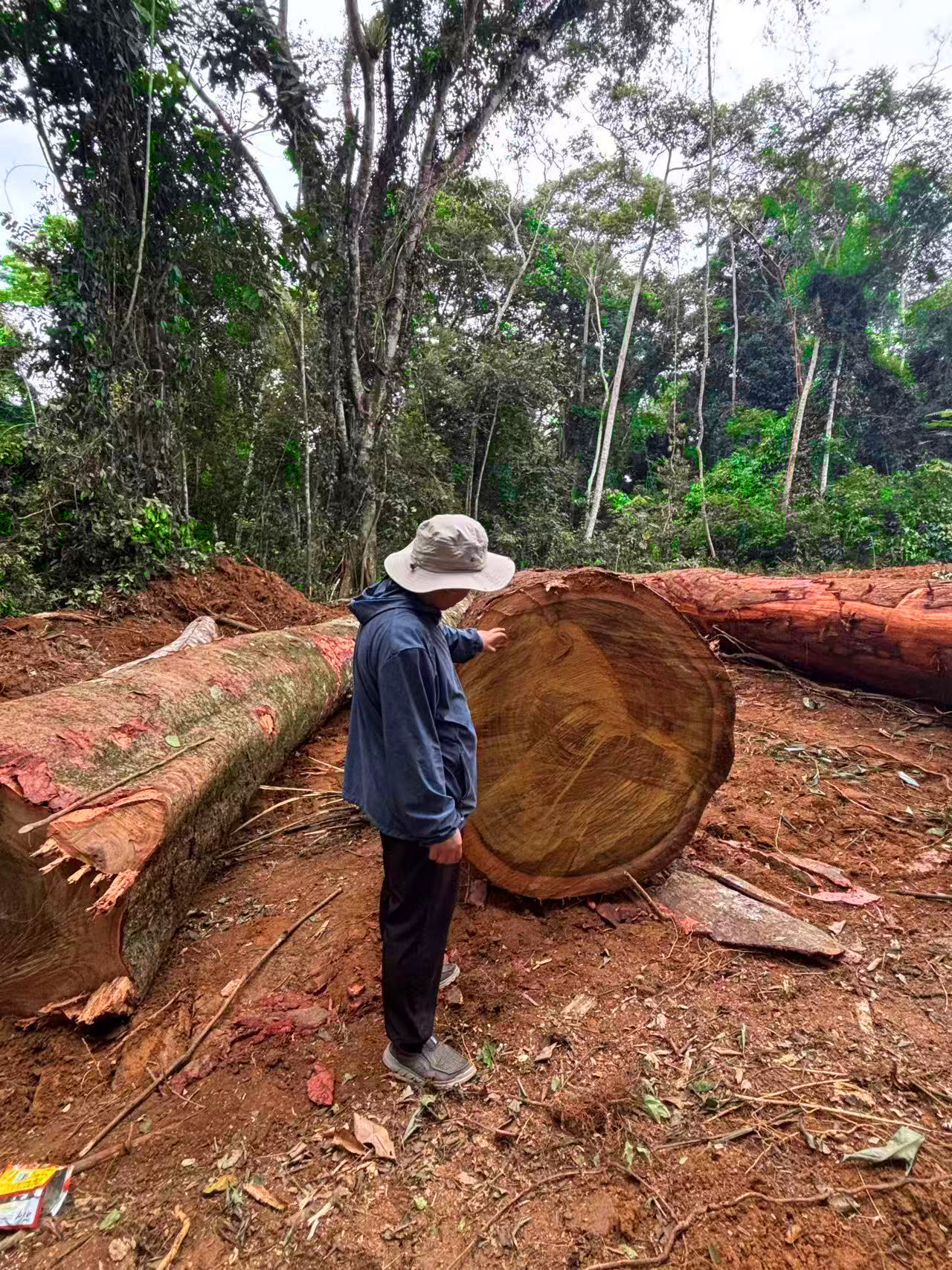
Avoiding generic sustainability claims requires boots on the ground. During a rigorous 2022 timber auditing expedition deep within a Cameroonian forestry concession, I witnessed firsthand the meticulous implementation of modern selective logging protocols. Rather than the indiscriminate clear-cutting of the past, local forestry managers now utilize advanced GIS mapping and drone technology to identify only the most mature Tali trees.
Before a single chainsaw is powered on, an extensive inventory is conducted. Assessors mark specific trees for harvest, ensuring that seed-bearing trees remain untouched to facilitate natural regeneration. I watched a seasoned felling team expertly drop a massive Tali specimen, actively directing its fall to minimize collateral damage to the surrounding flora. Once the tree was down, it was immediately tagged with a unique barcode. This tag serves as the foundational data point for the FSC chain of custody. Seeing this process verified my confidence in the African timber sector’s ability to supply ethically sourced FSC-certified hardwoods to the global market without compromising the ecological balance.
B2B Procurement Strategy: Sourcing FAS Grade And Log Cants Responsibly
For global B2B buyers, understanding the environmental impact is only half the battle; integrating these insights into your purchasing strategy is equally vital. When purchasing Tali wood, system integrators should focus on specific grading rules and material formats to maximize yield and minimize waste.
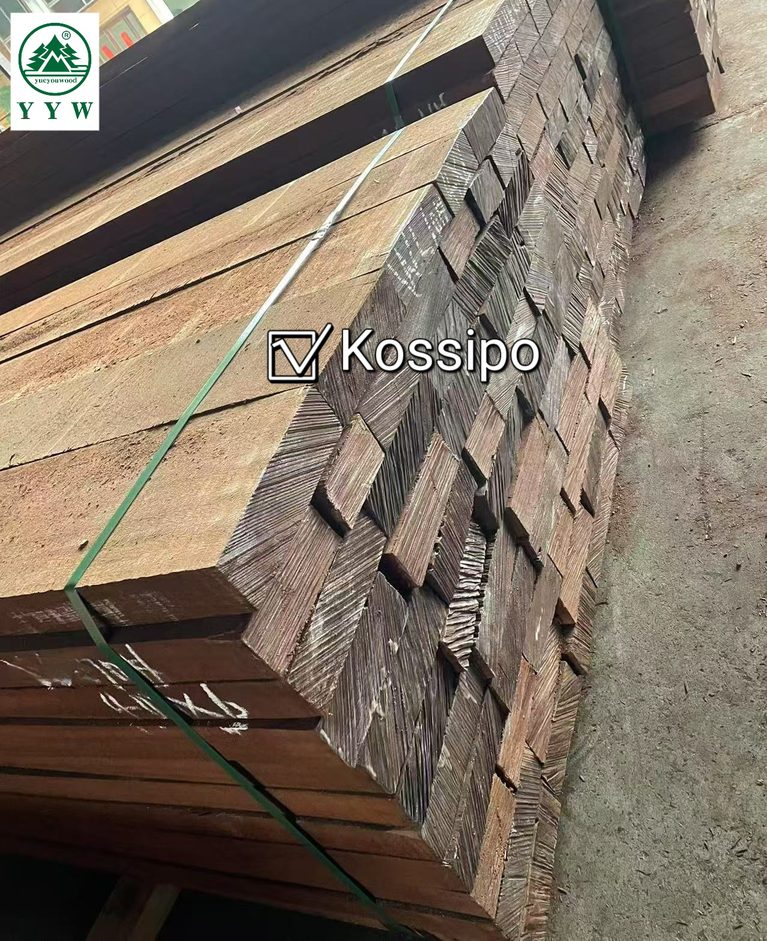
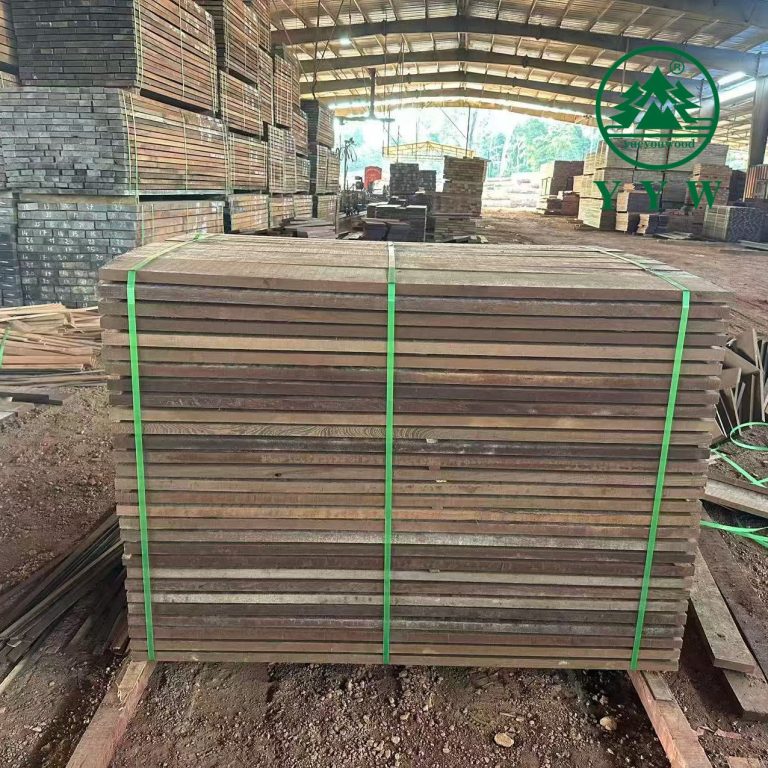
Firstly, prioritize Sawn Timber that meets First and Seconds (FAS) grading standards. FAS grade timber guarantees a high percentage of clear, defect-free wood. By importing FAS grade boards, manufacturing facilities reduce the amount of offcut waste generated during final processing. Less waste equates to a smaller carbon footprint per usable cubic meter. Furthermore, kilning operations for FAS grade materials are generally more efficient, saving massive amounts of energy.
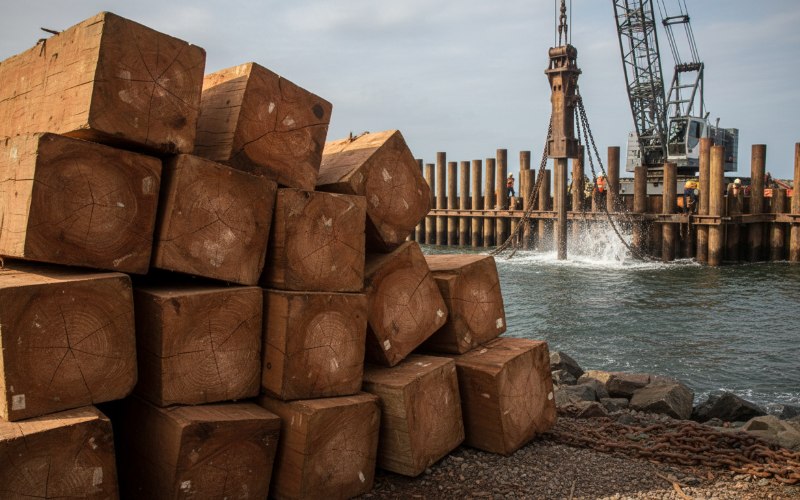
Secondly, consider importing Log Cants for heavy-duty structural applications. A log cant is essentially a partially processed log that has been sawn on two or more sides to create a flat surface. Shipping log cants instead of perfectly milled dimensional lumber allows for greater flexibility at the destination sawmill. Integrators can resaw these cants to their precise custom specifications, optimizing the material for unique bridge construction or marine piling projects while keeping the supply chain highly streamlined.
The Environmental Impact Of Processing And Exporting Tali
A holistic view of Tali wood sustainability must evaluate the entire life cycle, including processing and transportation. Transporting heavy hardwoods from Central Africa to European, Asian, or North American markets inherently generates a transportation carbon footprint. However, this is powerfully offset by the material’s unparalleled service life.
When utilized in harsh environments, such as marine boardwalks, railway sleepers, or industrial flooring, Tali resists rot, fungal decay, and insect attacks naturally. Unlike softer woods that require heavy chemical treatments—often involving toxic heavy metals or creosote—Tali performs flawlessly without artificial preservation. This prevents toxic chemical leaching into delicate marine ecosystems. Furthermore, because a Tali structure can easily outlast a chemically treated pine structure by a factor of three or four, the carbon emissions saved by avoiding multiple reconstruction cycles completely negate the initial shipping footprint.
At YYW Timber, we continuously audit our partner sawmills to ensure they utilize energy-efficient kiln drying technologies. Utilizing biomass generated from sawdust and offcuts to power the kilns creates a closed-loop thermal energy system, drastically reducing the reliance on fossil fuels during the drying phase.
Frequently Asked Questions About Tali Wood Sustainability
Partner With YYW Timber For Sustainable Hardwood Excellence
Securing a reliable, compliant, and environmentally responsible supply of premium African hardwood is critical for your corporate success. As a system integrator handling large-scale industrial or marine contracts, you cannot afford to compromise on Tali wood sustainability or material quality. My two decades of field experience across West Africa guarantee that YYW Timber only sources the absolute finest, fully certified timber available on the market.
If you are ready to elevate your procurement strategy with top-tier, legally compliant FAS grade sawn timber and structural log cants, I invite you to reach out directly. Let us optimize your next heavy engineering project with materials that stand the test of time while protecting the natural world. Contact YYW Timber today to request a detailed technical consultation and customized pricing matrix.