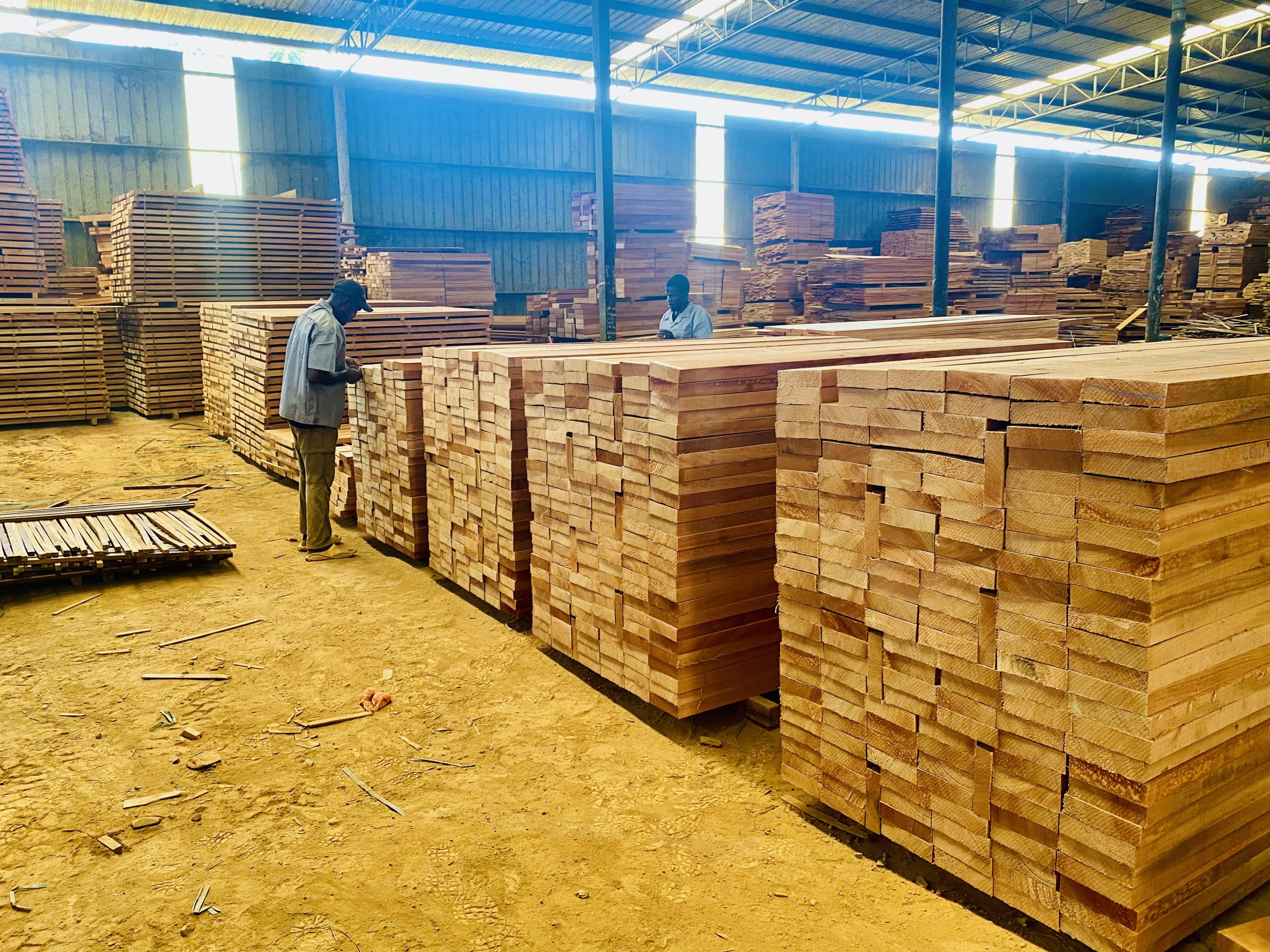
FAS Grade in African Hardwood: Understanding Timber Quality and Grading Standards
What Does FAS Grade Mean in African Hardwood?
When purchasing African hardwood sawn timber, quality is one of the most important factors for international buyers.
Whether you are a timber importer, furniture manufacturer, wholesaler, or woodworking factory, understanding timber grades helps you evaluate material quality, estimate usable wood, and make better purchasing decisions.
One grading term that buyers frequently encounter is FAS.
But what does FAS actually mean, and how should buyers evaluate it when purchasing African hardwood?
Let’s take a closer look.
1. What Is FAS Grade?
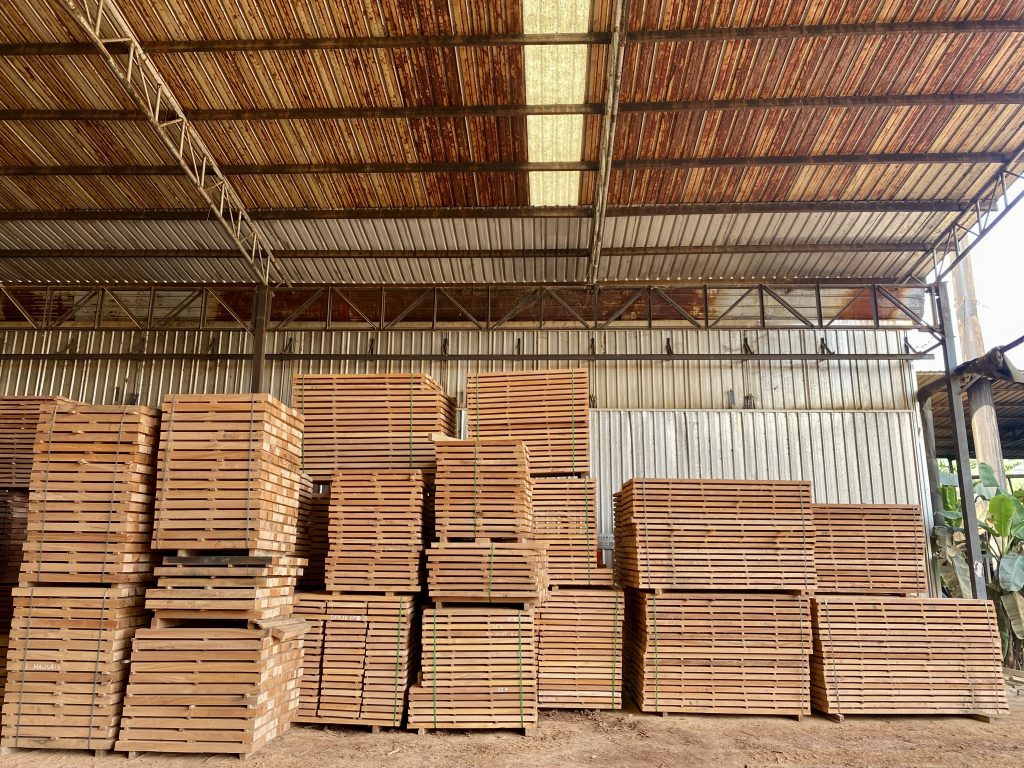
FAS stands for First and Seconds. It is a recognized lumber grade under the grading rules of the National Hardwood Lumber Association (NHLA).
FAS is generally considered a higher grade of hardwood lumber. It offers a higher proportion of clear wood compared with lower grades, making it suitable for applications where appearance and usable cutting areas are important.
Under NHLA rules, FAS lumber has specific minimum board dimensions and clear-cutting requirements. These requirements are defined by the applicable grading rules and should not be confused with informal descriptions such as premium quality or selected timber.
For international African hardwood purchases, buyers should always confirm whether the supplier is applying NHLA grading rules or another agreed commercial grading standard.
2. What Factors Affect Timber Quality?
Several natural characteristics can influence the appearance and usable area of hardwood lumber.
Knots
Knots are natural features formed where branches grow from the tree. Their size, number, and position can affect the usable cutting area.
Cracks and Splits
Cracks may occur during drying or as a result of natural wood characteristics. Their length, depth, and location should be considered during inspection.
Wormholes
Small holes caused by insects can affect the appearance and usability of timber, depending on their quantity and location.
Sapwood
Sapwood is the outer, generally lighter-colored part of the tree. Some buyers accept a certain amount of sapwood, while others require predominantly heartwood.
Wane
Wane refers to missing wood or bark along an edge or corner of a board. It can reduce the usable dimensions of the timber.
Color and Grain
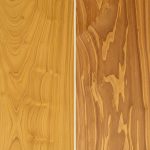
Different African hardwood species have their own natural colors and grain patterns. Even within the same species, some natural variation is normal.
Not every natural feature is automatically a defect. The applicable grading rules and buyer’s intended application determine whether a characteristic is acceptable.

3. Why Is FAS Grade Important for Furniture Manufacturers?
For manufacturers producing solid wood furniture, doors, tabletops, cabinets, and decorative wood products, the usable clear area of timber can directly affect production efficiency.
Higher-grade lumber may offer:
- More usable clear wood
- Greater flexibility during cutting
- Better appearance for visible furniture surfaces
- Less material rejection during certain manufacturing processes
- More predictable material selection
However, higher grades usually involve higher purchasing costs.
The best purchasing decision is not necessarily to select the highest grade available. It is to choose a grade that matches the finished product and manufacturing requirements.
4. FAS Grade and African Hardwood Species
Some commonly traded species include:
- Okoume
- Sapele
- Iroko
- Padouk
- Tiama
- Okan
- Azobe
- Bilinga
- Zebrano
Each species has its own natural grain, color, density, and characteristics.
Therefore, buyers should not assume that the same visual inspection criteria will apply identically to every species.
When requesting a quotation, it is useful to specify the required grade, acceptable natural characteristics, and intended application.
5. What Should You Confirm Before Ordering?
Before confirming an African hardwood order, buyers should discuss the following details with their suppliers:
- Timber species and country of origin.
- Applicable grading standard.
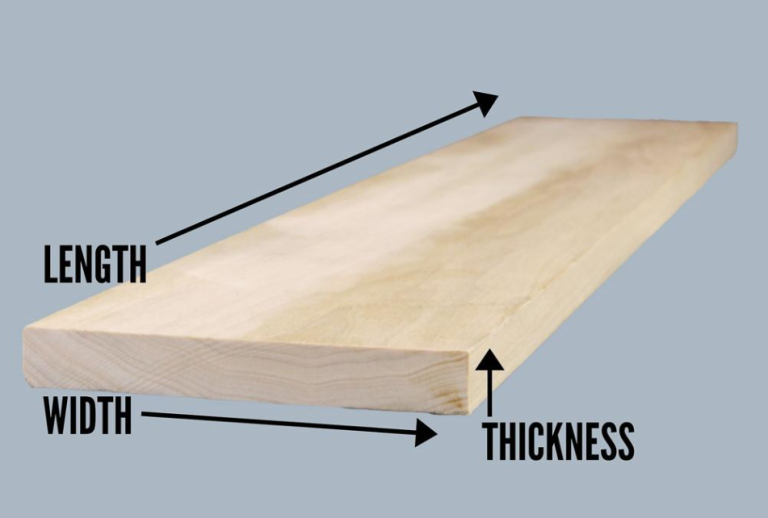
- Required thickness, width, and length.
- Acceptable knots, cracks, sapwood, and other natural characteristics.
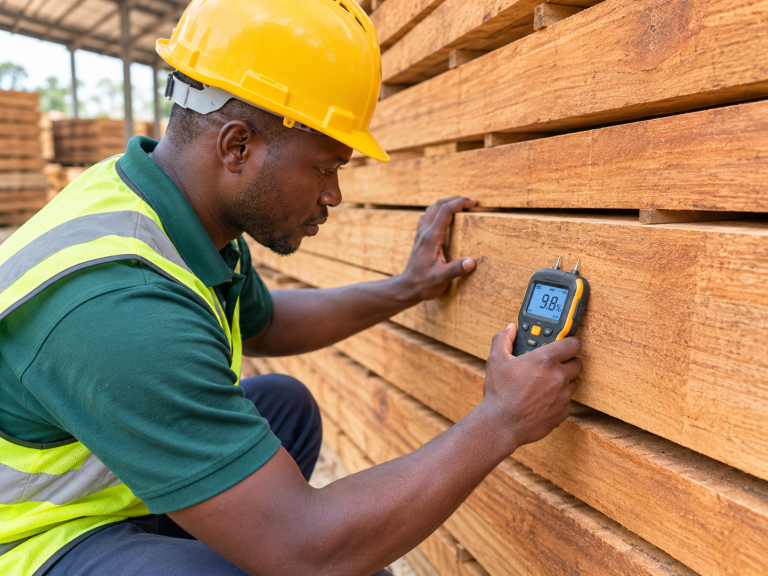
- Air-dried (AD) or kiln-dried (KD) condition.
- Required moisture content.
- Inspection method and agreed quality tolerances.
Clear specifications help both parties understand exactly what is being purchased.
6. Quality Starts with Proper Timber Processing
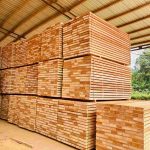
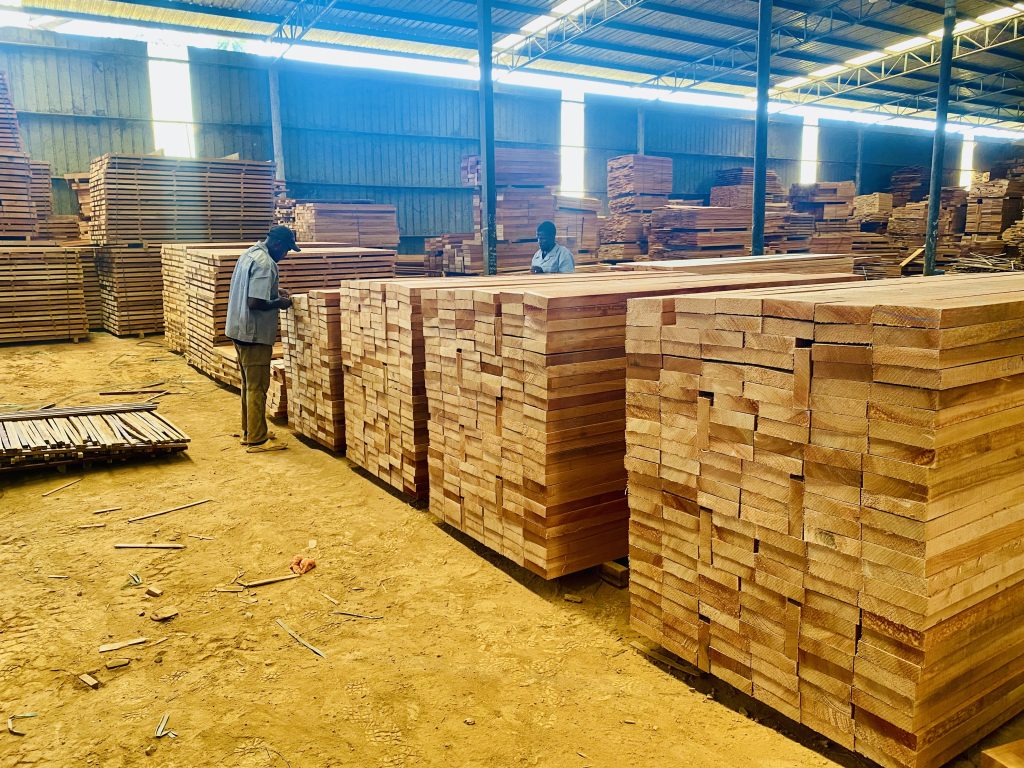
At YYW Timber, we focus on African hardwood sawn timber, supplying different species and specifications for international timber buyers.
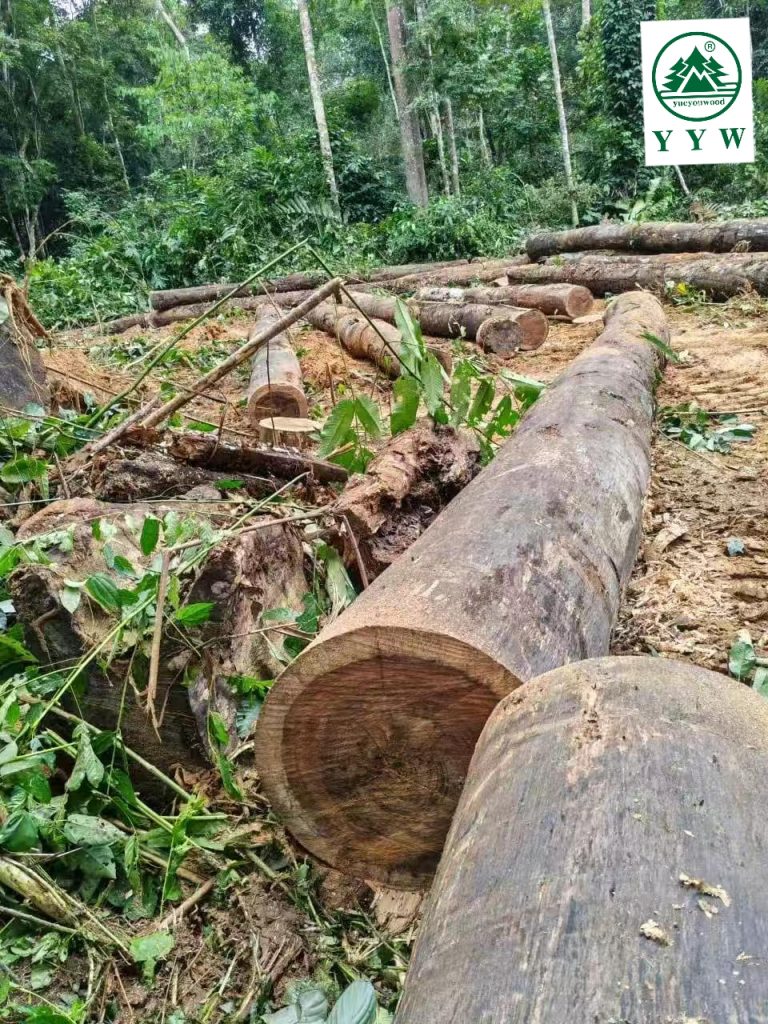
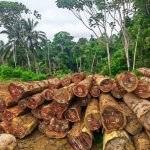
Our production process covers log selection, debarking, sawing, kiln-drying where required, and quality inspection.
We understand that different customers have different requirements. A furniture manufacturer may prioritize clear wood and appearance, while a timber wholesaler may focus more on dimensions, volume, and commercial grade.
Our team works with buyers to discuss suitable timber specifications according to their actual requirements.
Looking for African hardwood sawn timber?
Contact YYW Timber to discuss your required species, quality standards, dimensions, and moisture content.
Contact YYW Timber
Hong Kong Yueyou Wood Limited
Contact Person: Elaine Zhang
Position: Foreign Trade Salesman
Website: www.yywtimber.com
Email: kenny@yueyouwood.com
WhatsApp: +86 18933092079
We welcome inquiries from timber importers, wholesalers, and furniture manufacturers worldwide.
YYW Timber – Your Partner for African Hardwood Sawn Timber.