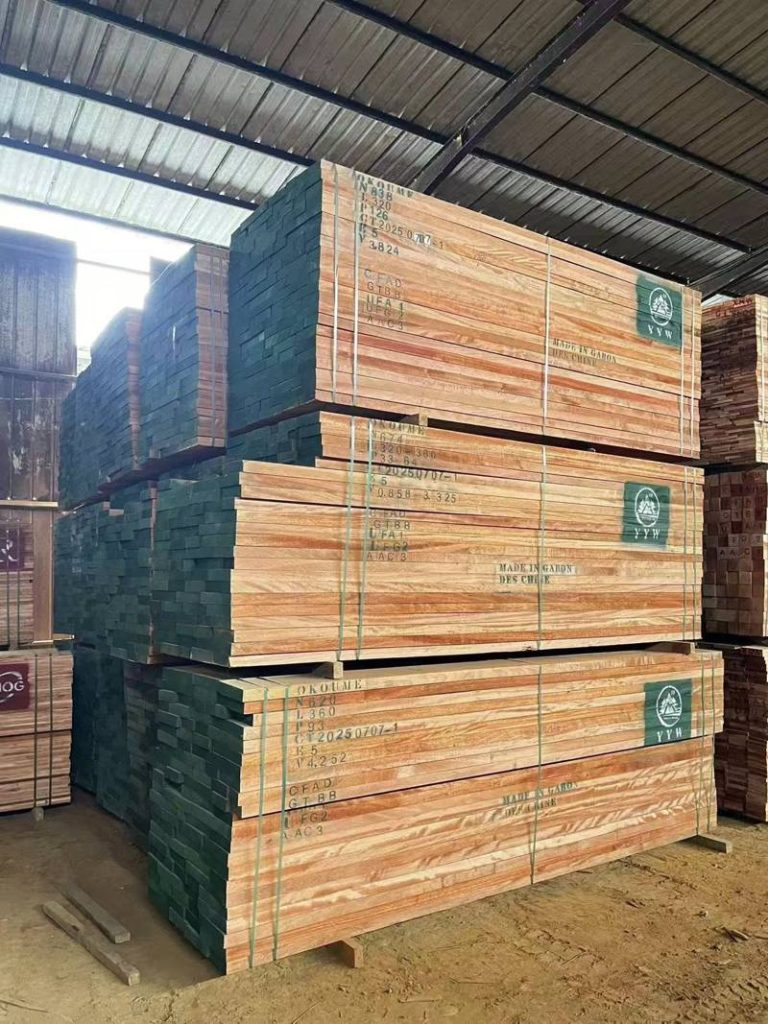
Okoume is one of the well-known African hardwood species, valued for its lightweight structure, attractive pinkish colour and versatility in woodworking. But before it becomes a furniture component, door frame or interior fitting, every piece of Okoume sawn timber goes through several important stages of processing.
From carefully selected African logs to sawn boards, drying and final quality inspection, each step plays a role in determining the appearance, dimensions and usability of the finished timber.
At YYW Timber, we focus on African hardwood sawn timber and understand how important these processing stages are to buyers looking for reliable quality and consistent supply. Let’s take a closer look at the journey of Okoume, from the original log to its practical applications.
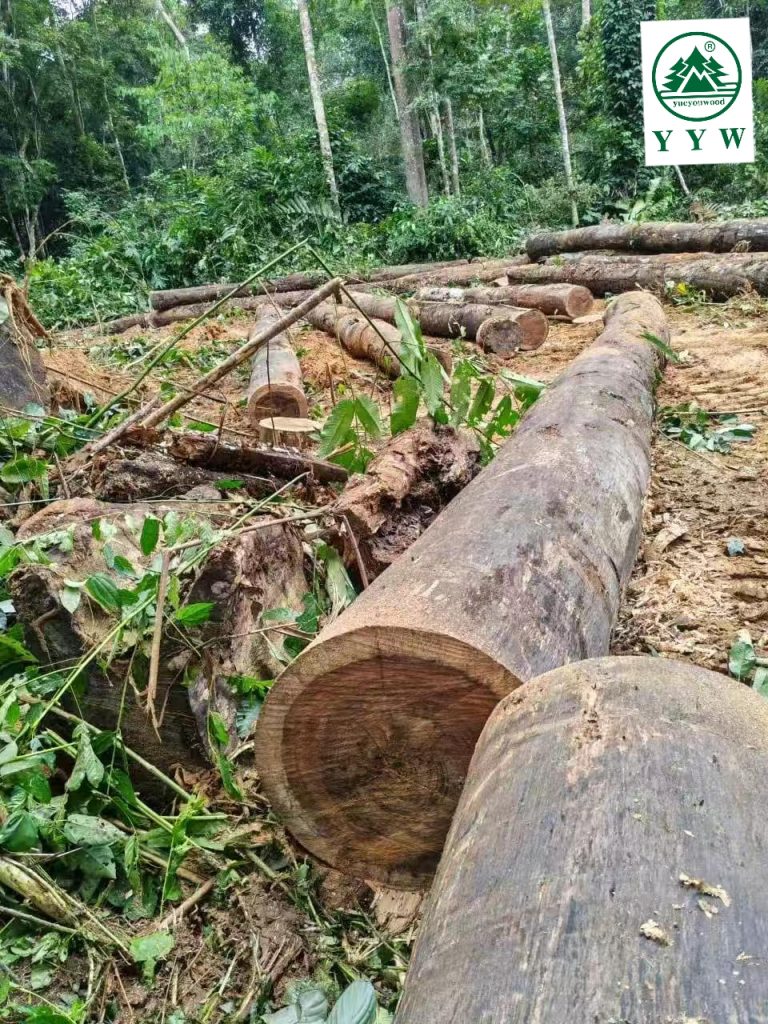
1. It All Starts with the Okoume Log
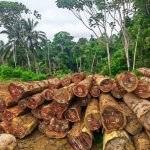
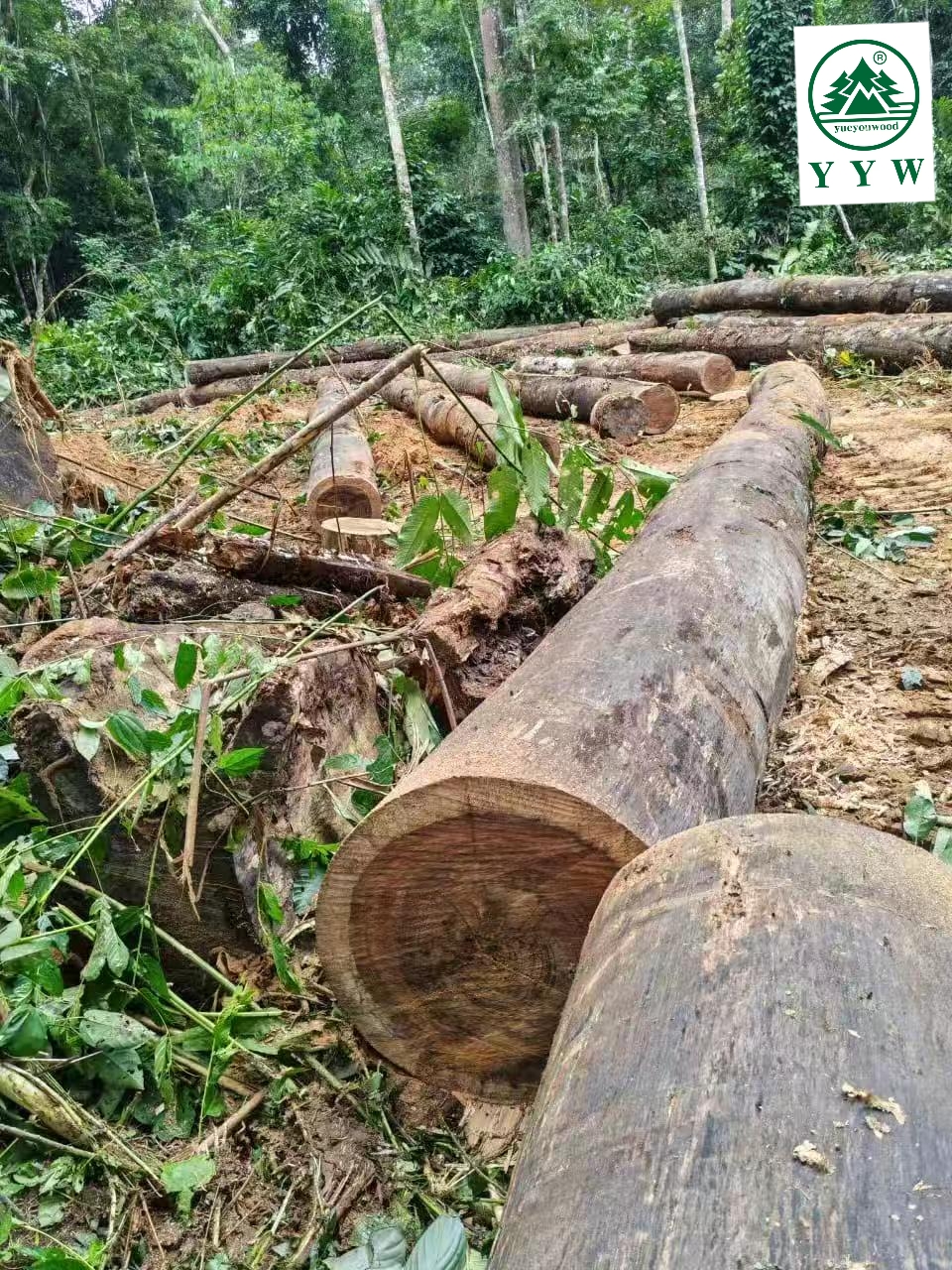
The journey begins with the selection of suitable Okoume logs.
Okoume, scientifically known as Aucoumea klaineana, mainly grows in Central and West-Central Africa, particularly in Gabon and neighbouring regions. Mature trees can develop large, straight trunks, making the species suitable for commercial timber processing.
A good log provides the foundation for good sawn timber. Before processing, sawmill operators consider several factors:
- Log diameter: Larger logs can offer more flexibility when planning cutting patterns.
- Straightness: Straight logs generally allow more efficient sawing and better material recovery.
- Surface condition: Cracks, damaged areas and other visible defects need to be assessed.
- Internal quality: Hidden defects may affect the usable yield and final board quality.
Log selection is not simply about choosing the biggest piece of wood. The goal is to make the best use of each suitable log while maintaining the required quality of the finished timber.
2. From Logs to Sawn Timber: The Sawing Process
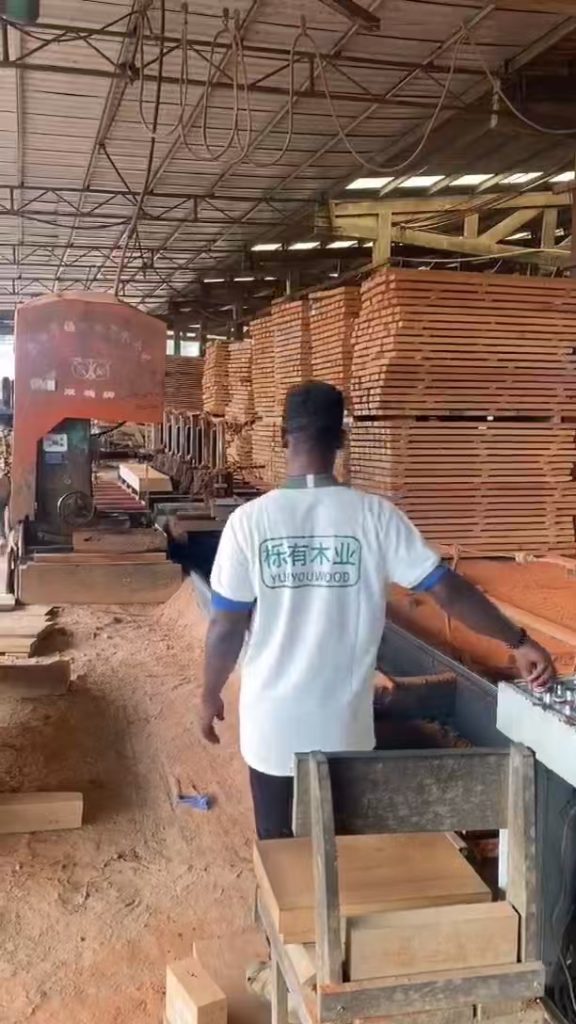
Once the logs arrive at the sawmill, the next step is conversion into sawn timber.
The logs are positioned and cut according to the required thicknesses, widths and lengths. Cutting patterns depend on log dimensions, natural characteristics and the specifications of the order.
During this stage, operators pay attention to several details:
Thickness control
The sawmill cuts the logs into different thicknesses according to the buyer’s requirements. Common Okoume sawn timber thicknesses include 25 mm, 38 mm, 50 mm and 75 mm, depending on availability and order specifications.
Width selection
Okoume can be supplied in natural widths or selected widths, depending on the cutting plan and purchasing requirements. Natural-width boards offer flexibility for buyers who carry out further processing in their own factories.
Length selection
The available lengths depend on the original log dimensions and the cutting plan. Buyers should confirm their preferred length range before production to help improve material utilisation.
The sawing stage determines the basic dimensions of the boards, but it is only one part of the production process. Proper drying and subsequent inspection are equally important.
3. Drying: Preparing Okoume for Better Processing
Freshly sawn timber contains moisture. If the moisture content remains too high for its intended application, the wood may continue to shrink or change dimensions after processing.
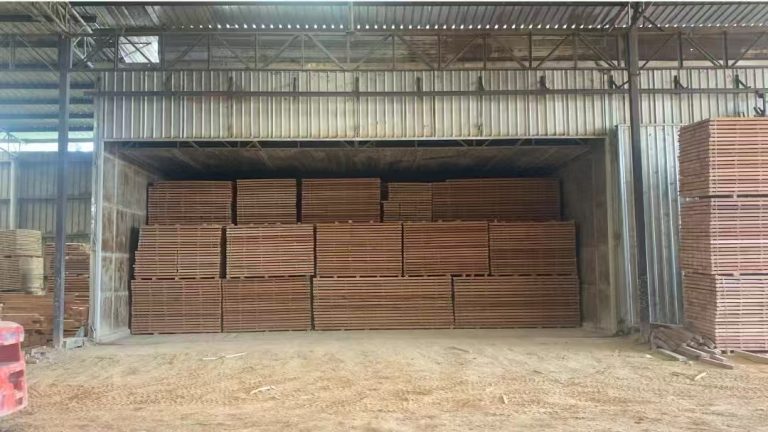
Drying helps reduce this moisture and prepares the timber for storage, further machining and end use.
Depending on the customer’s requirements, Okoume sawn timber can be supplied as:
| Type | Description |
|---|---|
| AD (Air-Dried) | Timber dried naturally through controlled exposure to circulating air |
| KD (Kiln-Dried) | Timber dried in a kiln under controlled temperature and humidity conditions |
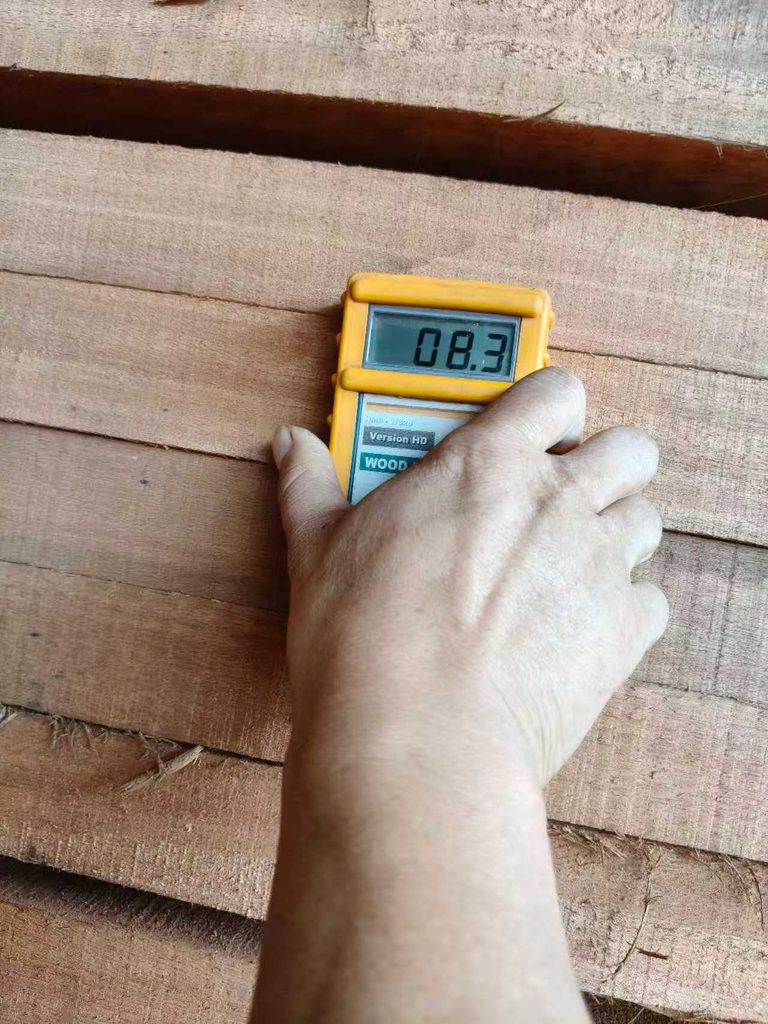
Kiln drying allows the sawmill to manage the drying process more closely and target a specified moisture content. For example, some KD Okoume orders may require approximately 8–12% moisture content, depending on the destination market and intended application.
However, drying is not simply about reaching a particular number. Operators also need to control the drying process to reduce the risk of checking, warping and other drying defects.
Properly dried timber gives manufacturers a better starting point for cutting, machining, assembly and finishing.

4. Quality Inspection: Checking the Finished Boards
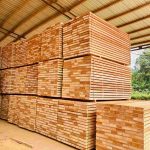
After sawing and drying, the boards need to be inspected before packing and shipment.
A reliable inspection process helps buyers understand what they are receiving and whether the timber matches their purchasing specifications.
Important inspection points include:
- Dimensions: Check thickness, width and length against the agreed specifications.
- Moisture content: Measure moisture content with a suitable meter and confirm the agreed target.
- Appearance: Examine colour, grain, knots, cracks and other visible characteristics.
- Board condition: Check for excessive warping, end splits and drying defects.
- Packing condition: Make sure the boards are properly stacked and protected for transportation.
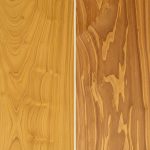
Okoume naturally varies in colour, grain and appearance. Its heartwood generally ranges from salmon pink to light pinkish brown, while the sapwood is usually paler.
These natural variations are part of the character of the timber. Buyers should establish clear quality and appearance requirements before placing an order.
5. Where Can Okoume Sawn Timber Be Used?
After processing and inspection, Okoume becomes a versatile material for a range of woodworking applications.
Its relatively low density, attractive appearance and workable nature make it suitable for many indoor applications.
Furniture Manufacturing
Okoume is used for furniture components, including cabinet parts, shelves, table components and other interior furniture elements.
Its lightweight nature can be useful for manufacturers who want to reduce the overall weight of their products while maintaining a natural wood appearance.
Doors and Door Frames
Okoume sawn timber can be processed into door components, frames and other interior joinery products.
Its pinkish colour and relatively uniform appearance also provide flexibility for different finishing styles, including clear coatings and coloured finishes.
Cabinets and Interior Joinery
For cabinet manufacturers and woodworking factories, Okoume offers a practical option for selected interior components, built-in furniture and general joinery.
Depending on the final design, boards can be cut, machined, glued and finished to meet different production requirements.
Interior Decoration and Paneling
Okoume is also used in interior paneling, mouldings and decorative woodworking.
Its natural colour can complement modern and traditional interior designs. Manufacturers can apply different finishes to achieve lighter, darker or more customised appearances.
Light Construction and General Woodworking
Selected Okoume sawn timber is suitable for certain light construction and general woodworking applications where its physical properties meet the project requirements.
However, Okoume has limited natural resistance to decay and insect attack. For exposed outdoor applications, buyers should consider suitable protective treatments, coatings and the actual service environment rather than assuming untreated timber is suitable for long-term outdoor use.

6. Why Do Buyers Choose Okoume Sawn Timber?
Different timber species serve different purposes. Okoume stands out because it combines several practical characteristics:
| Characteristic | What It Means for Buyers |
|---|---|
| Lightweight | Easier handling and useful for weight-conscious products |
| Pinkish natural colour | Suitable for decorative and interior applications |
| Relatively uniform texture | Provides flexibility for machining and finishing |
| Good gluing performance | Useful for furniture and joinery production |
| Multiple thickness options | Can support different manufacturing requirements |
Its air-dry density is commonly reported at around 430–440 kg/m³ at approximately 12% moisture content, although actual values vary with origin, growing conditions and individual boards.
Buyers should select Okoume based on their intended application, required dimensions, moisture content and quality expectations rather than relying on the species name alone.
7. From African Sawmills to Your Factory: YYW Timber
At YYW Timber, we focus on supplying African hardwood sawn timber to international buyers.
Our processing approach covers key stages from log selection and sawing to drying, inspection and preparation for shipment. We pay attention to timber dimensions, moisture content and board condition so that customers can discuss their requirements clearly before ordering.
We can discuss different Okoume sawn timber specifications, including:
| Specification | Available Options |
|---|---|
| Thickness | 25 mm / 38 mm / 50 mm / 75 mm |
| Width | Natural width or selected widths |
| Length | Subject to log dimensions and stock availability |
| Drying | AD / KD, depending on order requirements |
| Quality | To be confirmed according to agreed specifications |
Whether you are a timber importer, wholesaler, furniture manufacturer or woodworking factory, we welcome enquiries for Okoume sawn timber.
From the original African log to carefully processed sawn timber, every stage matters.
If you are looking for a reliable source of African Okoume sawn timber, contact YYW Timber to discuss your required dimensions, moisture content and order quantity.