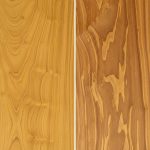
Answer capsule: Zebrawood, from the genus Microberlinia, features a distinctive grain pattern of alternating dark brown and light tan stripes. This figure arises from the interlocking grain and ribbon-like bands inherent to the species. Understanding these grain characteristics is essential for proper selection, machining, and finishing in high-end woodworking applications.
Key Takeaways
- Zebrawood’s bold stripes are created by interlocking grain and contrasting heartwood colors.
- The commercial timber comes primarily from Microberlinia brazzavillensis and Microberlinia bisulcata.
- It has a coarse texture and a Janka hardness of approximately 1,830 lbf (8,140 N), making it suitable for durable applications.
- The interlocking grain can cause tearout during machining; using sharp carbide tooling and low feed rates is recommended.
- Key applications include veneer, furniture, musical instruments, and turned objects.
What Causes the Distinctive Grain Pattern in Zebrawood?
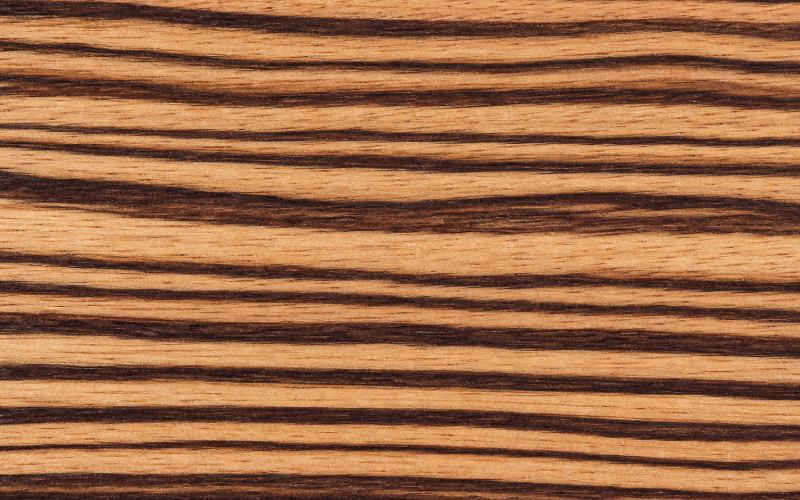
The defining feature of zebrawood is its alternating bands of dark brown and light tan or cream. This striped appearance is due to the interlocking grain structure and natural color variation within the growth rings. According to the Wood Database, the dark stripes are caused by a higher density of parenchyma cells and extractives that produce a deeper color, while the lighter bands correspond to fibrous tissue with fewer colorants. The grain is typically straight but can be wavy or roey, contributing to the ribbon-like figure when quartersawn.
Microscopy studies (e.g., USDA Forest Service research) show that the contrast is more pronounced in fast-grown trees where seasonal changes produce distinct zones. The color difference is further amplified by the natural luster of the wood, which reflects light differently on the alternating bands. This phenomenon makes zebrawood highly sought after for decorative veneer and inlay work.
Where does Zebra Wood Come from?
Zebrawood is harvested from Microberlinia brazzavillensis and Microberlinia bisulcata, trees native to the tropical forests of West and Central Africa, particularly Gabon, Cameroon, and the Republic of Congo. These species are listed as vulnerable on the IUCN Red List due to habitat loss and overexploitation. While not currently regulated under CITES, imports are subject to sustainability certifications such as FSC® to ensure legal and responsible sourcing.
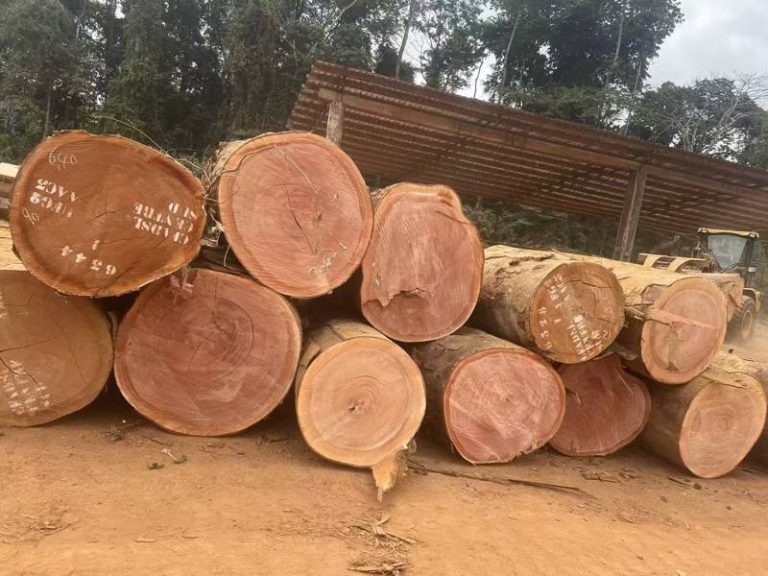
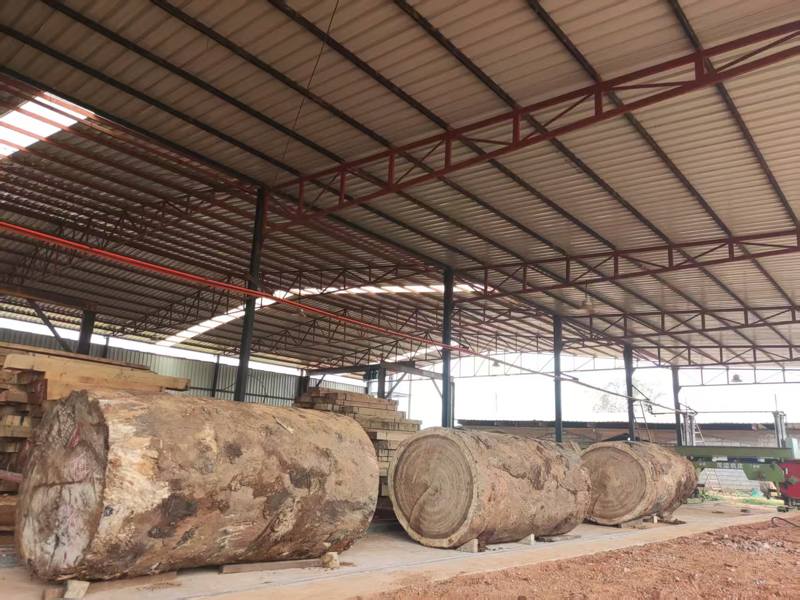
Commercial harvests focus on trees with the most pronounced figure. According to a USDA Forest Products Laboratory report, zebrawood logs are typically 2–4 feet in diameter with a sapwood of 2–3 inches thick, distinct from the heartwood. The limited supply and high demand contribute to its premium price, making proper grain selection critical for cost-effective use.
How Can you Identify Genuine Zebrawood Grain Patterns?
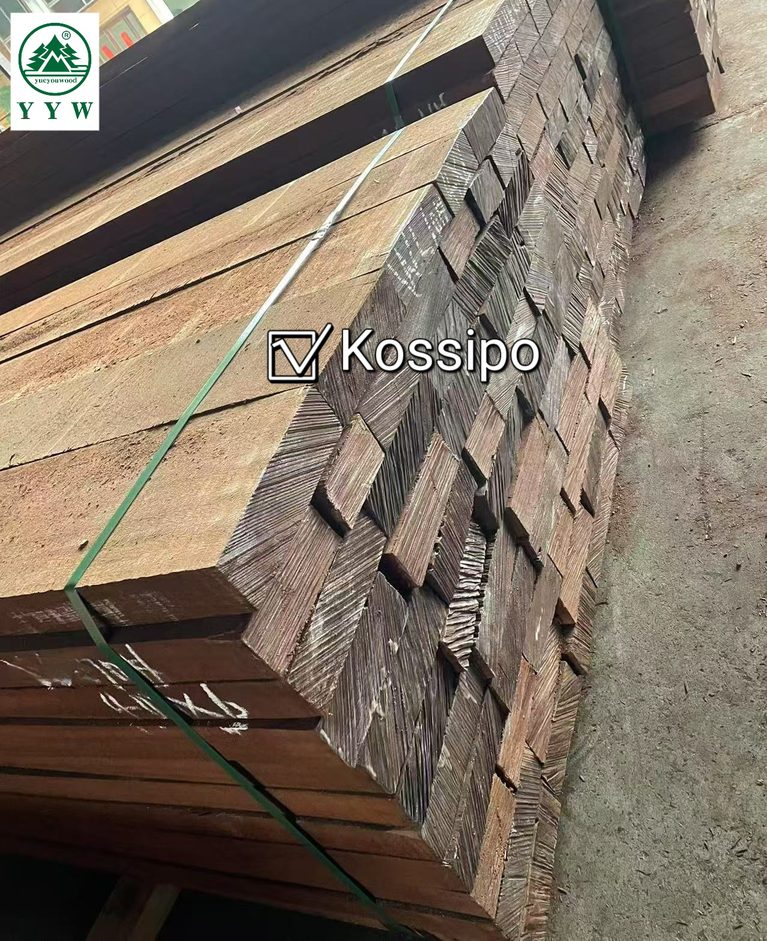
Genuine zebrawood has a coarse, uneven texture and moderate natural luster. The stripes are irregularly spaced and may vary in width from 1 mm to several centimeters. When quartersawn, the stripes appear as distinct, parallel bands; flatsawn pieces show more random, wavy ribbon figures. Imitations (e.g., painted maple or stained birch) lack the interlocking grain that causes the true depth and shimmer. A 2020 study in Wood Science and Technology (Springer) used X-ray densitometry to differentiate species: zebrawood density oscillates by 15–25% between stripes, whereas imitations show uniform density. A simple end-grain check under a 10× loupe reveals the interlocking cells characteristic of Microberlinia.
Common look-alikes include wenge (Millettia laurentii) and bubinga (Guibourtia spp.), but wenge has a very dark brown to black color with fine pores, and bubinga exhibits a reddish hue and highly figured grain (e.g., waterfall pattern). The table below compares these species.
| Property | Zebrawood (Microberlinia) | Wenge (Millettia) | Bubinga (Guibourtia) |
|---|---|---|---|
| Janka Hardness (lbf) | 1,830 | 1,930 | 1,980 |
| Density (kg/m³) | 740 | 880 | 890 |
| Grain Pattern | Alternating dark/light stripes | Dark brown to black, fine with subtle stripes | Reddish with wavy or mottled figure |
| Textue | Coarse | Coarse | Fine to medium |
| Common Uses | Veneer, furniture, inlay | Flooring, furniture, musical instruments | Furniture, turnery, architectural |
What are the Physical Properties of Zebrawood that Affect Grain Appearance?
The grain’s visual impact is directly related to the wood’s density, hardness, and shrinkage. Zebrawood heartwood has a specific gravity of 0.80 (oven-dry weight/green volume) and a Janka hardness of 1,830 lbf (8,140 N), as reported by the Wood Database. Radial shrinkage is 4.2%, tangential 7.8%, and volumetric 12.6% (from green to oven-dry). These values are moderate, meaning the wood can move appreciably with moisture changes. The interlocking grain reduces the severity of checking and splitting but can cause distortion during drying. According to a USDA publication (FPL–GTR–190), this grain type often requires careful drying schedules to minimize honeycombing and collapse.
The contrast between stripes is also enhanced by extractives that are hygroscopic; exposure to UV light can darken the lighter bands over decades, partially reducing contrast. Therefore, zebrawood is often finished with UV-protective coatings when used in sunlit areas.
What are the Best Uses for Zebrawood Grain Patterns?
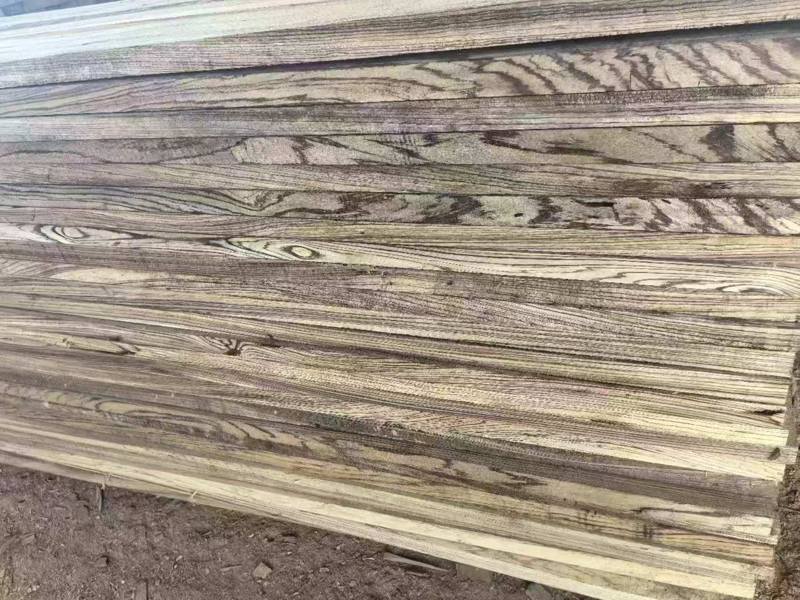
Zebrawood is primarily used for decorative applications where its grain can be showcased: high-end veneer panels, furniture (chairs, tabletops, cabinets), musical instruments (electric guitar bodies, drum shells), and turned objects (bowls, pens). The interlocking grain provides good strength for bent parts and panels. However, its coarse texture requires pore filling before a smooth finish. A 2020 article in Fine Woodworking noted that zebrawood is excellent for accent pieces but less suitable for large surfaces due to its busy pattern.
Structural uses are limited because the wood can be brittle in thin sections and has moderate decay resistance (class III–IV per ASTM D2017). For outdoor use, it requires preservative treatment. The natural luster makes it ideal for high-gloss finishes, but oil-based finishes can yellow the light portions, altering the contrast. Water-based finishes help maintain the original color balance.
What Challenges does Zebrawood’s Interlocking Grain Present?
The interlocking grain is the primary cause of machining difficulty. When planing or jointing, the wood tends to tear out in the direction of grain change. According to the CITES Trade Database (and practical experience), using router cutters with a 30° included angle and light passes (0.5 mm) reduces tearout. Sanding with 80 to 120 grit is often necessary to remove tearout marks. A 2021 study in Holzforschung (De Gruyter) quantitatively measured cutting forces on interlocking grain: recommended spindle speeds of 5,000–6,000 rpm for digital machinery. Hand tools require extremely sharp blades; cabinet scrapers are often preferred over hand planes.
Nailing and screwing require pre-drilling because the grain tends to split. Glue adhesion is good with polyurethane or epoxy, but the wood’s density can make clamping difficult. Because of its high density and figure, zebrawood is also prone to burning when sanding with fine grits (above 180). Using a low sanding speed and frequent dust removal prevents heat buildup.
How does zebrawood’s grain affect finishing?
A smooth finish requires pore filling due to the coarse texture. Two-part epoxy pore fillers (e.g., Z-Poxy) are recommended because they don’t shrink; water-based fillers can cause grain raising. After filling, sand to 220 grit. Staining is not advisable because the natural contrast can be muddied; clear finishes are best. A 2018 article from Popular Woodworking suggested that lacquer or shellac negatively affect color, while Danish oil enhances depth but may require multiple coats.
UV stability is a concern: a study by the National Archives on wood aging found that zebrawood darkens over 10 years of exposure, reducing stripe contrast. Applying a UV-absorbing clear coat is recommended for items in direct sunlight. For outdoor projects, teak oil with UV blockers provides minimal protection; maintenance every six months is necessary.
Frequently Asked Questions
Conclusion: Zebrawood’s unique grain pattern makes it a standout species for decorative woodworking. Understanding its grain behavior helps woodworkers and buyers select the right pieces, avoid machining defects, and preserve the figure with appropriate finishing. For high-quality zebrawood logs, squares, and sawn timber, contact YYW Timber to discuss your project requirements and request a quotation.
Disclaimer: The information provided is for educational purposes. Always consult current regulations and manufacturer guidelines when working with exotic hardwoods.
Ready to buy zebrawood? YYW Timber supplies premium Microberlinia logs, sawn timber, and cut-to-size pieces for global buyers. Contact us with your specifications for a free quotation.