Zebrawood is a visually striking hardwood known for its narrow, alternating bands of dark and light colors resembling a zebra’s stripes. This guide covers how to identify genuine zebrawood, its key properties, common uses, and sourcing considerations.
Key Takeaways
- Zebrawood comes primarily from the Microberlinia genus, native to West Africa.
- Its unique striped grain pattern is the easiest identification feature.
- Zebrawood is hard and dense, with a Janka hardness around 1,500–2,000 lbf, making it suitable for flooring and heavy-use items.
- The wood is moderately durable but vulnerable to insect attacks; proper treatment is essential.
- Sustainable sourcing is a concern due to overexploitation; look for CITES-listed or certified sources.
- Working with zebrawood requires sharp tools due to its interlocked grain and silica content.
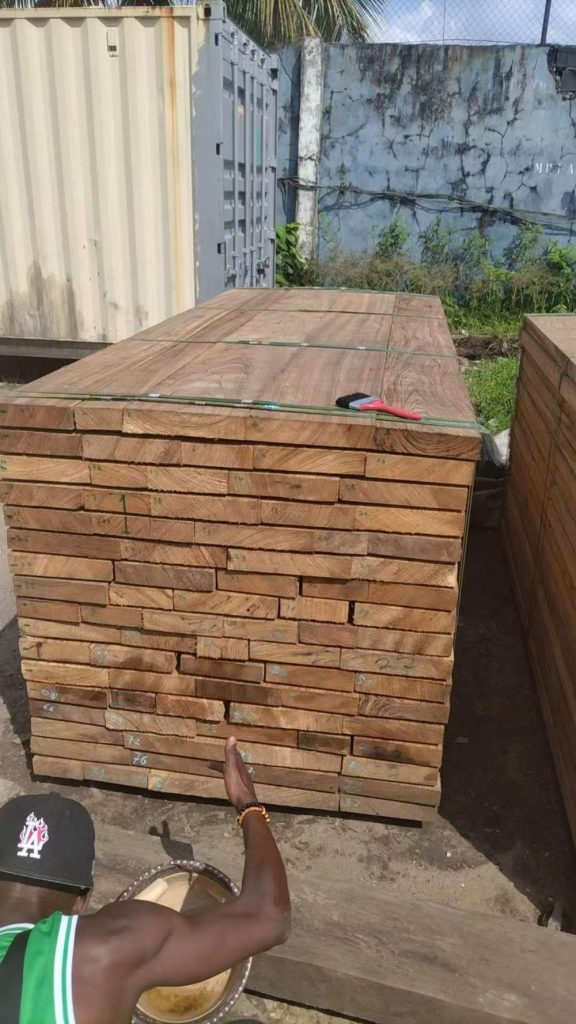
What Is Zebra Wood?
Zebra wood is an exotic hardwood named for its dramatic, zebra-like stripes. The term usually refers to species in the genus Microberlinia, particularly Microberlinia brazzavillensis and Microberlinia bisulcata. These trees are native to the tropical forests of West Africa, primarily Cameroon, Gabon, and the Republic of Congo.
The wood is also known by other names such as zebrano, zingana, and African zebrawood. True zebrawood is distinct from similarly striped woods like koko or Goncalo alves. The unique grain forms when the tree grows in alternating layers of dense, dark fibers and lighter, less dense fibers, creating the signature contrast.
How to Identify Genuine Zebra Wood?
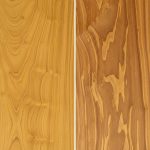
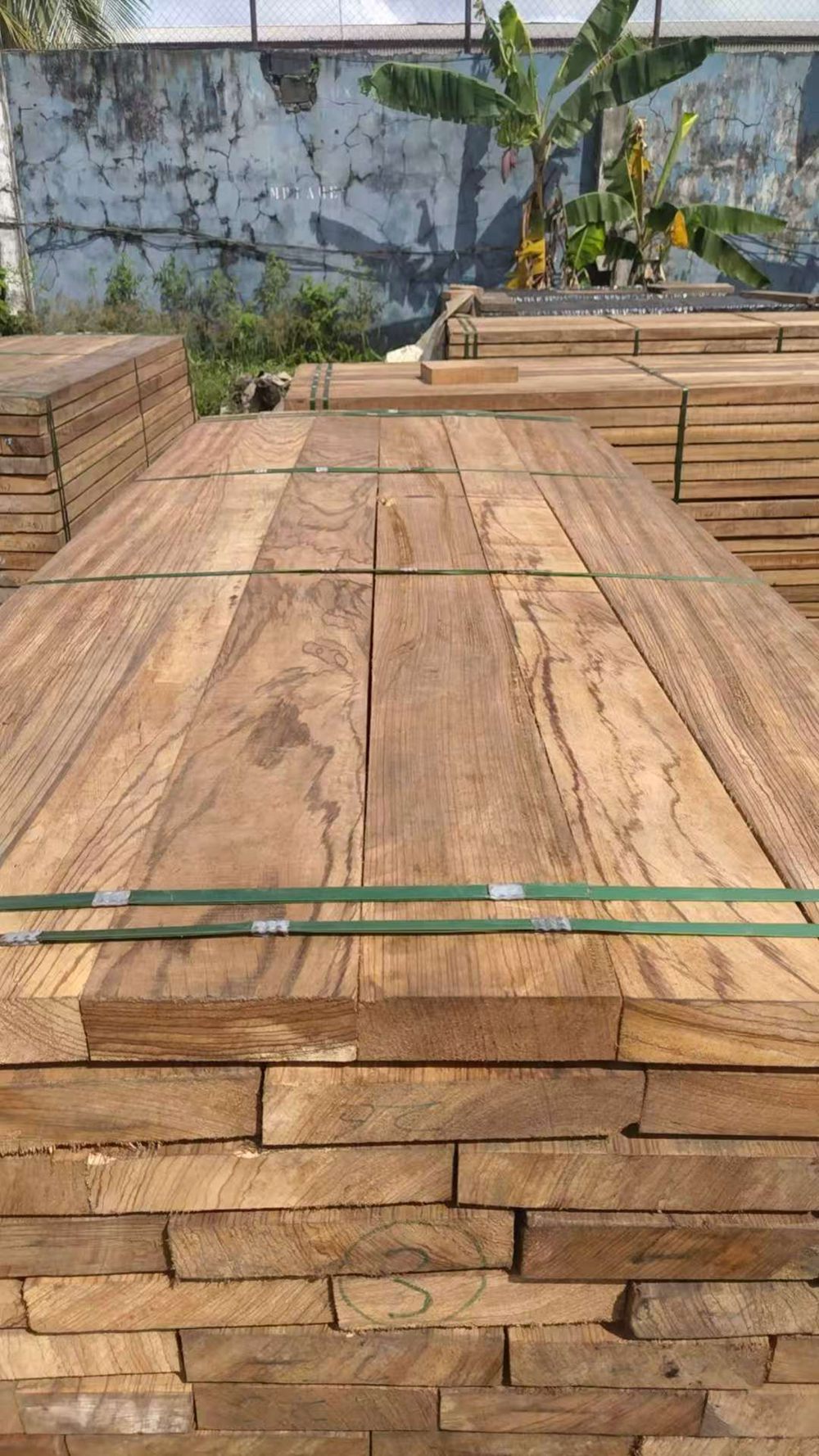
Identifying genuine zebrawood involves examining several physical characteristics. The most obvious feature is the grain pattern: narrow, parallel, and irregular stripes of dark brown to black on a light golden-brown to beige background. The stripes are often wavy and may interlock, creating a striped ribbon figure on quarter-sawn surfaces.
Color and texture also help. The heartwood is a pale golden brown with darker streaks, while the sapwood is lighter and often not used. The wood has a medium to coarse texture, with a natural luster. Freshly cut zebrawood has a faint, slightly pungent odor that fades after drying.
Weight is another clue. Zebrawood is dense and heavy, with a specific gravity of 0.64–0.77 (kiln-dried). A simple comparison: it sinks in water once fully seasoned. The endgrain is diffuse-porous, with medium-sized pores in a radial pattern, often filled with deposits.
What Are the Physical and Mechanical Properties of Zebra Wood?
Zebrawood is prized for its hardness and strength. The Janka hardness test measures resistance to denting and wear. Zebrawood typically rates between 1,500 and 2,000 lbf (pounds-force), placing it among hard domestic woods like hard maple (1,450 lbf) and significantly harder than black walnut (1,010 lbf). This makes it suitable for high-traffic flooring and furniture that must withstand wear.
The bending strength (MOR) averages around 14,000 psi, and the stiffness (MOE) is about 1.8 million psi. The wood also has good crushing strength, around 7,000 psi in compression parallel to grain. These properties indicate excellent load-bearing capacity for structural uses like framing and joinery.
Durability wise, zebra wood is moderately durable to perishable. It is resistant to decay but vulnerable to insect attacks, especially termites and powderpost beetles. The wood is not suitable for ground contact without preservation treatment. Its heartwood is reported to be resistant to preservative impregnation, so careful application is needed.
What Are the Common Uses of Zebrano Wood?
Because of its unique appearance and mechanical properties, zebrawood is used in a variety of applications. Veneer production is one of the most common uses, as it allows the striking grain to cover large surface areas economically. Architects and designers specify zebrawood veneer for feature walls, cabinetry, and furniture panels.
Solid zebrawood is used for high-end furniture, including chairs, tables, and cabinets. Its hardness makes it a good choice for flooring, but care is needed due to its tendency to move with humidity changes. It is also used for turnery, such as bowls, vases, and decorative handles. Smaller pieces are used for musical instruments, knife handles, inlay, and other specialty items.
Zebrawood is also employed in architectural millwork, such as staircases, handrails, and moldings. Its striking appearance adds a dramatic statement to any interior. However, due to its cost and sustainability concerns, it is often reserved for accents rather than entire rooms.
How Does Zebra Wood Compare to Other Exotic Woods?
| Property | Zebrawood | Wenge | Mahogany | Teak |
|---|---|---|---|---|
| Janka Hardness (lbf) | 1,500–2,000 | 1,630 | 800–1,100 | 1,000–1,150 |
| Density (kg/m³) | 640–770 | 660–720 | 500–600 | 630–720 |
| Durability | Moderate | Very durable | Moderate | Very durable |
| Workability | Difficult (interlocked grain, silica) | Difficult (splintery) | Easy | Moderate |
| Stability | Moderate | Moderate | Good | Excellent |
| Cost | High | Moderate | Moderate | High |
| Sustainability | Concern (CITES Appendix II for some species) | Concern (CITES Appendix II) | Varies (certified sources available) | Varies (certified plantations) |
This table shows that zebrawood offers a unique combination of hardness and dramatic appearance, but lags behind teak and wenge in durability and workability. Its sustainability status requires careful verification of the source species and region.
Where Is Zebra Wood Sourced and Is It Sustainable?
Most commercial zebrawood comes from natural forests in Cameroon, Gabon, and the Republic of Congo. Some plantation trials exist, but the supply is predominantly wild-harvested. Due to high demand and limited distribution, some Microberlinia species have been listed on CITES Appendix II, requiring documentation for international trade.
Buyers should seek suppliers that follow sustainable forestry practices, such as those certified by the Forest Stewardship Council (FSC) or the Programme for the Endorsement of Forest Certification (PEFC). However, FSC-certified zebrawood is rare. An alternative is to use veneer to maximize yield from limited logs.
The conservation status of Microberlinia is vulnerable according to the IUCN Red List. Overexploitation for timber is the primary threat. Responsible sourcing involves verifying provenance and requesting CITES permits when required.
How to Work with Zebra Wood?
Working with zebrawood presents challenges due to its interlocked grain, high density, and silica content. Silica dulls cutting edges quickly, so carbide-tipped blades and router bits are strongly recommended. Pre-drilling is often necessary for nailing and screwing to prevent splitting.
The wood glues well under moderate clamping pressure, but care should be taken to apply glue evenly and avoid squeeze-out, which can be difficult to remove from the porous surface. Sanding requires progressively finer grits to achieve a smooth finish; a final sanding with 220-grit or higher is recommended.
Zebrawood takes finishes beautifully, including lacquer, varnish, oil, and wax. Because of its natural luster, a clear coat often suffices. However, the grain can be highly absorbent in places, so a sanding sealer may help achieve an even finish. The wood is dimensionally stable once dried, but it can move significantly with changes in humidity, so appropriate expansion gaps should be allowed.
Learn more anout this species at our Complete Zebra Wood Guide
Frequently Asked Questions
Final Thoughts on Identifying and Using Zebra Wood
Zebrawood remains one of the most visually distinctive hardwoods available, prized for its bold striped grain. Correct identification involves checking the grain pattern, color, weight, and odor. Knowing its mechanical properties helps in selecting the right application, from veneer to heavy-use flooring.
Due to sustainability concerns, always source zebrawood from reputable dealers willing to provide CITES documentation and, if possible, certification. YYW Timber is committed to responsible sourcing and offers high-quality zebrawood products. Contact us for quotes or further guidance on selecting the right timber for your project.