Zebra wood comes from the Microberlinia brazzavillensis tree, native to Central and West Africa, particularly Cameroon, Gabon, and the Republic of Congo. It is prized for its striking dark and light striped grain and is used in fine furniture, veneer, and musical instruments.
If you are new to this species, read the complete guide to Zebrano wood first.
Key Takeaways
- Origin: Central and West Africa (Cameroon, Gabon, Congo).
- Species: Microberlinia brazzavillensis (Family Fabaceae).
- Properties: Density ~750 kg/m³, Janka hardness ~2,300 lbf.
- Uses: Furniture, veneer, flooring, cabinetry.
- Sustainability: Not CITES-listed but IUCN Near Threatened.
What Is the Botanical Classification of Zebra Wood?
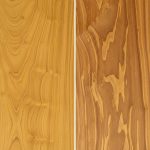
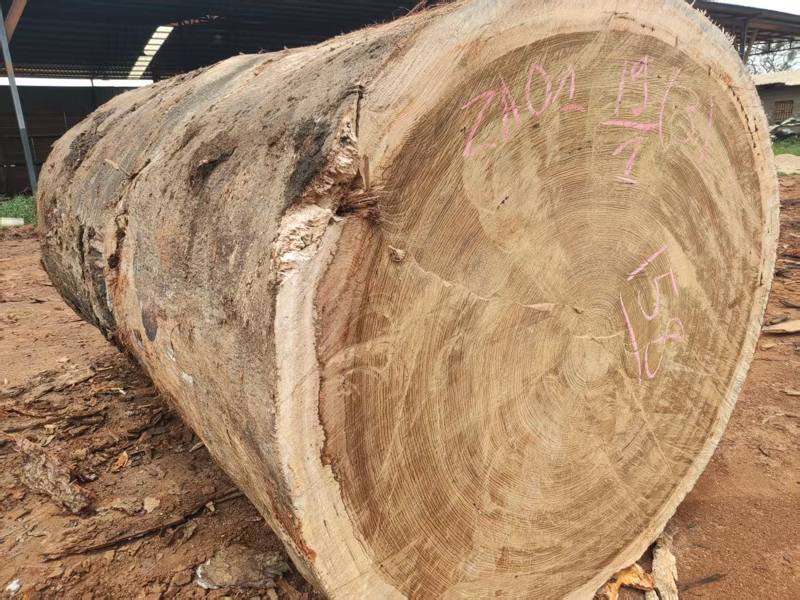
Zebra wood is the common name for Microberlinia brazzavillensis, a tree species in the Fabaceae family. It is also known as zebrano, zingana, or African zebrawood. The tree can reach heights of 30–40 meters with a trunk diameter of 0.5–1.2 meters (According to the USDA Forest Service). The heartwood is pale yellow to golden brown with dark brown to black stripes, creating the zebra-like pattern that gives it its name.
Where in Africa Does Zebra Wood Grow Naturally?
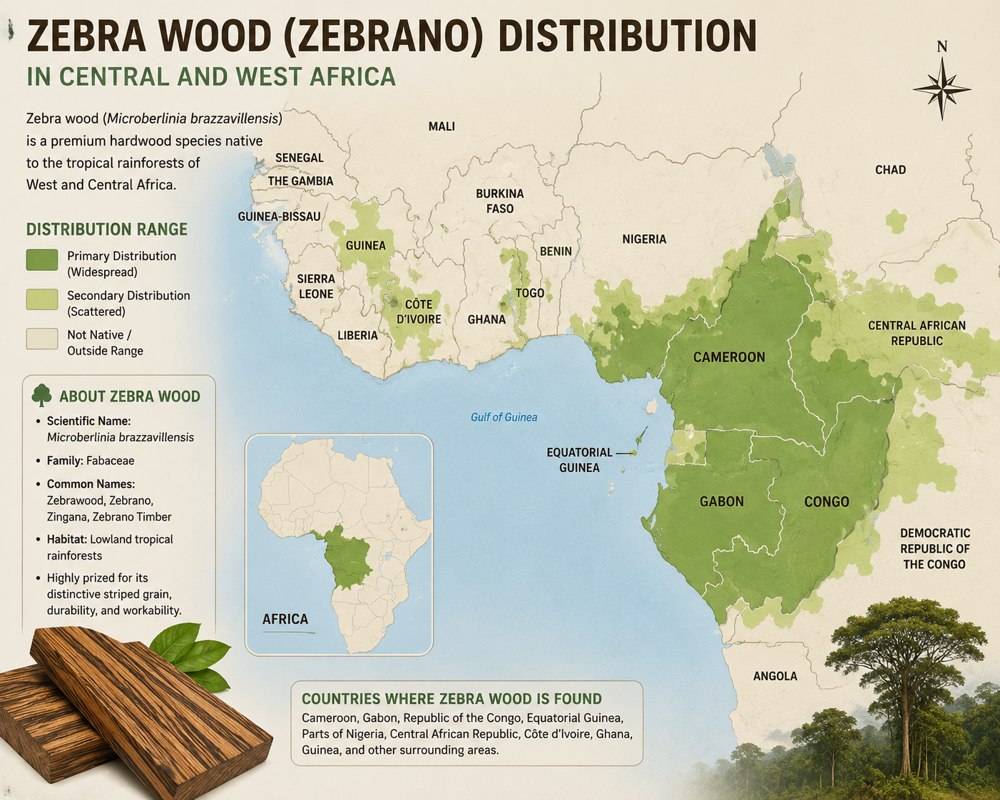
Zebra wood is native to the tropical rainforests of Central and West Africa. Its primary range includes Cameroon, Gabon, the Republic of Congo, Equatorial Guinea, and Nigeria (source: US Forest Service). It thrives in lowland rainforests with high rainfall and stable temperatures. The species is particularly abundant in the Cameroon basin, which accounts for the majority of commercial harvest.
According to a 2020 study by the Centre for International Forestry Research (CIFOR), zebra wood populations in Gabon are concentrated in the Minkébé National Park region, which contains a significant share of the country’s remaining primary forest.
How Is Zebra Wood Harvested and Traded?
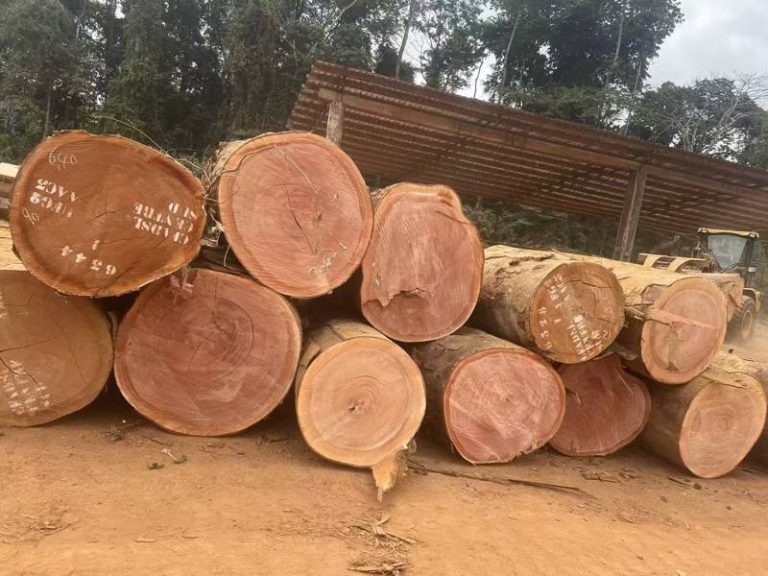
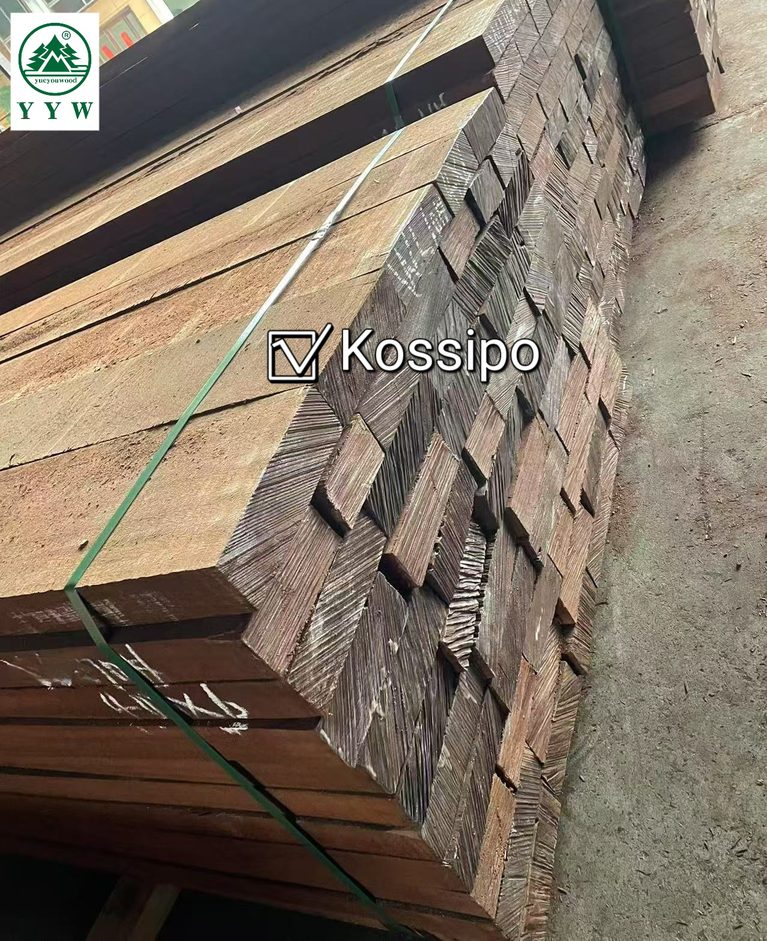
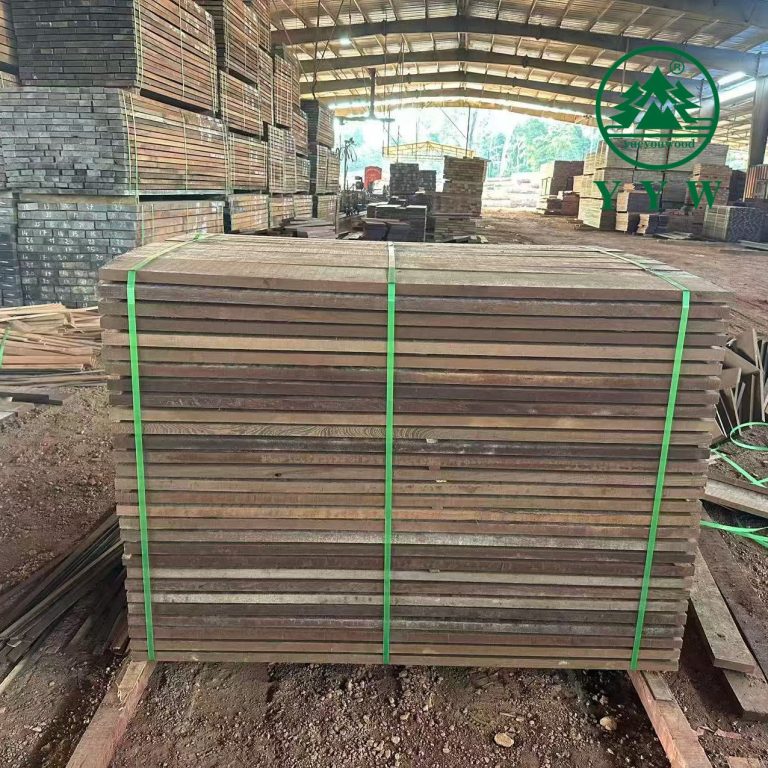
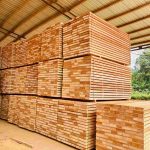
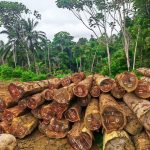
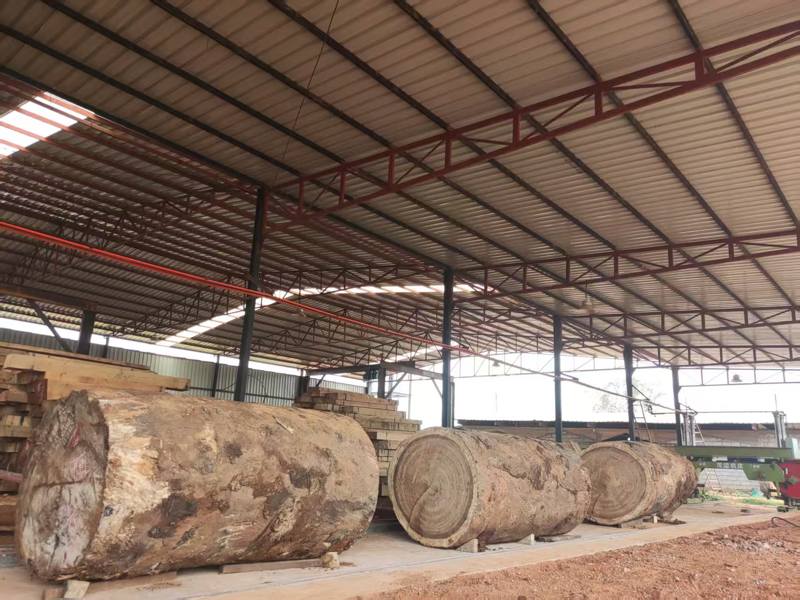
Harvesting of zebra wood is primarily conducted through selective logging in natural forests. Cameroon is the largest exporter, followed by Gabon and Congo (source: ITTO Tropical Timber Market Report, 2024). Logs are typically exported as round logs or processed into sawn timber and veneer. The trade is regulated under various national forest laws. However, illegal logging remains a concern in some regions (World Bank, 2023).
According to the Global Forest Watch, 12% of central Africa’s rainforest was lost between 2000 and 2020, threatening zebra wood habitats.
What Are the Physical Properties of Zebra Wood?
| Property | Value |
|---|---|
| Density | 720–800 kg/m³ (air-dried at 12% MC) |
| Janka Hardness | 2,300 lbf (10,230 N) |
| Modulus of Elasticity | 16.7 GPa |
| Crushing Strength | 70.3 MPa |
| Radial Shrinkage | 5.8% |
| Volumetric Shrinkage | 11.5% |
| Color | Pale yellow to golden brown with dark brown to black stripes |
Data sourced from the World Hardwood Database. The wood is moderately heavy and hard, with coarse texture and interlocked grain that gives the characteristic stripe figure.
What Are the Most Common Uses for Zebra Wood?
Zebra wood is highly sought after for decorative applications. Its striking appearance makes it a favorite for:
- Furniture and Cabinetry: High-end custom furniture, chairs, tables, and cabinets.
- Veneer: Sliced zebra wood veneer is used for wall panels, architectural millwork, and marquetry.
- Flooring: Solid and engineered flooring—the wood’s hardness suits high-traffic areas.
- Musical Instruments: Guitar bodies, backs, and headstocks because of its tonal qualities and aesthetics.
- Turnery: Bowls, handles, and decorative objects.
According to a 2022 report by Woodworking Network, demand for exotic veneer in the US increased by 8% year-on-year, driven by interior design trends favoring bold grain patterns.
Is Zebra Wood Sustainable and Environmentally Friendly?
The conservation status of zebra wood is a topic of growing concern. The IUCN Red List lists Microberlinia brazzavillensis as Near Threatened as of 2023, indicating it is close to qualifying for a vulnerable category. However, the species is not yet listed in the CITES Appendices. Logging pressure and habitat loss due to agriculture are the primary threats (IUCN, 2023).
Several certification schemes exist to promote sustainable sourcing. The Forest Stewardship Council (FSC) certifies some logging operations in Cameroon and Gabon, but less than 10% of tropical timber is FSC-certified (WWF, 2021). Buyers should prioritize suppliers with verifiable sustainability credentials.
Zebra Wood vs. Other Exotic Hardwoods: A Comparison
| Property | Zebra Wood | Wenge | Teak | African Mahogany |
|---|---|---|---|---|
| Density (kg/m³) | 720–800 | 880 | 630–720 | 550–650 |
| Janka Hardness (lbf) | 2,300 | 1,930 | 1,000–1,200 | 830–1,100 |
| Stability | Moderate | High | Very High | Moderate |
| Price per BF | $45–$70 | $30–$50 | $20–$40 | $8–$15 |
| Origin (Country) | Cameroon, Gabon, Congo | DRC, Cameroon | Southeast Asia | West/Central Africa |
Data from Wood Database and industry average prices as of 2025. Zebra wood is among the more expensive exotic hardwoods due to its unique figure and limited supply.
Frequently Asked Questions
Disclaimer: Conservation and trade status should always be verified with the latest CITES and IUCN data.
Looking to source premium zebra wood? YYW Timber offers high-quality African hardwoods, including zebra wood logs, sawn timber, and veneer. Contact us for a quote or species availability.