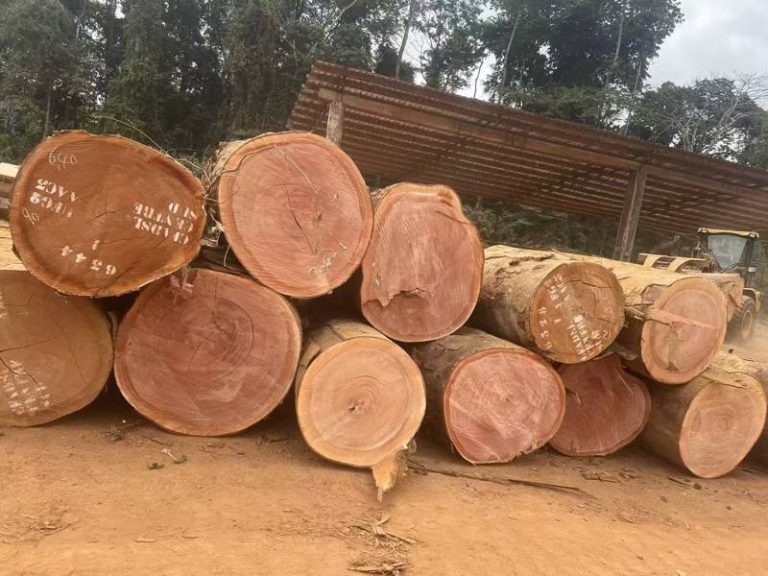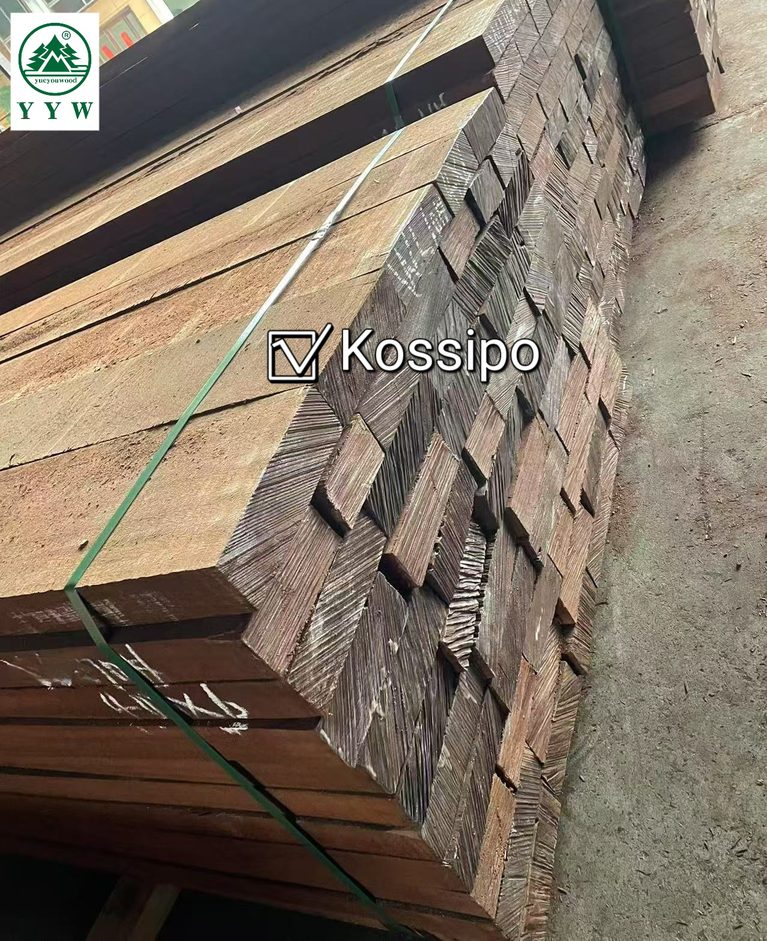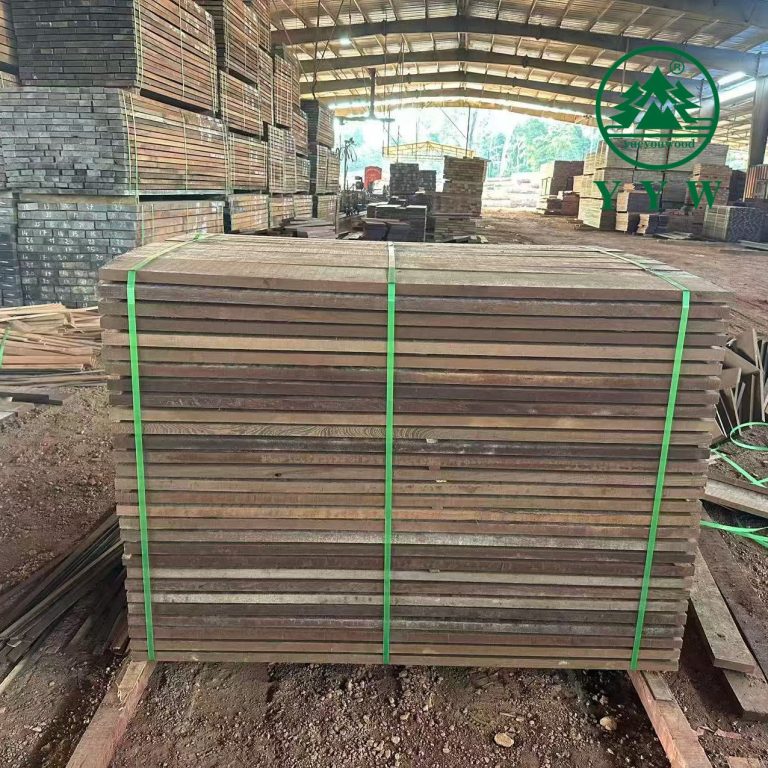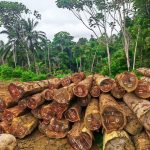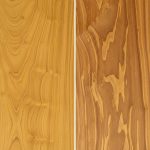
African Wenge Wood (Millettia laurentii) is a high-density tropical hardwood essential for luxury interior applications. Global importers maximize ROI by sourcing FAS-grade sawn timber or log cants from FLEGT-compliant concessions. This ensures structural integrity and legal safety under CITES Appendix II, providing a superior aesthetic with deep chocolate hues and distinct black veining.
Key Takeaways for Timber Importers
- Legal Certification: Always verify CITES Appendix II permits and FSC/PEFC documentation to avoid customs seizure.
- Grading Standards: FAS (First and Seconds) grade is the industry benchmark for high-end furniture and flooring.
- Moisture Management: Kiln-dried (KD) timber should maintain an 8-12% moisture content for temperate climates.
- Regional Differences: Congolese Wenge often exhibits tighter grain patterns compared to West African variants.
- Logistics: Prioritize shipping via major hubs like Douala (Cameroon) or Owendo (Gabon) for reliable lead times.
Botanical Profile and Material Characteristics
African Wenge Wood, scientifically known as Millettia laurentii, originates primarily from the swamp forests of the Congo Basin. This species is often confused with Panga Panga (Millettia stuhlmannii), yet Wenge is generally darker and heavier. For the professional procurement officer, understanding the cellular structure is vital. The wood features large pores and a high oil content, which contributes to its legendary durability and natural resistance to termite attack.
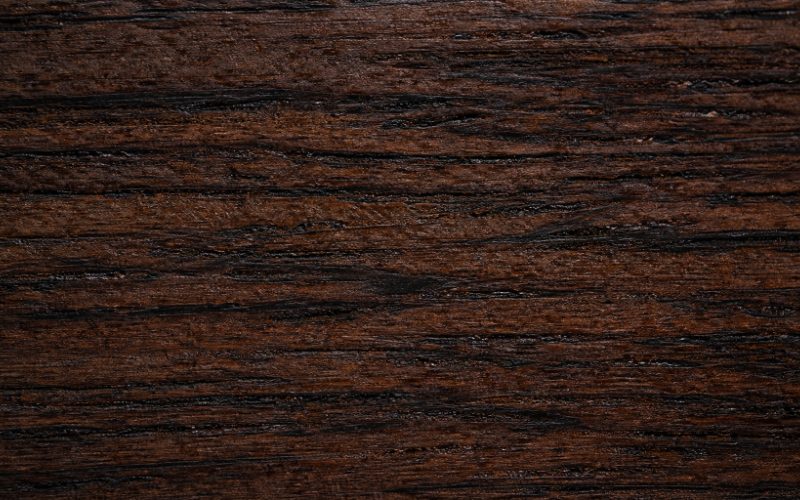
Wenge is characterized by its remarkable Janka hardness of approximately 1,930 lbf (8,600 N). It is a heavy hardwood with an average dried weight of 54 lbs/ft³ (870 kg/m³). Consequently, handling and shipping costs per cubic meter are higher than for lighter woods like Iroko or Sapele. When specifying African Wenge Wood Export requirements, buyers must account for the wood’s tendency to splinter during machining, necessitating carbide-tipped tooling and slower feed speeds in the factory.
Navigating Legal Compliance: CITES, FSC, and FLEGT
The regulatory landscape for African timber is complex. Millettia laurentii is currently listed under CITES Appendix II. This means that while the species is not necessarily threatened with extinction, trade must be controlled to avoid utilization incompatible with their survival. Importers must secure a valid CITES export permit from the country of origin’s management authority before the cargo leaves the port.
Furthermore, the European Union Timber Regulation (EUTR) and the U.S. Lacey Act require strict due diligence. We recommend sourcing from concessions that utilize FSC (Forest Stewardship Council) certification. In countries like Gabon, the FLEGT (Forest Law Enforcement, Governance and Trade) licensing system is becoming the gold standard, providing a ‘green lane’ for customs clearance in EU ports. YYW Timber ensures all Sawn Timber and Log Cants are accompanied by a full chain-of-custody audit trail.
Technical Specification Matrix: Wenge vs. Competitors
| Property | Wenge (M. laurentii) | Panga Panga | Ebony (Gabon) |
|---|---|---|---|
| Avg. Dried Weight | 870 kg/m³ | 800 kg/m³ | 955 kg/m³ |
| Janka Hardness | 1,930 lbf | 1,640 lbf | 3,080 lbf |
| Modulus of Rupture | 15,590 psi | 15,100 psi | 22,930 psi |
| Elastic Modulus | 2,550,000 psi | 2,300,000 psi | 2,450,000 psi |
| Shrinkage (Radial) | 3.1% | 2.7% | 5.5% |
Grading Standards: Identifying FAS Grade Quality
In the African Wenge Wood Export market, the NHLA (National Hardwood Lumber Association) rules are frequently adapted. The highest grade is FAS Grade (First and Seconds), which requires a minimum of 83-1/3% clear wood cuttings on both faces. For Wenge timber, we specifically look for boards that are free of sapwood, as the yellowish sapwood contrasts sharply with the dark heartwood and is prone to powder-post beetle infestation.
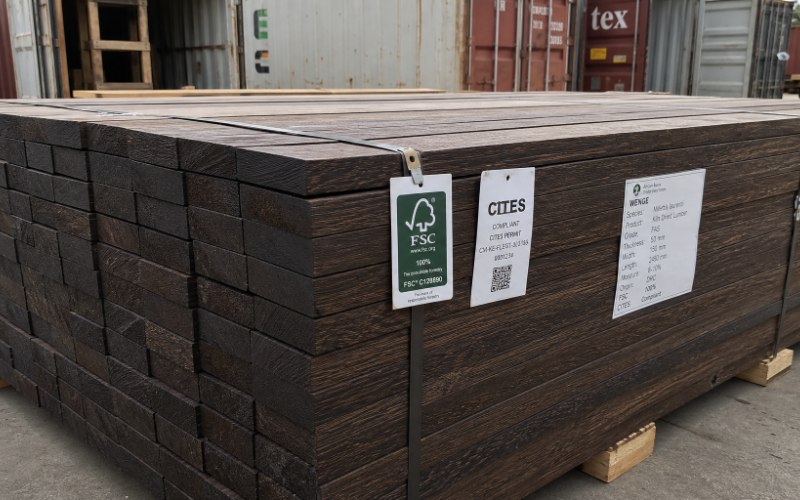
Importers should also consider “Select” grade for shorter components to optimize costs. When ordering Sawn Timber, specify whether you require ‘Fixed Widths’ or ‘Random Widths’. Fixed widths simplify manufacturing but carry a premium price. Additionally, ensure your supplier provides ‘Heartwood Only’ specifications for premium flooring projects.
Logistics and Export Dynamics in Central Africa
Transporting heavy hardwoods from the interior of the Congo Basin to the coast is a significant engineering challenge. Most Wenge is harvested in the Democratic Republic of Congo (DRC) and trucked or barged to the Port of Matadi or cross-border to Douala. Seasonal rains can impact lead times, often extending extraction periods between October and May. Consequently, seasoned importers build a 3-month buffer into their procurement cycles.
Containerization is the preferred method for African Wenge Wood Export. We typically load 20ft containers to their weight limit, which usually accommodates approximately 18-20 cubic meters of KD sawn timber. It is essential to use moisture-absorbing silica gel packs inside the container to prevent ‘container sweat’ during the transit from tropical humidity to colder northern climates.
Industrial Applications and Market Value
The primary ROI for Wenge lies in its use for high-end architectural joinery, luxury flooring, and musical instruments. Because of its dimensional stability, it is an excellent choice for massive tabletops and heavy-duty staircases. In the flooring industry, Wenge is often used as a contrasting accent or in high-traffic commercial spaces where its hardness prevents indentation. Understanding the current pricing index is crucial for competitive bidding on large-scale tenders.
Frequently Asked Questions
Partner with YYW Timber for Your Hardwood Needs
I have spent over two decades on the ground in Central Africa, overseeing the harvest and export of premium hardwoods. At YYW Timber, we don’t just sell wood; we provide a bridge between the forest and your factory, ensuring every board meets international standards for quality and legality. If you are looking for a reliable partner for your next African Wenge Wood Export shipment, contact us today to discuss your technical specifications and volume requirements. Let’s build a sustainable future for the timber trade together.