Executive Summary: International hardwood grading standards determine the commercial value and structural integrity of timber shipments. This comprehensive guide details the NHLA and ATIBT grading systems. Understanding these rules ensures successful procurement for global timber wholesalers. YYW Timber delivers strictly graded, certified African hardwoods worldwide.
Why Do Hardwood Grading Standards Matter in B2B Trade?
Section Summary: Grading standards establish a universal language for timber quality, minimizing risk and ensuring pricing transparency between exporters and importers.
Global timber markets rely heavily on standardized quality metrics. Without uniform hardwood grading standards, international procurement creates significant financial risks. Grading rules evaluate the yield and clear-face cuttings of sawn lumber. Consequently, these standards dictate the pricing matrix for bulk timber contracts.
As a premier African hardwood exporter, YYW Timber enforces rigorous quality control. We grade our timber to guarantee compliance with international buyer expectations. Whether you import logs or sawn lumber, grading protects your downstream manufacturing margins.
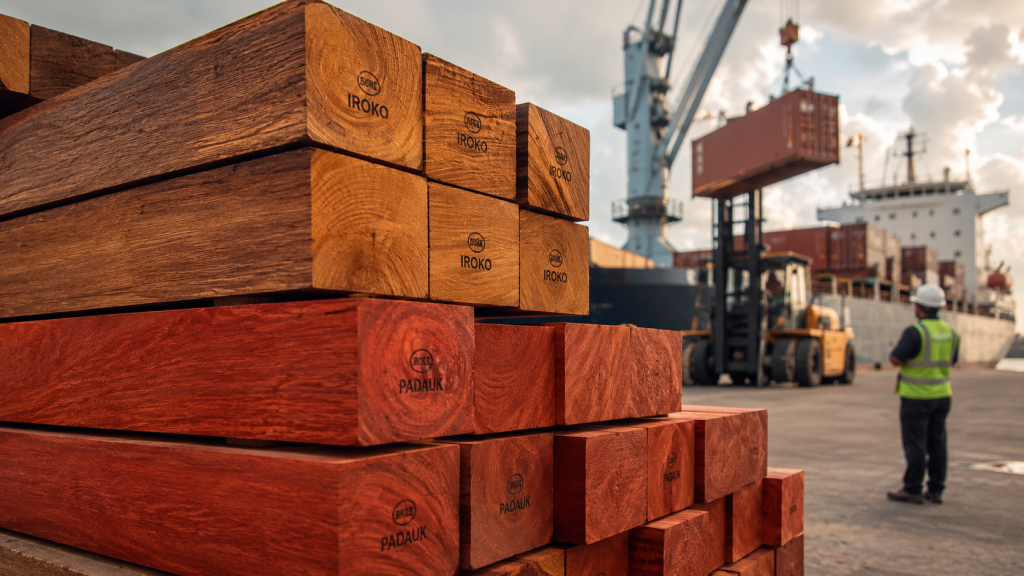
The North American NHLA Hardwood Sawn Lumber Grading Rules
Section Summary: The National Hardwood Lumber Association (NHLA) system calculates the percentage of clear wood in a board.
The NHLA system represents the global benchmark for temperate hardwoods. It focuses primarily on the factory lumber market. This system measures the clear-face yield from defective boards. Therefore, the grading process focuses on the usable percentage of wood for furniture manufacturing.
FAS (First and Seconds) Grade
FAS represents the premium grade in the NHLA system. It provides long, clear cuttings for high-end cabinetry and molding. The board must be at least 6 inches wide and 8 feet long. Furthermore, it must yield 83.3% clear wood on its poorest face. Buyers select FAS for luxury millwork projects.
FAS One Face (F1F) and Selects
This category bridges the gap between premium and standard grades. The best face must meet full FAS requirements. However, the reverse face only needs to meet Number 1 Common standards. This grade offers a cost-effective solution for applications where only one side is visible.
Number 1 and Number 2 Common Grades
Traders often call Number 1 Common the “Cabinet grade” due to its utility. It requires a minimum clear yield of 66.6%. Number 2 Common requires a 50% clear yield. These economic grades suit flooring manufacturers who utilize shorter, rustic planks.
| NHLA Grade | Minimum Board Size | Minimum Clear Yield % | Primary Application |
|---|---|---|---|
| FAS | 6″ x 8′ | 83.3% | Luxury Furniture & Molding |
| Selects | 4″ x 6′ | 83.3% (Best Face) | Custom Paneling & Doors |
| No. 1 Common | 3″ x 4′ | 66.6% | Kitchen Cabinets & Flooring |
The African ATIBT Grading Rules for Tropical Hardwoods
Section Summary: The Association Technique Internationale des Bois Tropicaux (ATIBT) governs tropical timber rules, focusing on defects and appearance.
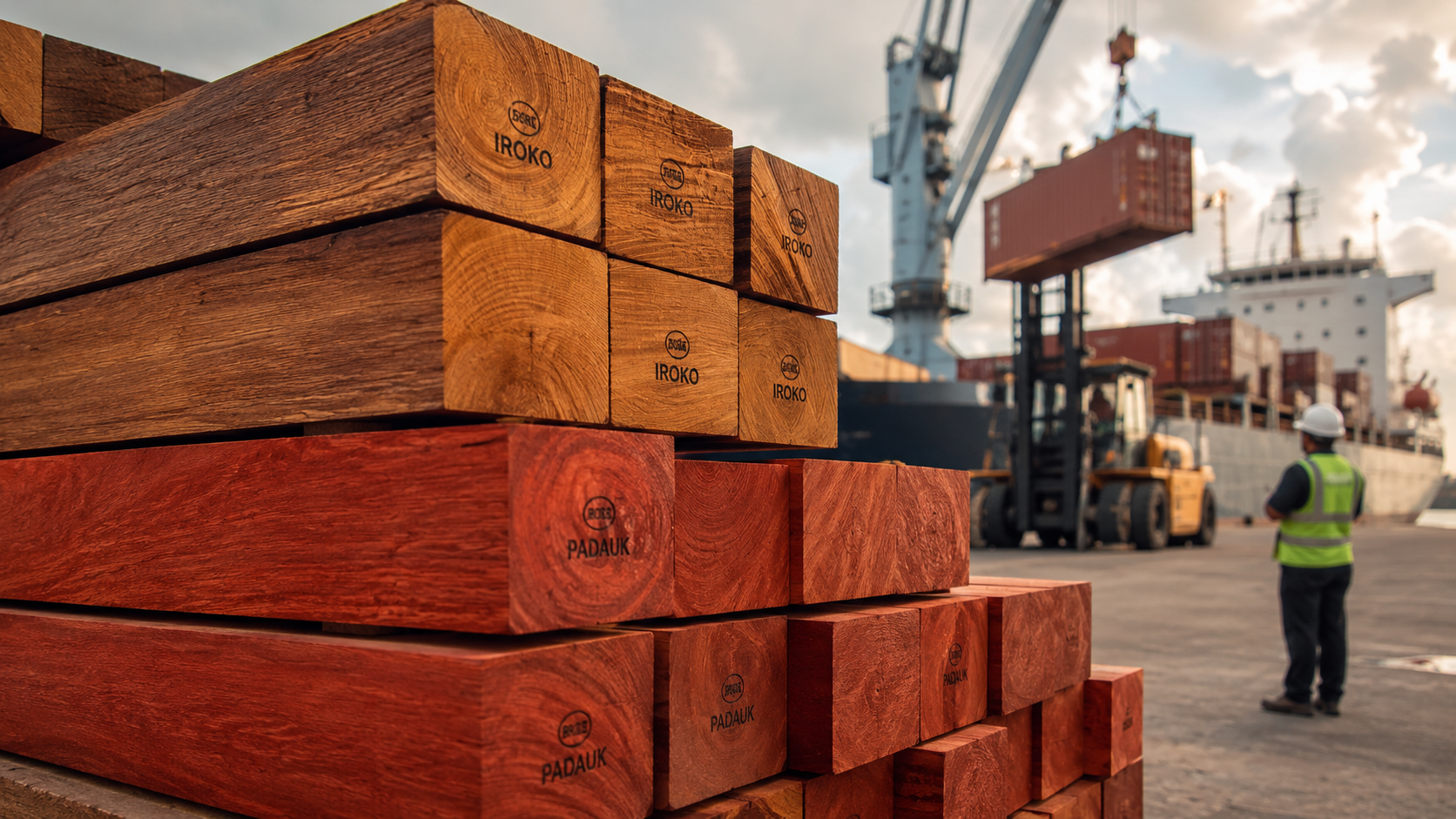
Tropical timber requires different parameters due to unique growth environments. The ATIBT rules regulate the trade of African species like Iroko timber and Padauk. Unlike the NHLA, ATIBT focuses strictly on limiting specific defects rather than percentage yields.
ATIBT grading evaluates parameters like sapwood allowance, splits, and pinholes. For tropical regions, pinholes from wood-boring insects require careful monitoring. YYW Timber mills and treats all tropical logs promptly. This precision prevents insect degradation and maintains the elite ATIBT classification.
Core ATIBT Quality Categories
- Choice Q-A (Premium): Free from all visible defects, sapwood, and core structures.
- Choice Q-B (Standard Merchantable): Allows minor sapwood on edges and small tight knots.
- Choice Q-C (Utility Grade): Permits visible discoloration, small splits, and limited wormholes.
Hardwood Log Grading: Round Logs vs. Square Logs
Section Summary: Log grading precedes sawn timber grading, assessing centering, knots, and internal rot.
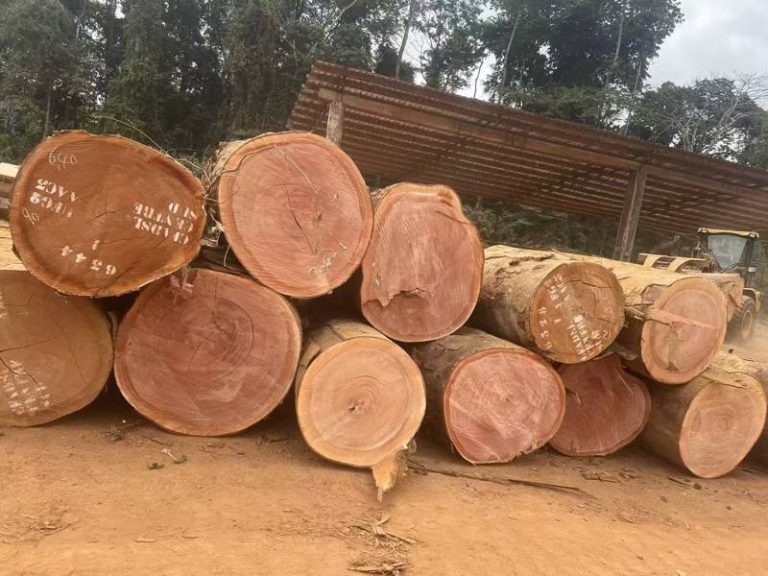
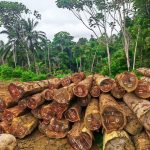
B2B importers often purchase raw logs for local processing. We grade Round Logs using strict geometric and structural tests. We measure the taper, sweep, and center soundness of each log. Straight logs with centered hearts yield the highest volume of FAS lumber.
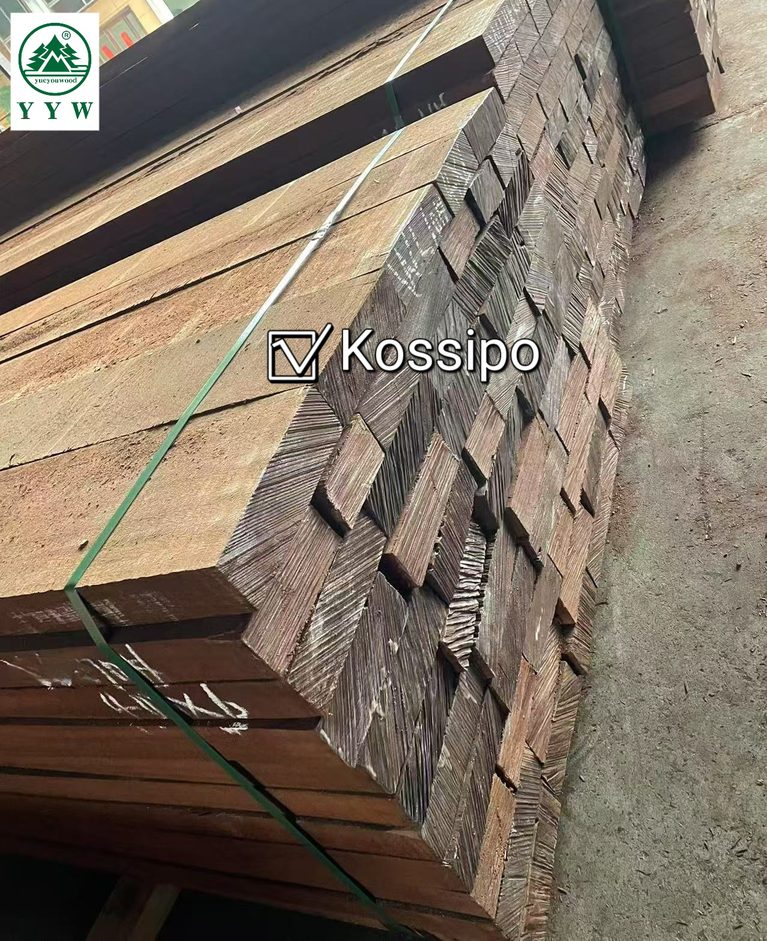
Alternatively, we prepare Square Logs (boules) by removing the sapwood. This process reveals internal defects before shipping. Therefore, square log procurement offers higher predictability for overseas sawmills.
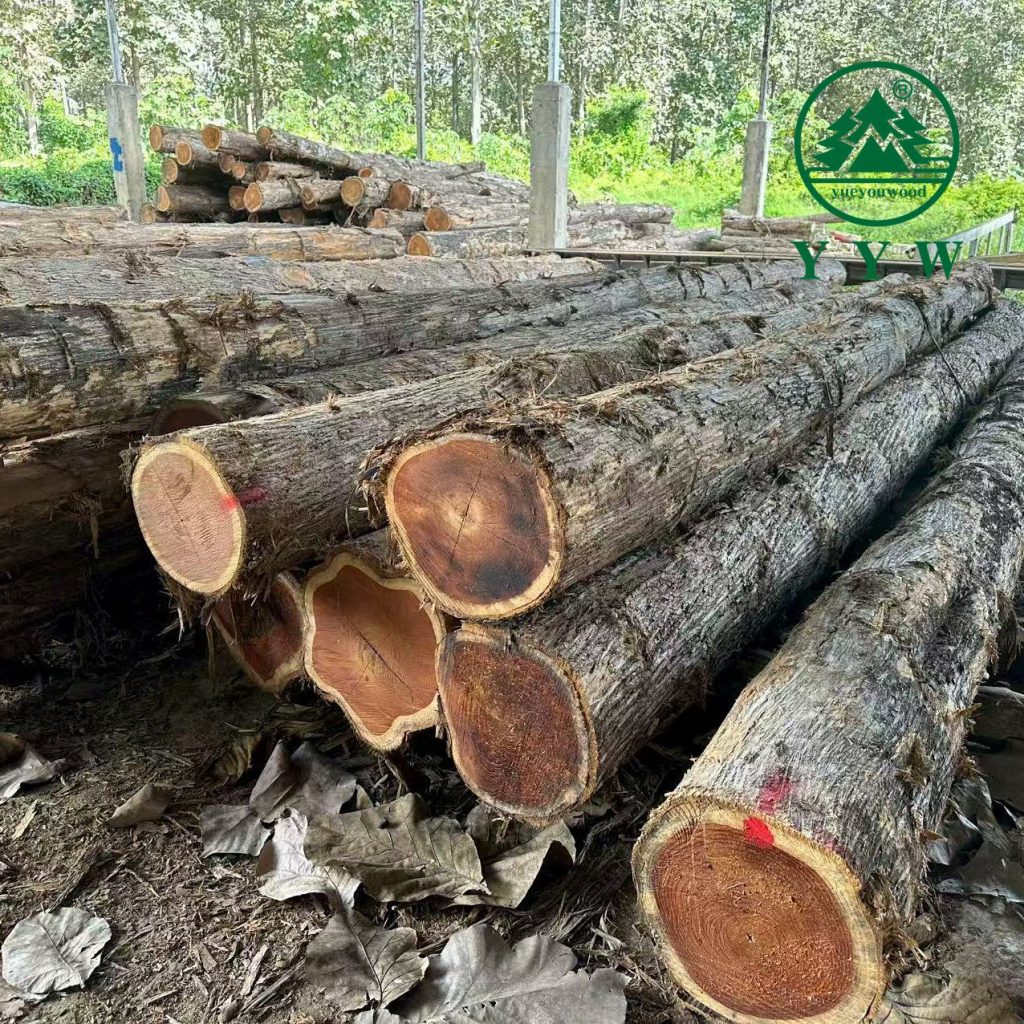
Common Timber Defects and Their Structural Impact
Section Summary: Graders downgrade lumber based on specific natural and drying defects that weaken the wood fibers.
Understanding defects helps buyers negotiate bulk contracts effectively. Graders categorize defects into natural occurrences or drying errors. Natural defects include knots, shakes, and resin pockets. Drying defects include warping, checking, and honeycombing.
Knots reduce the tensile strength of structural timber. Checks occur from improper kiln-drying speeds. To prevent these defects, YYW Timber utilizes computerized kiln controllers. This technology ensures uniform moisture extraction for species like Okoume timber and Tali timber.
How B2B Buyers Verify Hardwood Grading Standards
Section Summary: Verification involves third-party inspections, certificate analysis, and trusting certified exporters.
Successful timber procurement requires rigorous verification processes. First, request a certified grading report with your shipping documents. Second, deploy independent third-party inspectors like SGS at the loading port. Inspectors verify the board dimensions, moisture content, and piece counts.
Furthermore, ensure your supplier follows legal forestry regulations. YYW Timber provides complete transparency for all shipments. We supply full documentation to satisfy EUTR and CITES requirements. This compliance protects your business from legal liabilities.
Conclusion: Secure Your Supply with Standardized Grading
Mastering hardwood grading standards elevates your procurement strategy. It eliminates guesswork and ensures consistent manufacturing results. Partner with an expert exporter who respects international grading rules. Contact YYW Timber today for a factory-direct quote on precisely graded African hardwoods. Explore our timber catalog to discover our standard stock options.