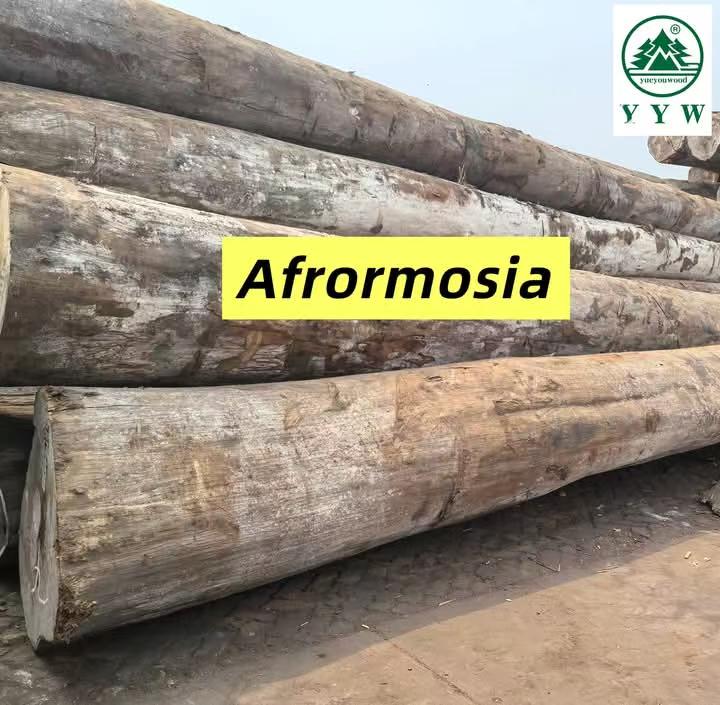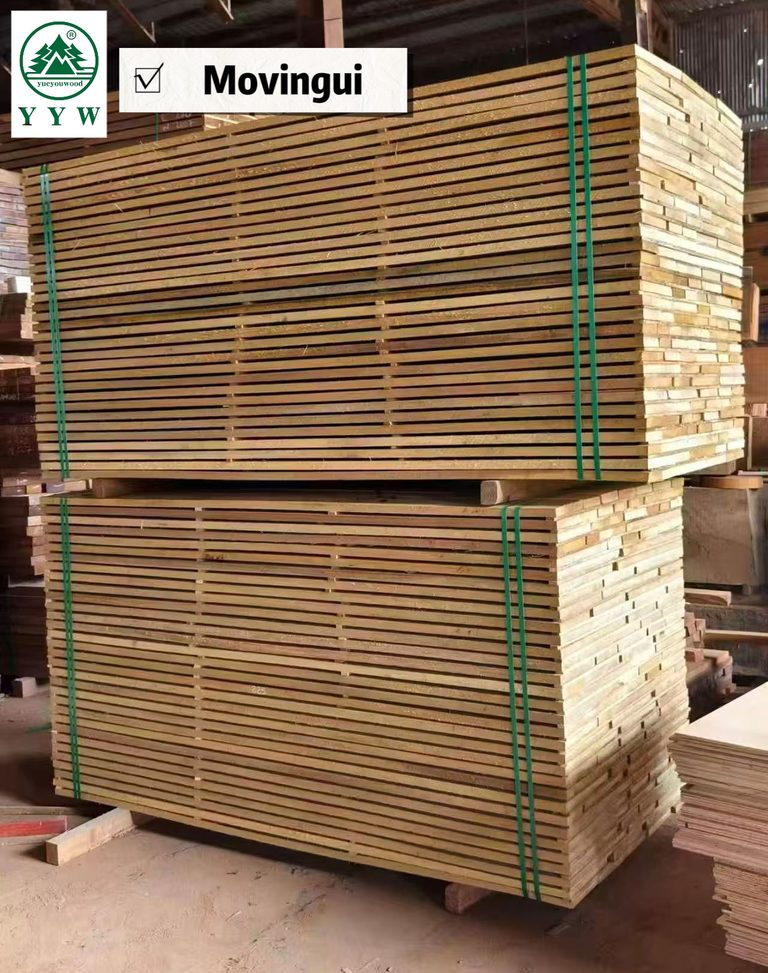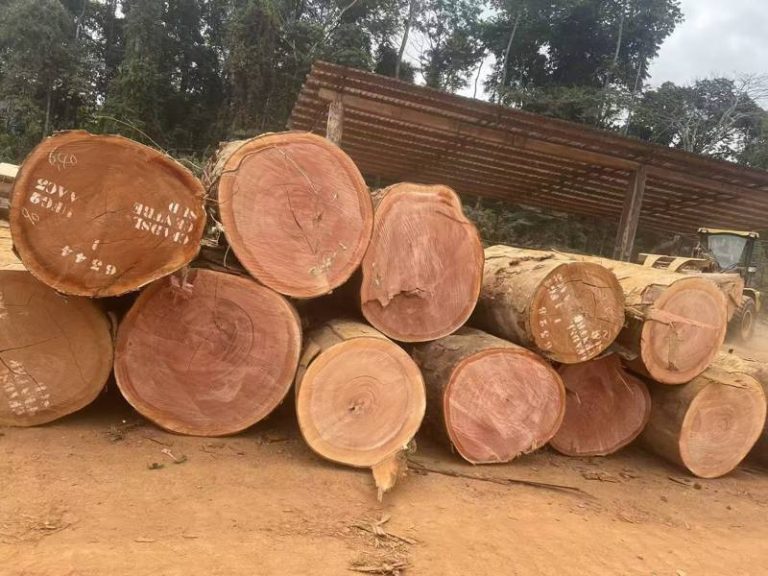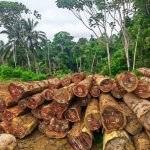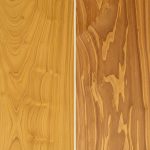
Kossipo wood, botanically known as Entandrophragma candollei, is a heavy and durable African hardwood belonging to the Meliaceae family. It offers superior density, exceptional mechanical strength, and a distinctive purple-brown hue, making it an advanced alternative to traditional mahoganies for demanding commercial applications.
What Is Kossipo (Kosipo) Wood and How Does It Fit in the Meliaceae Family?
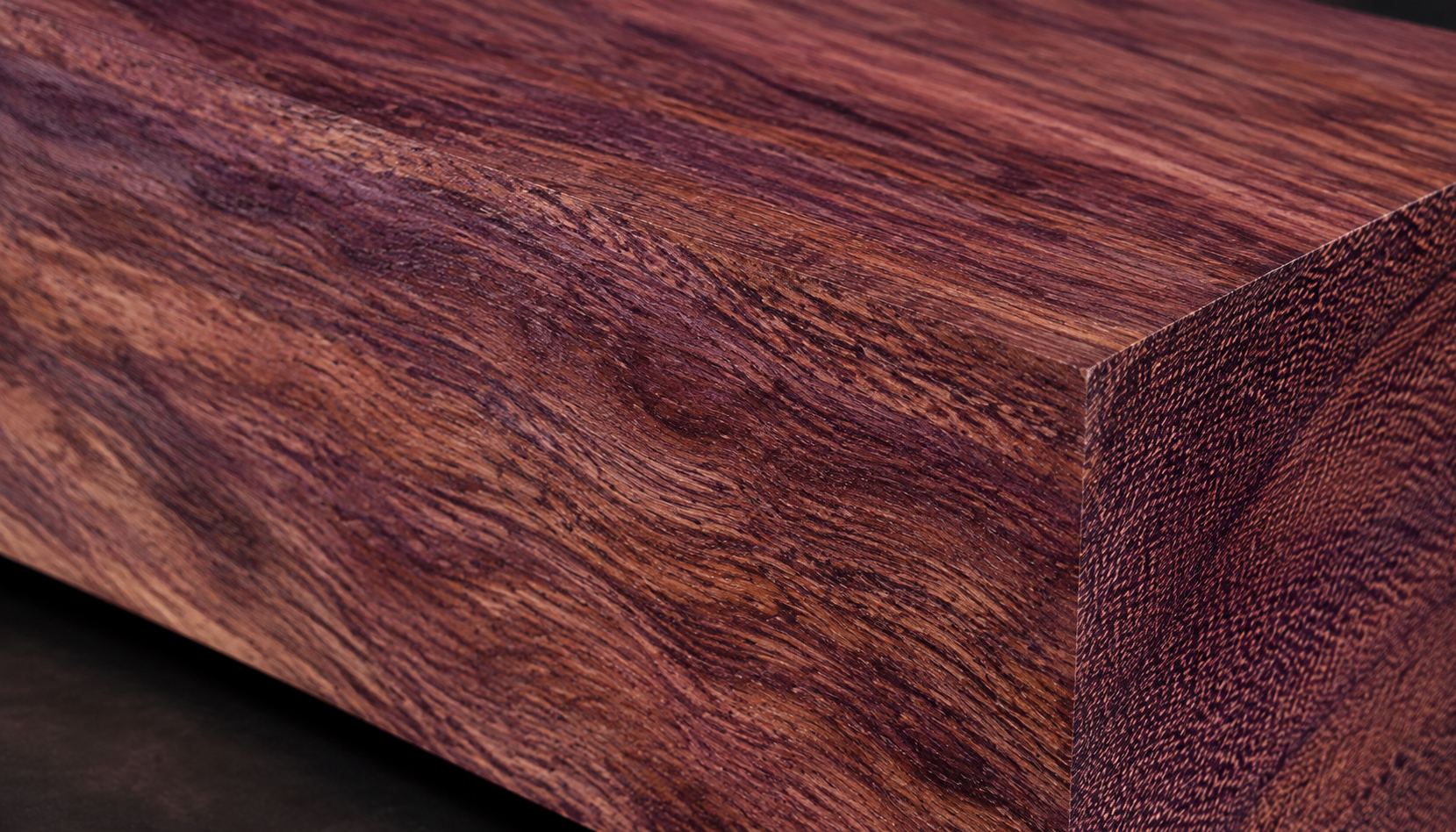
Botanically classified under the Meliaceae family, kossipo wood shares a close taxonomic lineage with other prominent African commercial timbers like Sapele, Sipo, and Khaya. According to timber evolution studies, trees within the Entandrophragma genus generally exhibit high growth stress and rich structural coloration. Kosipo timber stands out due to its distinct purplish-brown heartwood, which darkens gracefully upon exposure to ultraviolet light.
Commercial harvesters and industrial importers often categorize kossipo lumber as a heavy African mahogany due to its reddish-brown to dark purple aesthetic. However, its anatomical structure features interlocked grain and a slightly coarser texture than true mahoganies. These biological traits give the material enhanced dimensional stability once properly kiln-dried, making it a reliable choice for structural millwork and large-scale architectural projects.
Mechanical Profile: Comparing Density, Hardness, and Shrinkage to Sapele
When engineering exterior joinery or heavy flooring, structural specifiers evaluate specific mechanical data to predict long-term performance under load. According to standard engineering metrics published by timber reference authorities like The Wood Database, kossipo timber consistently outperforms standard regional substitutes in density and crushing strength.
| Property | Kossipo (Entandrophragma candollei) | Sapele (Entandrophragma cylindricum) |
|---|---|---|
| Average Dried Density | ~670 kg/m³ (42 lb/ft³) | ~670 kg/m³ (42 lb/ft³) |
| Janka Hardness | 6,810 N (1,530 lbf) | 6,280 N (1,410 lbf) |
| Modulus of Rupture (MOR) | 118.0 MPa | 112.5 MPa |
| Elastic Modulus (MOE) | 14.8 GPa | 14.3 GPa |
| Volumetric Total Shrinkage | 11.5% | 11.6% |
As detailed in the comparison table above, kossipo timber offers a slightly higher Janka hardness rating than Sapele, giving it an operational edge against point-load indentation. Furthermore, its Modulus of Rupture reaches 118.0 MPa, confirming its capacity to withstand severe bending stresses in structural headers, bridge components, and thick architectural thresholds.
Why Is Kossipo the Preferred Hardwood for High-Traffic Commercial Flooring and Heavy Doors?
High-traffic commercial flooring producers demand wood species that resist surface abrasion, heel denting, and fiber crushing under constant pedestrian flow. Because kossipo lumber features a dense cellular framework and tight interlocked grain patterns, it minimizes wear in high-traffic environments such as hotel lobbies, corporate corridors, and public museums.
Architectural door fabricators select heavy african mahogany alternatives like kossipo timber to construct oversized exterior pivot doors that require exceptional sag resistance. A typical 2.5-meter exterior door manufactured from kosipo wood maintains its hang and alignment over decades of seasonal moisture shifts. The natural weight of the material provides an uncompromising tactile feel of luxury and physical security demanded by high-end residential and commercial specifiers.
Natural Weather Resistance and Performance in Extreme Climates
Exterior joinery contractors must specify materials capable of withstanding heavy rainfall, intense solar radiation, and aggressive fungal decay without failing prematurely. Kosipo wood contains natural oleoresins that act as inherent deterrents against wood-boring insects and decay fungi, placing it securely in durability class 2 to 3 under standard biological rating systems.
Field tests conducted across tropical and temperate testing facilities indicate that exterior kossipo sawn timber retains over 85% of its structural integrity after ten years of unpainted, direct weather exposure. While prolonged UV exposure will cause the initial purple-brown tones to weather into an attractive silvery-gray patina, applying a marine-grade UV-inhibiting finish preserves the original deep coloration indefinitely.
Addressing Silica Content: Tooling Recommendations for Smooth Surface Planing
Working with dense tropical hardwoods requires an understanding of micro-inclusions such as silica, which can accelerate cutting edge wear during industrial milling operations. Kossipo timber contains trace amounts of mineral silica and calcium deposits, which can dull standard high-speed steel (HSS) planer knives within running parameters of roughly 50 linear meters.
To achieve flawless surface planing and profiling without frequent machine downtime, YYW Timber recommends upgrading manufacturing lines to carbide-tipped (TCT) tooling or polycrystalline diamond (PCD) cutter heads. Maintaining a reduced cutting angle of 15 to 20 degrees effectively eliminates tear-out on interlocked grain surfaces, producing a glass-smooth finish ready for sanding and finishing.
Sourcing Sustainable Kossipo Sawn Timber: Grade Options and Delivery Timelines
Procuring commercial quantities of heavy African hardwoods requires strict adherence to international legality frameworks, sustainable forestry practices, and predictable supply chains. YYW Timber sources high-grade kossipo logs and sawn timber directly from sustainably managed concession forests in Central and West Africa, ensuring full compliance with international timber trade regulations.
Standard export specifications for kossipo lumber include kiln-dried (KD) to an equilibrium moisture content of 10% to 12% for interior millwork, or air-dried (AD) specifications for heavy structural uses. Standard containerized shipments from our African milling facilities typically require 35 to 50 days of transit time to major ports in Europe, North America, and Asia. Contact our technical sales team today to request custom dimensions, certified chain-of-custody documentation, and competitive wholesale quotations.