Introduction
When purchasing African hardwood, buyers often focus on timber dimensions, grade, price and availability. However, one important factor can be overlooked: moisture content and how the timber is dried, stored and handled before use.
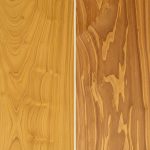
Movingui (Distemonanthus benthamianus), an African hardwood also known as Ayan or Nigerian Satinwood, is valued for its yellow to yellow-brown heartwood, attractive grain and versatility in woodworking. Like other hardwoods, its performance depends not only on the species itself but also on how well the timber is prepared for its intended application.
For importers, wholesalers and manufacturers, understanding moisture control can help reduce avoidable processing problems and improve purchasing decisions.
1. Why Does Moisture Content Matter in Movingui Timber?
Wood naturally exchanges moisture with the surrounding environment. When its moisture content changes, the wood can shrink or swell, potentially affecting its dimensions and shape.
For Movingui buyers, this matters when timber is intended for further sawing, machining, furniture production, joinery or other manufacturing processes. Boards that are not adequately dried for their intended use may require additional conditioning before processing.
The correct moisture target depends on the final application and the climate in which the finished product will be used. Timber intended for indoor furniture, for example, may require a different moisture level from material intended for other environments.
The key point: moisture requirements should be agreed upon according to the buyer’s production needs rather than assuming one moisture specification fits every order.
2. Why Controlled Drying Is Important
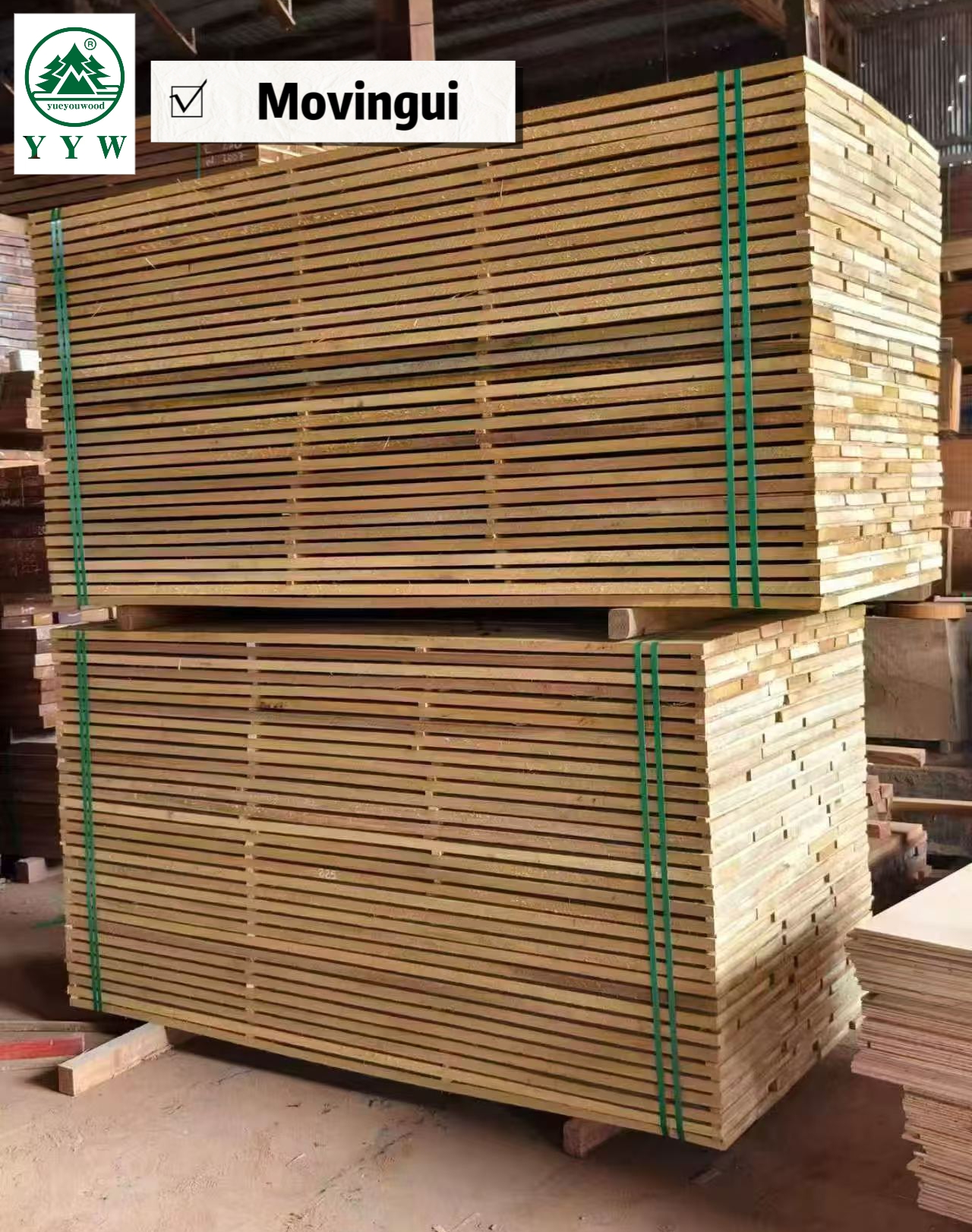
Movingui is generally considered reasonably straightforward to dry, but technical references note that drying too quickly can create difficulties. Appropriate drying schedules and careful monitoring therefore remain important.
For commercial buyers, it is worth discussing the following points with a supplier:
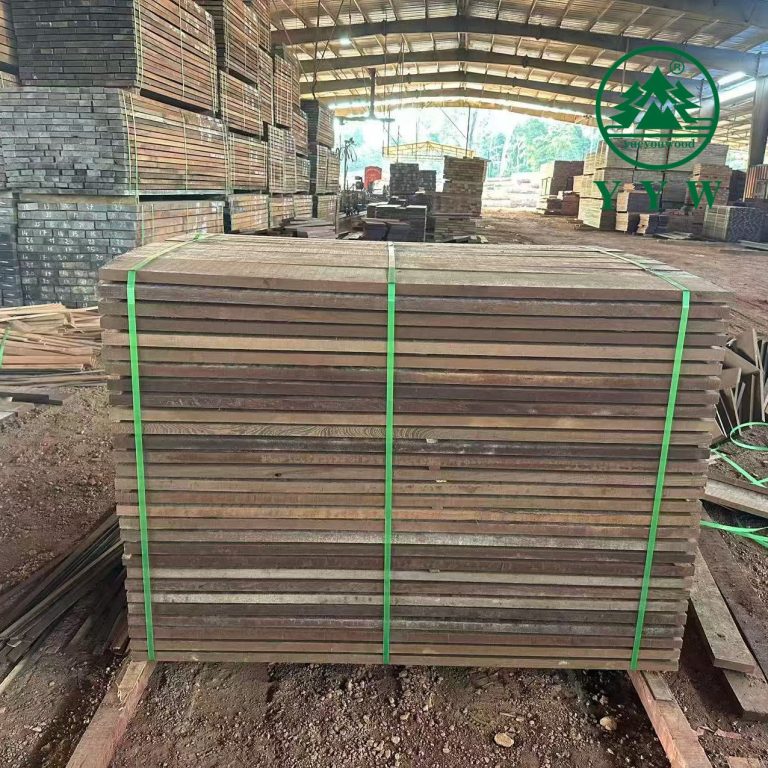
- Drying method: Confirm whether the timber is air-dried (AD), kiln-dried (KD), or supplied under another agreed condition.
- Moisture specification: Establish the required moisture content and how it will be checked.
- Board dimensions: Consider thickness when assessing drying requirements, as different dimensions may require different drying conditions.
- Quality inspection: Check for visible defects, including checking, distortion and other issues that could affect processing.
These checks help buyers evaluate whether the timber condition matches their production requirements before an order is finalized.
3. What Should Importers Check After Delivery?
Moisture management does not end when timber leaves the supplier’s warehouse. Transport conditions, local humidity and storage practices can influence the timber’s condition after arrival.
After delivery, buyers should inspect the packages and check the timber before moving directly into production. Where appropriate, moisture readings should be taken from representative boards using a suitable meter.
For larger orders, it is also useful to agree in advance on inspection procedures, acceptable tolerances and how any quality concerns will be documented.
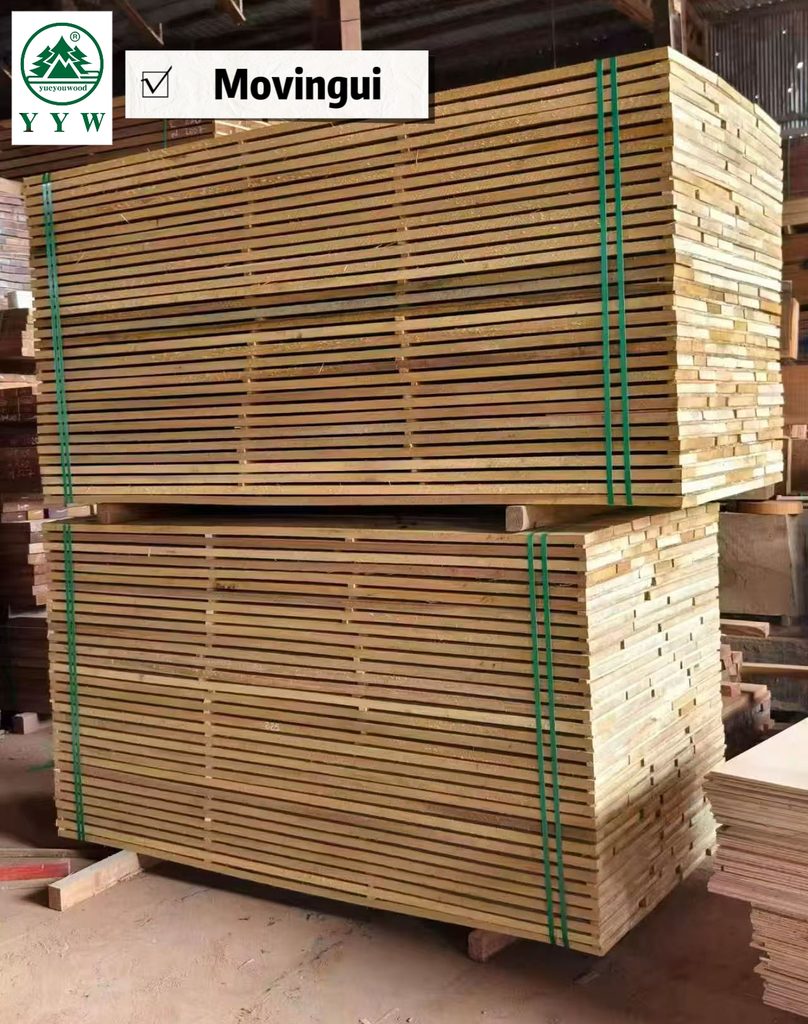
Once unloaded, timber should be stored in a suitable, well-ventilated area, protected from direct rain and avoidable moisture exposure. Proper stacking and acclimatization before processing can also help the material adjust to the conditions of the destination market.
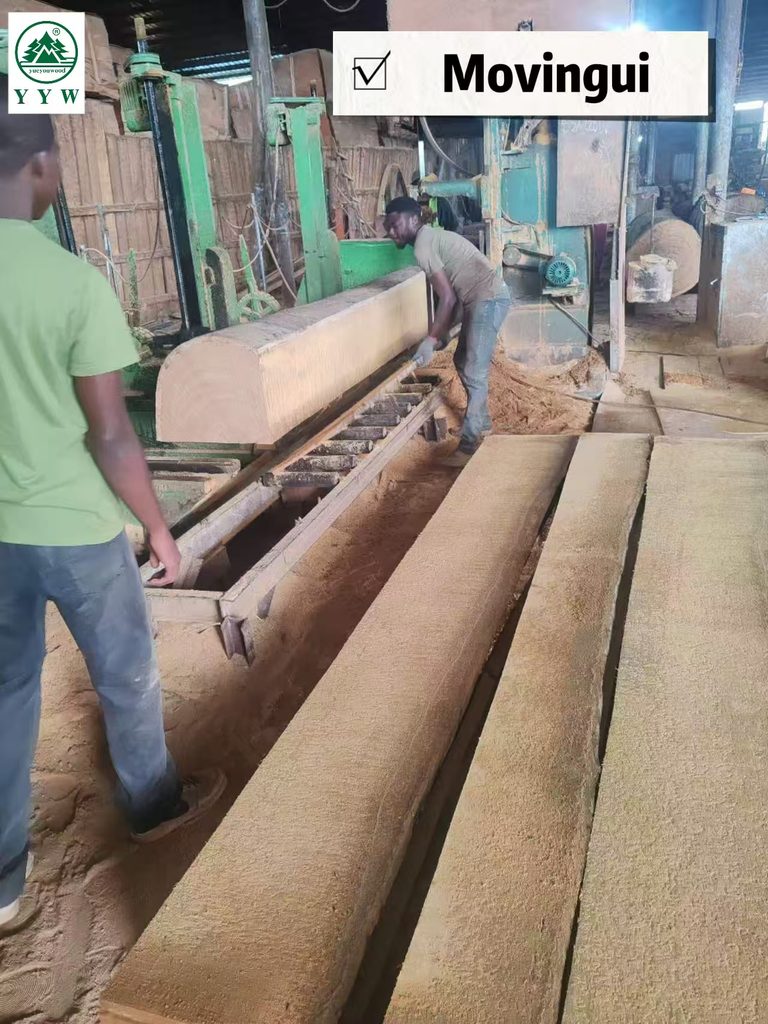
4. Match Movingui Specifications to Your Production Needs
A reliable timber purchase starts with a clear specification. Before placing an order, buyers should confirm the required thickness, width, length, grade, quantity and moisture condition.
It is equally important to explain the intended use. A furniture manufacturer, a joinery workshop and a timber distributor may have different priorities when evaluating the same species.
Clear specifications help both parties align expectations, reduce misunderstandings and make repeat purchasing easier to manage.
Movingui Timber Supply from YYW Timber
At YYW Timber, we supply African timber to international buyers, with a focus on clear specifications, practical communication and export coordination.
Whether you are sourcing Movingui for further processing or evaluating African hardwood options for your market, sharing your required dimensions, grade, moisture condition and destination can help us understand your purchasing needs.
Conclusion
Movingui offers an attractive combination of appearance and practical woodworking potential. For commercial buyers, however, species selection is only one part of the purchasing decision.
Understanding drying conditions, verifying moisture requirements and maintaining suitable storage practices after delivery can help reduce avoidable problems and support more consistent production.
When sourcing Movingui timber, look beyond price alone. A clearly defined specification and a shared understanding of quality requirements are essential foundations for a successful order.
Contact YYW Timber
Hong Kong YueYou International Trade Limited (YYW Timber)
Website: www.yywtimber.com
Email: gemma@yueyouwood.com
WhatsApp: +86 18933092596