Introduction
The African hardwood market is changing.
For timber buyers, species selection is no longer based only on appearance or traditional market popularity. Availability, application, processing requirements, export regulations, logistics, and overall procurement value are becoming increasingly important.
Within this changing market, Padouk timber continues to attract attention from international buyers.
Known for its distinctive red-orange color, durability, and versatility, African Padouk occupies an interesting position in the global hardwood market. It can be used for decorative furniture and joinery, while its durability also makes it suitable for demanding outdoor and structural applications. The Tropical Timber Atlas lists applications including high-end furniture, decking, heavy flooring, exterior joinery, shipbuilding, bridges, and industrial flooring.
So, what is driving interest in Padouk today?
Padouk Is More Than a Decorative Hardwood
One reason Padouk continues to attract buyers is its combination of visual appeal and practical performance.
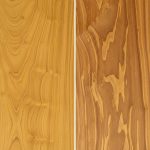
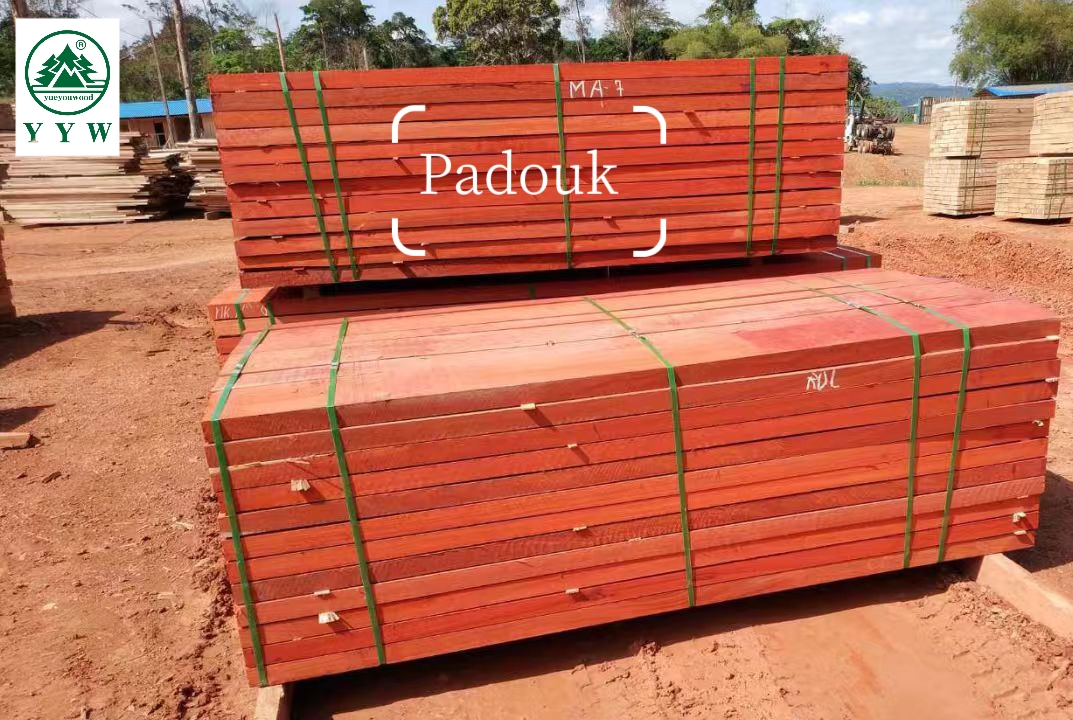
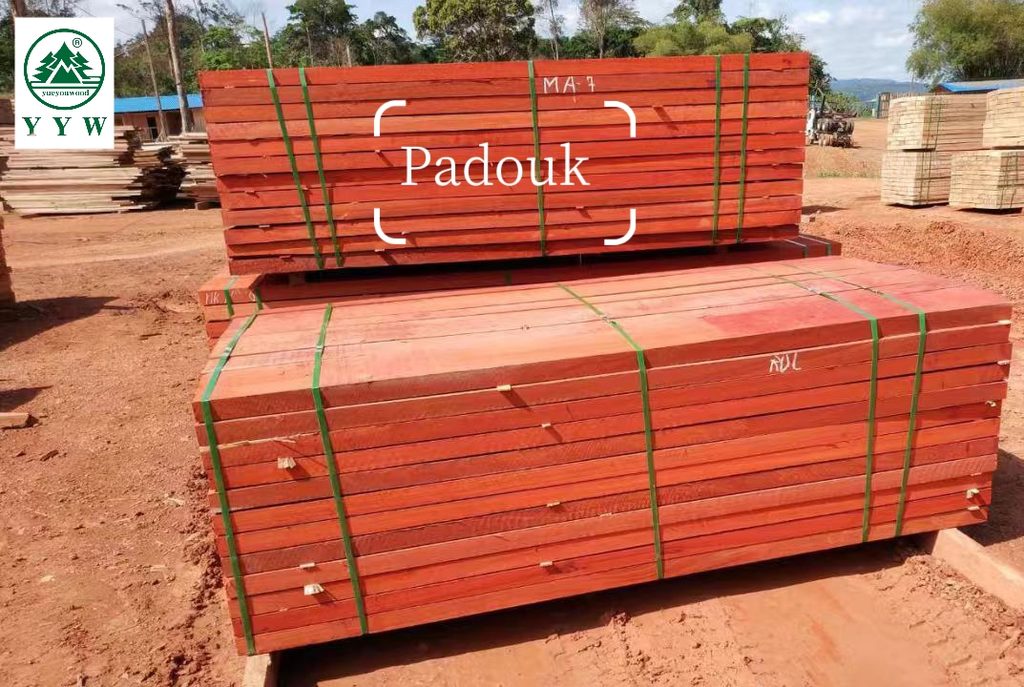
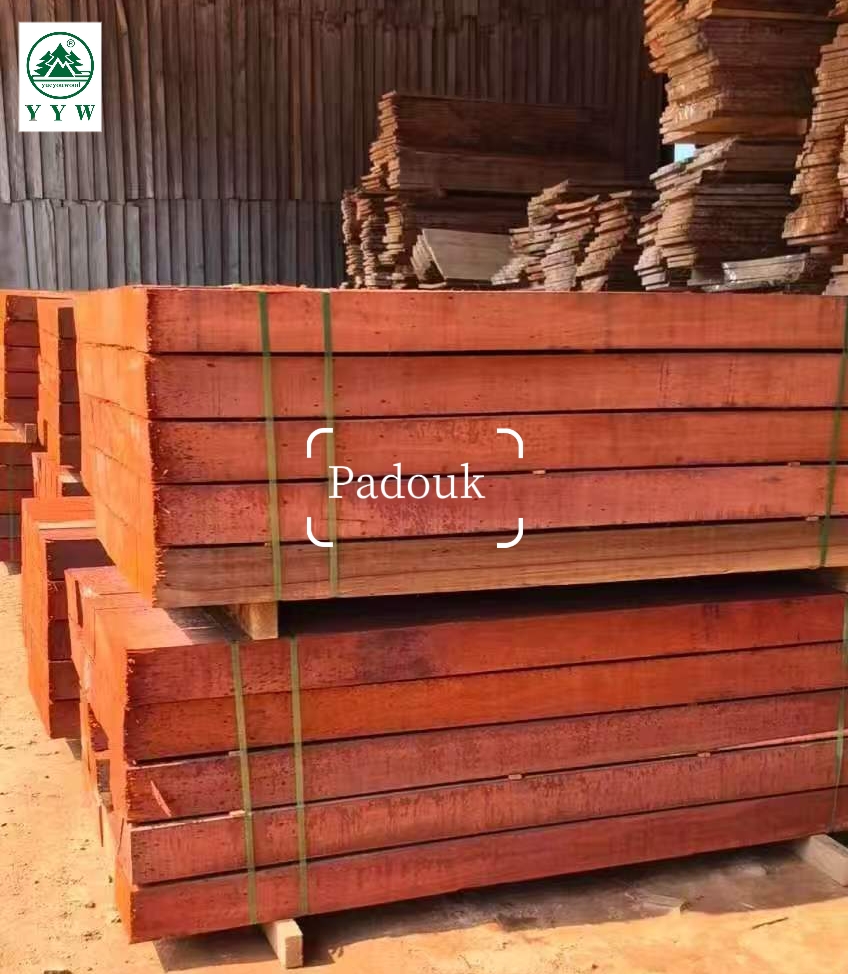
Freshly processed Padouk is recognized for its vivid reddish to orange-red heartwood. With exposure to light and air, the color gradually changes toward deeper brown and reddish tones. Its natural appearance makes it particularly interesting for furniture, interior joinery, decorative panels, and other applications where the wood itself becomes part of the visual design.
At the same time, Padouk is not simply selected for appearance.
Its durability and resistance to demanding environments make it suitable for decking, exterior joinery, marine-related applications, flooring, and other heavy-use projects. Technical references classify African Padouk as a very durable timber and list applications ranging from outdoor structures to shipbuilding and hydraulic works.
This combination gives Padouk a broader commercial position than many purely decorative hardwoods.
Asian Markets Remain Important for Padouk
Market demand is not uniform across the world.
Recent tropical timber market reporting indicates that Vietnam remains an important market for African Padouk, alongside species such as Tali and Niové. In recent reporting from Cameroon, Padouk continued to have relatively strong demand from Vietnam even while some other export markets were weaker.
This is important for international buyers because it shows how African hardwood demand can shift between regions.
A species does not necessarily need to experience strong demand in every market to remain commercially important. Different markets may prioritize different characteristics, specifications, grades, and applications.
For Padouk, Asia remains an important part of the international demand picture.
Why Padouk Attracts Furniture and Design Manufacturers
For furniture manufacturers, one of Padouk’s biggest advantages is its natural appearance.
The strong red-orange color allows manufacturers and designers to create furniture and interior products with a distinctive natural wood character.
Padouk can be considered for:
- High-end furniture
- Cabinetmaking
- Interior doors
- Wall panels
- Decorative joinery
- Flooring
- Staircases
- Turned products
- Musical instruments
- Specialty wood products
Technical references also identify Padouk as suitable for sliced veneer, high-end cabinetry, interior and exterior joinery, and flooring.
This gives manufacturers flexibility when developing different product lines.
Outdoor Applications Add Another Layer of Demand
Another important part of the Padouk market comes from outdoor applications.
Its durability allows it to be considered for decking, outdoor furniture, exterior joinery, bridges, marine-related construction, and other applications where timber is exposed to moisture or demanding environmental conditions.
This creates an interesting balance:
Indoors, Padouk can be selected for its color and appearance.
Outdoors, it can be selected for durability and service performance.
For timber distributors, this broad application range can make Padouk an attractive species to include in an African hardwood portfolio.
Padouk Procurement Is Becoming More About Compliance
For international buyers, however, the Padouk market is not simply about demand.
Documentation and regulatory compliance are increasingly important considerations.
Padouk is among the African tropical timber species for which buyers should pay close attention to applicable regulatory requirements and export documentation. Recent industry reporting notes that additional controls and documentation associated with CITES requirements can influence Padouk trade, particularly in European markets.
This means that buyers should evaluate a Padouk supplier based not only on price and timber quality, but also on:
- Legal sourcing
- Origin documentation
- Species identification
- Export documentation
- Required regulatory documents
- Grading and specifications
- Shipping arrangements
For international B2B timber procurement, documentation is part of the product.
What Does This Mean for Global Timber Buyers?
The current Padouk market suggests an important point:
There is no single global Padouk market.
Different destinations have different purchasing patterns.
Asian buyers may focus more strongly on commercial availability and manufacturing requirements, while European buyers may place greater emphasis on documentation, traceability, and regulatory compliance.
For distributors and manufacturers, understanding these differences can help make procurement decisions more effectively.
Instead of simply asking:
“Is Padouk in demand?”
A better question is:
“Where is Padouk in demand, what specifications are required, and what documentation is necessary for that market?”
This is becoming increasingly important as international timber trade becomes more regulated and more specialized.
Padouk in the African Hardwood Portfolio
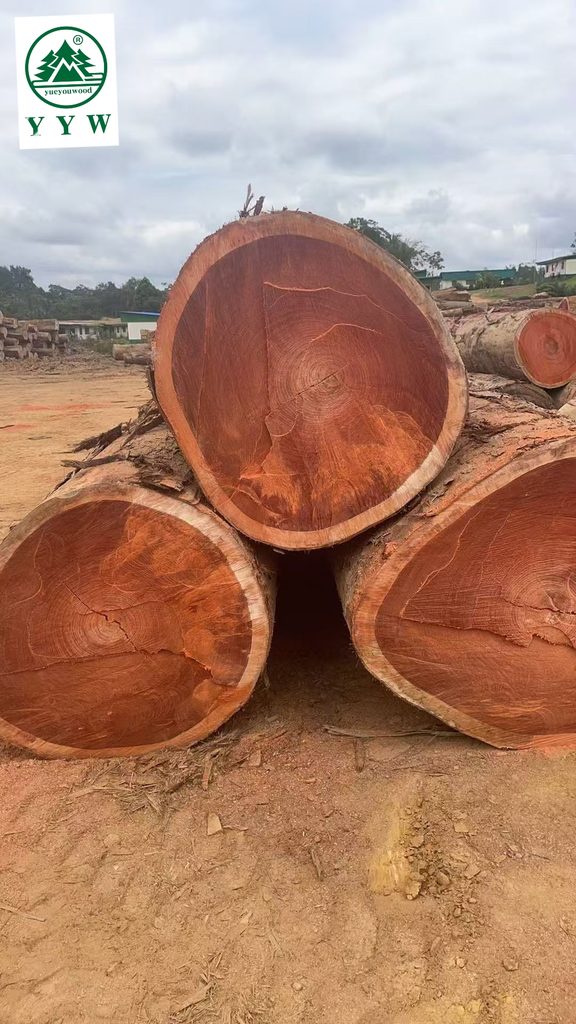
Padouk also benefits from being part of a much broader African hardwood supply chain.
International buyers often source several species rather than relying on a single timber.
A typical African hardwood portfolio may include:
For importers and distributors, having access to multiple species can provide greater flexibility when responding to different customer requirements.
It also allows buyers to compare species according to appearance, application, availability, grade, and budget, rather than relying on one species for every project.
YYW Timber and Padouk Supply
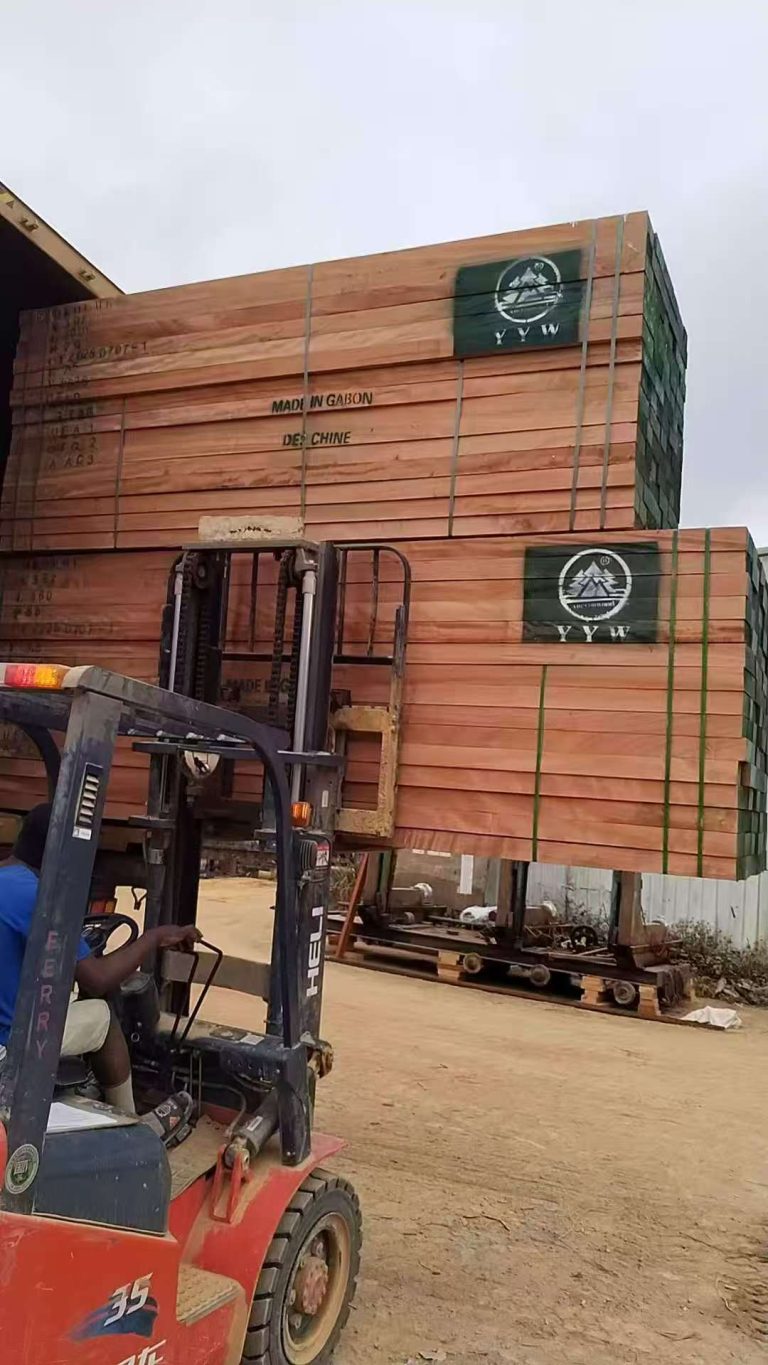
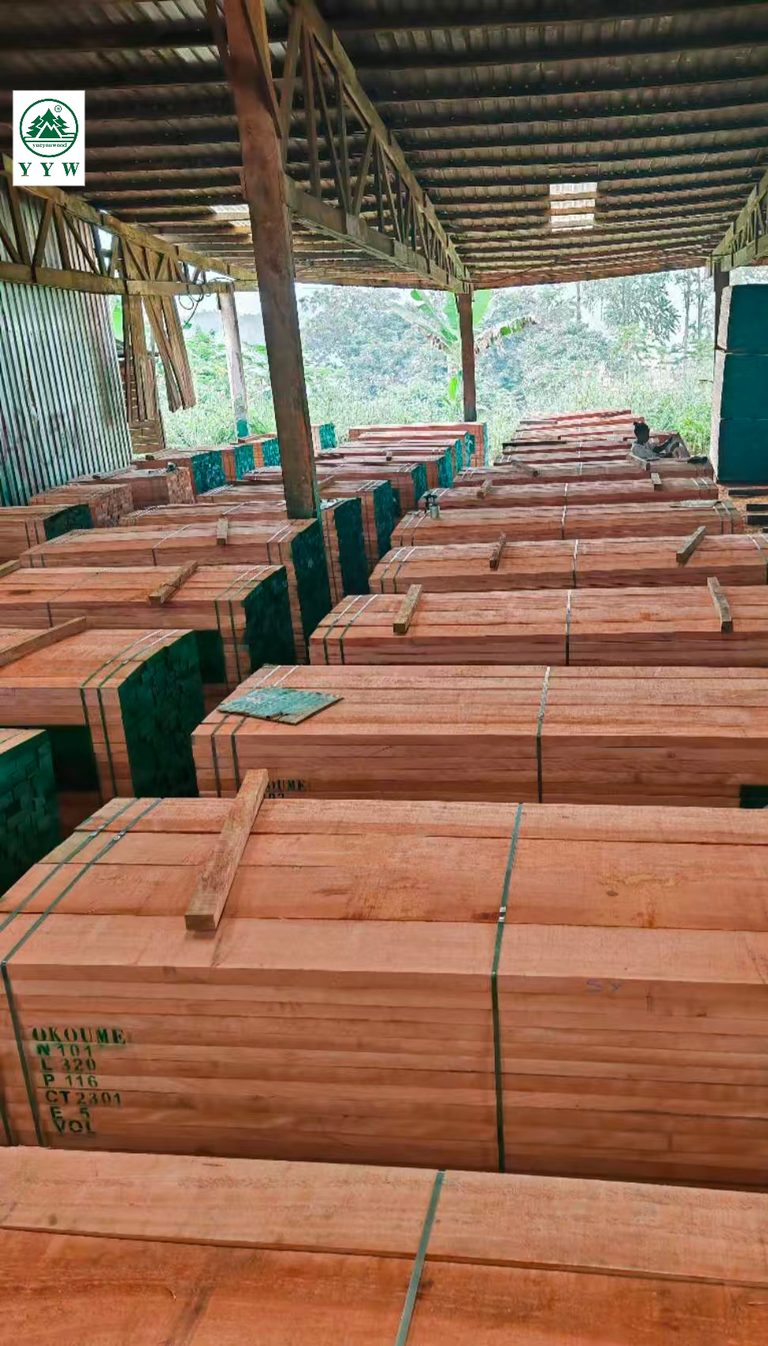
At Hong Kong Yueyou Wood (YYW Timber), we focus on African timber sourcing and international supply.
Padouk is part of our African hardwood product range, alongside Okoume, Iroko, Sapelli, Movingui, Zebrano, Wenge, Kossipo, Sipo, Ayous, Azobe, Khaya, and other species.
For international buyers, we can coordinate timber specifications, grading requirements, sourcing, export documentation, and shipment arrangements according to project and market requirements.
Our focus is on providing practical sourcing support rather than simply offering a list of timber species.
Conclusion: Where Is the Padouk Market Heading?
Padouk remains an interesting species in the international African hardwood market because it combines distinctive appearance, durability, and a wide range of applications.
Recent market information also shows that demand differs significantly by destination. Vietnam continues to provide an important outlet for Padouk, while European buyers face a more cautious market environment and greater attention to regulatory requirements.
For international buyers, this makes market knowledge increasingly important.
The future of Padouk will not depend simply on how much timber is available. It will also depend on where demand develops, what specifications buyers require, and how effectively suppliers manage quality, documentation, and international logistics.
For manufacturers, distributors, and timber importers looking for a distinctive African hardwood with multiple potential applications, Padouk remains a species worth watching.
Contact Us
Hong Kong Yueyou Wood (YYW Timber)
Email: gemma@yueyouwood.com
WhatsApp: +86 18933092596
Website: www.yywtimber.com