What Is Random Width Timber?
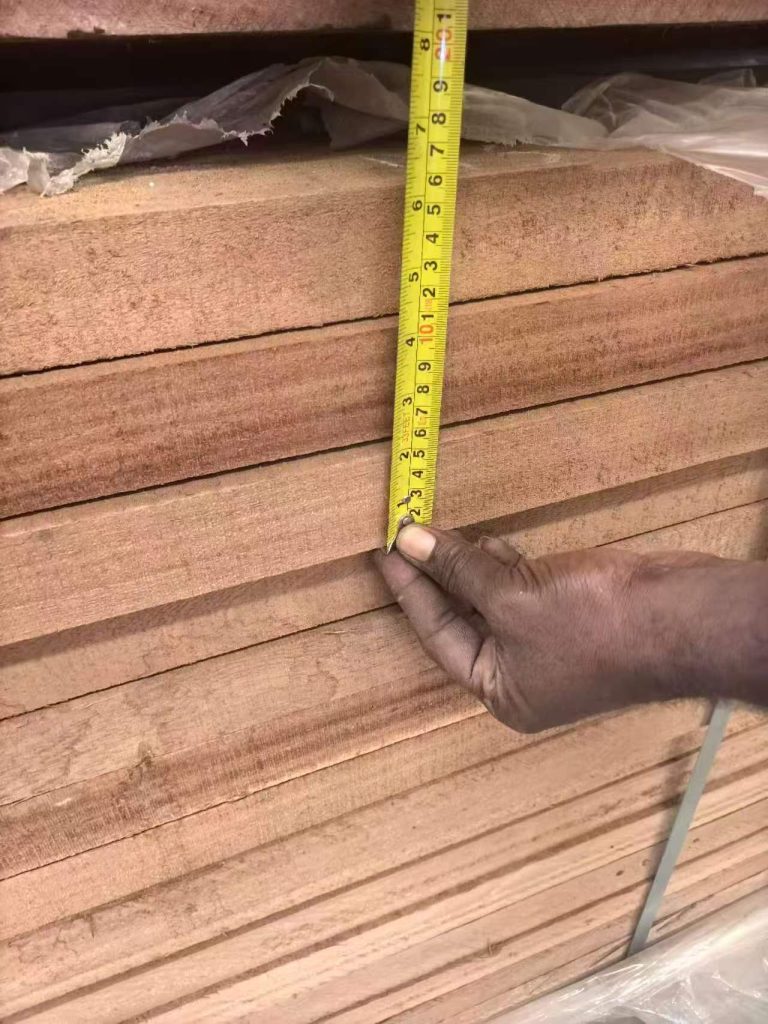
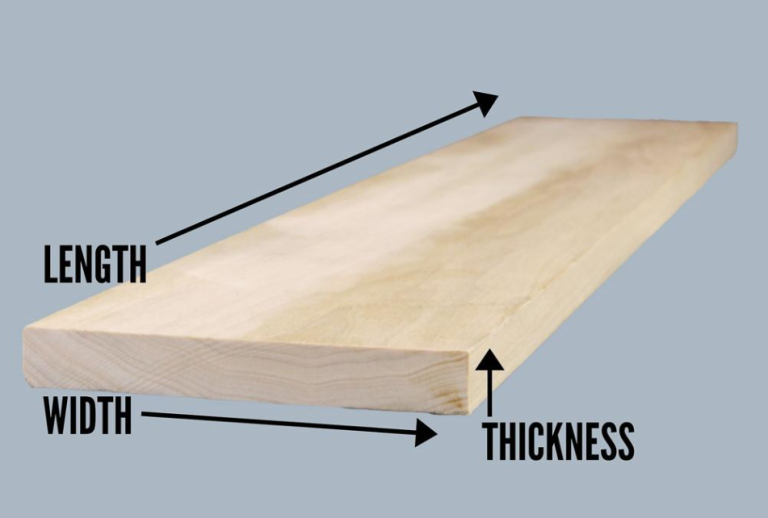
When buying African hardwood sawn timber, width is an important specification.
Some buyers require fixed-width boards, while others prefer random-width timber.
Random width timber refers to sawn boards supplied in different widths rather than one predetermined width.
The final width depends on the available log dimensions, sawing arrangement, and production requirements.
For timber importers, wholesalers, and furniture manufacturers, random-width timber can offer flexibility in purchasing and processing.
Let’s explore how it works and why it may be suitable for your business.
1. How Is Random Width Timber Produced?
Random-width timber starts with selected logs.
After arriving at the sawmill, the logs go through several processing stages:
- Log inspection and selection.
- Debarking.
- Sawing into individual boards.
- Sorting according to dimensions and quality.
- Air-drying or kiln-drying, depending on requirements.
- Final inspection and preparation for shipment.
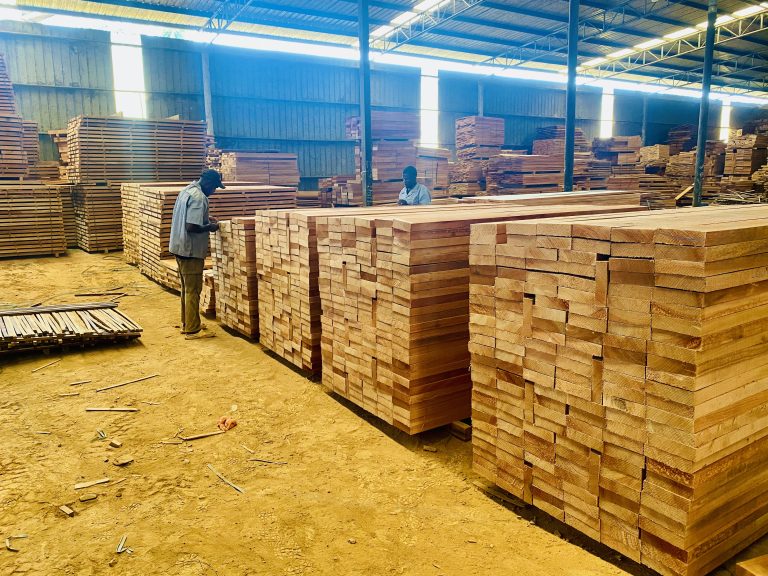
During sawing, the natural usable width of each board is considered rather than forcing every piece into one fixed width.
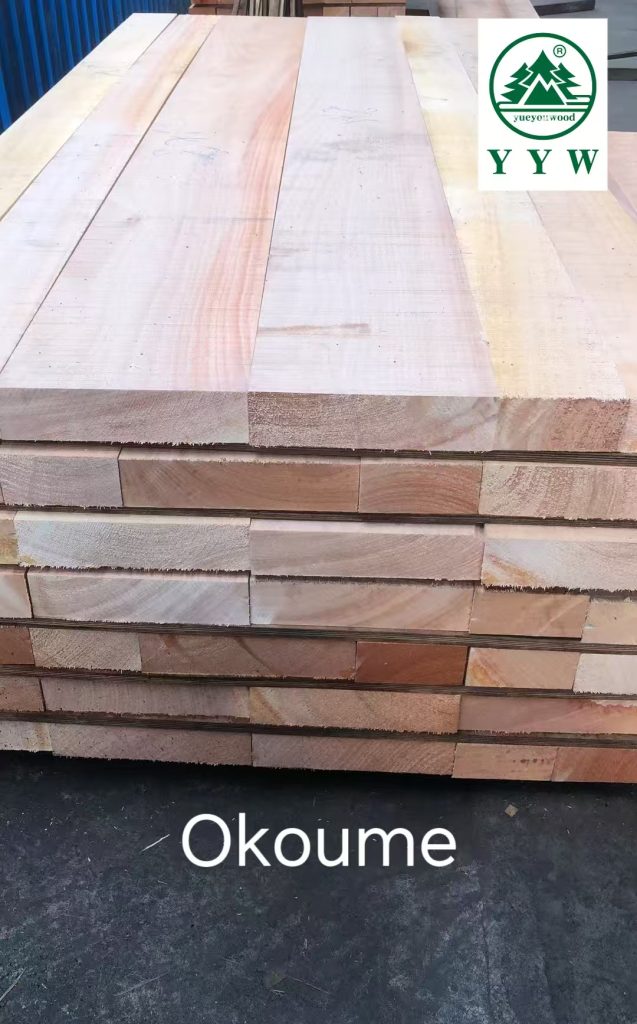
As a result, one shipment may contain boards with several different widths.
For example, a 50 mm thick order may include:
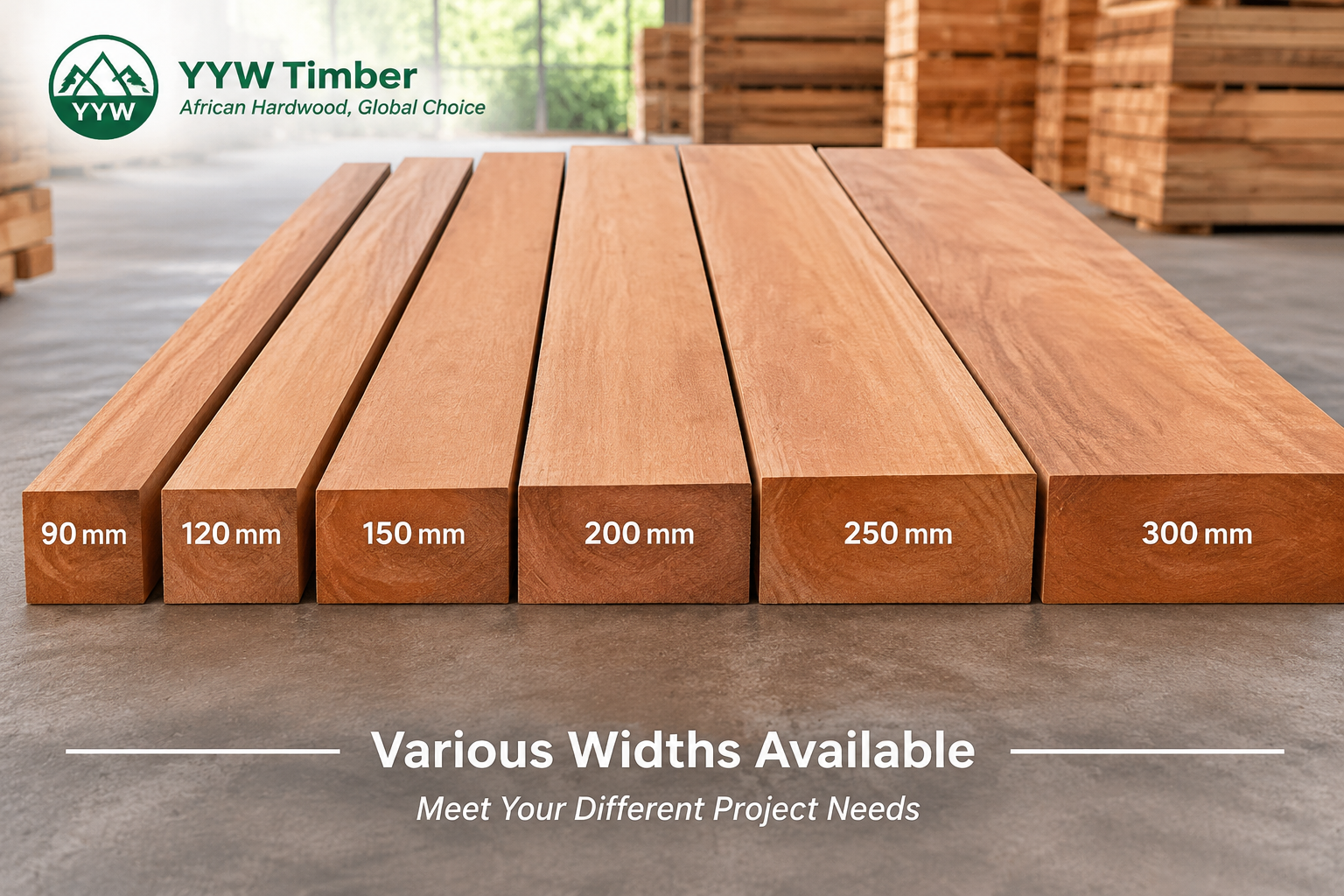
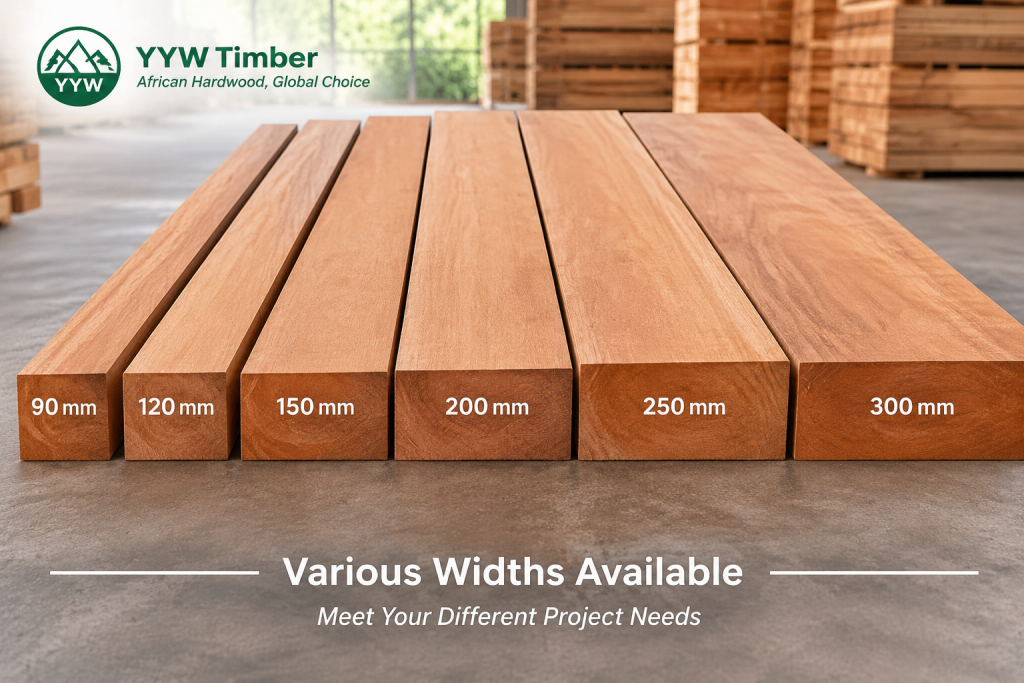
- 150 mm width
- 180 mm width
- 200 mm width
- 220 mm width
- 250 mm width
- 300 mm width
These are illustrative dimensions. Actual availability depends on the species and production order.
2. What Are the Advantages of Random Width Timber?
Better Use of Natural Log Dimensions
Natural logs do not have identical diameters or internal structures.
Random-width sawing allows producers to make practical use of the available timber instead of restricting every board to one width.
Greater Flexibility for Manufacturers
Different widths can be used for different components during furniture production.
For example, wider boards may be suitable for larger furniture panels, while narrower boards can be used for smaller components.
More Options for Material Selection
Buyers who do not require one specific width can consider a wider range of available boards.
This can be particularly useful when purchasing large quantities of African hardwood.
Suitable for Customized Woodworking
Factories that carry out their own cutting, trimming, and machining may find random-width timber convenient for different production requirements.
3. Random Width vs. Fixed Width Timber
| Specification | Random Width | Fixed Width |
|---|---|---|
| Board width | Different widths | Predetermined width |
| Production | Natural usable width | Cut to agreed width |
| Material selection | Flexible | Standardized |
| Sorting | Based on actual width | Easier to group by size |
| Best suited for | Flexible processing | Standardized manufacturing |
Neither option is automatically better.
The right choice depends on your production equipment, product design, purchasing budget, and material requirements.
4. What Should Buyers Confirm Before Ordering?
Before purchasing random-width African hardwood, we recommend confirming:
Thickness
Specify the required thickness, such as 25 mm, 38 mm, 50 mm, or 75 mm.
Minimum and Maximum Width
Confirm the acceptable width range rather than simply requesting random width.
Length
Specify whether you need fixed lengths or a range of available lengths.
Moisture Content
Confirm whether the timber should be air-dried or kiln-dried, along with the target moisture content.
Quality Requirements
Discuss the acceptable natural characteristics and grading standard.
CBM Calculation
Confirm whether the volume will be calculated using the actual dimensions of each board or another agreed measurement method.
These details are particularly important for international shipments.
5. Which African Hardwood Species Can Be Supplied in Random Width?
Depending on production availability and the order, different African hardwood species may be discussed for random-width supply.
Our product range includes:
- Okoume
- Sapele
- Iroko
- Padouk
- Tiama
- Okan
- Azobe
- Bilinga
- Zebrano
The available dimensions and drying conditions depend on the individual species and production requirements.
6. Looking for Natural Width African Hardwood?
At YYW Timber, we understand that many timber buyers do not always require standardized widths.
We focus on African hardwood sawn timber and can discuss natural-width and fixed-width specifications according to customer requirements and production availability.
Whether you are a timber wholesaler, furniture manufacturer, or woodworking factory, our team is ready to discuss suitable timber dimensions for your business.
Tell us your required species, thickness, length, and acceptable width range. Let’s discuss your next timber order.
Contact YYW Timber
Hong Kong Yueyou Wood Limited
Contact Person: Elaine Zhang
Position: Foreign Trade Salesman
Website: www.yywtimber.com
Email: kenny@yueyouwood.com
WhatsApp: +86 18933092079