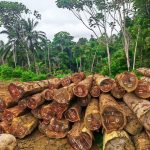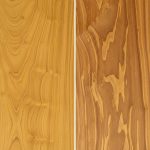
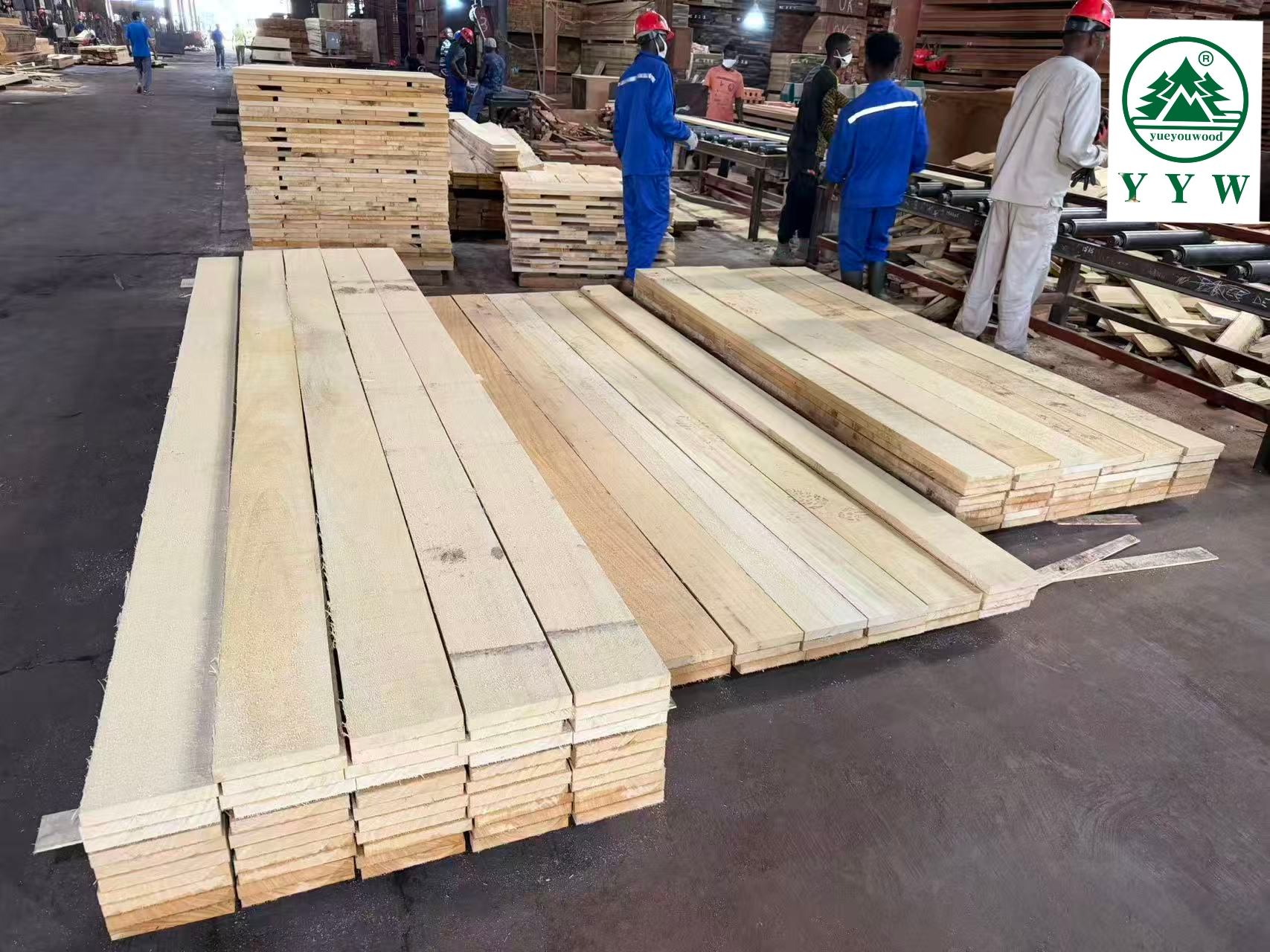
In the global timber supply chain, selecting the right raw material is critical for manufacturing efficiency and final product quality. Among African hardwoods, Okoume and Ayous are two widely used species, especially in industries such as plywood production, furniture manufacturing, and interior applications. Although both are classified as lightweight hardwoods, they serve different roles depending on processing requirements.
Okoume, scientifically known as Aucoumea klaineana, is primarily used in veneer and plywood production. Its structure allows smooth rotary peeling, making it one of the most efficient raw materials for layered panel manufacturing. In contrast, Ayous, also known as Triplochiton scleroxylon, is valued for its extremely light density and ease of machining, which makes it suitable for interior woodworking and furniture components.
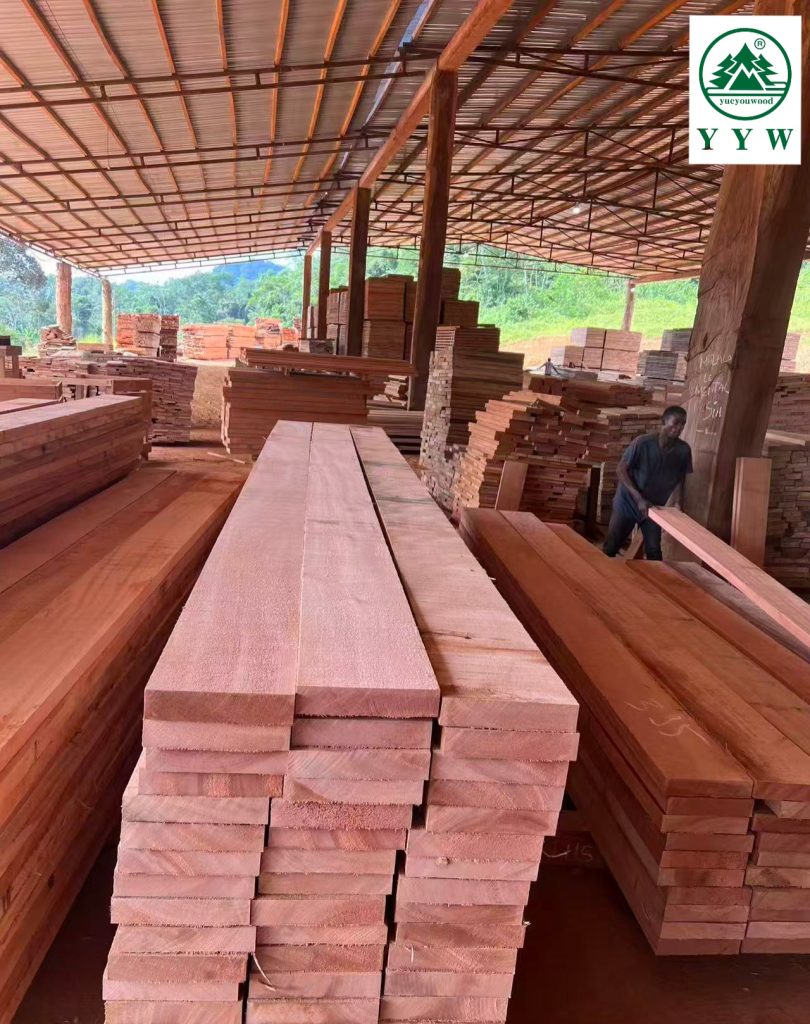
From a production perspective, Ayous offers significant advantages in processing speed and flexibility. It can be easily cut, shaped, and assembled, reducing labor and machining time. This makes it particularly attractive for manufacturers producing mouldings, frames, and lightweight furniture parts.
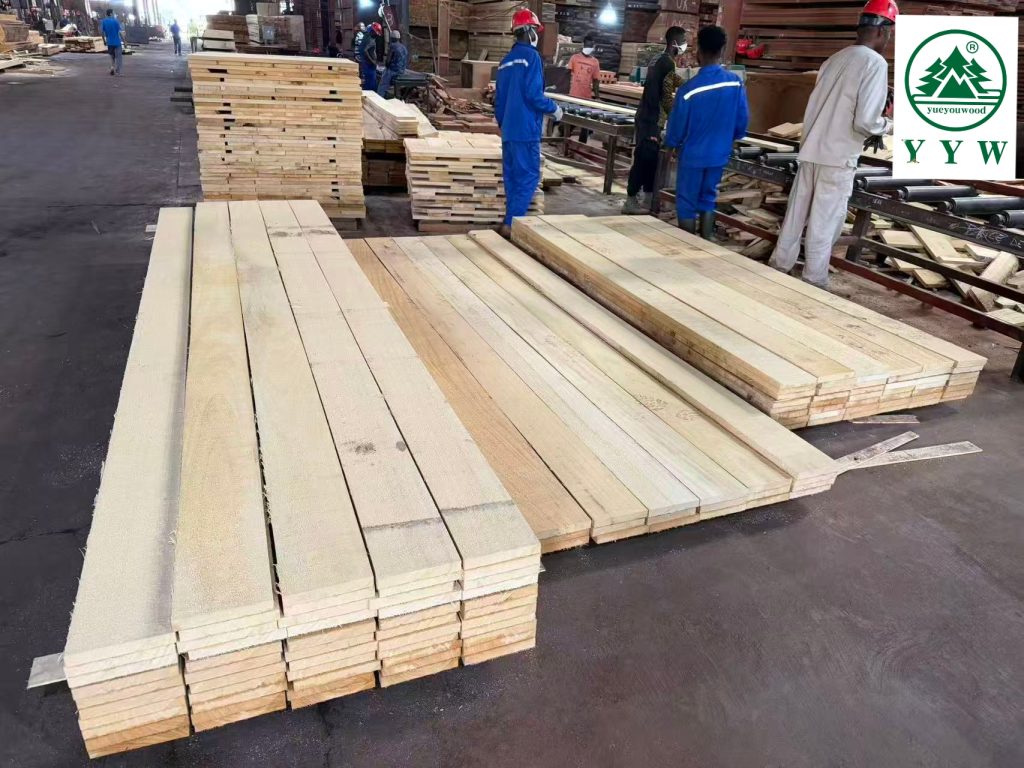
Okoume, however, excels in applications that require consistency in veneer thickness and bonding performance. In plywood production, the ability to produce smooth and uniform veneer sheets is essential. Okoume provides high recovery rates during peeling and allows efficient large-scale panel production.
In terms of applications, the differences become clearer:
- Okoume is widely used in plywood, veneer, and lightweight panels
- Ayous is commonly used for interior components, furniture structures, and decorative elements
Another key factor is supply and usage pattern. Okoume is often consumed in large volumes by industrial manufacturers, while Ayous is more flexible for a variety of woodworking applications.
Ultimately, the choice between Okoume and Ayous depends on your production focus. Manufacturers focused on panel production will benefit more from Okoume, while those involved in furniture and interior components may find Ayous more efficient.
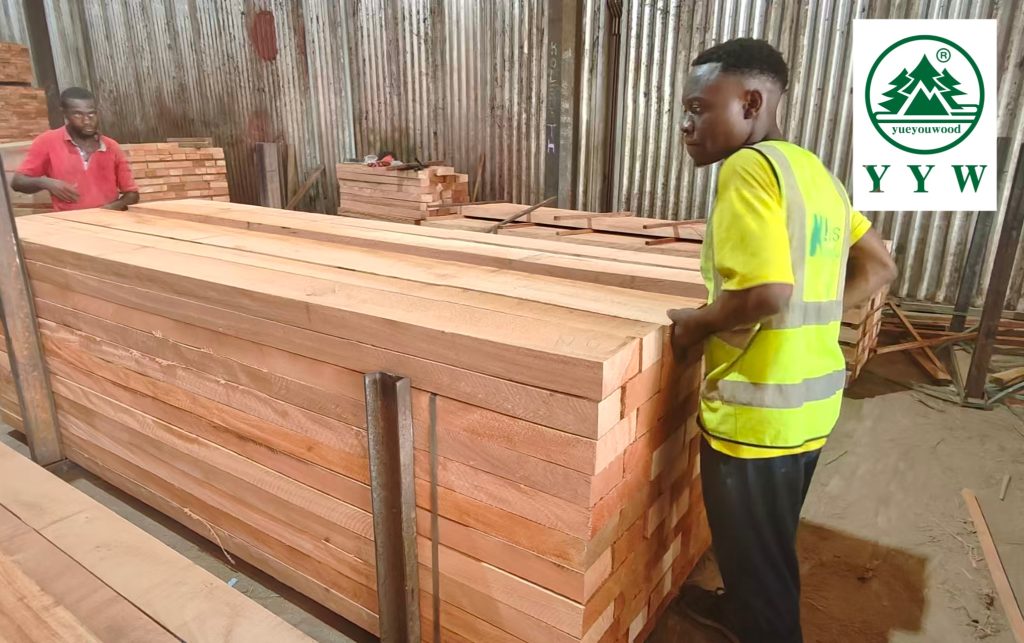
At YYW Timber, we provide stable supply solutions for both Okoume and Ayous, supporting global manufacturers with consistent export coordination and reliable sourcing.
Contact Us
For more information about Okoume timber, kiln-dried materials, and export supply:
Email: gemma@yueyouwood.com
WhatsApp: +86 18933092596
Website: www.yywtimber.com