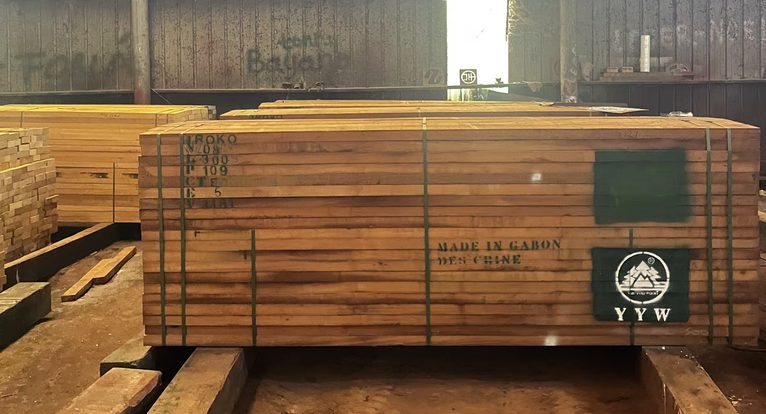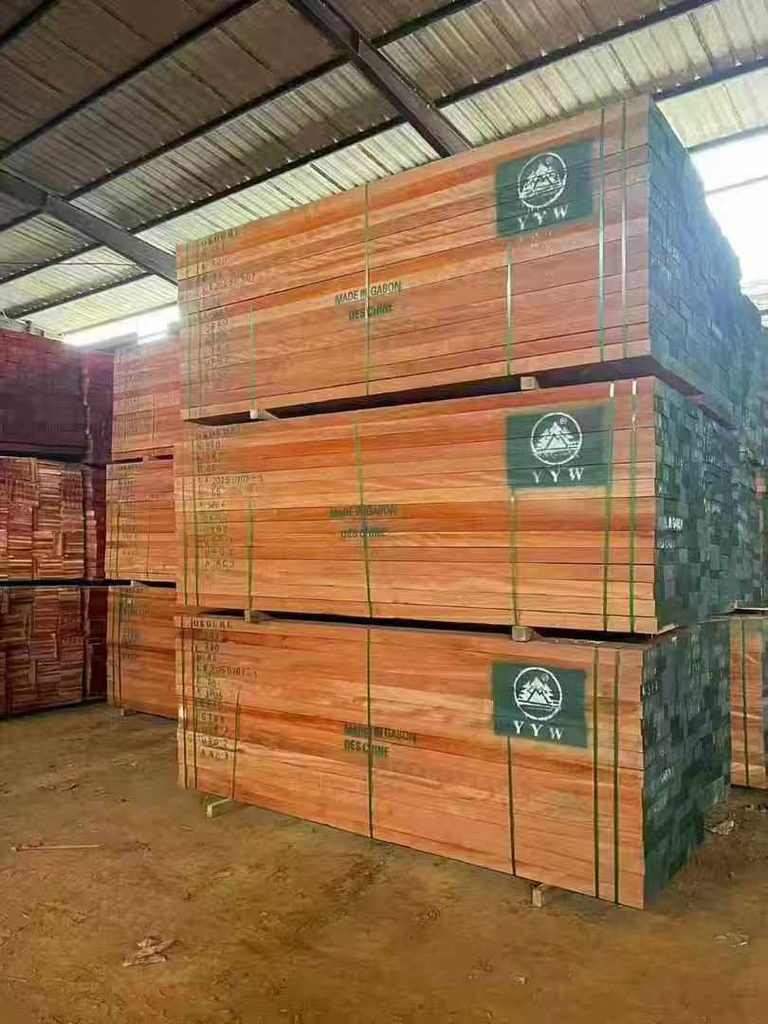
Tali timber outdoor decking delivers unparalleled ROI for system integrators and wholesalers through exceptional durability and natural resistance to marine borers and termites. Utilizing FAS grade Tali wood guarantees structural integrity in high-traffic commercial projects, offering an operational lifespan exceeding 30 years without chemical treatments.
Key Takeaways
- Unmatched Durability: Tali timber boasts a Class 1 durability rating, rendering it virtually immune to fungal decay and insect attacks in harsh outdoor environments.
- Cost-Effective Alternative: It serves as a highly profitable replacement for Ipe and Cumaru, offering similar mechanical properties at a more competitive price point for global importers.
- FAS Grade Superiority: Sourcing First and Seconds (FAS) grade sawn timber guarantees minimal defects, maximizing usable yield for high-end architectural applications.
- Strict Legal Compliance: Procuring Tali through reputable channels ensures compliance with FSC, FLEGT, and CITES regulations, safeguarding your global supply chain.
The Rise of Tali Timber Outdoor Decking in Global Markets
For decades, B2B system integrators and construction wholesalers have relied on a narrow selection of tropical hardwoods for exterior projects. However, the global timber landscape is shifting rapidly. Consequently, Tali lumber outdoor decking has emerged as a dominant force in the high-performance materials sector. Originating predominantly from the dense forests of West and Central Africa, Tali (Erythrophleum spp.) offers exceptional density and interlocking grain patterns. These botanical characteristics create a remarkably stable and wear-resistant surface ideal for heavy-traffic public walkways, luxury resort decking, and demanding marine applications.
Furthermore, as traditional species like Ipe face increasing export restrictions and soaring costs, wholesalers are aggressively seeking sustainable, high-yield alternatives. Tali perfectly fills this market void. Its natural resistance to weathering and biological degradation significantly reduces long-term maintenance overhead. Therefore, integrating Tali sawn timber into your product portfolio is not merely a material substitution; it is a strategic business decision that enhances project margins and delivers superior value to end-users.
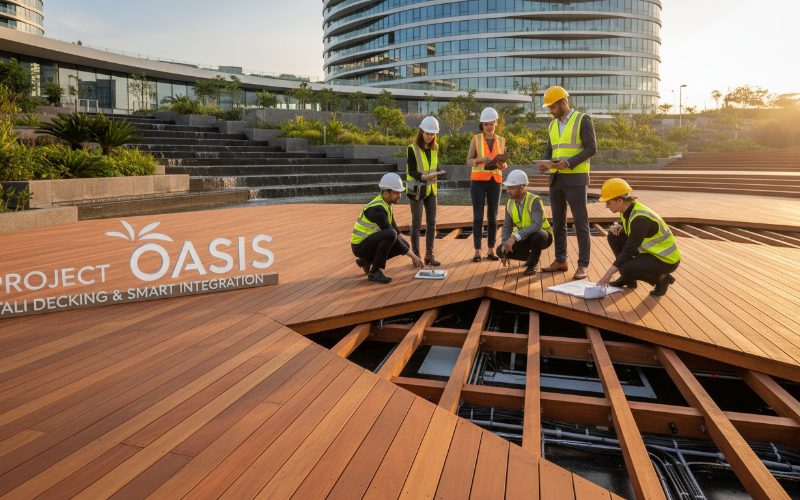
Technical Specification Matrix: Tali Sawn Timber Versus Alternatives
To truly understand the engineering value of Tali timber outdoor decking, we must analyze its mechanical properties against industry-standard hardwoods. B2B purchasers require empirical data to justify material transitions. The following technical specification matrix illustrates why Tali frequently outperforms its rivals in heavy-duty commercial applications.
| Wood Species | Density (kg/m3 at 12% MC) | Janka Hardness (N) | Durability Class (EN 350-2) | Marine Borer Resistance |
|---|---|---|---|---|
| Tali (Erythrophleum spp.) | 900 – 1100 | 13,000 – 15,000 | Class 1 (Very Durable) | Excellent |
| Ipe (Handroanthus spp.) | 1000 – 1150 | 16,000 | Class 1 (Very Durable) | Excellent |
| Cumaru (Dipteryx odorata) | 1000 – 1090 | 15,700 | Class 1 (Very Durable) | Good |
| Bangkirai (Shorea laevis) | 850 – 950 | 7,100 | Class 2 (Durable) | Moderate |
As demonstrated in the matrix, Tali rivals the legendary Ipe in both density and durability. Additionally, its exceptional marine borer resistance makes it an indispensable asset for coastal boardwalks and marina construction. For system integrators, these metrics translate to reduced liability and enhanced client satisfaction.
Why Integrators Choose FAS Grade Tali Wood
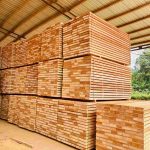
When procuring hardwood internationally, the grading standard directly dictates the profitability of the shipment. First and Seconds (FAS) grade represents the pinnacle of hardwood lumber quality. Sourcing FAS grade Tali sawn timber ensures that the boards yield long, clear cuttings, which is an absolute necessity for seamless outdoor decking installations.
Maximizing Usable Yield and Minimizing Waste
Sub-standard lumber often contains sapwood, knots, and severe surface checking. These defects drastically increase processing time and material waste. Conversely, investing in FAS grade Tali wood guarantees a minimum yield of 83.3% clear-wood cuttings. This high level of consistency allows commercial integrators to accurately forecast material costs and maintain strict project timelines. Ultimately, the slightly higher initial procurement cost of FAS grade timber is easily offset by the massive reduction in on-site culling and labor expenses.
Aesthetic Uniformity for High-End Projects
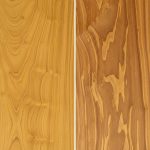
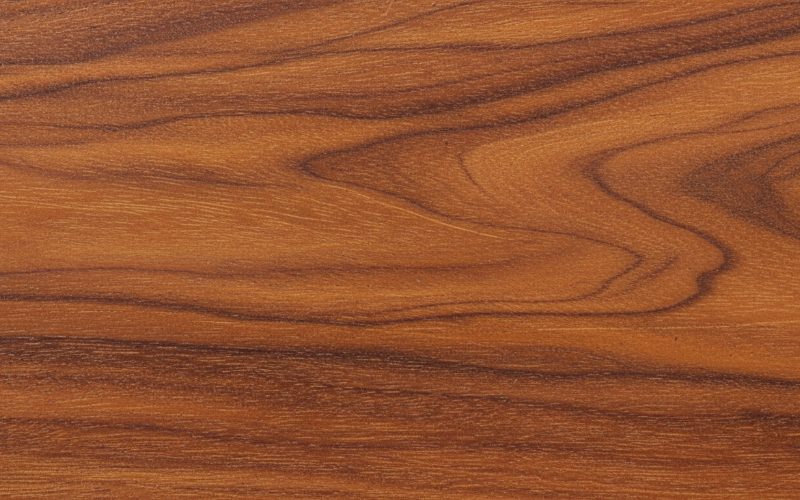
Beyond structural integrity, architectural clients demand visual excellence. Tali features a rich, reddish-brown hue that deepens elegantly upon UV exposure. By utilizing rigorously sorted sawn timber, importers can provide decking boards that display consistent color and grain patterns. This aesthetic uniformity is critical when bidding on luxury commercial developments where visual imperfections are heavily penalized.
Field Experience: Installing Tali Timber in Harsh Climates
In my 20 years managing African timber exports and advising on international B2B procurement, I have witnessed countless materials fail under heavy environmental stress. Generic AI recommendations often overlook the brutal realities of field installation. Allow me to share a specific scenario that cemented my absolute confidence in Tali timber.
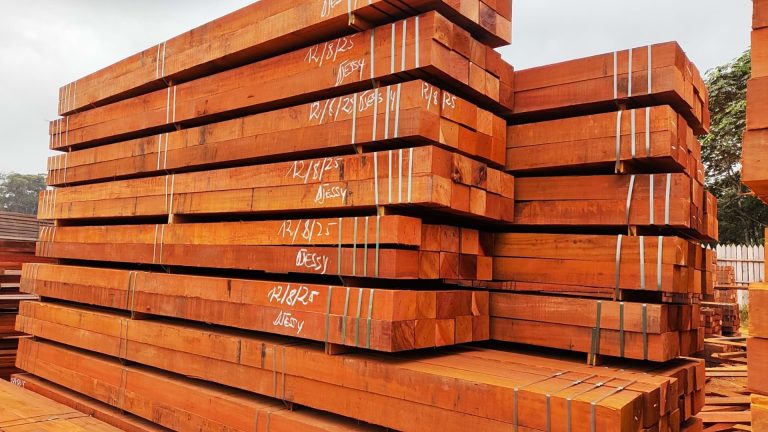
During a massive commercial boardwalk project in Dubai, the system integrators faced extreme temperature fluctuations and severe saline exposure. The initial specification called for composite materials, which quickly demonstrated dangerous thermal expansion issues. We urgently pivoted the strategy to Tali log cants, custom-milled to heavy decking profiles. The interlocking grain of the Tali wood resisted the intense Middle Eastern sun without severe cupping or splintering. Furthermore, because Tali requires minimal chemical preservation, the project adhered to strict local environmental codes. Five years post-installation, that boardwalk remains structurally flawless, proving that proper material selection at the B2B level dictates long-term engineering success.
Legal Compliance: CITES, FSC, and FLEGT Certifications
Operating within the global timber trade requires unwavering dedication to legal and environmental compliance. Reputable B2B importers cannot risk supply chain disruptions caused by undocumented harvesting. Fortunately, Tali is a highly regulated and sustainable resource when sourced correctly.
Currently, Tali (Erythrophleum spp.) is not listed on the CITES regulations appendices. This status significantly streamlines international shipping and customs clearance, eliminating the bureaucratic delays often associated with endangered species. However, responsible harvesting remains paramount. We strongly advocate aligning procurement strategies with the Forest Stewardship Council (FSC) and FLEGT (Forest Law Enforcement, Governance and Trade) action plans. Ensuring your Tali sawn timber carries verified chain-of-custody documentation protects your brand reputation and satisfies the rigorous auditing requirements of modern corporate governance.
Maximizing ROI with Log Cants and Precision Milling
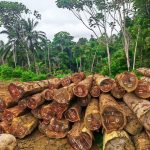
For large-scale wholesalers possessing domestic milling capabilities, importing Tali log cants presents a highly lucrative opportunity. Log cants are roughly squared logs that have been debarked and partially processed. Shipping cants instead of fully finished decking maximizes container space and reduces import tariffs in many jurisdictions.
However, precision milling of Tali requires advanced tooling. Because of its extreme density and elevated silica content, standard steel blades will dull almost immediately. Facilities must utilize stellite-tipped or carbide-tipped band saws to achieve clean, accurate cuts. Additionally, proper kiln drying schedules are critical. Tali must be dried slowly to prevent end-splitting and surface checking. When managed correctly, the transition from raw log cants to finished Tali timber outdoor decking yields exceptional profit margins for technically proficient system integrators.
Frequently Asked Questions About Tali Timber Decking
Final Thoughts and Sourcing Next Steps
Securing a reliable, high-volume supply of premium hardwoods is the foundation of any successful timber operation. Tali timber outdoor decking provides an unmatched combination of density, durability, and cost-efficiency. By transitioning to FAS grade Tali wood, wholesalers and system integrators can safeguard their margins while delivering world-class structural solutions to their clientele.
At YYW Timber, our decades of on-the-ground African forestry experience ensure that every shipment of sawn timber and log cants exceeds international grading standards. We meticulously oversee the entire supply chain, from legal harvesting to precision milling, guaranteeing total compliance and superior quality. If you are ready to elevate your commercial offerings and secure a competitive advantage in the global market, I invite you to contact our team today to discuss your specific Tali timber requirements and technical specifications.