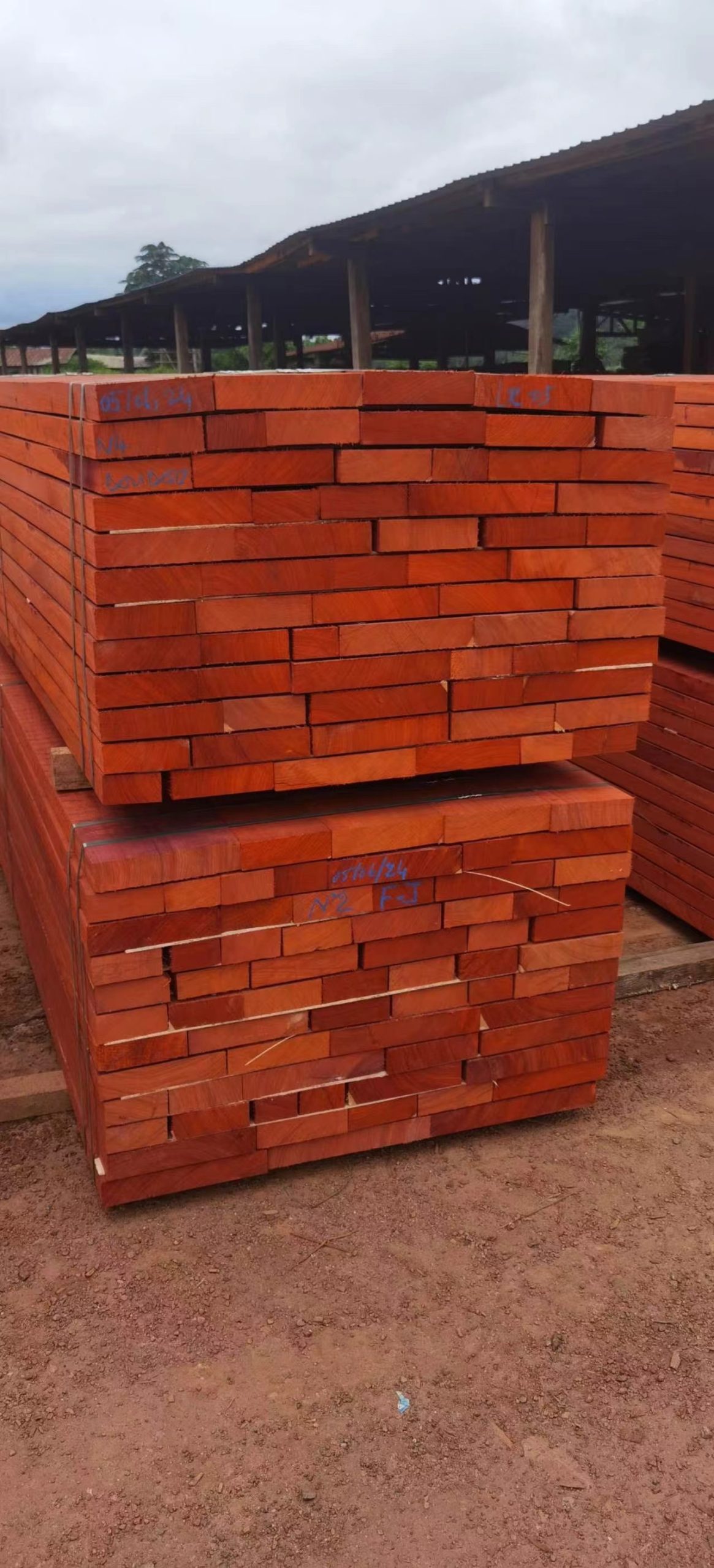
Padouk is one of the most recognisable African hardwoods, valued for its striking red colour, natural durability and attractive grain. Its distinctive appearance makes it a popular choice for projects that require both reliable performance and a strong visual character.
Known commercially as African Padouk or African Padauk, this hardwood is commonly identified by its botanical name, Pterocarpus soyauxii. It grows in tropical Africa and is used in a wide range of applications, from high-quality furniture and interior joinery to flooring, exterior joinery and other demanding woodworking projects.
At YYW Timber, we focus on African hardwood sawn timber and understand that buyers need more than an attractive wood species. They also need reliable information about its properties, processing requirements and suitability for different applications. Here is what timber buyers should know about Padouk.
1. What Is Padouk Wood?
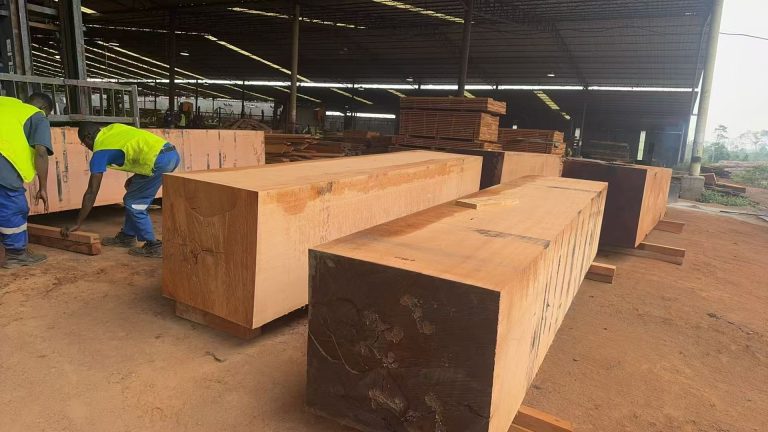
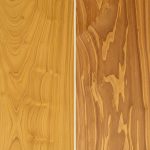
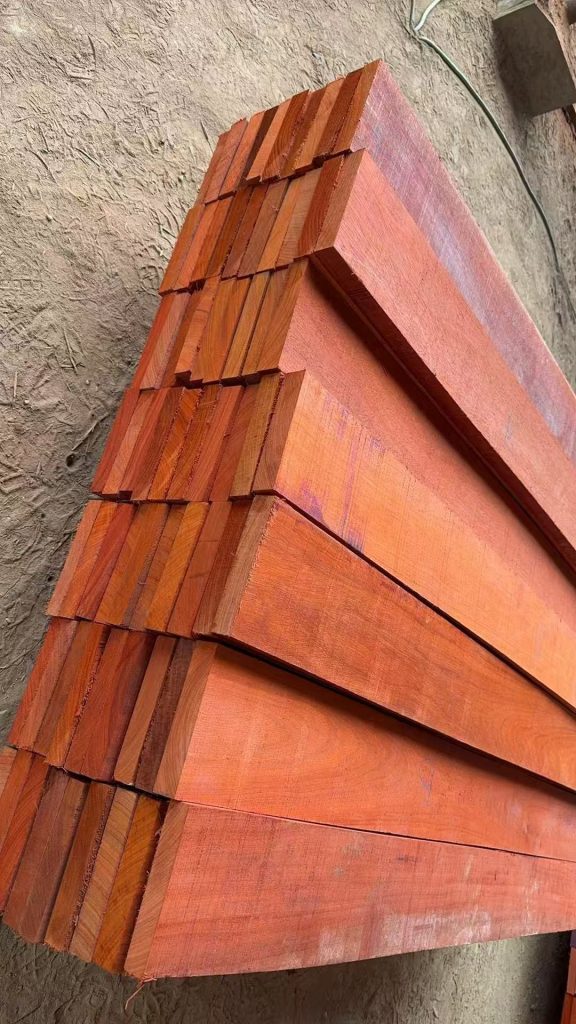
Padouk is a tropical African hardwood from the Fabaceae family. Its heartwood is famous for its vivid orange-red to coral-red colour when freshly cut. After exposure to light, the colour gradually deepens into reddish brown or purple-brown.
The contrast between its heartwood and sapwood is usually quite clear. The sapwood is generally pale yellowish or whitish, while the heartwood carries the distinctive red tones that make Padouk easy to recognise.
Its grain is usually straight to slightly interlocked, with a relatively coarse texture. These characteristics give the timber a natural decorative appearance, making it suitable for both functional and visual applications.
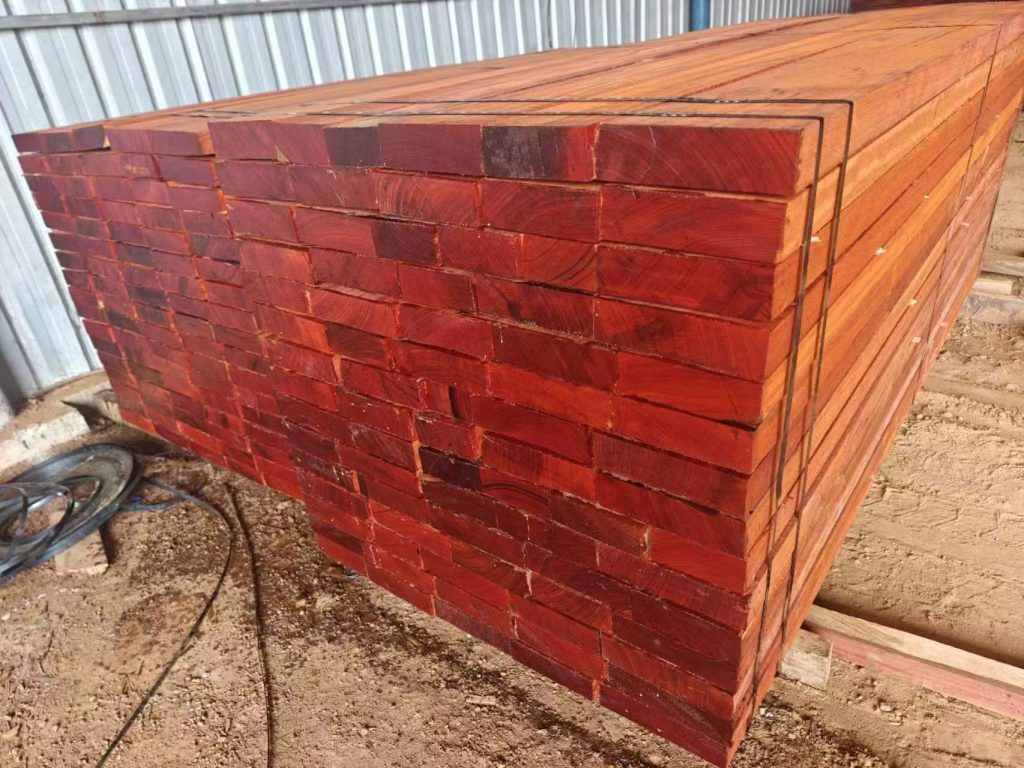
2. Key Characteristics and Physical Properties of Padouk
Padouk combines a distinctive appearance with good strength, hardness and natural durability. Its physical properties make it suitable for applications where timber needs to withstand regular use and environmental exposure.
| Property | General Characteristics |
|---|---|
| Commercial name | African Padouk / African Padauk |
| Botanical name | Pterocarpus soyauxii |
| Origin | Tropical Africa |
| Wood colour | Bright orange-red to reddish brown |
| Sapwood | Pale yellowish to whitish, clearly differentiated |
| Grain | Straight to slightly interlocked |
| Texture | Medium to coarse, often described as coarse |
| Air-dry density | Approximately 750–790 kg/m³ at 12% moisture content |
| Natural durability | Very durable heartwood |
| Dimensional stability | Generally good after proper drying |
Note: These figures are general reference values. Actual properties can vary according to the tree, forest origin, sawing pattern and moisture content.
Distinctive Natural Colour
Colour is one of Padouk’s strongest selling points. Freshly processed heartwood often displays a vivid orange-red appearance. As the timber reacts to light and air, it gradually darkens.
Buyers should therefore understand that the colour of freshly sawn Padouk may differ from its appearance after storage, finishing or installation. This natural colour change is part of the character of the species.
Strength and Hardness
With an air-dry density commonly around 750–790 kg/m³, Padouk is a relatively heavy and hard African hardwood. It offers good resistance to wear and performs well in applications such as flooring, stairs, furniture components and joinery.
Natural Durability
Padouk heartwood has very good natural resistance to fungal decay and termite attack. This makes it suitable for various exterior and demanding applications when the timber is correctly selected, processed and installed.
However, buyers should distinguish between heartwood and sapwood. The pale sapwood does not offer the same durability as the heartwood, so the required heartwood proportion should be clearly specified when appearance and service performance are important.
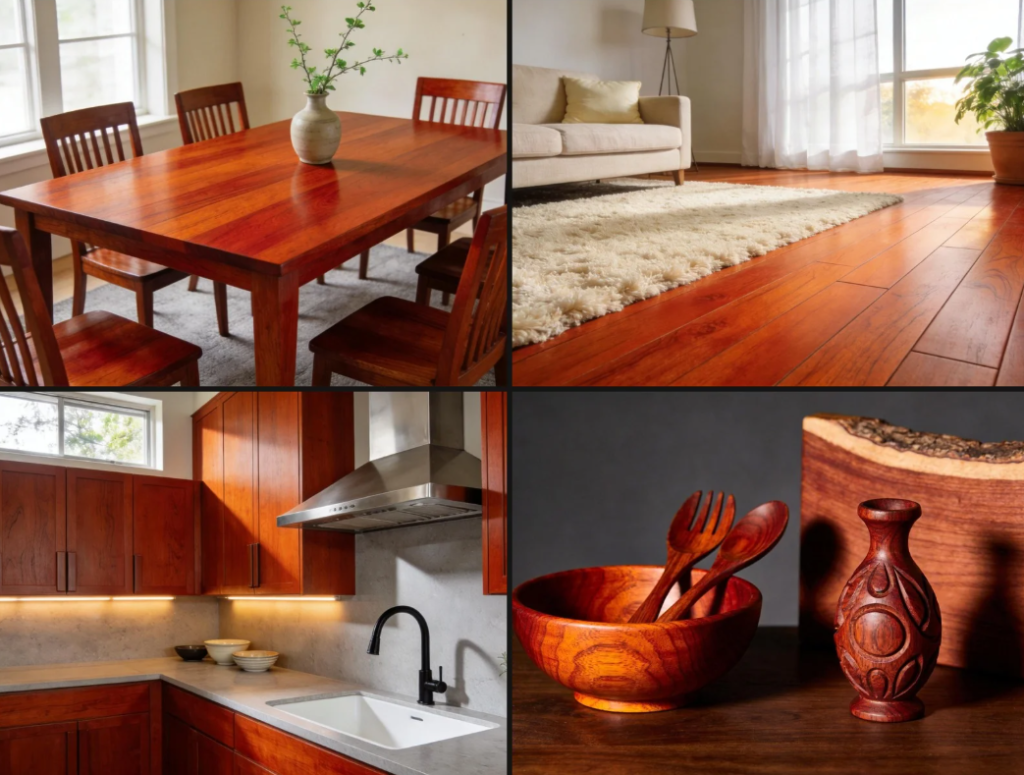
3. Common Applications of Padouk Sawn Timber
Padouk’s combination of colour, hardness and durability gives it a wide range of potential applications.
Furniture and Cabinetmaking
Its rich red tones make Padouk an attractive choice for premium furniture, table components, cabinets, decorative panels and other furniture parts. It can create a distinctive appearance without relying on artificial colouring.
Flooring and Parquet
Padouk’s hardness and resistance to wear make it suitable for solid wood flooring, parquet and other flooring products. Its natural colour also gives interior spaces a distinctive appearance.
Doors, Windows and Joinery
Padouk can be used for interior and exterior joinery, including doors, window components, frames and other architectural woodwork. Proper drying and suitable installation details remain important for long-term performance.
Outdoor and Heavy-Duty Applications
The durable heartwood is also used in certain exterior construction projects, decking, stairs, bridges and other demanding applications. The suitability of each application depends on the exposure conditions, design and applicable technical requirements.
Decorative Woodworking
Padouk is also valued for turned products, carvings, handles and decorative woodworking. Its colour and grain make it particularly appealing for products where the natural appearance of the wood matters.
4. Processing and Drying: What Should Buyers Know?
Although Padouk is a durable hardwood, proper processing remains essential to achieving consistent quality.
Sawing and Machining
Padouk generally saws and machines well, although its density and occasional interlocked grain require suitable cutting conditions. Some pieces may show grain tear-out during machining, particularly when tools or cutting angles are not appropriate.
Sharp tools and controlled machining help achieve a cleaner surface. Buyers purchasing Padouk for further processing should consider the intended finished product when selecting timber dimensions and surface requirements.
Kiln Drying
Padouk can be dried successfully, but the drying schedule should match the timber thickness, initial moisture content and batch characteristics. Controlled drying helps reduce the risk of checking and other drying defects.
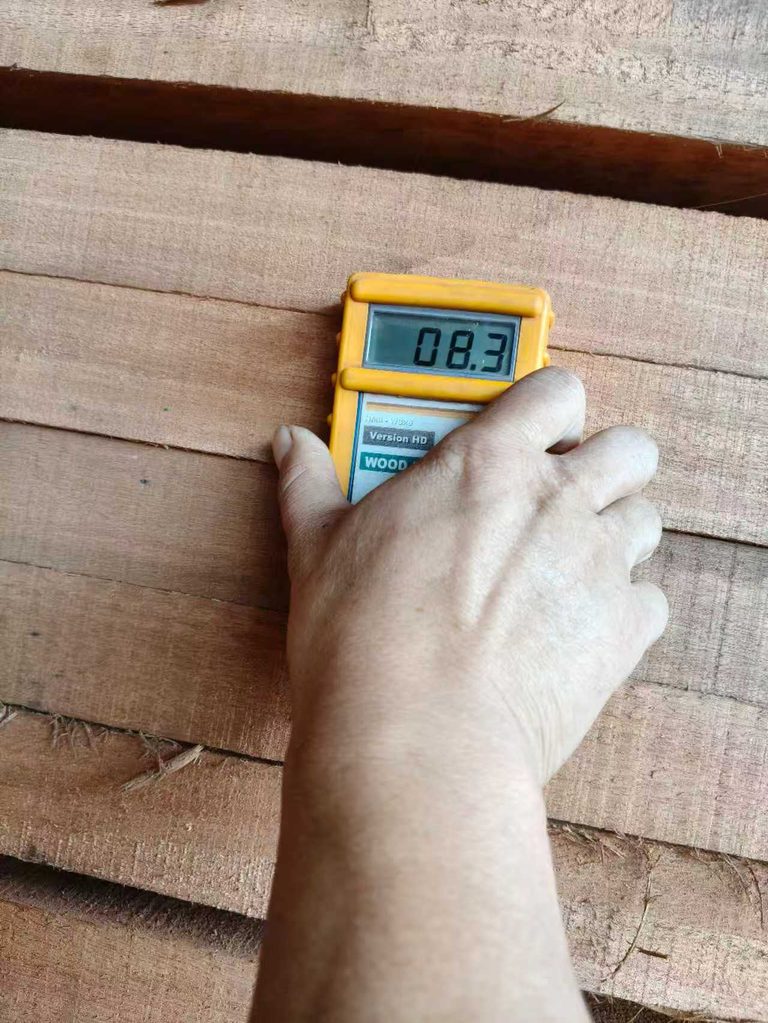
For buyers who require kiln-dried timber, it is important to confirm the target moisture content, measurement method and inspection requirements before shipment. Do not rely on the KD label alone; the actual moisture content of the delivered timber matters.
Colour Selection
Natural colour variation exists between individual boards. If a project requires a consistent visual appearance, buyers should discuss colour selection, sapwood allowance and acceptable variation with their supplier before confirming an order.
5. What Should Buyers Check Before Purchasing Padouk?
When sourcing Padouk sawn timber, buyers should consider several practical points:
- Species identification: Confirm that the timber is African Padouk, Pterocarpus soyauxii, rather than another species sold under a similar commercial name.
- Origin and legal documentation: Confirm the country of harvest, export requirements and supporting documentation.
- Moisture content: Specify whether you require air-dried (AD) or kiln-dried (KD) timber, together with the target moisture content.
- Dimensions: Confirm thickness, width, length and dimensional tolerances according to your production requirements.
- Quality and appearance: Agree on acceptable defects, sapwood proportion, colour variation and grading criteria.
- Inspection before shipment: Where necessary, arrange inspections and moisture checks before loading.
An important trade note: African populations of Pterocarpus species, including Pterocarpus soyauxii, are listed in CITES Appendix II. The listing covers relevant timber products, including logs and sawn wood. Buyers and suppliers should verify the applicable permits, export documents and destination-market requirements before arranging shipments. Do not assume that Padouk can be traded without CITES-related checks.
6. Sourcing African Padouk Sawn Timber from YYW Timber
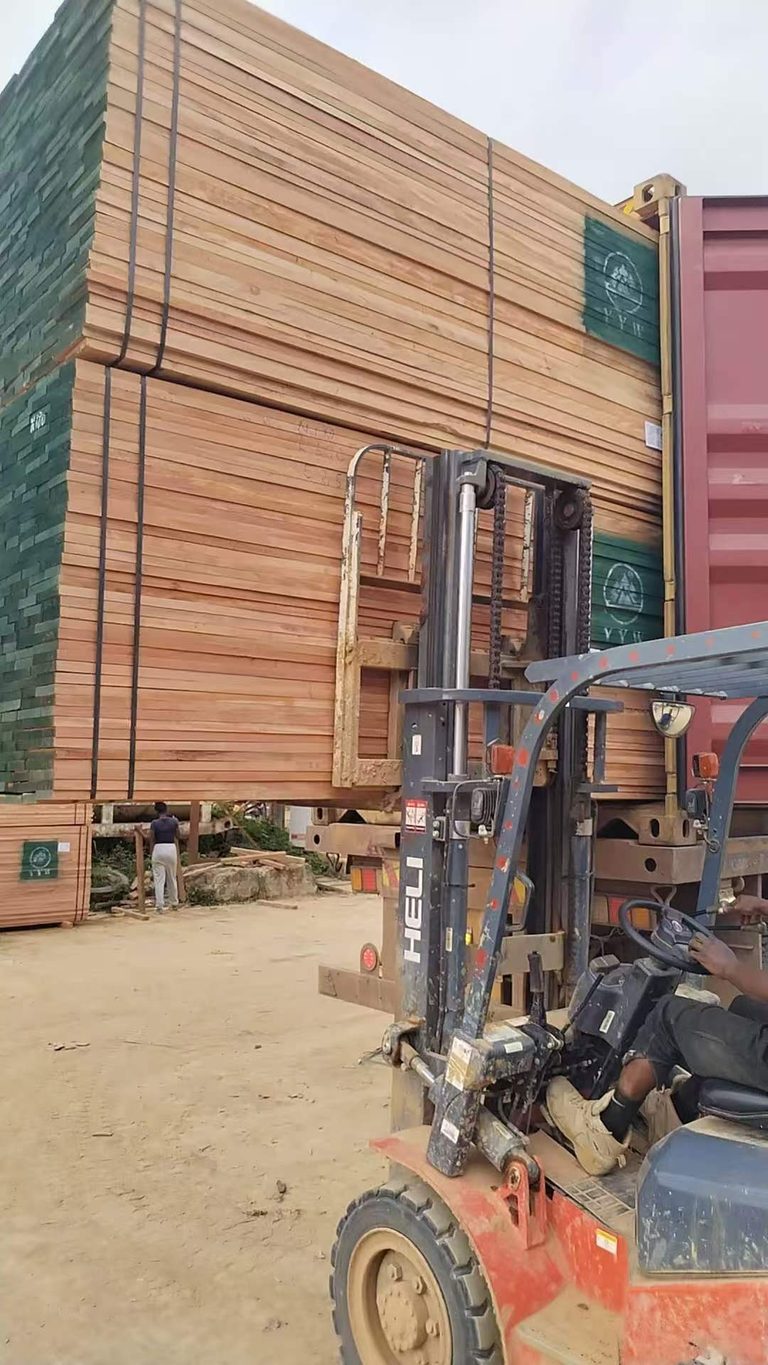
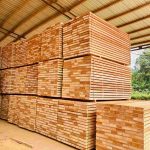
At YYW Timber, we specialise in African hardwood sawn timber and work with buyers who require dependable supply for different woodworking and manufacturing applications.
We understand that every buyer has different requirements. Some prioritise natural colour and appearance for furniture production, while others focus on dimensions, moisture content and processing performance.
Our team welcomes enquiries from timber importers, wholesalers, distributors and woodworking manufacturers looking for African Padouk sawn timber.
When making an enquiry, please share your required thickness, width, length, quantity and whether you need AD or KD timber. This allows us to check suitable supply options and discuss the specifications with you more efficiently.
Looking for African Padouk sawn timber?
Contact YYW Timber to discuss your requirements and explore suitable supply options.
Website: www.yywtimber.com