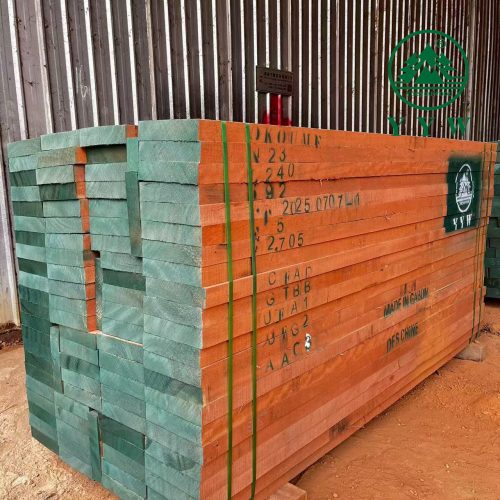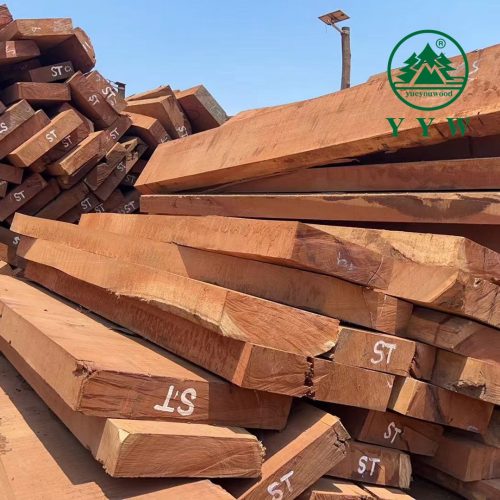
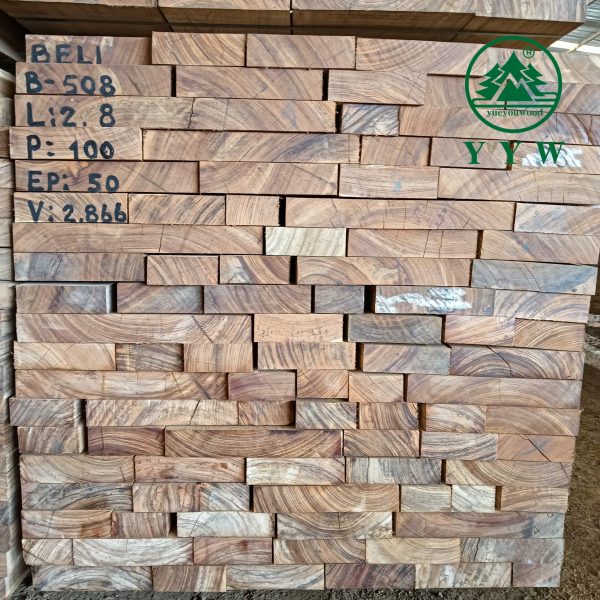
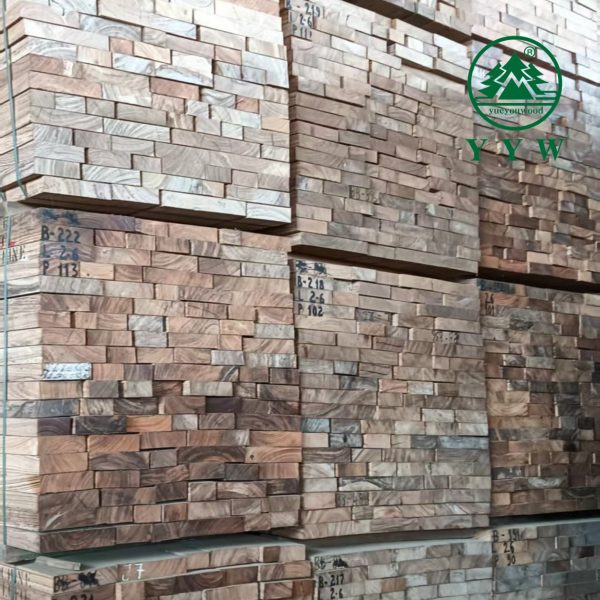
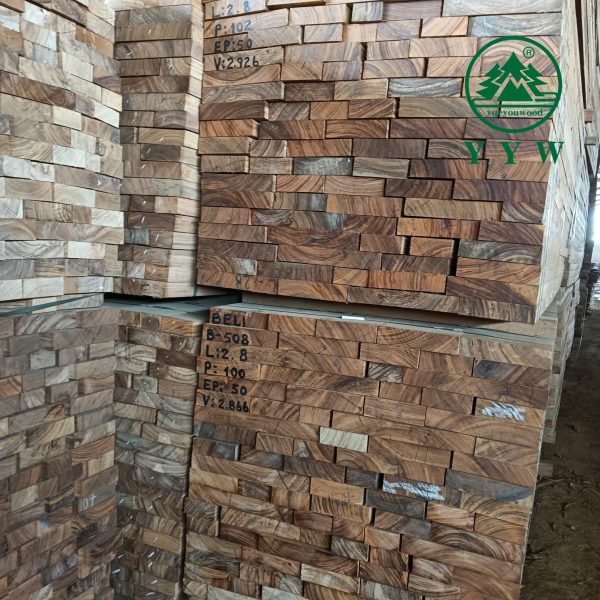
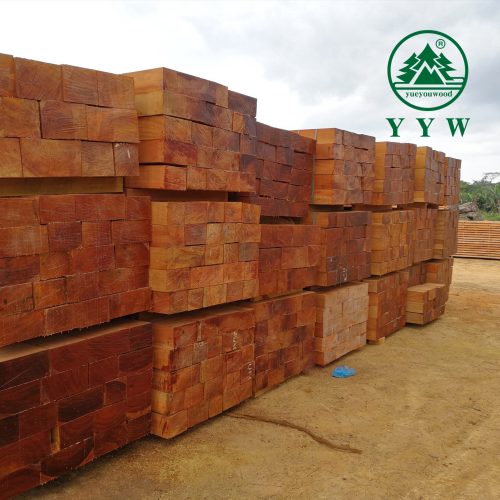
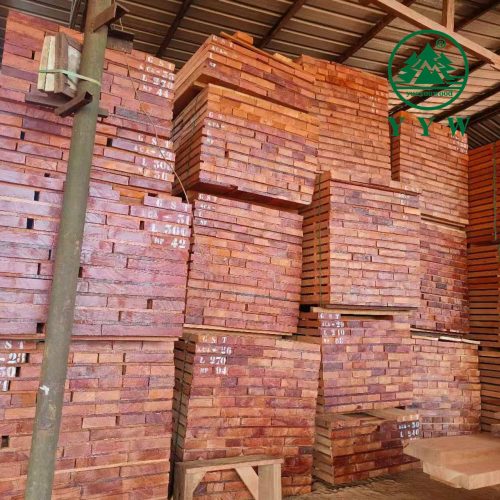
Beli Wood Lumber

Common Name: Beli/Ekop-Beli/Awoura/Beliawoura/Zebreli

Scientific Name: Julbernardia pellegriniana

Origin: Central Africa (Cameroon, Gabon)

Product Dimensions:

Thickness: 50mm (standard)

Width: Variable (commonly 80% – 85% of width are 15cm and up; 15% – 20% range from 10cm to 14cm)

Length: Standard lengths of 1.8m – 3.2m

Drying Process: Semi-dry, with a water content of approximately 20%

Category:

Beli Wood Overview:

Beli is a durable hardwood sourced from Central Africa, specifically Cameroon and Gabon. Its light brown heartwood, often with darker stripes, makes it visually attractive, resembling Zebrawood. Beli is known for its interlocked grain and fine texture, offering a beautiful finish. It is suitable for various applications, including cabinetry, veneer, flooring, and interior millwork.

Beli Lumber Physical Properties:

Density: 770 kg/m³ (48 lbs/ft³)

Janka Hardness: 1,480 lbf (6,580 N)

Color: The heartwood is light brown with darker stripes, while the sapwood is pale yellow.

Durability: Moderately durable, with resistance to insect attack.

Workability: Easy to work with, though tear-out can occur due to the interlocked grain. The wood reacts with ferrous metals, which can cause discoloration.

Beli Wood Density & Performance (Janka Rating)
Beli Wood: 1,260 lbf
Ayous
430
White Oak
1,360
Beli Wood
1,260

Beli Lumber Applications:

Cabinetry: Perfect for custom cabinets due to its fine finish and strength.

Veneer: Often used for high-quality veneer for luxury interior applications.

Flooring: Beli’s durability and striking appearance make it ideal for flooring in both residential and commercial settings.

Interior Millwork: Excellent for moldings, trim, and other interior applications due to its smooth texture and fine grain.

Ekop-Beli Wood Sustainability:

Conservation Status: Not listed in the CITES Appendices or IUCN Red List of Threatened Species, but sustainable sourcing practices should be followed.

Why Choose Beli?

Aesthetic Appeal: Beli has an attractive appearance, with light brown wood and contrasting darker streaks, making it ideal for both functional and decorative purposes.

Durability: With moderate resistance to insect and fungal attack, Beli is well-suited for interior applications.

Workability: Beli is generally easy to work with and can be finished smoothly, providing a beautiful, durable product.
Beli Wood: Strategic Sourcing FAQ

Is Beli wood a good alternative to Zebrano?
Yes, Beli is often referred to as “small Zebrano” due to its similar striped grain. While its contrast is slightly more subtle, it provides excellent stability and aesthetic value at a more accessible price point. For a detailed technical analysis, check our guide on Zebrano vs. Beli.
Common commercial uses for Beli lumber?
Beli is highly versatile, widely used for high-end flooring, contemporary cabinetry, and luxury furniture. Its interlocking grain provides a unique decorative texture that responds well to professional stains and finishes.
How does Beli handle machining and finishing?
Beli has a medium-to-coarse texture. While the interlocked grain requires sharp tooling to prevent tear-out, it glues and polishes exceptionally well, often mimicking the look of Zebrano Zingana sawn timber in high-traffic architectural projects.
What is the sustainability and compliance status?
Our Beli wood is sourced from managed concessions in Central Africa. We ensure every shipment is accompanied by the necessary export documentation to meet EUTR and Lacey Act requirements, guaranteeing a secure supply chain for our global partners.

Schedule a Professional Consultation Today

Simply fill out the quick form, and our team will promptly respond with the most effective, personalized solution tailored to meet your unique needs and goals.
Get a Quote